





 Portuguese
  English
  Spanish
  3 min of reading
  0 comments


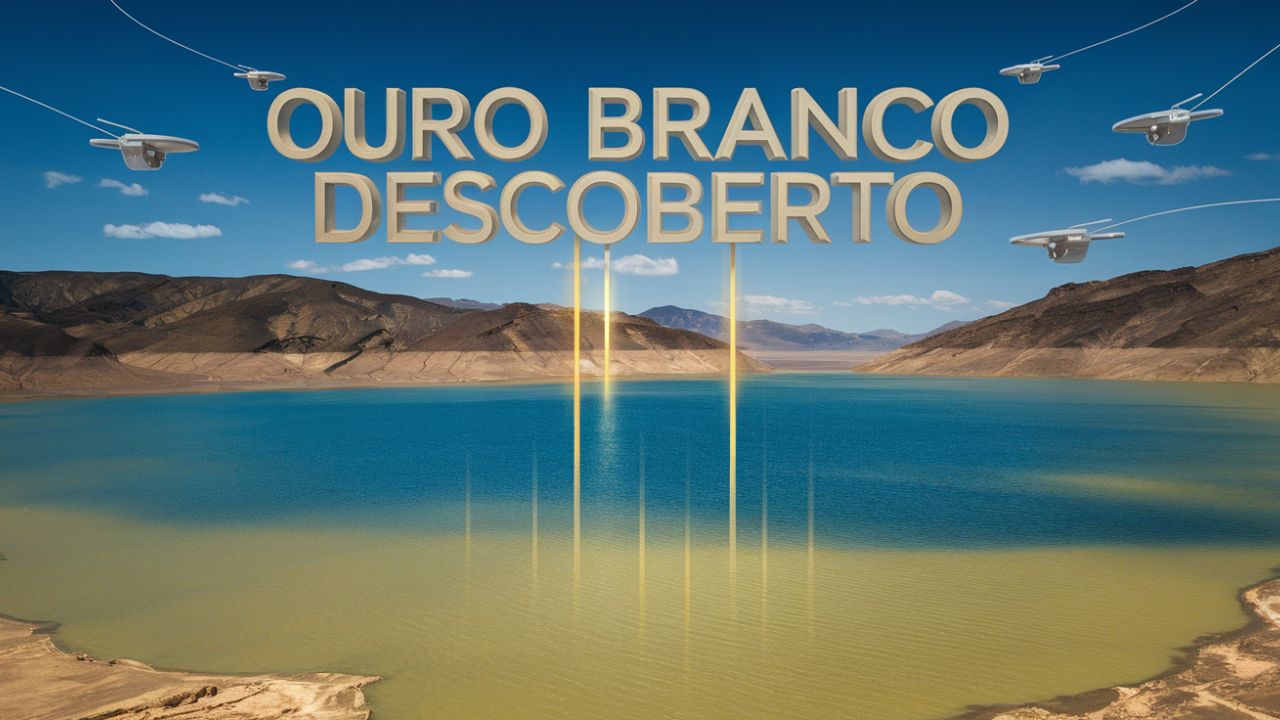
Under The Salton Sea, Scientists Found 18 Million Tons of Lithium, Enough to Produce Batteries for 382 Million Electric Vehicles. The Discovery, Valued at US$ 540 Billion, Could Transform the U.S. into Global Leaders in the Race for Clean Energy.
Have you ever thought of a treasure capable of changing the energy future of an entire country? That is exactly what scientists found in the Salton Sea, the largest lake in California. Beneath its murky waters lies about 18 million tons of lithium, also known as “white gold,” valued at an impressive US$ 540 billion. This discovery could be a turning point in the race for clean energy.
The Monumental Discovery Under The Salton Sea
Lithium, essential for electric vehicle batteries and other sustainable technologies, has become a strategic resource amid the global energy transition. Located in Imperial County, the Salton Sea is now home to one of the largest lithium brine deposits in the world. To give you an idea, this amount would be enough to produce batteries for over 382 million electric vehicles, more than all the cars currently on the roads in the U.S.!
Michael McKibben, a geochemistry professor, highlights the importance of this find:
“This could make the United States self-sufficient in lithium, eliminating dependence on China.”
-
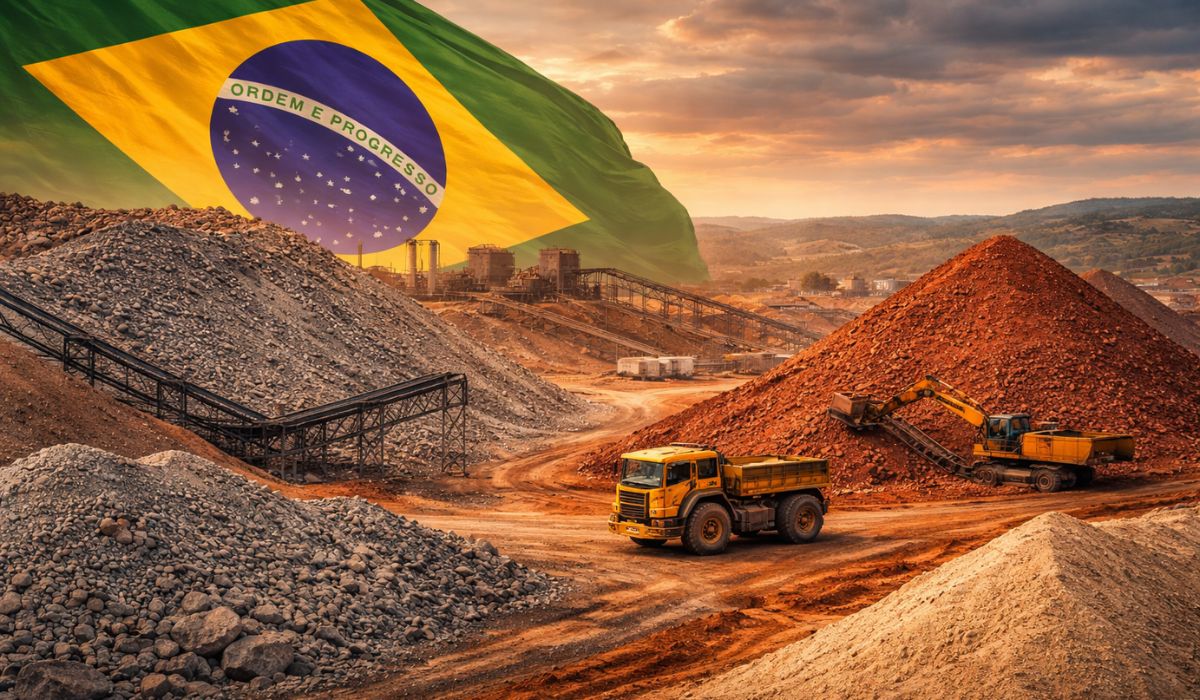
Brazil extracts 26.3 million tons of ore from what was previously treated as waste, transforming residues into wealth, producing over 3 million tons of sand, and demonstrating how national mining is relearning to generate value.
-
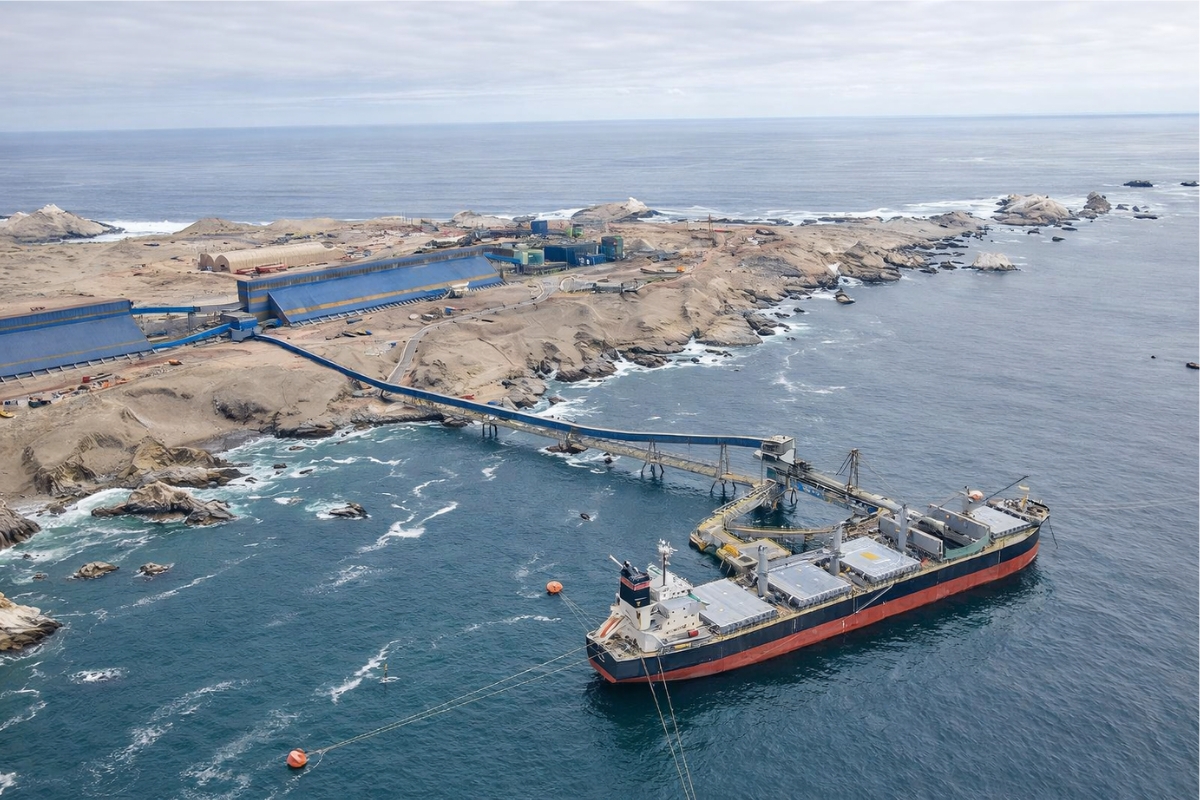
A $3.5 billion megaproject in Latin America pumps desalinated seawater at 1,050 liters per second over 194 km to keep a copper supermine in the Andes operational for another 20 years.
-
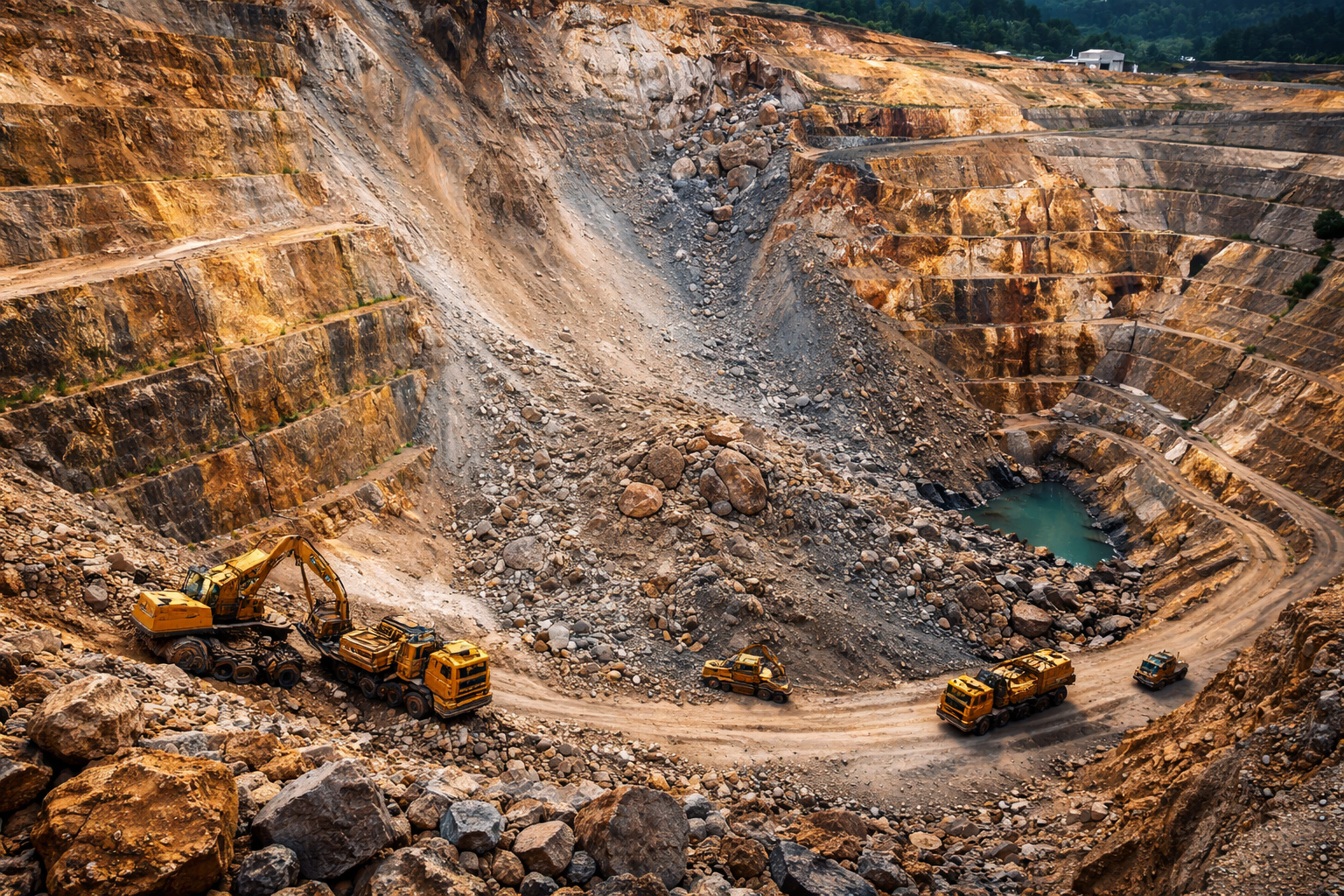
A hidden mine in the Andes valued at nearly R$ 1 trillion is starting to attract global attention, containing copper, gold, and silver, and raises an intriguing question: why do Argentina and Chile need to act together to exploit this gigantic wealth?
-
A silent discovery in the interior of Bahia could change the future of energy in Brazil: a uranium reserve in Lagoa Real has an estimated capacity to produce 400 tons per year and is already attracting the attention of energy sector specialists.
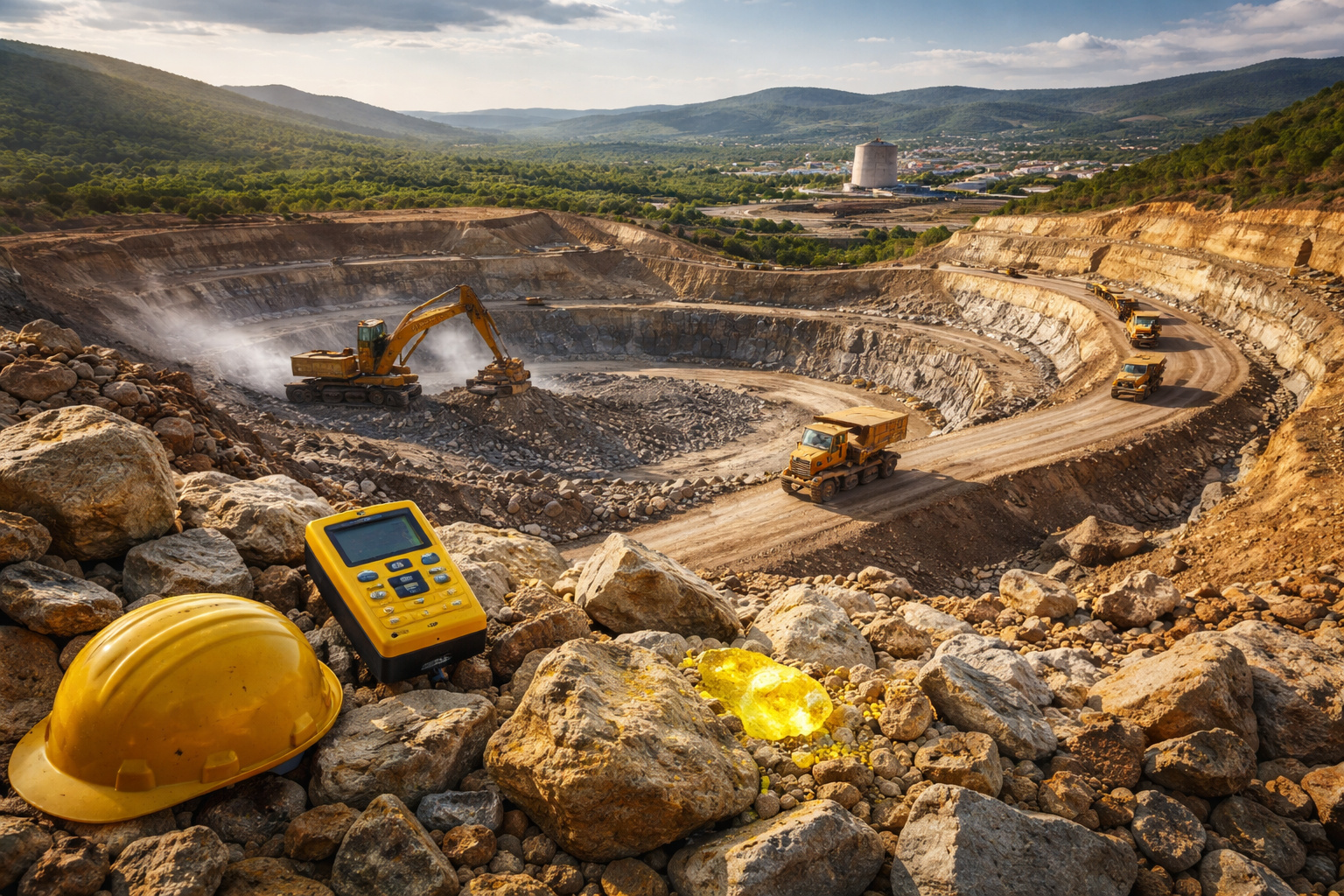

How Can Lithium Transform the Future of the U.S.?

The discovery comes at a critical moment when the world is searching for sustainable energy alternatives. The promise of lithium is to allow the United States to lead the electric vehicle battery market, reducing dependence on imports. Extracting the resource could boost the development of innovative technologies that change how we produce and store energy.
Why is this so important? Because every gram of lithium could be the key to ensuring a cleaner and more independent future for both the U.S. and the world.
The Environmental and Social Challenges of Lithium Mining
But, like everything that shines, this “white gold” also brings its challenges. Extracting lithium from the Salton Sea requires geothermal drilling and large amounts of water. This could put even more pressure on the Colorado River, a water source already in decline. The toxic dust from the receding lake bed poses a health risk to local communities, which already suffer from high rates of respiratory diseases.
And it doesn’t stop there: Indigenous tribes in the region fear that sacred sites, such as Obsidian Butte, may be impacted by mining. The balance between exploitation and preservation is delicate and crucial.
Imperial County and the Dream of “Lithium Valley”
For Imperial County, one of the poorest regions in California, lithium represents hope. The nickname “Lithium Valley” reflects the economic potential this resource can bring, with billions in revenue and new jobs.
But director Sara Griffen warns:
“We need to dream of a future where progress benefits everyone, without sacrificing our land and our people.”
The lithium under the Salton Sea symbolizes both a historic opportunity and a monumental challenge. It can transform the United States into leaders in clean energy, but only if the environmental and social risks are carefully managed.
This “white gold” is a double-edged sword: it promises a greener future, but not without a price. Are we ready to pay?








-

Uma pessoa reagiu a isso.