





 Portuguese
  English
  Spanish
  3 min of reading
  22 comments


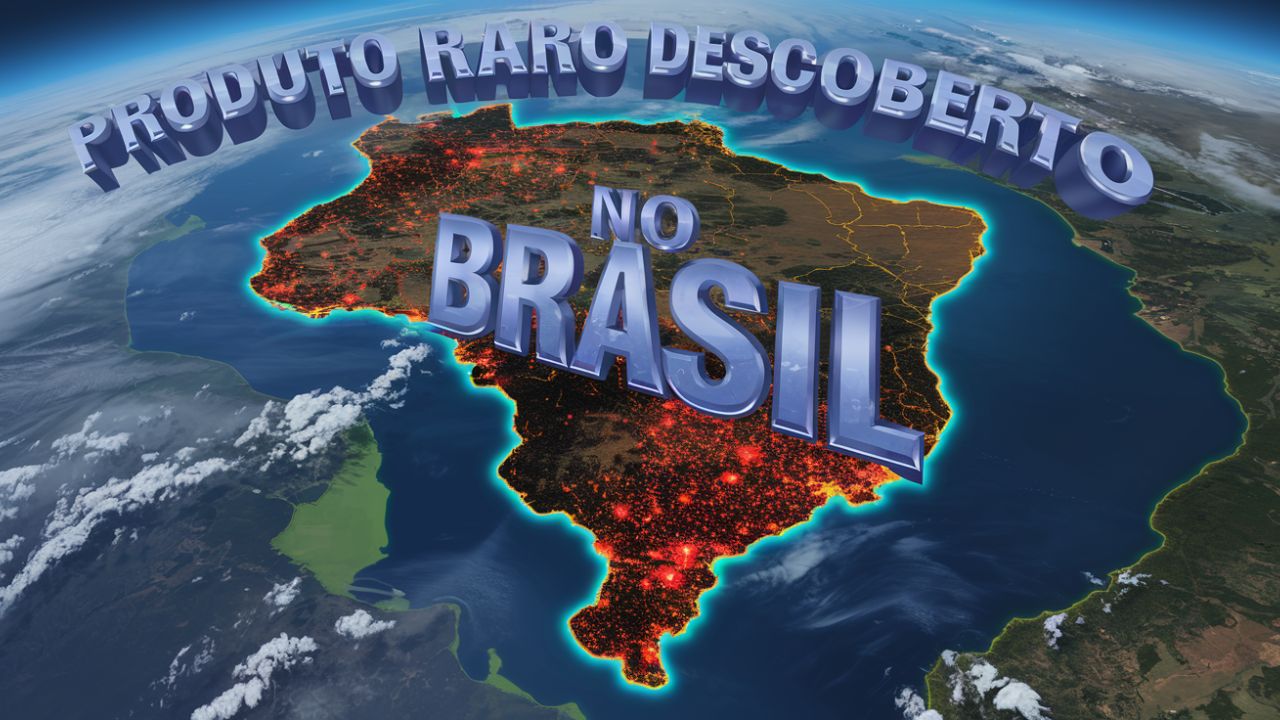


With the Third Largest Rare Earth Reserve in Brazil and Investments of R$ 1.5 Billion in Mining, the Country Can Dominate a Market Worth Trillions and Challenge the Chinese Monopoly!
Brazil’s Potential to Become a Global Power Thanks to a Valuable Mineral Resource. This May Be Closer to Reality Than One Might Think. The Country Has One of the Largest Rare Earth Reserves in Brazil, a Set of Essential Minerals for the Manufacturing of Electronics, Electric Motors, and Even Wind Turbines.
With Significant Deposits and Millions in Investments on the Way, Mining These Substances Can Transform the Brazilian Economy, Placing the Country at the Center of the Global Technological Revolution. But After All, What Makes These Earths So Valuable?
Why Are They So Valuable?
Rare Earths Are a Group of 17 Chemical Elements Essential for the Production of Electronic Devices, Batteries, and Even Electric Vehicles. Despite the Name, These Minerals Are Not Exactly Rare in the Earth’s Crust, but Their Extraction and Separation Are Complex and Costly.
-
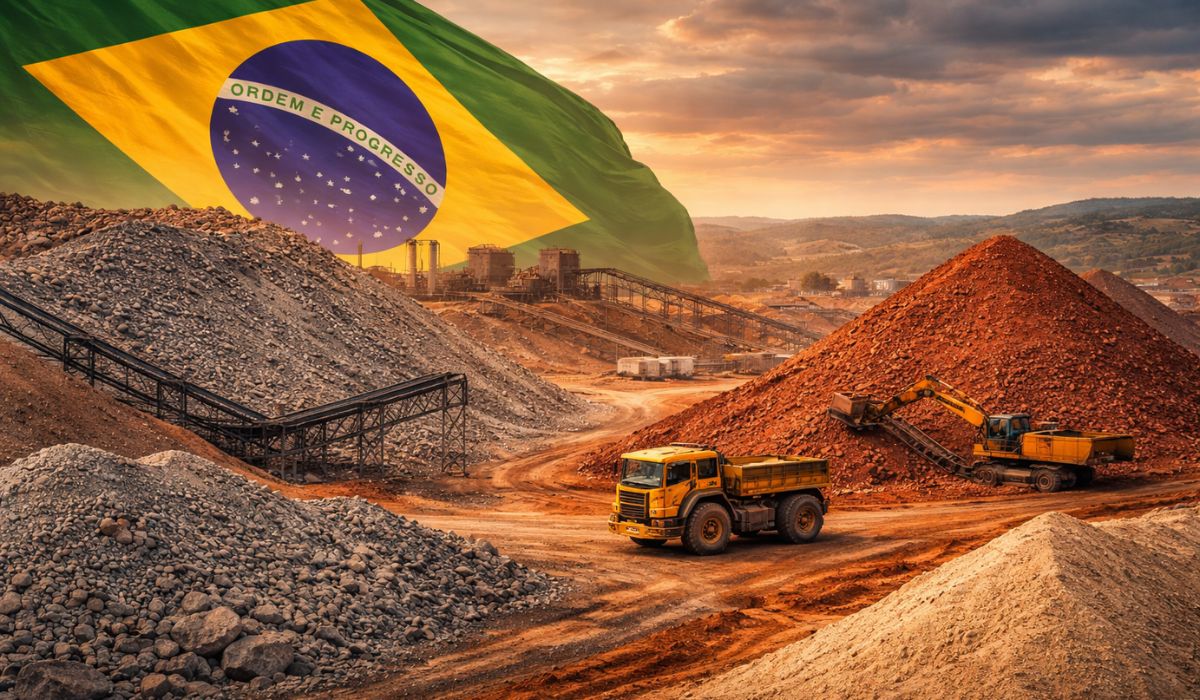
Brazil extracts 26.3 million tons of ore from what was previously treated as waste, transforming residues into wealth, producing over 3 million tons of sand, and demonstrating how national mining is relearning to generate value.
-
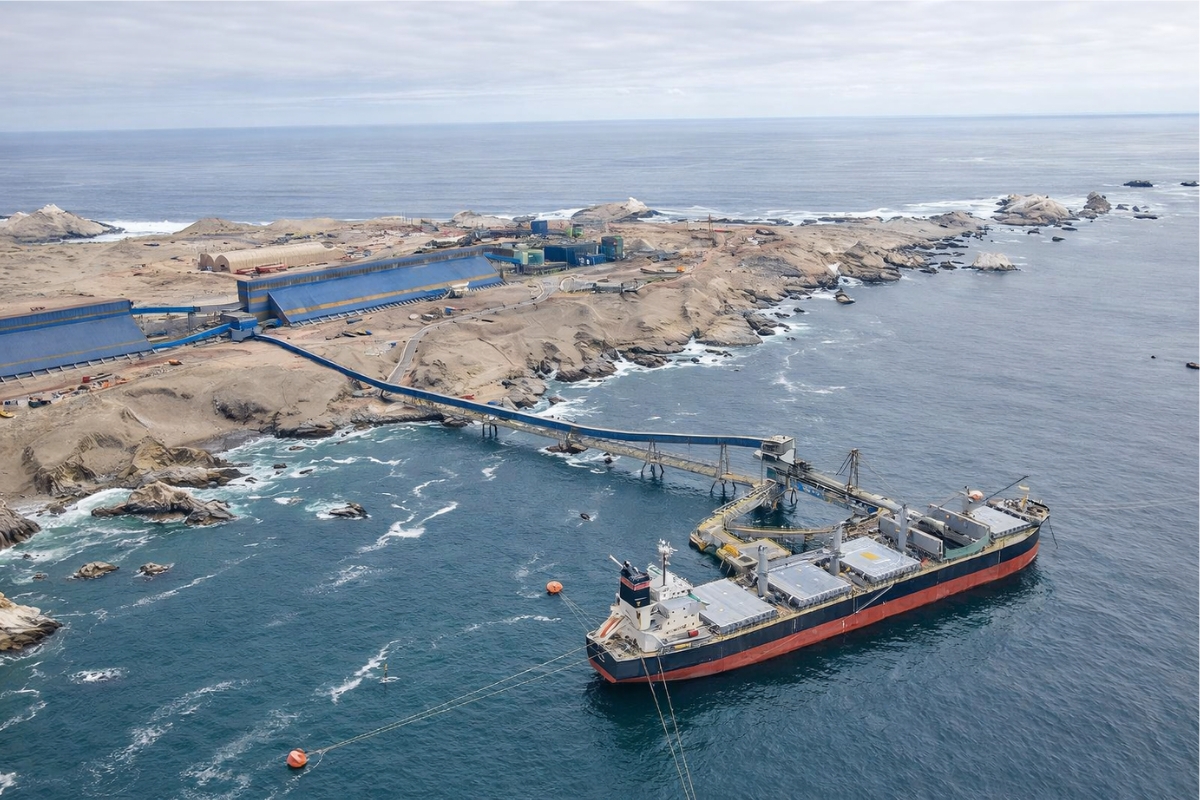
A $3.5 billion megaproject in Latin America pumps desalinated seawater at 1,050 liters per second over 194 km to keep a copper supermine in the Andes operational for another 20 years.
-
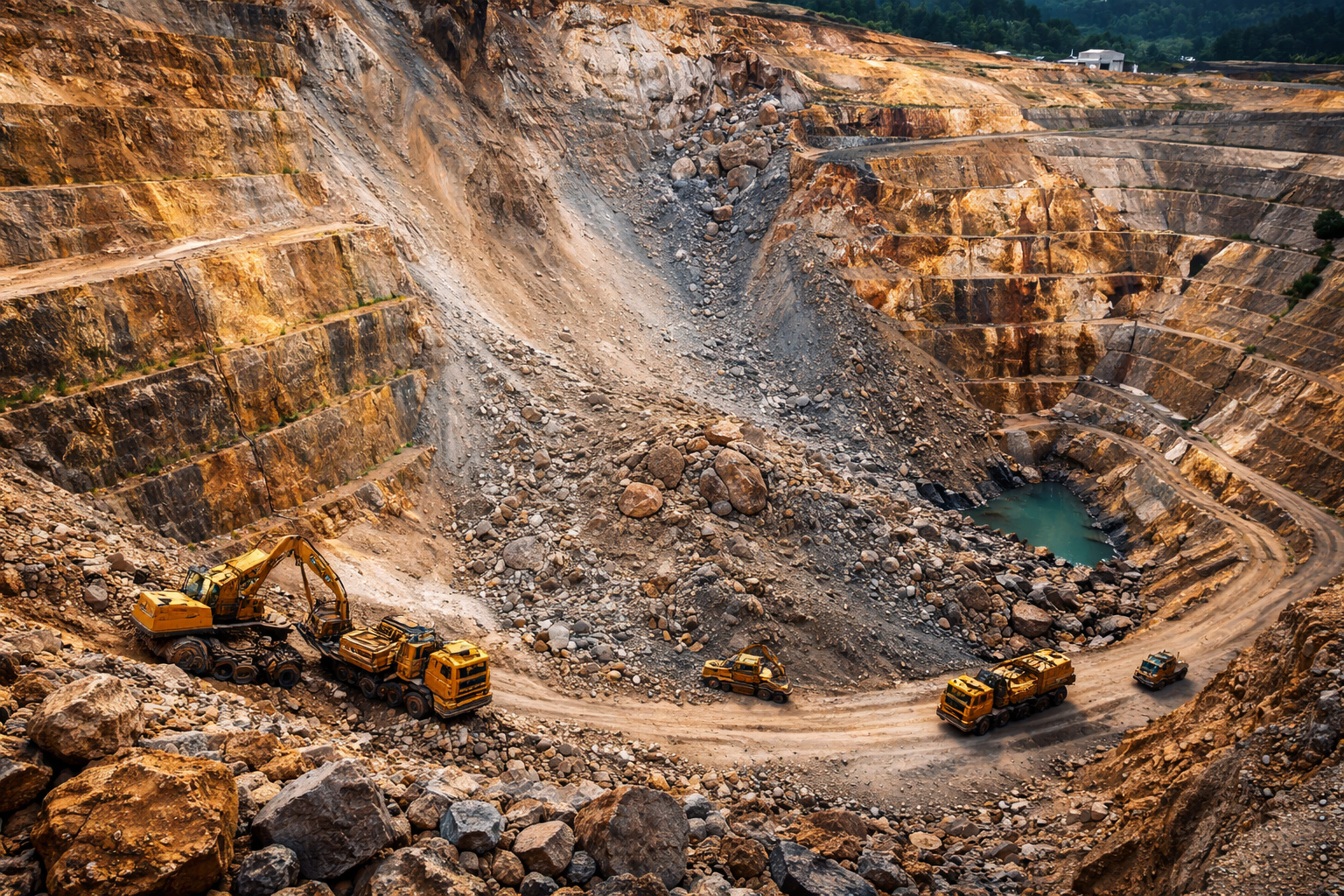
A hidden mine in the Andes valued at nearly R$ 1 trillion is starting to attract global attention, containing copper, gold, and silver, and raises an intriguing question: why do Argentina and Chile need to act together to exploit this gigantic wealth?
-
A silent discovery in the interior of Bahia could change the future of energy in Brazil: a uranium reserve in Lagoa Real has an estimated capacity to produce 400 tons per year and is already attracting the attention of energy sector specialists.
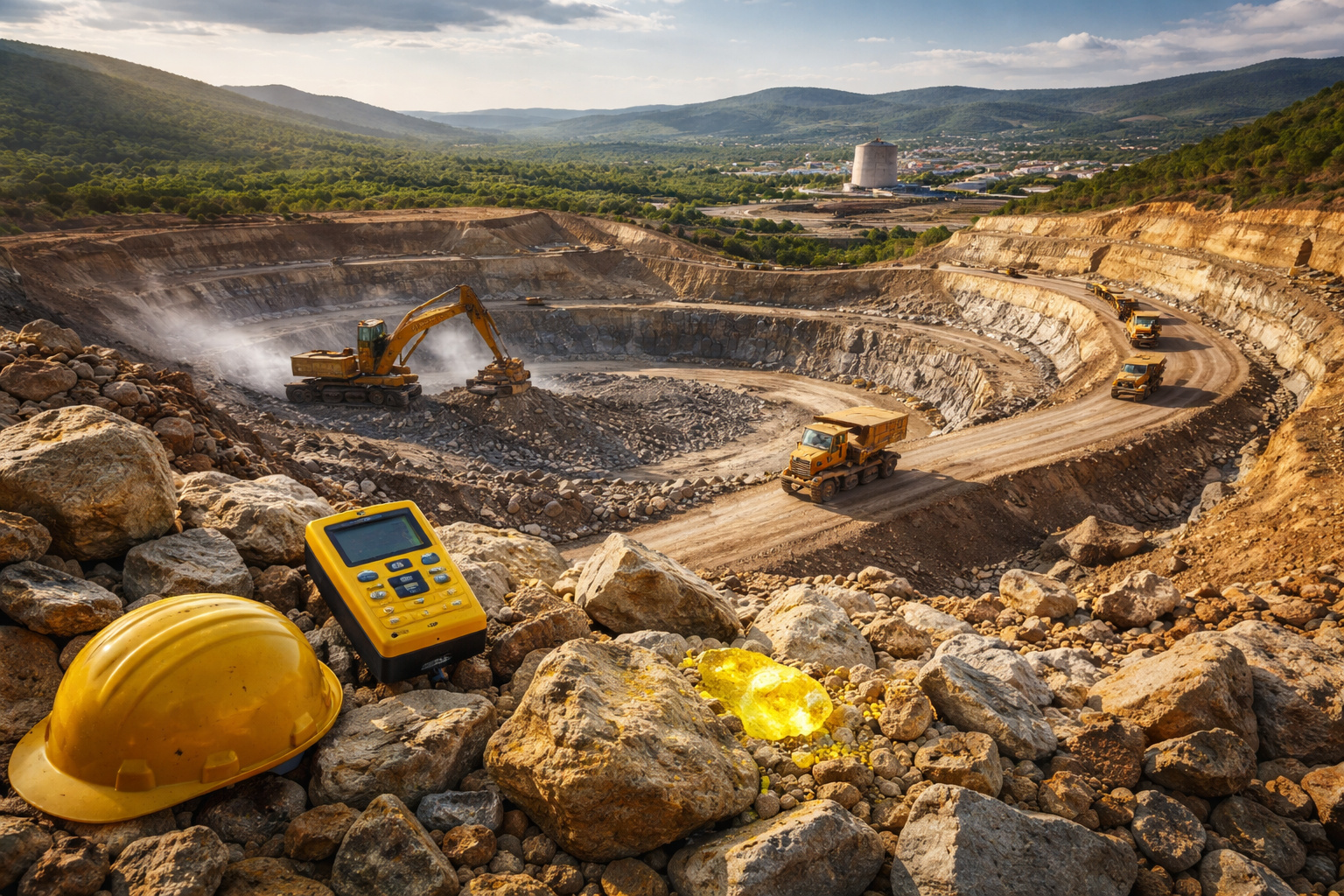

The Economic Value of Rare Earths Is Impressive. While Iron Ore, Widely Exported by Brazil, Has an Average Price of US$ 120 per Ton, Neodymium Oxide, One of the Most Coveted Elements, Can Exceed US$ 75,000 per Ton. In Other Words, We Are Talking About a Material That Can Yield Much More Than Traditional Commodities.
Rare Earth Reserves in Brazil
Brazil Occupies a Strategic Position in the Global Market for Rare Earths. The Country Has the Third Largest Reserve in the World, Alongside Russia, and Behind Only China and Vietnam. However, the Exploration of These Riches Is Still in Its Infancy.
Currently, Production Is Primarily Concentrated on the Extraction of Monazite in Buena, Rio de Janeiro. However, Areas Such as Araxá, Morro do Ferro, and Poços de Caldas Have Shown Huge Potential to Boost the Sector. Geological Studies Indicate That These Regions May Contain Substantial Deposits, Capable of Transforming Brazil into One of the Leading Global Players.
Opportunities and Challenges of Brazilian Exploration

The Recent Valuation of Rare Earths Has Attracted Robust Investments. One of the Most Promising Projects Is the Caldeira Project in Poços de Caldas, Which Plans to Invest R$ 1.5 Billion Over the Next Three Years. The Expectation Is to Create 500 Direct Jobs and 1,500 Indirect Jobs, Strengthening Both the Local and National Economy.
However, Extracting These Minerals Is Not Without Challenges. Unlike Iron Ore, Rare Earth Mining Requires Sophisticated Separation Processes and Strict Environmental Controls. Regulations and Investments in Sustainability Will Be Key for Brazil to Explore This Market Without Compromising the Environment.
Can Brazil Become a World Leader in Rare Earths?
Currently, China Dominates About 70% of Global Rare Earth Production. Countries Like Vietnam and Australia Have Also Made Progress in This Area. However, Demand for These Minerals Is Growing Exponentially Due to Advances in Technology and the Search for Renewable Energies.
Brazil Has a Golden Opportunity in Its Hands. If It Invests Correctly in Technology, Infrastructure, and Proper Regulation, It Can Become One of the Largest Producers Worldwide. With the Growing Trade Tension Between Powers Like China and the United States, New Suppliers Are Highly Strategic in the Global Market.






Que texto bem maluco😜, RIVALIZAR COM A CHINA, só se o Brasil fosse um país sério.
O Brasil sempre foi uma potência,o problema são os políticos corruptos,o povo que vive de pão e circo.
Excelente notícia… adorei. Agora é só ver se não seremos roubados como sempre.