





 Portuguese
  English
  Spanish
  3 min of reading
  0 comments


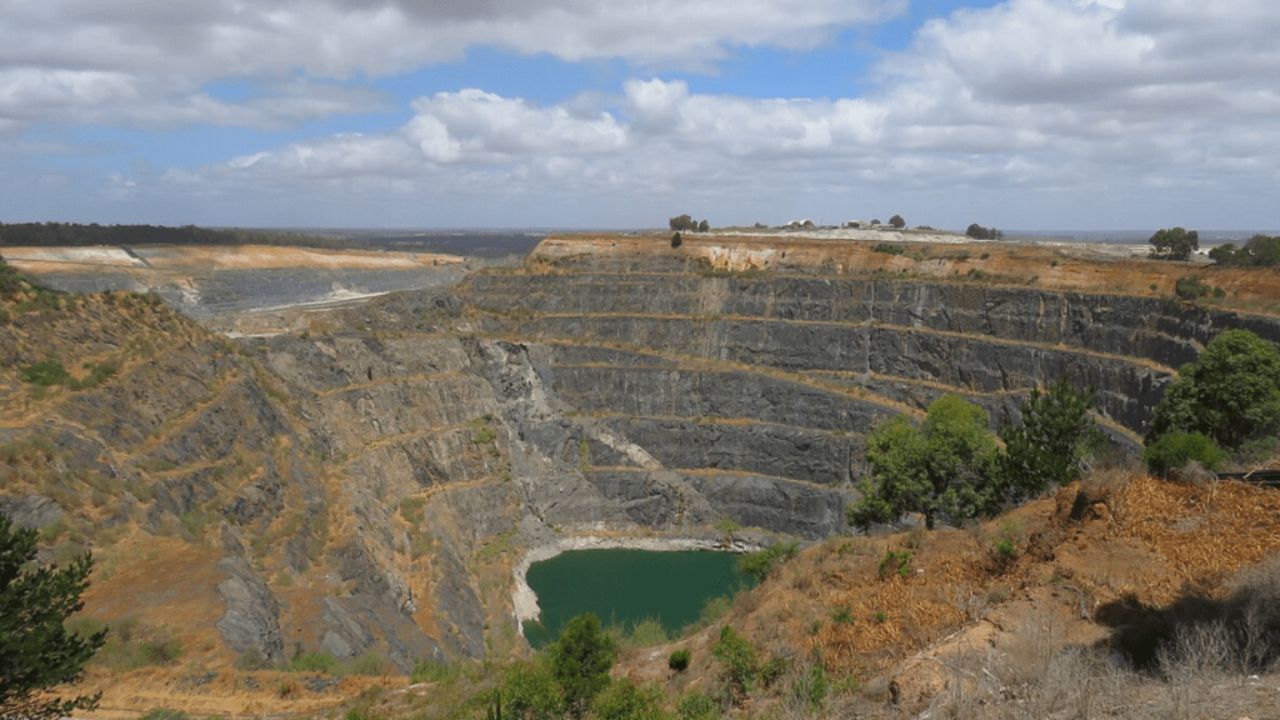
The Largest Reserve of the Century? China Discovers 30 Million Tons of Lithium in Tibet, Elevating Its Global Reserves to 16.5% and Threatening the Dominance of Countries Like Australia and Chile. The Impact Could Make Battery Prices Plummet and Boost the Green Energy Revolution, but the Environmental Challenges in the Tibetan Ecosystem Concern Experts.
Lithium is the “white gold” of the electrification era. It is present in the batteries of our smartphones, laptops, and, of course, electric cars. But what happens when a country discovers a massive reserve of this resource? China has just found a lithium deposit in Tibet so large that it could completely change the game.
This unexpected discovery not only solidifies China’s position in the green energy market but could also cause a significant drop in battery prices. However, like any major exploitation, it also raises environmental concerns. Let’s understand the impact of this “treasure” that China has found.
The Unexpected Lithium Giant

The race for lithium has gained a new champion. Until recently, China held about 6% of the global reserves of this essential mineral. With the discovery of the deposit in Tibet, this percentage has surged to an impressive 16.5%, making the country one of the key players in the global market.
-
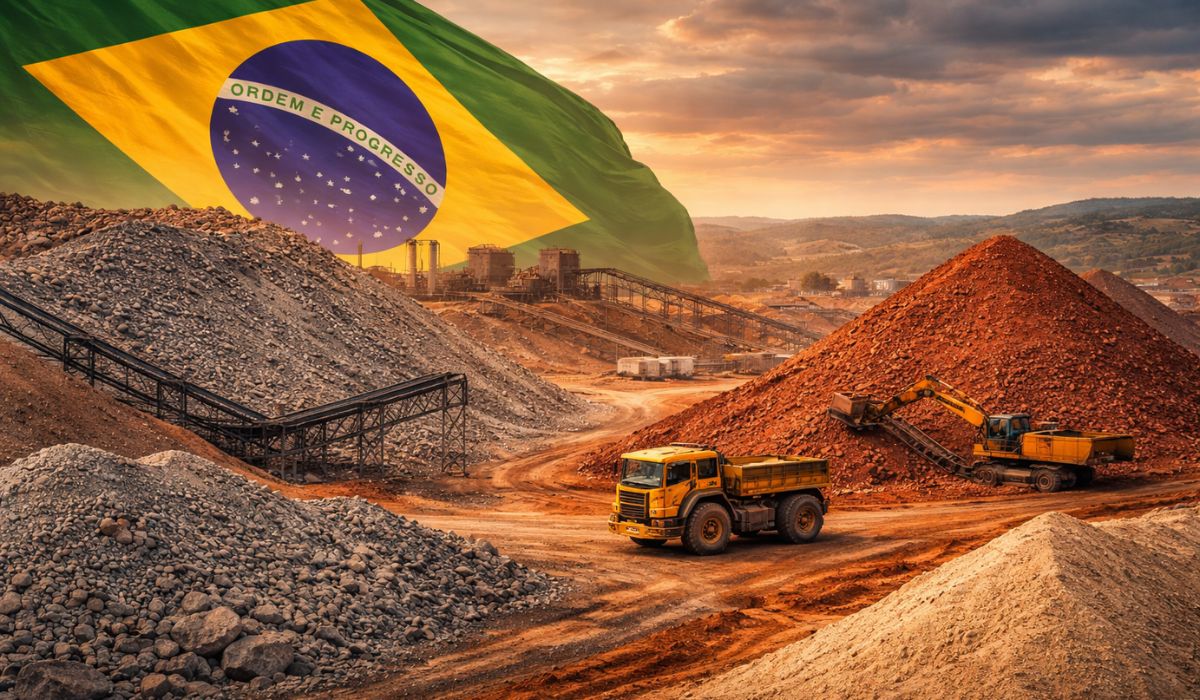
Brazil extracts 26.3 million tons of ore from what was previously treated as waste, transforming residues into wealth, producing over 3 million tons of sand, and demonstrating how national mining is relearning to generate value.
-
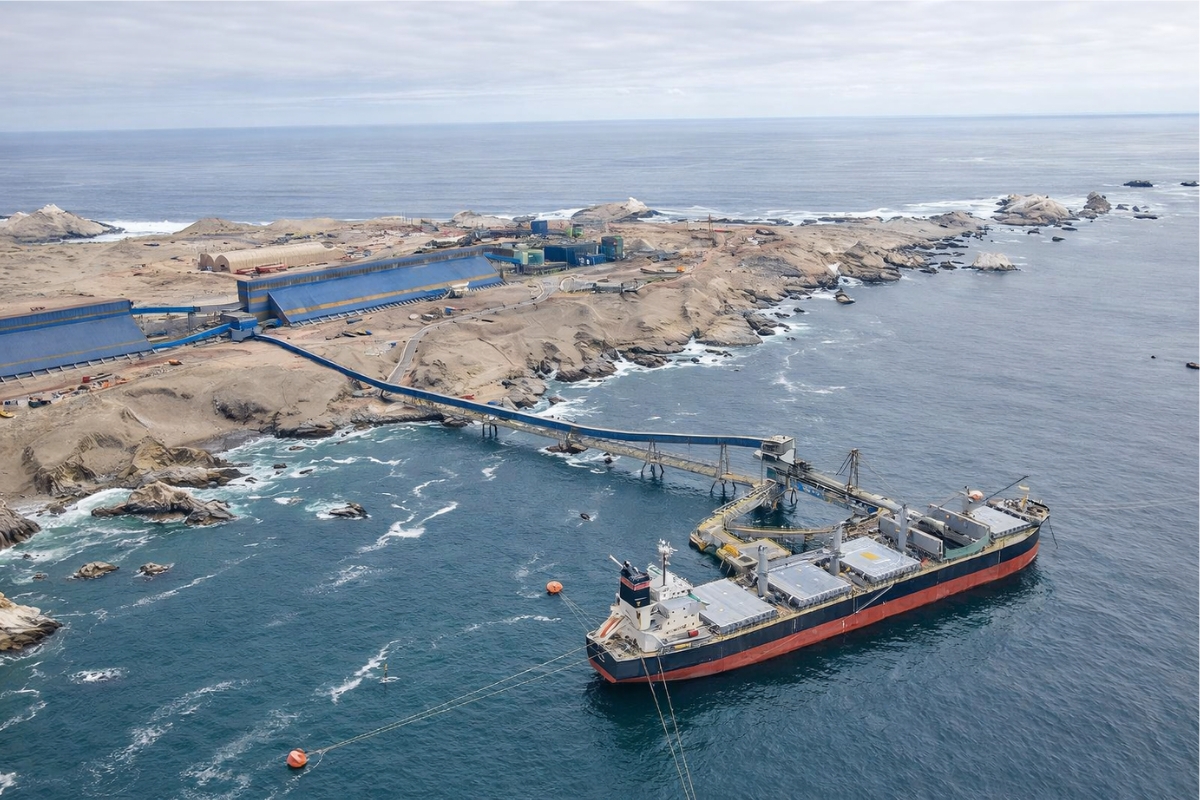
A $3.5 billion megaproject in Latin America pumps desalinated seawater at 1,050 liters per second over 194 km to keep a copper supermine in the Andes operational for another 20 years.
-
A hidden mine in the Andes valued at nearly R$ 1 trillion is starting to attract global attention, containing copper, gold, and silver, and raises an intriguing question: why do Argentina and Chile need to act together to exploit this gigantic wealth?
-
A silent discovery in the interior of Bahia could change the future of energy in Brazil: a uranium reserve in Lagoa Real has an estimated capacity to produce 400 tons per year and is already attracting the attention of energy sector specialists.
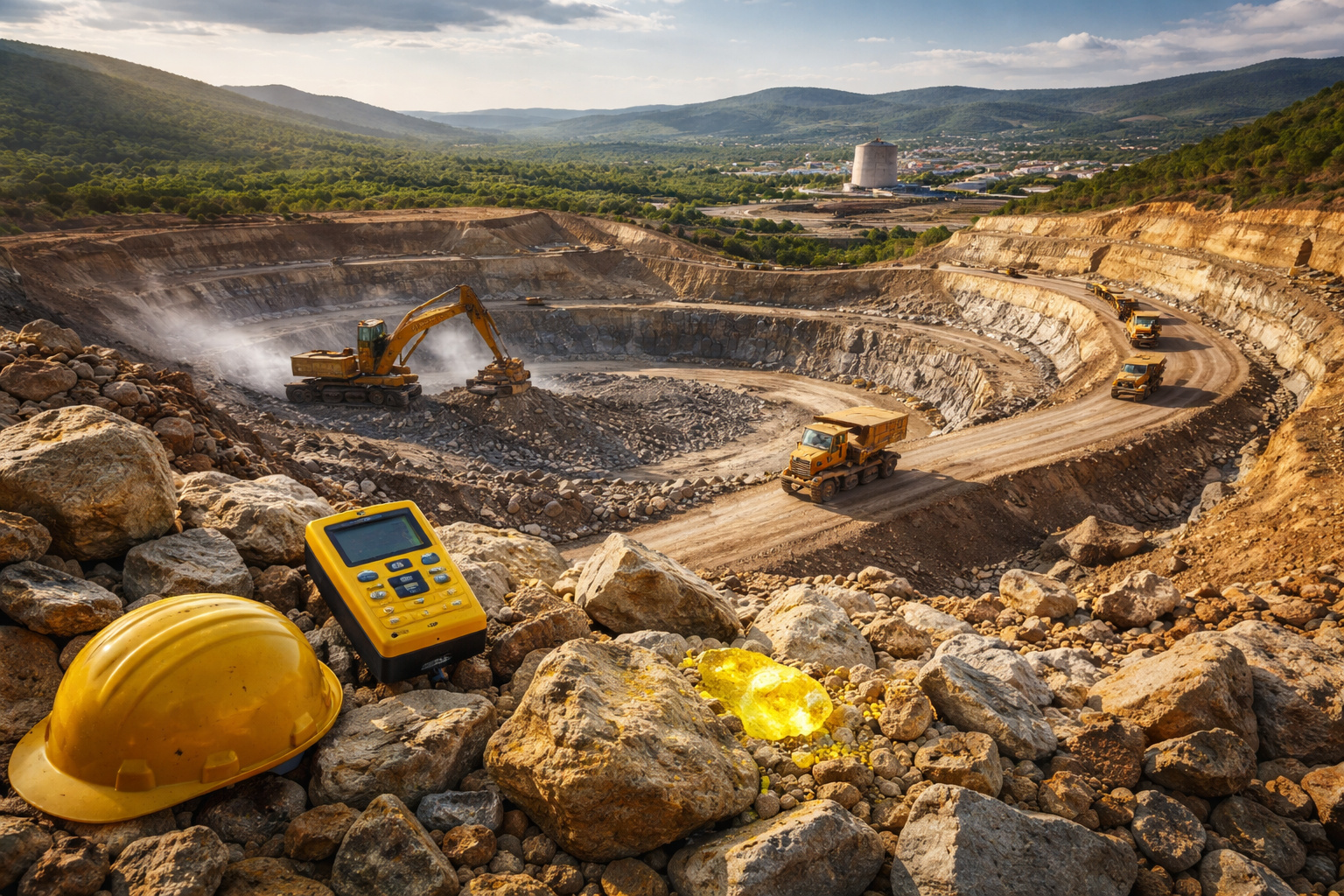
It is estimated that this reserve contains approximately 30 million tons of lithium, surpassing countries like Australia, Argentina, and Bolivia. With this, China becomes the second largest holder of reserves in the world, surpassed only by Chile. This new scenario allows the country to reduce its reliance on imports and strengthen its battery industry.
The Economic Impact of This Discovery for China
With this new mine, China positions itself as a major global supplier of lithium, which could have direct consequences for battery prices. So far, production costs have been gradually decreasing – in the last ten years, the price of lithium-ion batteries has dropped by 73%. With this discovery, this value could plummet even further.
It is estimated that the deposit has a commercial value of 600 billion euros, which should further stimulate the growth of the Chinese industry in technology and electric mobility. Additionally, this new reserve could attract significant investments in sustainable technologies, accelerating the global energy transition.
The Environmental Challenge of Lithium in Tibet
Not everything is good news. The extraction of lithium can have serious environmental impacts, and the location of the new reserve raises concerns. Tibet is a region with a fragile ecosystem, where any mining activity can directly affect biodiversity and water resources.
Lithium mining consumes large amounts of water, which can lead to shortages and affect local communities. China, which already faces criticism over environmental issues, will need to balance the economic benefits of this discovery with the need to preserve the Tibetan region.
A Turning Point in the Green Energy Revolution
This discovery comes at a crucial moment for the global energy transition. Lithium-ion batteries are essential for storing renewable energy and facilitating the expansion of electric cars and clean energy systems. With more lithium available, the world can accelerate this transition even further.
Now, the big question is: how will this new dynamic impact the global market? Will China dominate the battery production chain even more? And will prices fall drastically? It is still too early to predict everything, but one thing is certain: this discovery puts China at the center of the green energy revolution.









Seja o primeiro a reagir!