





 Portuguese
  English
  Spanish
  3 min of reading
  0 comments


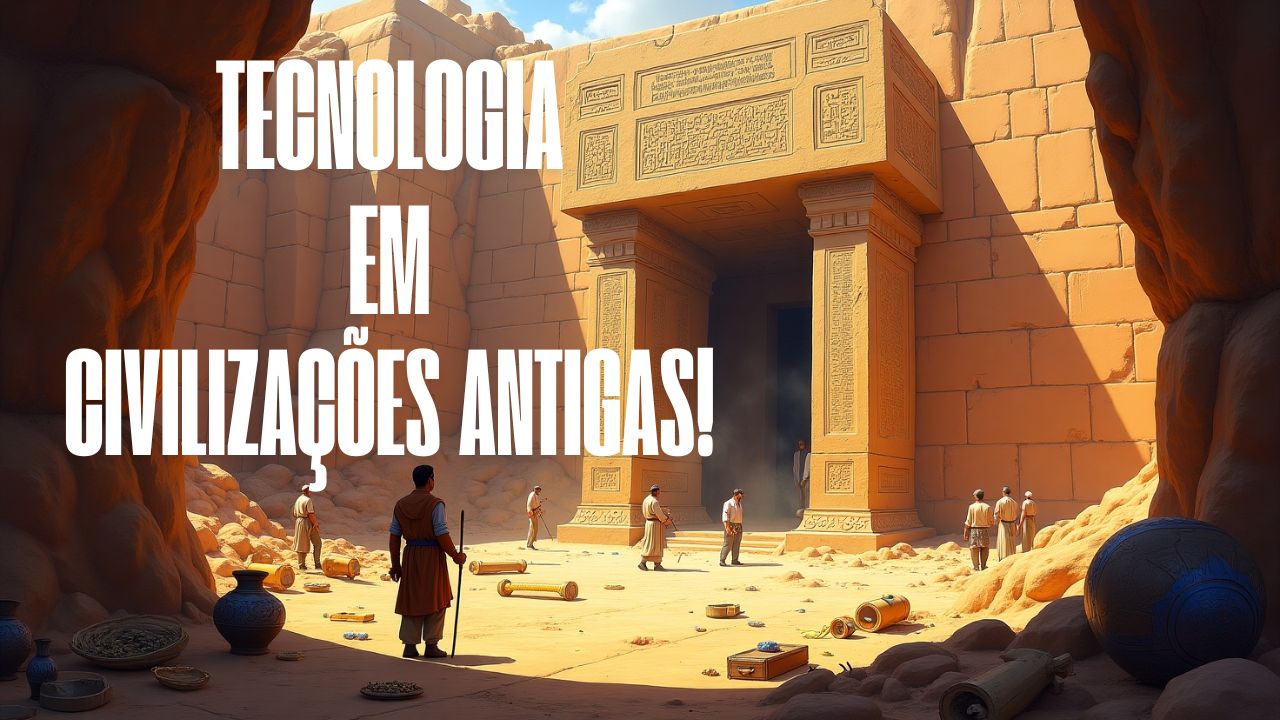
Recent Archaeological Discoveries In The State Of Tamil Nadu In Southern India Are Challenging Paradigms About The Iron Age And The Technological Evolution Of Ancient Civilizations. Evidence Suggests That The Mastery Of Metallurgy In The Region Was Much More Advanced Than Previously Thought, Indicating That Local Peoples Had Already Acquired Sophisticated Knowledge More Than 5,000 Years Ago.
With the confirmation of this discovery, the understanding of the transition of ancient societies to the use of iron may completely change, reconfiguring the theories accepted to this day. Tamil Nadu may have played a central role in the dissemination of metallurgical knowledge, positioning the region as one of the epicenters of technological development in antiquity.
Archaeological Discovery Challenges Paradigms About The Iron Age
Recent excavations revealed that the ancient inhabitants of Tamil Nadu already mastered iron casting techniques with a surprisingly high level of sophistication. Tools and remnants of metallurgical processes indicate that the region was already capable of reaching temperatures of approximately 1,400°C for iron casting. This feat required sophisticated furnaces and precise thermal control, something that was not previously associated with such ancient periods.
This discovery challenges the traditional narrative, which positioned other parts of the world, such as the Near East and Europe, as the pioneers in metallurgy. The findings indicate that southern India may have been an independent hub of innovation, rewriting the history of iron diffusion in the ancient world.
-
Seen from space, a colossal volcano nearly 5,000 meters high in Russia has released 1,600 km of smoke over the Pacific, forming “devil’s horns” of lava and revealing the brutal force of the Ring of Fire.

-
Expedition 501: Scientists drill into the ocean floor and discover a giant reserve of fresh water hidden beneath the sea, extracting nearly 50,000 liters and revealing an invisible system that could reshape the map of water scarcity.

-
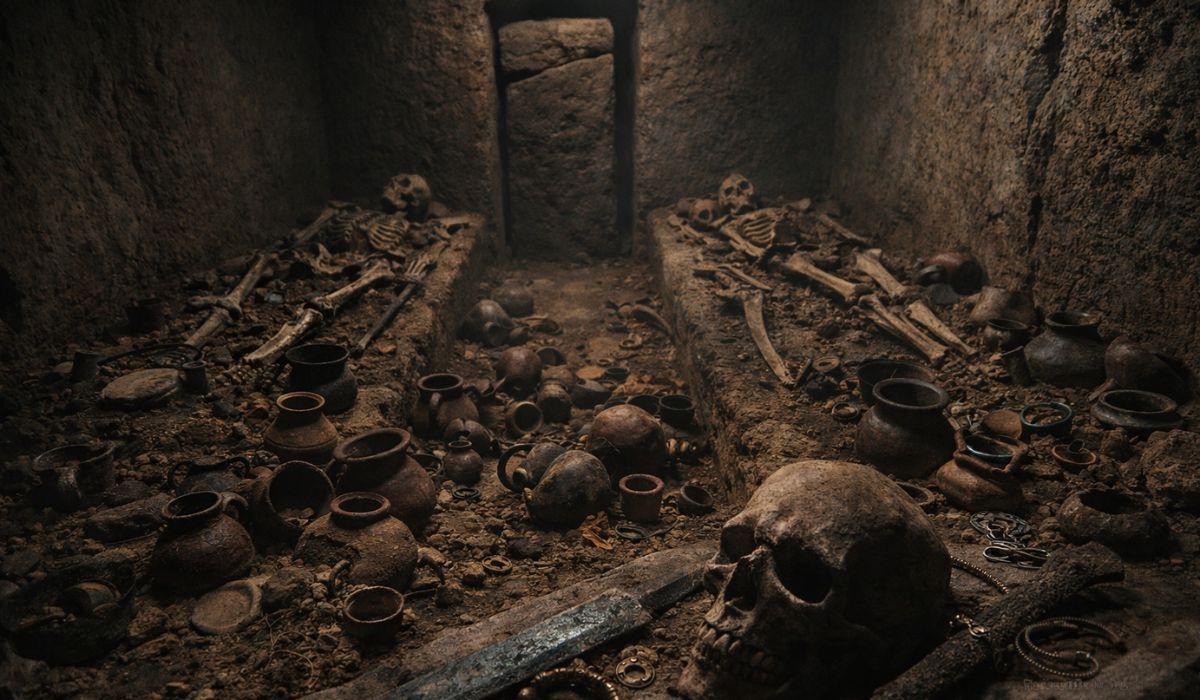
Archaeologists find an intact tomb over 2,500 years old, with more than 100 preserved objects, weapons, jewelry, and human remains never touched.
-
Volcanic lava transforms into threads as fine as human hair that travel over 30 kilometers by wind and fall like cutting rain on roofs and backyards in Hawaii and Iceland.


The Mastery Of Iron Casting More Than 5,000 Years Ago
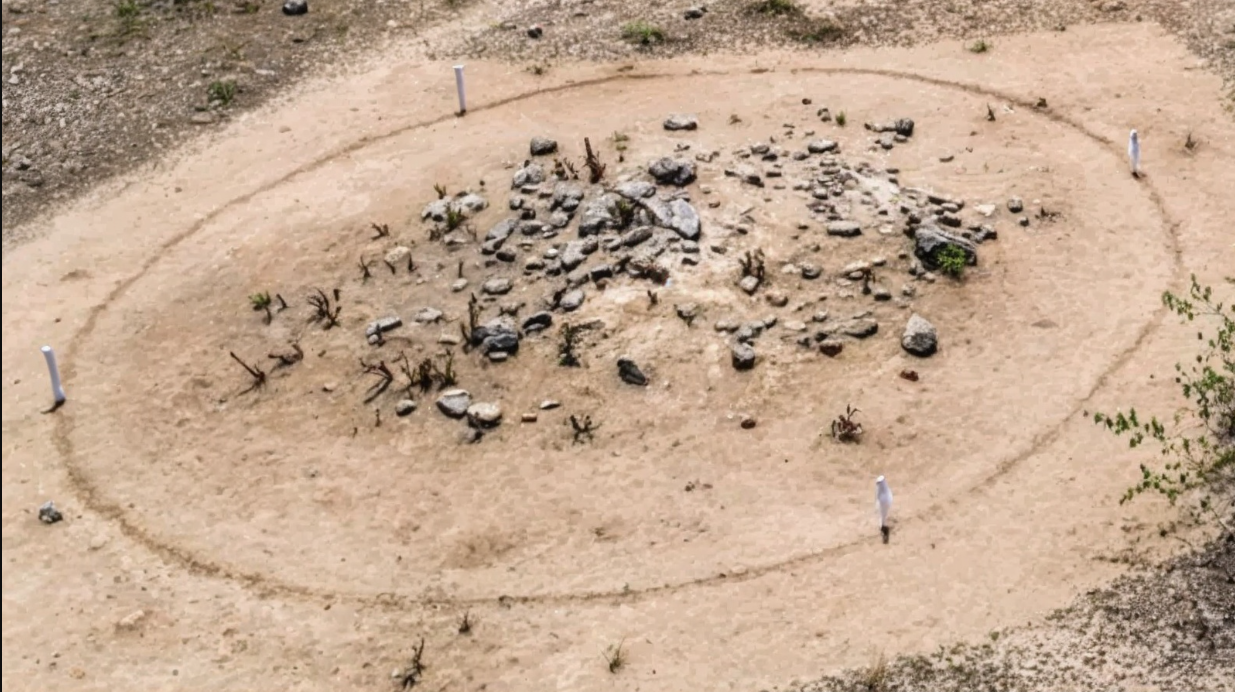
The discovery suggests that the peoples of Tamil Nadu had a well-structured production chain, with specialized workers and a high level of organization. This is because iron casting requires more than just technical knowledge: it involves the mining of ore, transportation, construction of furnaces, and manipulation of metal alloys for the production of tools and weapons.
If it is proven that this technology emerged in India before other regions, it will be necessary to deeply revise the understanding of the development of ancient societies. This knowledge may have spread to other parts of the world, challenging the idea that metallurgy expanded unidirectionally from the Middle East.
Tools And Weapons Reveal A Stratified Society
Besides the advanced technology, the discovery of iron tools and weapons indicates that the local society was highly structured. The use of iron in different objects points to the existence of distinct social groups, with well-defined functions.
- Artisans: Responsible For Iron Casting And Tool Manufacturing.
- Warriors: Possibly Equipped With More Efficient Iron Weapons.
- Administrative Elite: Evidence Suggests A Command Hierarchy, Organizing The Production And Distribution Of Resources.
This reinforces the idea that the transition between historical periods in India may have followed its own path, different from the dynamics observed in other parts of the world.
Impact On The Global Narrative Of Metallurgy
If the new discoveries are confirmed, the idea that metallurgy originated in the Middle East and spread to other regions may be contested. Tamil Nadu may have been an independent hub in the development of metallurgy, influencing other civilizations over time.
The new view suggests that technological innovation in antiquity was more decentralized than previously thought. Different civilizations may have independently developed mastery of iron without necessarily relying on the transmission of knowledge from a single point of origin.
These discoveries reinforce the hypothesis that Dravidian civilization, of which the Tamil language is one of the main legacies, was more sophisticated than previously believed before the arrival of Indo-Aryan peoples to the Indian subcontinent.






-

3 pessoas reagiram a isso.