





 Portuguese
  English
  Spanish
  2 min of reading
  0 comments



Discovery in Southern Iraq Reveals Evidence of an Agricultural System Linked to the Zanj Revolt, One of the Largest Uprisings of Enslaved People in History
Researchers have uncovered evidence of an ancient irrigation system in southern Iraq that may be linked to one of the largest rebellions of enslaved people in history. The structure, near the city of Basra, covers about 800 km² and was essential for the agriculture of the region more than a thousand years ago.
Between the years 869 and 883, enslaved Africans known as Zanj revolted against the Abbasid Caliphate. The uprising occurred in a context of intense exploitation, with reports of up to 500 workers being monitored during the construction of canals and the movement of large amounts of earth.
The researchers analyzed around 7,000 land ridges still visible in the landscape. The origin of these elevations was known, but their exact dating remained a mystery.
-
A new phenomenon of contactless magnetic friction intrigues scientists and questions a theory that has been valid since the 17th century.

-
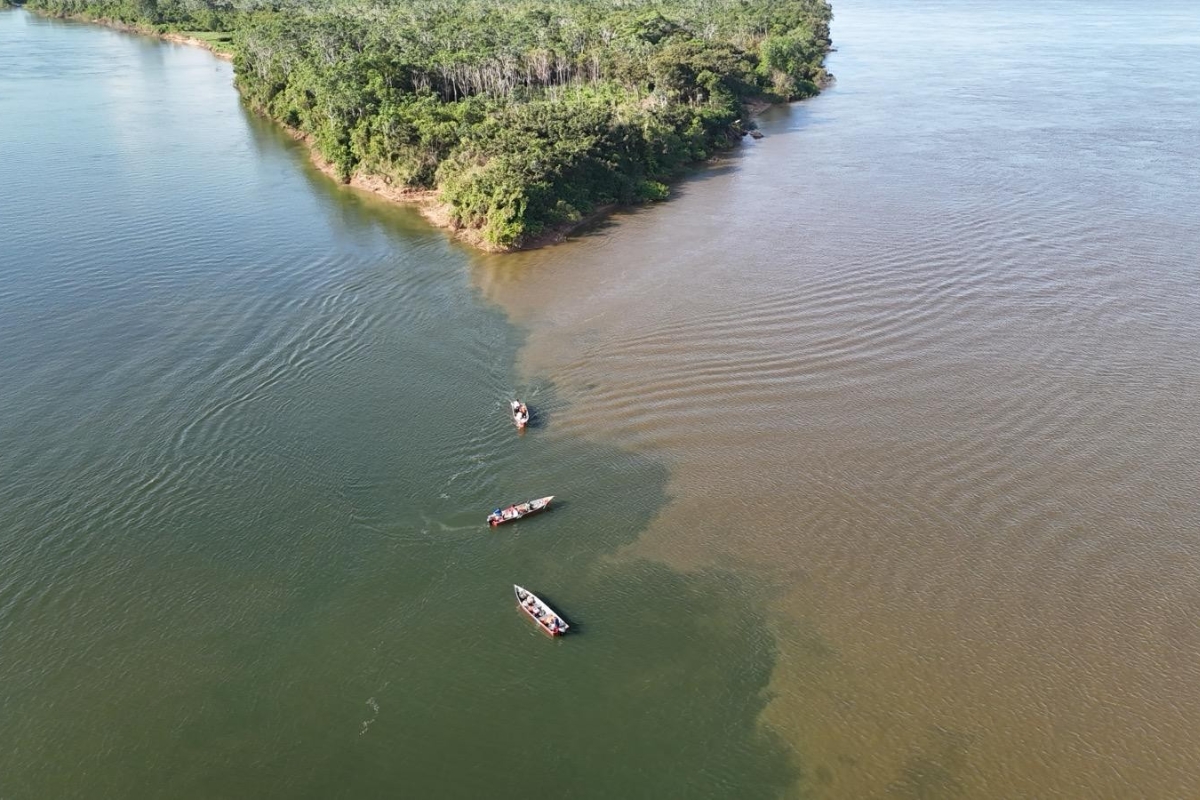
An impressive phenomenon in Northern Brazil causes rivers of different colors to flow side by side, revealing secrets about sediments, currents, and biodiversity.
-
While many schools are still struggling with the basics, a teacher in China went viral for having elementary school students build a two-stage rocket using plastic bottles, water, and pressurized air in a science class that caught the attention of the entire world.

-
10 million robots per year in unprecedented industrial scale place China at the forefront of automated production and raise the question of how far machines can manufacture other machines.


Using optically stimulated luminescence (OSL) technique, scientists were able to determine the age of soil samples taken from four ridges.
The study concluded that the structures were built between the late 9th century and the mid-13th century. According to the authors, part of this work may have been carried out by the rebels themselves.
This hypothesis reinforces historical accounts that the Zanj were forced to perform exhausting tasks, such as digging canals, stacking the removed earth, and removing accumulated sludge.
Peter J. Brown, the archaeologist who led the research, states that the working conditions were extremely difficult. Medieval sources suggest that the construction of the canals required constant effort and supervision over the workers.
The activity in the irrigation system continued even after the Zanj revolt. However, it remains unclear whether the workers in the later phase were enslaved or free peasants. The system was abandoned around 1258, possibly after the Mongol invasion that destroyed Baghdad.
For experts, the discovery challenges the idea that the use of enslaved Africans in agriculture had ceased with the rebellion, which may spark new discussions about slavery in the Middle East.
With information from Revista Fórum.






Seja o primeiro a reagir!