





 English
  Francês
  Alemão
  Italiano
  Japonês
  Norueguês
  Portuguese
  Spanish
 3 min of reading
  0 comments


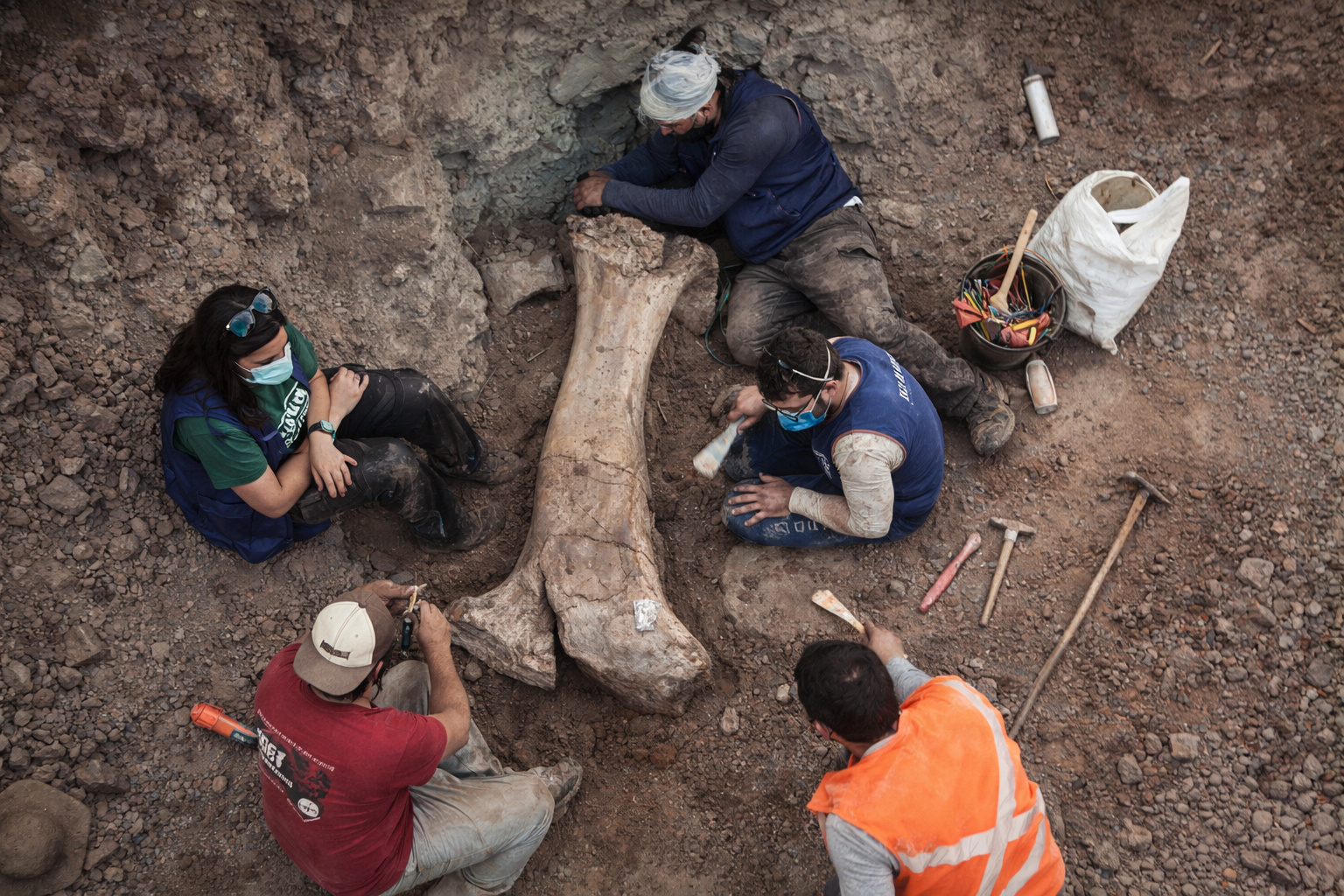
Fossil Found In 2021 In Maranhão Helps Explain How Continents Were Connected Before The Opening Of The Atlantic Ocean
A discovery in Maranhão is helping scientists reconstruct the map of the Earth as it existed over 120 million years ago. Although the find involves fossilized remains of a large prehistoric vertebrate, the most relevant impact lies not in the size of the specimen but in what it reveals about ancient continental connections.
The information was released by “Reuters,” based on a study published this month in the Journal of Systematic Palaeontology. The research was led by Elver Mayer from the Federal University of the Vale do São Francisco, and included the participation of researchers from different Brazilian institutions, including the Federal University of Santa Maria (UFSM).
The fossils were found in 2021 during infrastructure works near Davinópolis, Maranhão. Since then, detailed analyses have been conducted to understand the paleogeographic significance of the discovery.
-
Seen from space, a colossal ‘Y’ cuts through the largest desert in China, blending a jade-filled river, red and white mountains, and revealing the absurd scale of the transformation of the Taklamakan surrounded by a green wall with billions of trees.

-
The Pacific Ocean reveals what the cliffs of Big Sur have hidden for millennia: Pfeiffer Beach, in California, features swirling purple sand formed by garnet crystals and displays a stone arch that is illuminated by the sun in winter for just a few days each year.

-
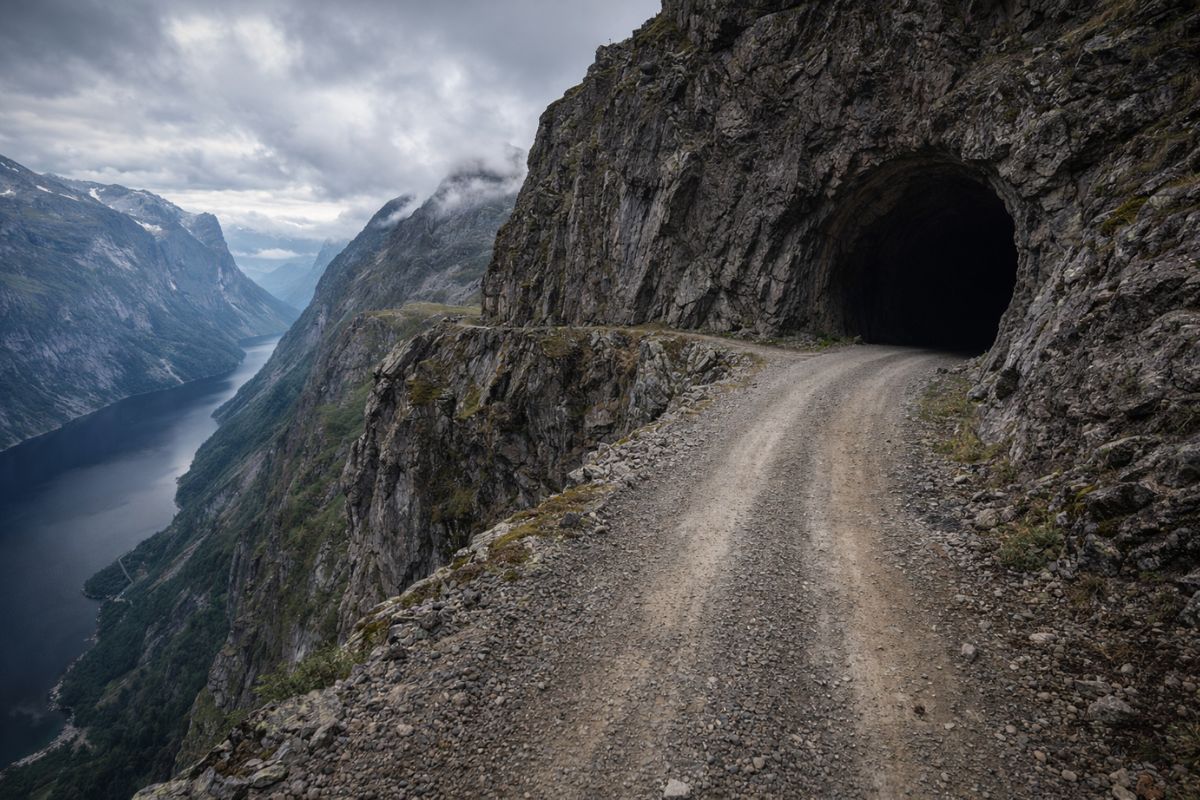
Aursjøvegen in Norway is a 100-kilometer gravel road that crosses chasms and dark tunnels carved into the rock at an altitude of 947 meters in the fjords and is only open for four months a year.
-
With about 4,000 m², the building constructed in a traditional neighborhood in France looks like a rainbow, has a colorful facade, mixes vibrant glass, and creates one of the most unusual visuals in Bordeaux.


Among the recovered materials, a femur approximately 1.5 meters long caught the researchers’ attention. Based on this element, scientists estimated that the specimen could reach approximately 20 meters in total length.
However, more important than the estimated size is the evolutionary relationship identified by the specialists.
Relationship With Species Described In Spain Points To Ancient Land Route
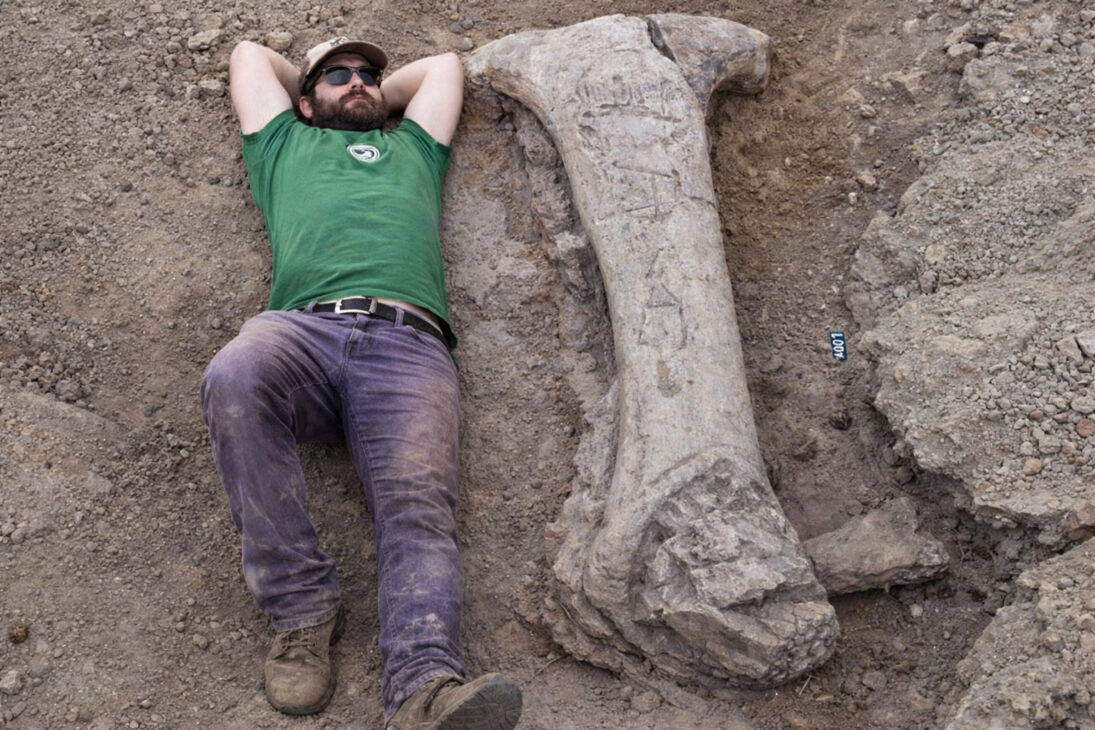
The comparative analysis indicated that the Brazilian specimen is the known closest relative of Garumbatitan morellensis, a species described in Spain.
This data is crucial. This is because the phylogenetic proximity suggests that the lineage of the group may have had European origins. Therefore, ancestors would have dispersed to the region now corresponding to South America about 130 million years ago.
According to the Federal University of Santa Maria, this displacement likely occurred via northern Africa. At that time, before the complete opening of the Atlantic Ocean, there were still land connections between South America, Africa, and Europe.
Additionally, Reuters highlighted that geological evidence indicates that parts of South America, Africa, and Europe were connected by land routes around 120 million years ago.
Thus, the find reinforces scientific models that describe the process of fragmentation of the supercontinent Gondwana and the subsequent formation of the Atlantic Ocean.
Paleontological Evidence Strengthens Studies On The Separation Of Continents
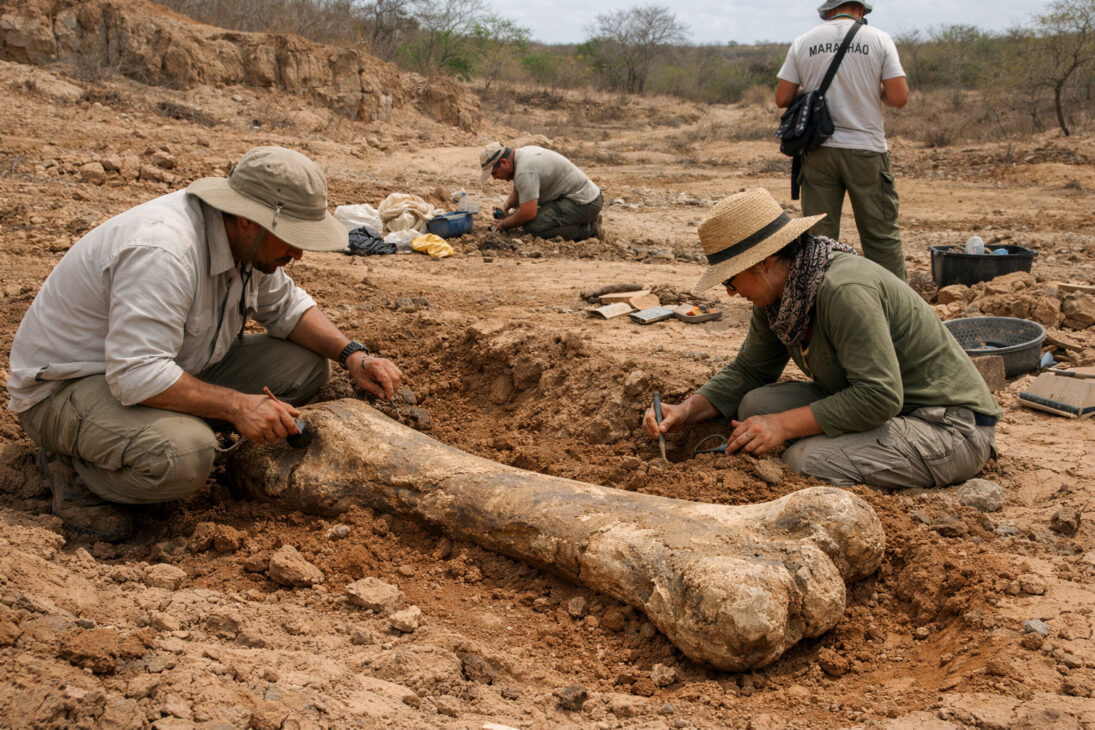
The study, published in the Journal of Systematic Palaeontology, does not limit itself to the anatomical description of the material found. On the contrary, it contributes to the understanding of continental dynamics during the Cretaceous period.
By identifying structural similarities between the Brazilian fossil and the material described in Spain, the researchers reinforce the hypothesis of biogeographical exchange before the definitive separation of the continents.
Consequently, the record found in Maranhão becomes part of a body of evidence supporting the existence of land corridors between continental masses now isolated by the Atlantic.
Furthermore, the name given to the specimen, Dasosaurus tocantinensis, refers to the region where the fossils were located, including the Tocantins River, whose eastern banks are close to the fossil site.
Therefore, more than representing a large record—estimated to be about 20 meters long—the discovery broadens scientific understanding of the connections between South America, Africa, and Europe around 130 million years ago.
Thus, the find reinforces the importance of Brazilian territory for global paleontology and for studies on the geological evolution of the planet.









-

-

2 pessoas reagiram a isso.