





 Português
  Inglês
  Espanhol
  5 min de leitura
  1 comentário


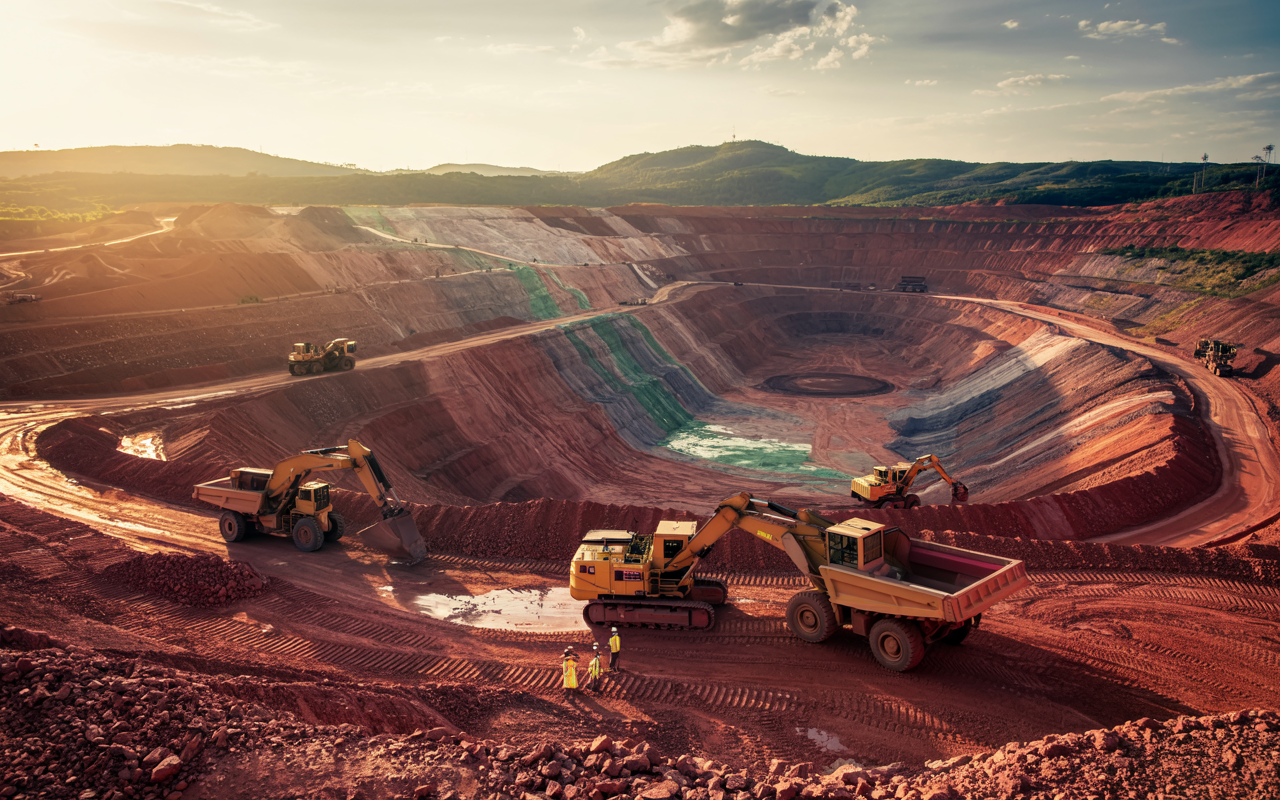


Discover How Mining in Brazil Is Driving the Extraction of “Green Metallic Gold” — Essential Minerals for Electric Cars. Learn About the Impact of Rare Earths in Brazil and the Future of Strategic Resources in the Global Industry
A new wave of mineral discoveries in the Brazilian subsoil is attracting the attention of large international mining companies. With promising deposits of niobium, graphene, and rare earth elements, the country is positioning itself as a global leader in one of the most strategic sectors today: the production of minerals for electric vehicles. These elements, essential for the energy and digital transition, have been referred to by experts and international media as green metallic gold — given their economic and technological relevance.
With the advancement of the electrification of the global fleet and the growth of sectors such as renewable energy and microelectronics, the demand for these minerals is rapidly expanding. And Brazil, thanks to its immense reserves and production capacity, can play a central role in this transformation.
Mining in Brazil Strengthens Global Position with Niobium
Among all the strategic elements identified, niobium is what truly highlights Brazil on the international stage. The country holds more than 95% of the known reserves on the planet and is responsible for up to 98% of global production. The main extraction hubs are located in Araxá (MG), operated by CBMM, and in Catalão (GO), under the command of CMOC International Brasil.
-
Brazil extracts 26.3 million tons of ore from what was previously treated as waste, transforming residues into wealth, producing over 3 million tons of sand, and demonstrating how national mining is relearning to generate value.
-
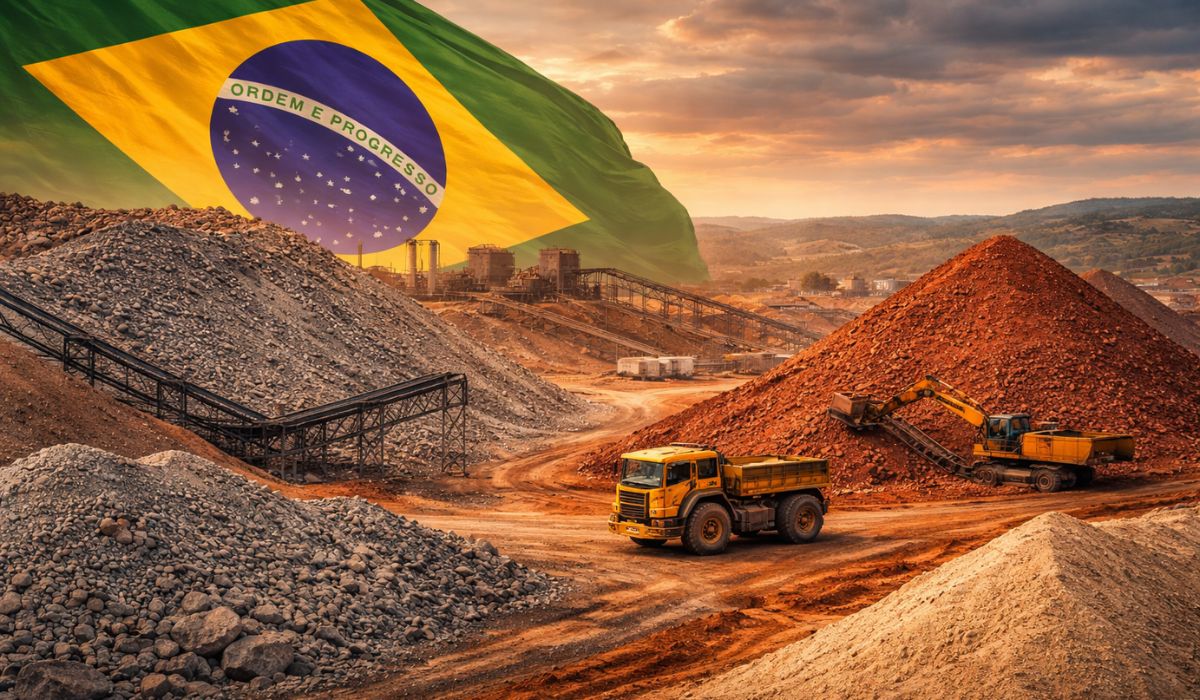
A $3.5 billion megaproject in Latin America pumps desalinated seawater at 1,050 liters per second over 194 km to keep a copper supermine in the Andes operational for another 20 years.
-
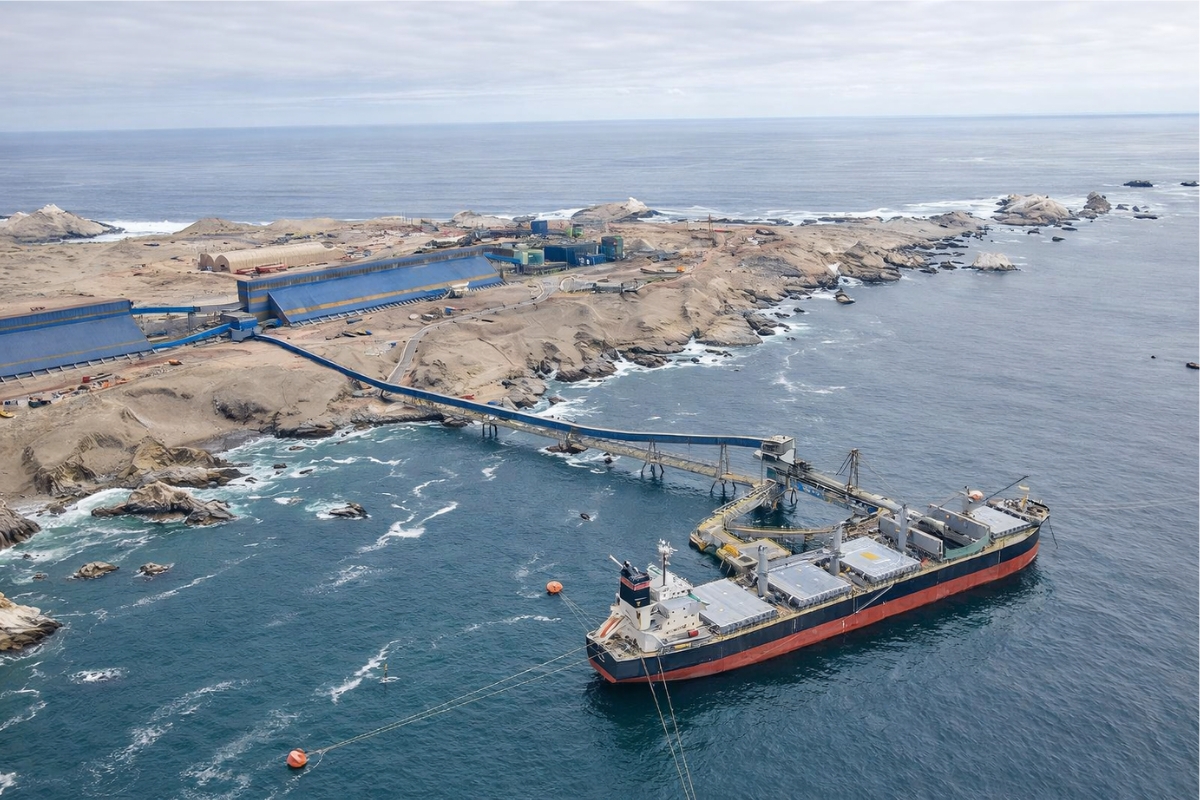
A hidden mine in the Andes valued at nearly R$ 1 trillion is starting to attract global attention, containing copper, gold, and silver, and raises an intriguing question: why do Argentina and Chile need to act together to exploit this gigantic wealth?
-
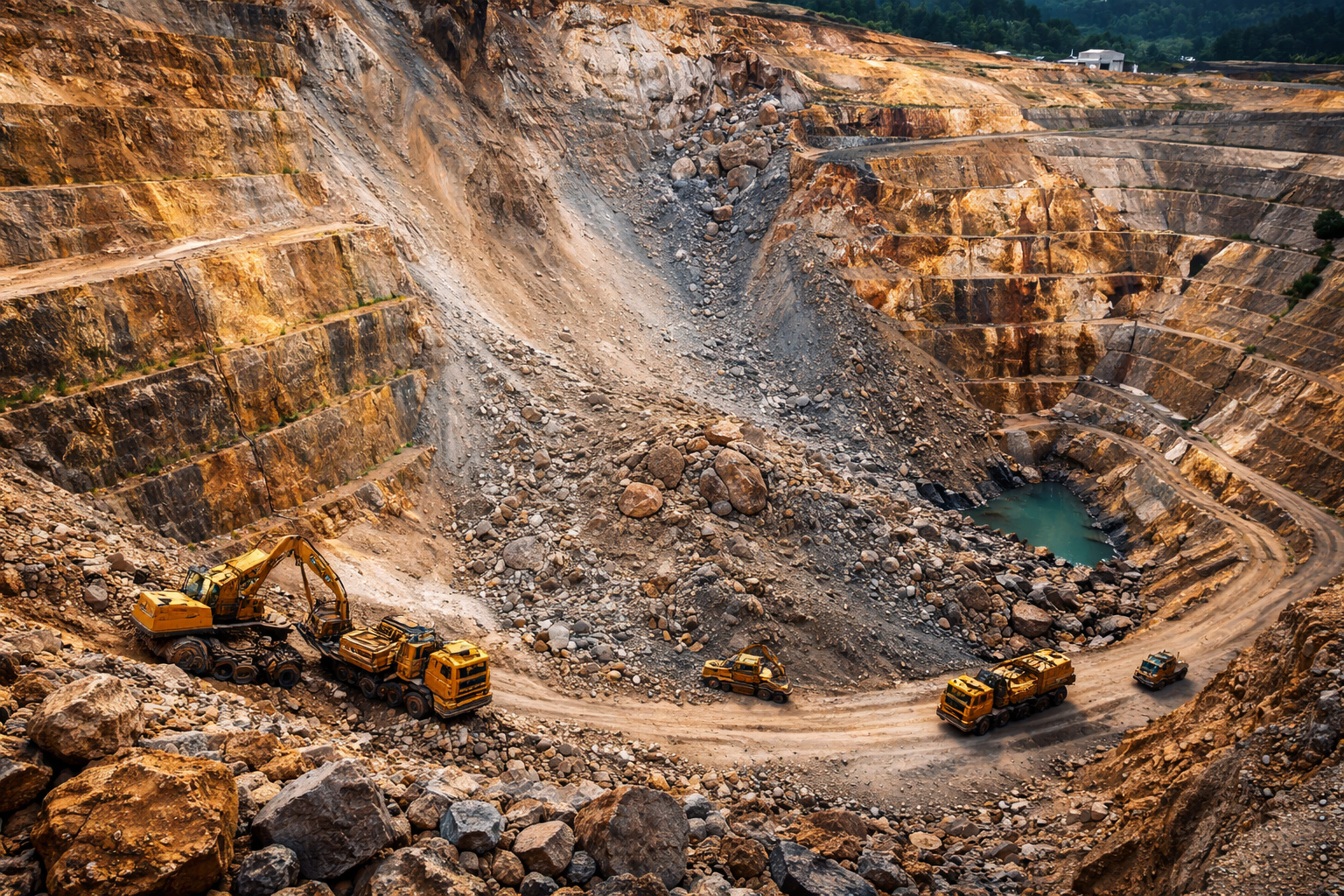
A silent discovery in the interior of Bahia could change the future of energy in Brazil: a uranium reserve in Lagoa Real has an estimated capacity to produce 400 tons per year and is already attracting the attention of energy sector specialists.
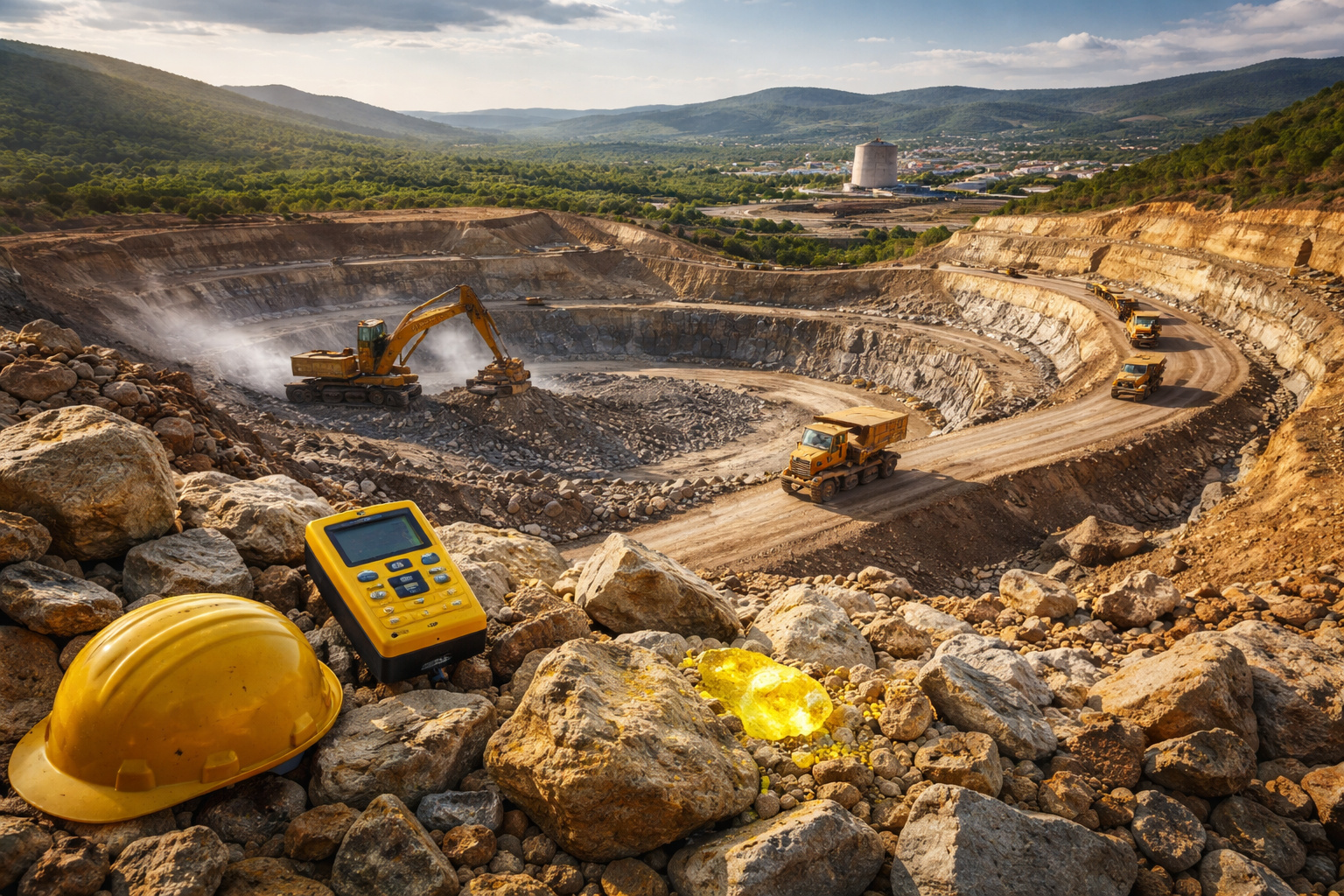

The versatility of the element is one of the main reasons for its value: it is used to strengthen metal alloys, increase the durability and lightness of industrial structures, and increasingly improve the performance of batteries and superconductors applied in electric mobility.
According to estimates from the International Energy Agency, electric vehicles consume up to six times more minerals than combustion cars. Therefore, niobium emerges as a vital component not only for manufacturing more efficient batteries but also for strengthening engines, axles, and structural systems.
Applications of Green Gold in Batteries and Electric Vehicles
The main application bet for niobium in electrification lies in lithium niobate batteries. Unlike conventional batteries, these versions are more thermally stable, durable, and safe.
Moreover, these batteries charge faster — a competitive advantage for electric and plug-in hybrid vehicles. Alongside graphene, niobium plays a complementary role: while graphene improves conductivity, niobium ensures stability and efficiency.
This set of properties turns the element into true green gold: its application goes beyond cars, reaching wind turbines, airplanes, high-speed trains, and even advanced medical equipment. The constant appreciation in the international market reflects this potential for cross-cutting and high-value-added applications.
Potential of Graphene in Minerals for Electric Vehicles
Graphene, a structure derived from carbon, is another highlight in research on minerals for electric vehicles. With properties such as high electrical conductivity, flexibility, lightness, and mechanical resistance, it has been explored in various technological fronts.
In Brazil, states such as Minas Gerais, Ceará, Bahia, and Paraná have significant reserves of natural graphite — the raw material for graphene. Research at public universities and innovation centers has been testing the material in applications ranging from sensors to batteries, as well as electronic devices and flexible screens.
When applied together with niobium, graphene can enable ultraconducting batteries capable of charging in minutes and lasting for thousands of cycles. This advancement could be pivotal in making electric cars more viable and accessible on a large scale. And Brazil, with its resource base and scientific expertise, can lead this new technological frontier.
Wealth in Rare Earths in Brazil Attracts International Attention
In addition to niobium and graphene, the country also has promising reserves of rare earths — a group of essential elements for the manufacturing of permanent magnets, electric traction motors, wind turbines, solar panels, and high-technology equipment.
Studies from the Geological Survey of Brazil indicate the existence of important deposits in states like Goiás, Minas Gerais, Amazonas, and Pará. One of the most advanced projects is Serra Verde, in Minaçu (GO), with an estimated production capacity of 5,000 tons per year of mixed oxides, particularly focusing on neodymium and praseodymium.
Although it still does not have a production scale comparable to China — which dominates the global market — Brazil has the conditions to become a reliable and solid alternative. With the growing concern of European and North American countries to diversify their suppliers, Brazil appears as a strategic option for the supply of rare earths in Brazil.
Challenges of Mining in Brazil and the Need for Industrialization
Despite the enormous potential, mining in Brazil still faces structural barriers. One of the main challenges is the lack of detailed geological mapping: only 48% of the national territory has high-resolution surveys. Without precise data, new investments and exploration projects are hindered.
Another challenge lies in environmental licensing. The process, often slow and bureaucratic, hinders the attraction of foreign capital and creates legal uncertainty. In addition, Brazil still exports a large portion of its minerals in raw form, without adding value through industrialization.
Experts advocate for an industrial policy agenda aimed at the local transformation of these resources. This includes everything from the production of metal alloys, superconductors, and industrial magnets, to the manufacturing of high-performance batteries and electronic components. Strengthening this chain can generate skilled jobs, increase revenue, and consolidate the country as a global innovation hub in clean energy.
Brazil in the Face of Green Metallic Gold: A Strategic Opportunity
The discovery and appreciation of materials such as niobium, graphene, and rare earths place Brazil in front of a unique opportunity. The country combines rare characteristics in the global scenario: abundance of resources, relative institutional stability, and technical capacity to transform raw materials into technological solutions.
The so-called green metallic gold may be Brazil’s passport to a new cycle of sustainable development. But for that, it will be necessary to align public and private interests, reform mineral and environmental legislation, and establish a clear industrialization strategy.
The global market is rapidly moving towards a new energy matrix, where minerals for electric vehicles are the foundation. If Brazil strategically assumes this leadership role, it can not only generate wealth and jobs but also influence the geopolitics of resources in the 21st century.









Se tivéssemos um governo não ****, preocupado com o destino do Brasil, essa seria uma grande notícia