





 Portuguese
  English
  Spanish
  2 min of reading
  0 comments



When Nuclear Explosions Are Mentioned, Many People Are Immediately Transported to Images of Destruction and Radiation. But, in the Heart of the Desert of the United States, Where the First Nuclear Bomb Was Detonated, Something Surprising and Peculiar Was Found.
On July 16, 1945, the United States conducted the first nuclear test, known as “Trinity”. This event marked the beginning of the atomic age and was held in the New Mexico desert, a location chosen for its isolation and safety.
The test, part of the Manhattan Project, aimed to prove the feasibility of nuclear weapons and pave the way for the end of World War II. However, beyond the historical and political consequences, the explosion left a curious physical legacy: trinitite.
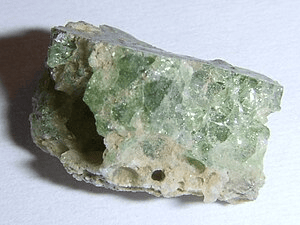
According to experts, trinitite is a glassy greenish compound that formed at the moment of the explosion when the bomb’s intense energy fused the desert sand with other materials. Although radioactive, trinitite emits low doses of radiation, making it an object of study and curiosity, but not a serious health risk.
-
Expedition 501: Scientists drill into the ocean floor and discover a giant reserve of fresh water hidden beneath the sea, extracting nearly 50,000 liters and revealing an invisible system that could reshape the map of water scarcity.

-
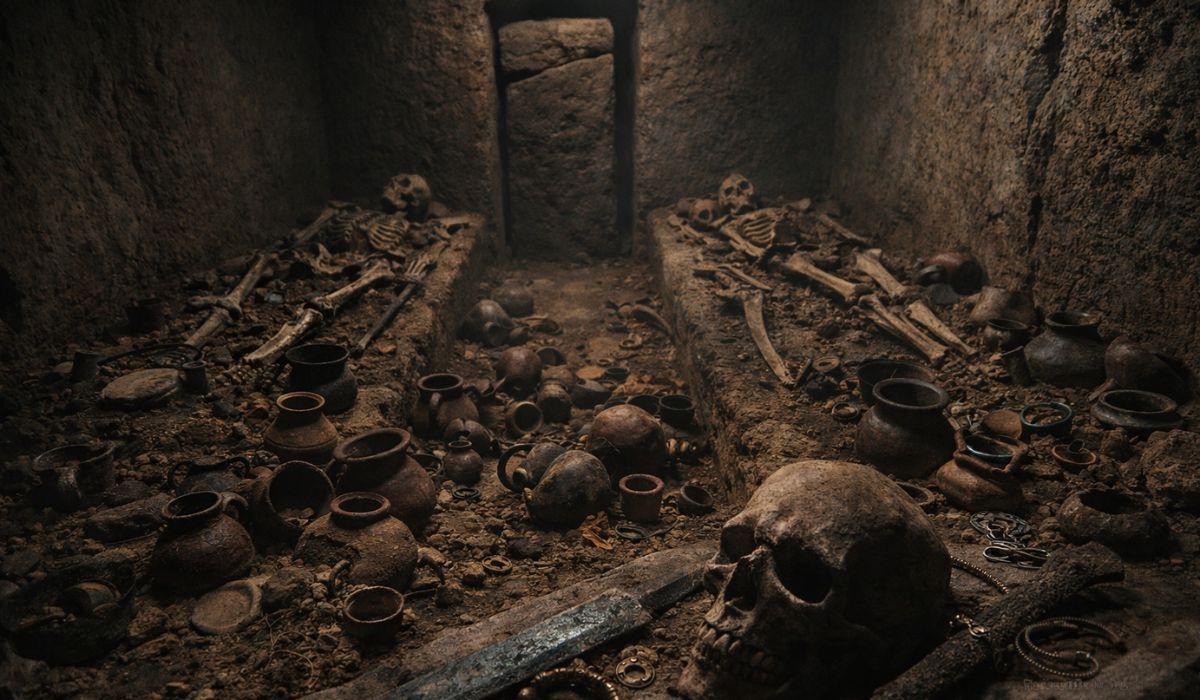
Archaeologists find an intact tomb over 2,500 years old, with more than 100 preserved objects, weapons, jewelry, and human remains never touched.
-
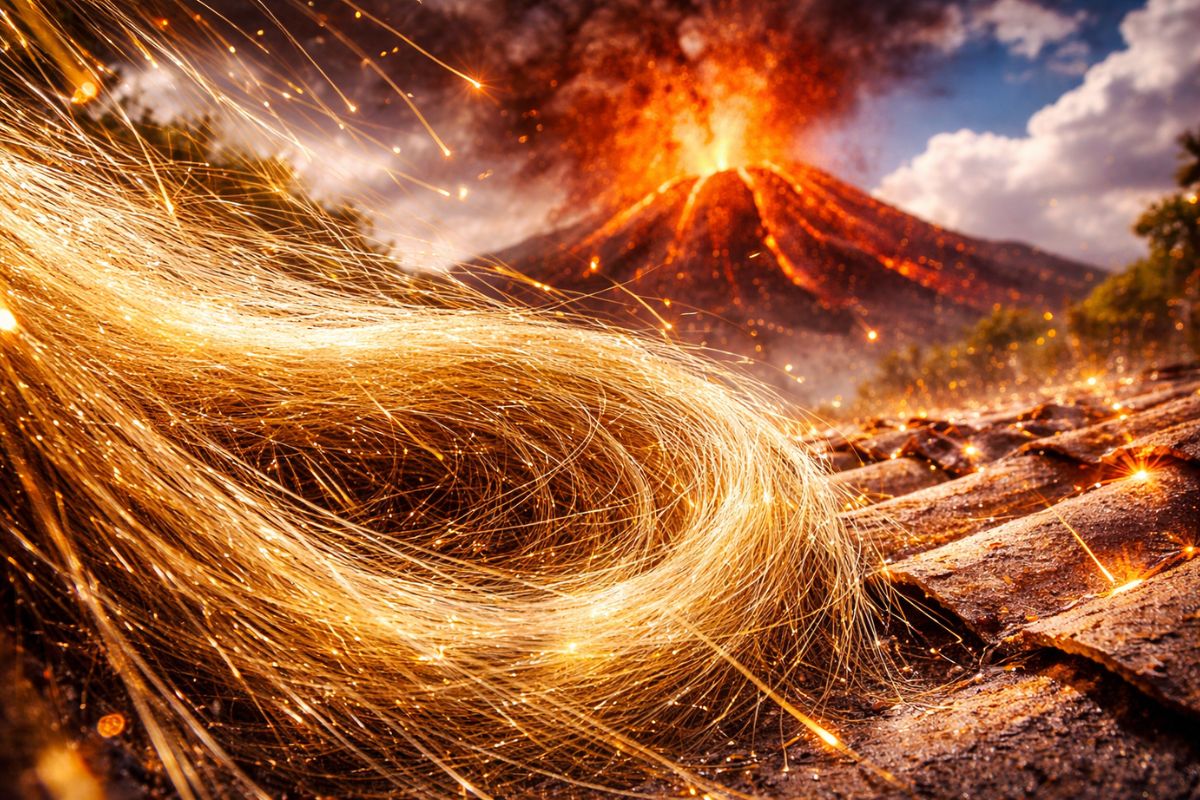
Volcanic lava transforms into threads as fine as human hair that travel over 30 kilometers by wind and fall like cutting rain on roofs and backyards in Hawaii and Iceland.
-
NASA issues a warning for the feared Godzilla El Niño that could change the planet’s climate in 2026 with extreme warming of the Pacific capable of causing devastating droughts in some regions and historic floods in others simultaneously.


The recently released film “Oppenheimer” revived interest in the history of the Trinity test and its consequences. Robert Oppenheimer, often called the ‘father of the atomic bomb‘, led the Manhattan Project and was present during the explosion, witnessing the devastating effects of the bomb. Trinitite, which can only be found in this specific location, symbolizes both scientific innovation and the inherent dangers of nuclear power.
According to information from the U.S. Nuclear Energy Association, trinitite is not just a geological curiosity but also a lasting reminder of the events that unfolded on that fateful day in July. It serves as a natural monument that reminds us of the destructive capabilities of nuclear weapons and the responsibility that comes with such power.
According to the YouTube channel Science Every Day, although many physicists speculated about the possible outcomes of the Trinity test, including the unfounded fear that the explosion could ignite the Earth’s atmosphere, the reality was less catastrophic but equally impressive. The site of the explosion was marked by a monument erected in the middle of the desert, a tribute to scientific advancements and the ethical complexities of the atomic age.
Today, trinitite is studied by scientists and admired by the curious, representing a crucial moment in world history. Its existence continues to fascinate and intrigue those who visit the Trinity test site, offering a glimpse into the lasting impact that a single nuclear explosion can have on the landscape and human consciousness.







Seja o primeiro a reagir!