





 Portuguese
  English
  Spanish
  3 min of reading
  0 comments


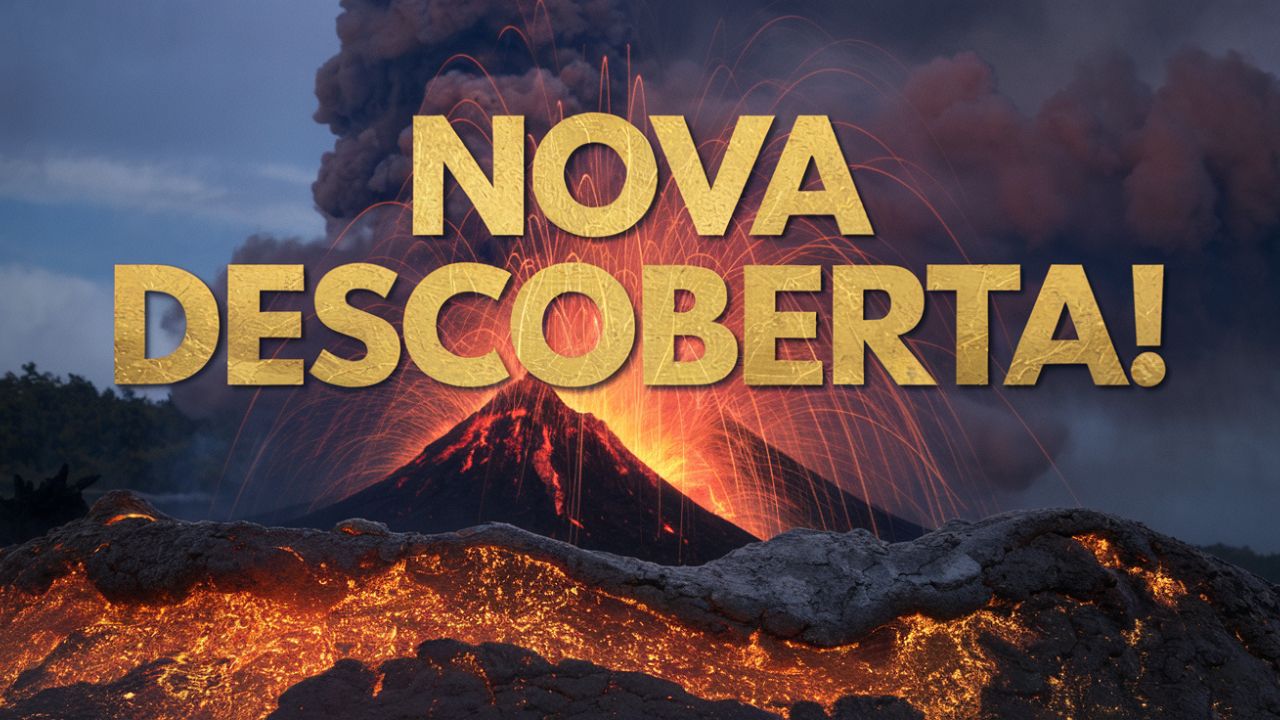
Researchers Identify The Crucial Role Of The Gold-Trisulfide Complex In The Transport Of Gold From The Earth’s Mantle To Mineral Deposits, Revealing New Paths For Exploration In Subduction Zones Around The World.
Gold has always been one of the most desired and valuable metals in the world, but its origin and formation remained an intriguing mystery. Now, an international team of scientists has taken a significant step toward deciphering this enigma, revealing how gold emerges from the depths of the Earth and reaches its surface. Using advanced numerical models, they discovered a mechanism involving the gold-sulfur complex, crucial for forming rich gold deposits.
The Path Of Gold: From The Depths To The Ground
Have you ever imagined that the gold we use in jewelry and technology may have traveled kilometers from deep inside the Earth? The journey of gold begins in the Earth’s mantle, a layer located beneath the crust. This region is like a giant oven, where magma forms and carries precious minerals.
In the volcanoes of the Pacific Ring of Fire, such as those found in Indonesia and Japan, magma rises to the surface, bringing gold from its deposits in the mantle. But what makes these locations so special? They are situated in subduction zones, where tectonic plates collide, creating ideal conditions for gold to emerge.
-
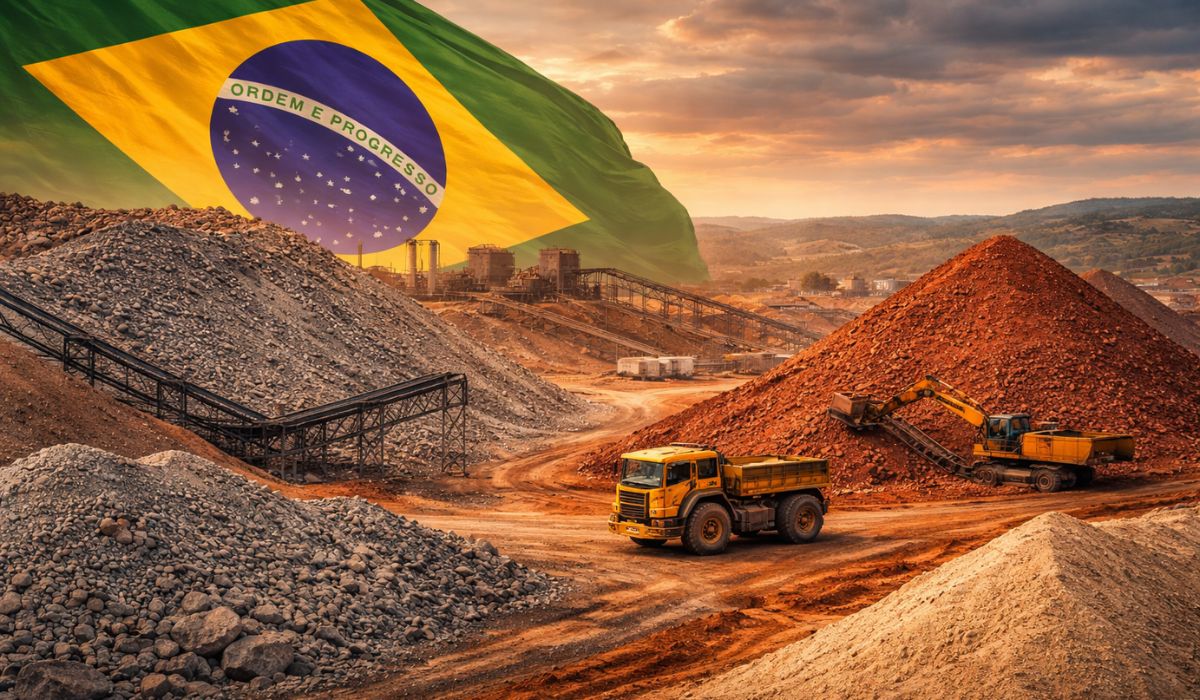
Brazil extracts 26.3 million tons of ore from what was previously treated as waste, transforming residues into wealth, producing over 3 million tons of sand, and demonstrating how national mining is relearning to generate value.
-
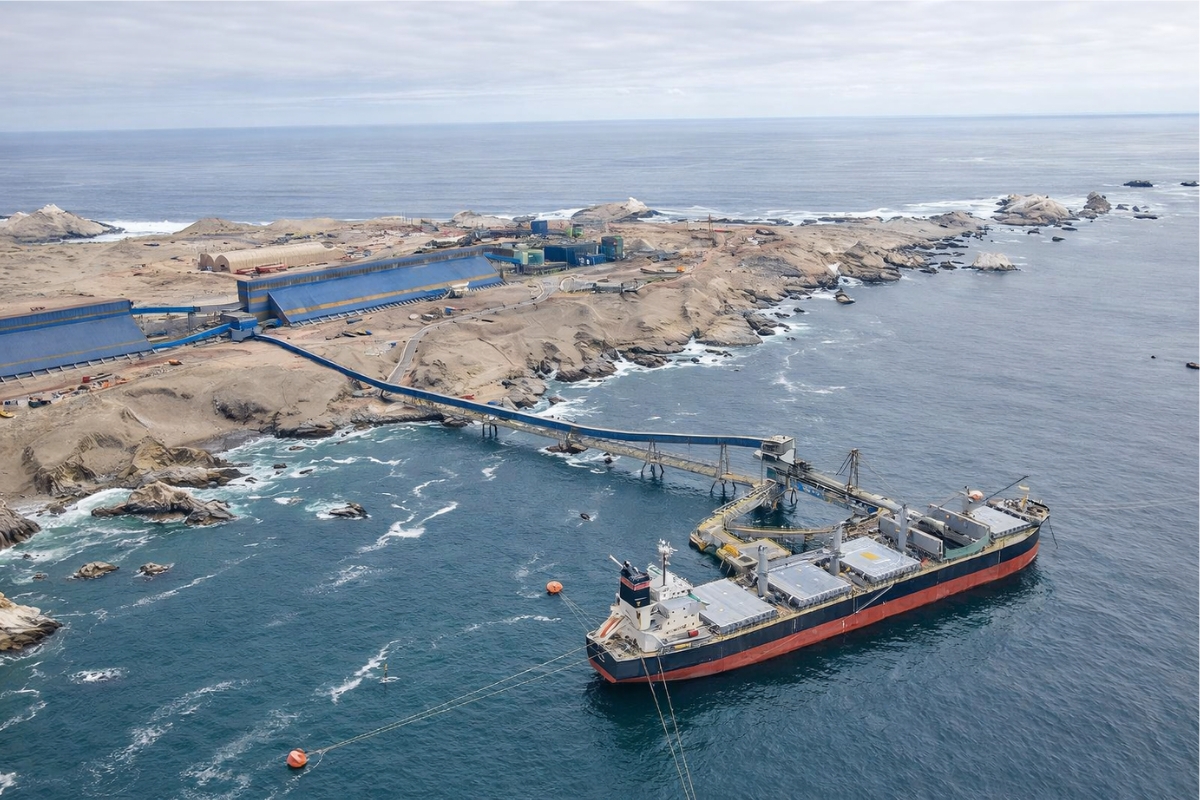
A $3.5 billion megaproject in Latin America pumps desalinated seawater at 1,050 liters per second over 194 km to keep a copper supermine in the Andes operational for another 20 years.
-
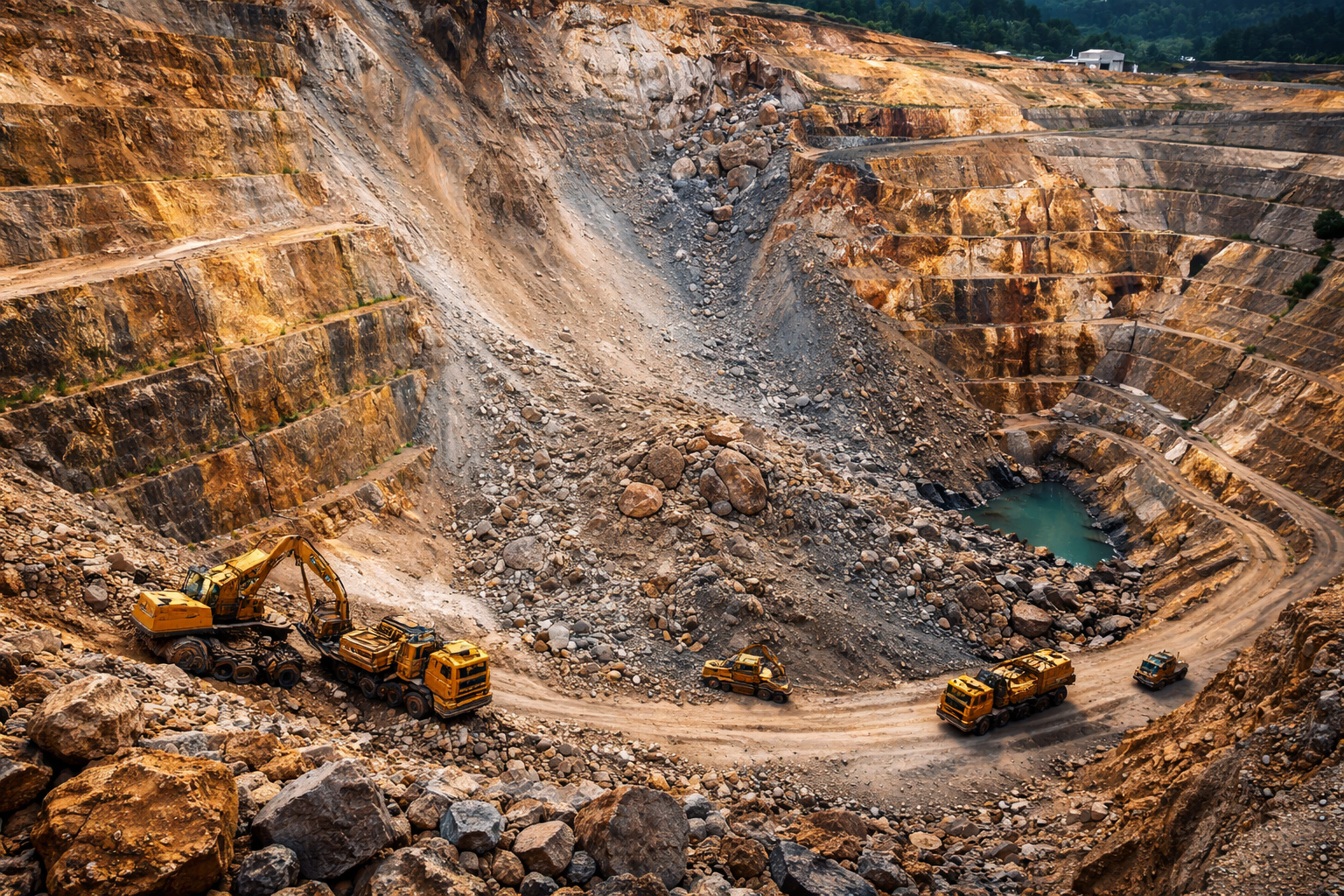
A hidden mine in the Andes valued at nearly R$ 1 trillion is starting to attract global attention, containing copper, gold, and silver, and raises an intriguing question: why do Argentina and Chile need to act together to exploit this gigantic wealth?
-
A silent discovery in the interior of Bahia could change the future of energy in Brazil: a uranium reserve in Lagoa Real has an estimated capacity to produce 400 tons per year and is already attracting the attention of energy sector specialists.
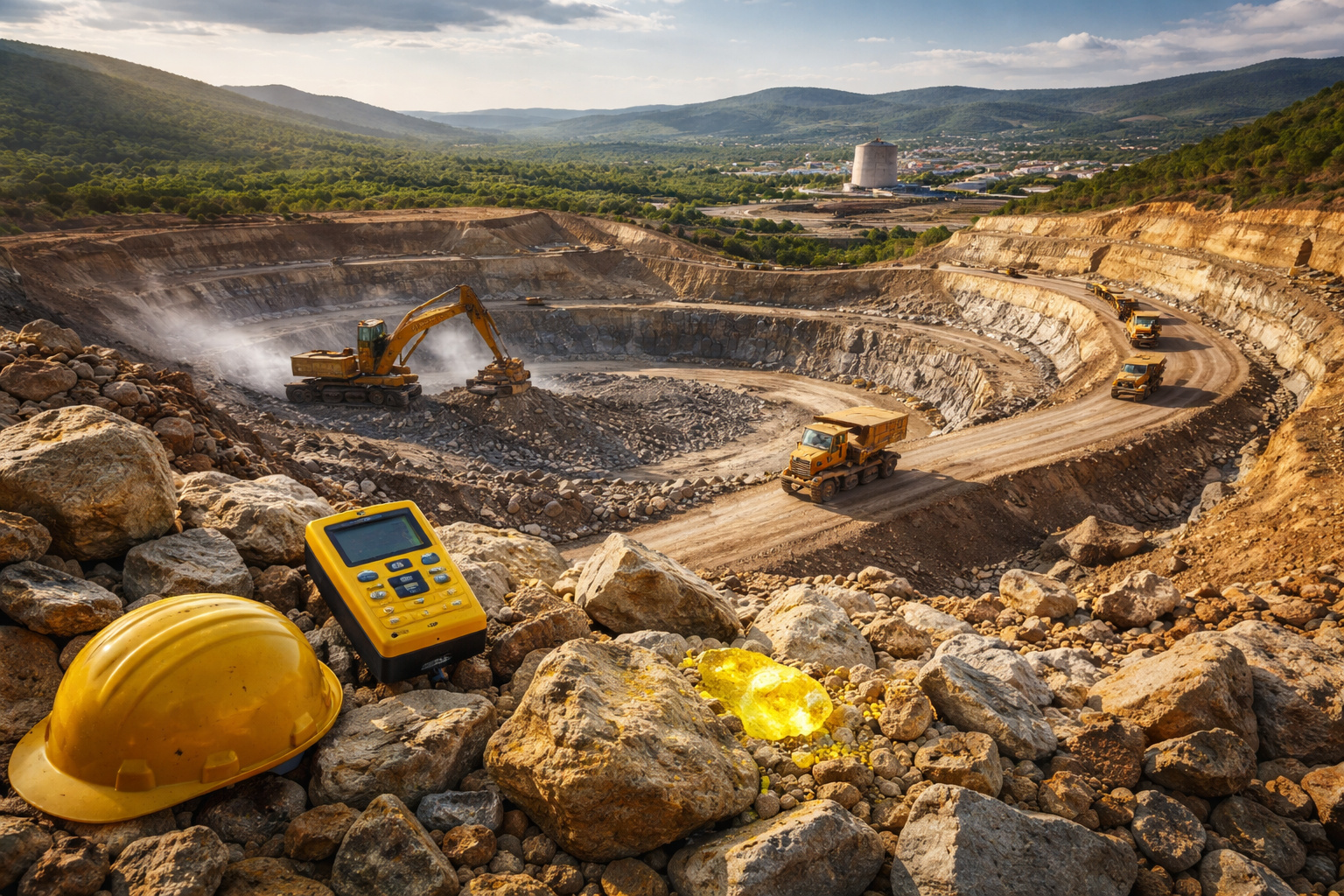

The Gold-Sulfur Complex: The Key To The Enigma
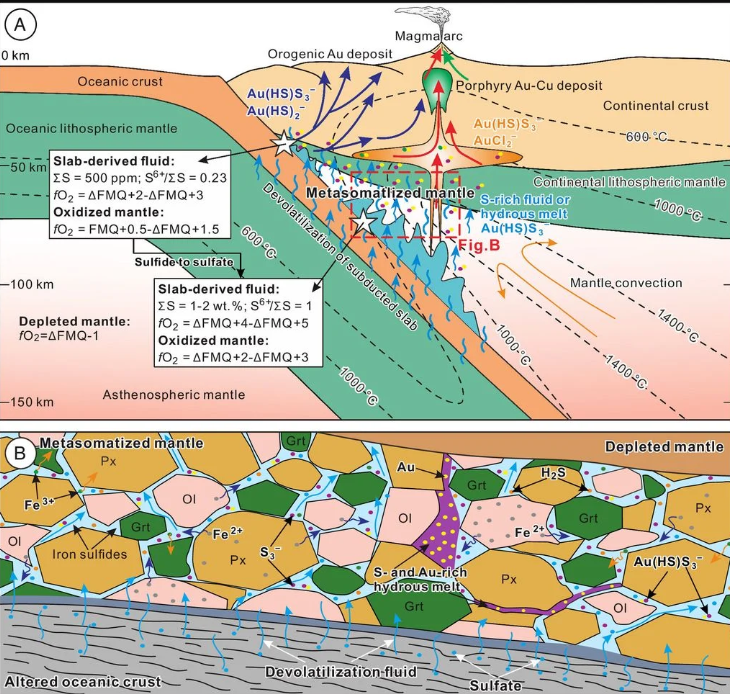
The most exciting discovery was the role of the gold-trisulfide complex in this process. This compound is formed when gold interacts with sulfur ions under specific pressure and temperature conditions, about 50 to 80 km deep. It’s as if gold finds a “ride” in the trisulfide, allowing it to be transported by magma to the crust.
Before this research, the existence of this complex was widely debated, but the new thermodynamic model proved its importance. It explains why certain mineral systems in volcanic areas have absurdly high concentrations of gold, while others do not.
Subduction Zones: The Cradle Of Gold Deposits
Subduction zones are fascinating places where oceanic plates dive beneath continental plates. This movement generates the magma that carries gold to the surface. These regions, such as Alaska, Chile, and the Philippines, are not only volcanically active; they are potential gold mines.
Interestingly, not all subduction zones produce rich gold deposits. The conditions must be perfect: the right type of magma, the exact temperature, and the presence of the gold-trisulfide complex.
To unravel this mystery, scientists created numerical models based on laboratory experiments. They simulated the pressures and temperatures found in the Earth’s mantle and, as a result, developed accurate predictions about gold formation.
These models not only explain the formation of deposits but also provide valuable clues for mineral exploration. Mining companies can use this information to identify promising locations more accurately, saving time and resources.
The Future Of Gold Exploration
This discovery could revolutionize how we search for gold. With knowledge about the gold-trisulfide complex and the conditions necessary for its formation, mineral exploration can become more efficient and sustainable.
The study opens doors to new questions: what other precious minerals can be transported by similar processes? And what else can we learn about the inner workings of the Earth?
Gold may seem like just a shiny and valuable metal, but its journey from the depths of the Earth is a story of science, magma, and mystery. This new discovery brings us closer to understanding how geological processes shape our world and provide indispensable resources. In the future, knowledge about the gold-trisulfide complex may transform not only mining but also our relationship with the planet’s hidden treasures.









-

-

-

3 pessoas reagiram a isso.