





 Portuguese
  English
  Spanish
  4 min of reading
  12 comments


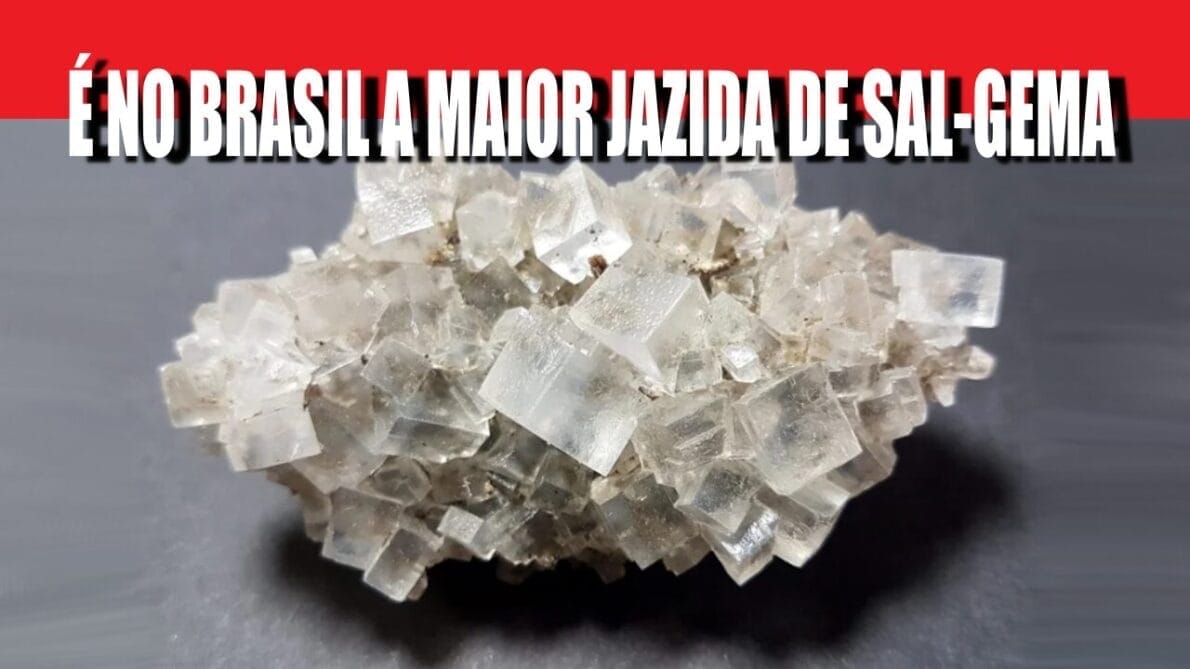

Discoveries of Rock Salt Deposits, A Subterranean Treasure with The Same DNA as Sea Salt, Promises to Revolutionize Mining in Brazil
Revolution in Mining: The discovery of the largest rock salt deposit in Latin America, located in northern Espírito Santo, was made by Petrobras in the 1970s while drilling for oil. Despite being auctioned, this deposit has never been exploited. The Legislative Assembly of Espírito Santo reports that the deposit was discovered near Conceição da Barra, revealing large quantities of salts, including rock salt.
By the work of fate, or nature itself, over time, the now-defunct mining company discovered the largest rock salt deposit in Brazil, containing 54% of the estimated reserves in the country, with nearly 20 billion tons. Since then, quilombos and environmental activists have alerted state authorities about the possible environmental impacts of extracting this mineral.
What is Rock Salt? What is it Used For, How is it Formed, and Where is it Found? Find Out Everything About This Mineral!


Rock Salt: A Subterranean Treasure with The Same DNA as Sea Salt
Literally coming from the earth, or rather, from beneath it, rock salt has the same “DNA” (sodium chloride) as its better-known “brother,” sea salt, which is usually transformed into table salt.
-
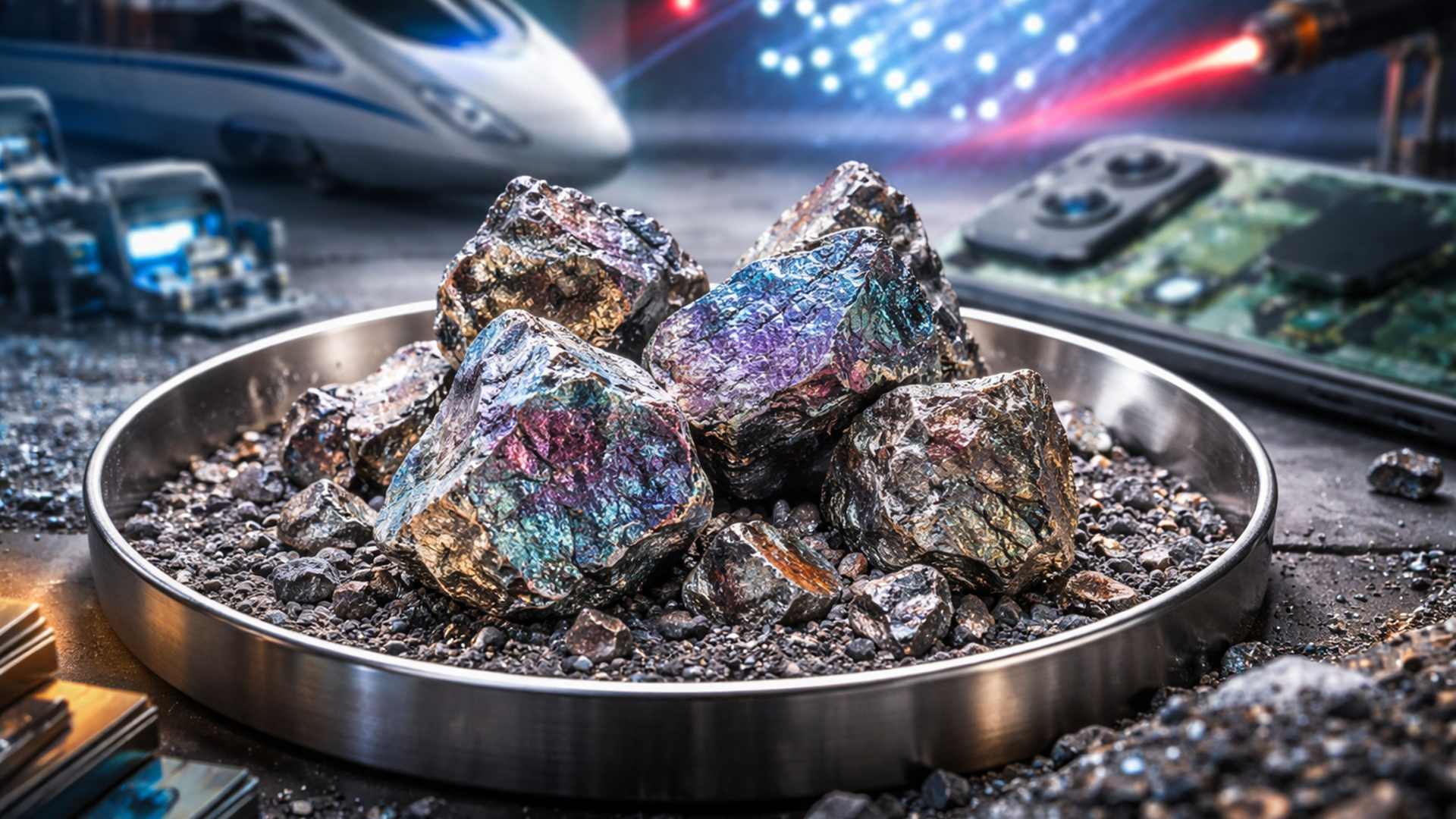
Rare earths are in everything, from cell phones to bullet trains, and what almost no one realizes is why they have become the target of such a delicate global war.
-
Historic bankruptcy of Centauro shocks the market, and the century-old company puts more than 500,000 products, machines, and complete infrastructure up for online auction.

-
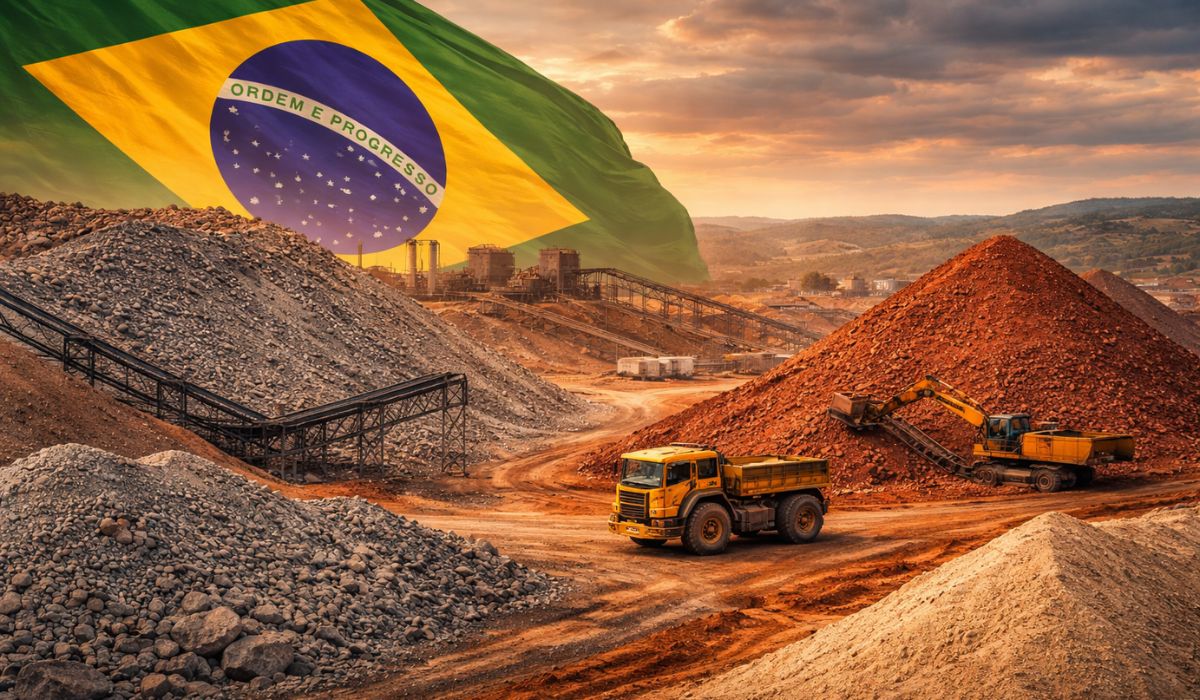
Brazil extracts 26.3 million tons of ore from what was previously treated as waste, transforming residues into wealth, producing over 3 million tons of sand, and demonstrating how national mining is relearning to generate value.
-
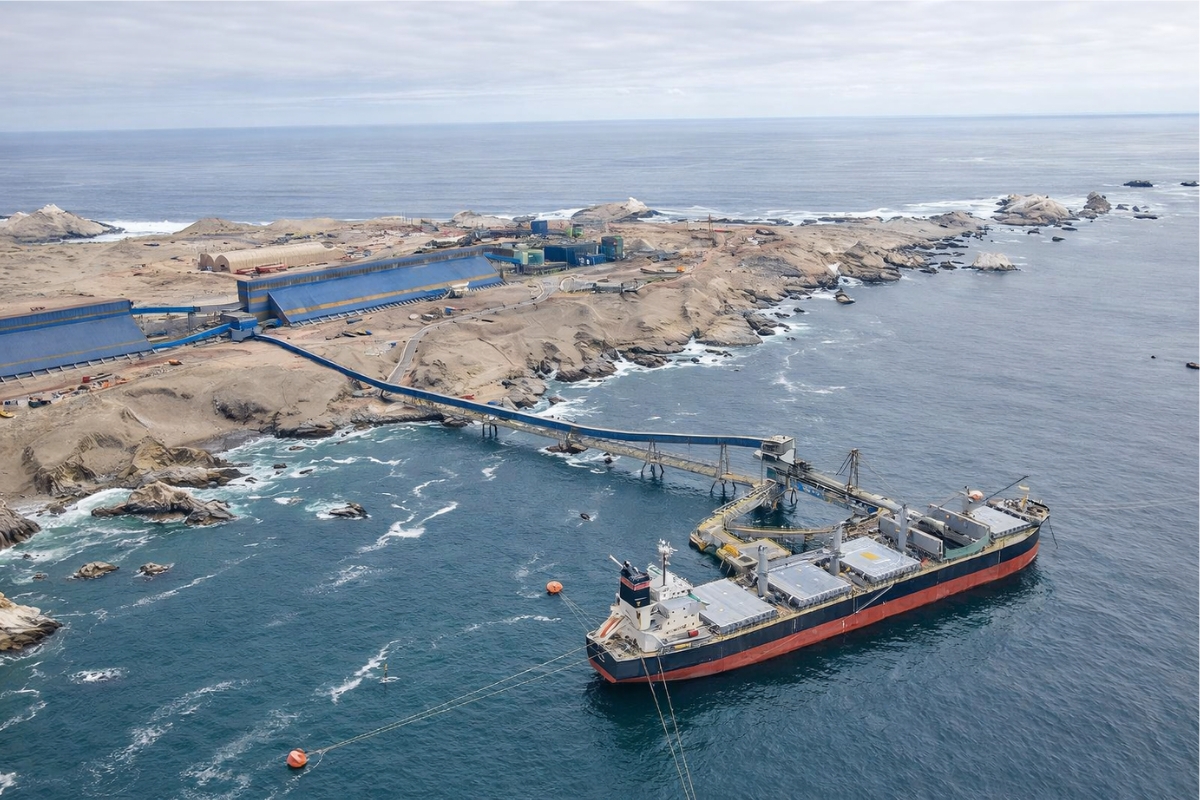
A $3.5 billion megaproject in Latin America pumps desalinated seawater at 1,050 liters per second over 194 km to keep a copper supermine in the Andes operational for another 20 years.

Literally coming from the earth, or rather, from beneath it, rock salt has the same “DNA” (sodium chloride) as its better-known “brother,” sea salt, which is usually transformed into table salt. The difference lies in the formation process – the seasoning we consume daily usually comes from the sea and arises from the evaporation of water dammed by humans.
This process is significantly faster compared to the formation of the “older brother,” also known as fossil salt. In this case, evaporation and rock formation began 120 million years ago, with the deposition of salt, explains professor Paulo de Tarso Ferro de Oliveira Fortes from the Department of Geology at the Federal University of Espírito Santo (Ufes). The layers took about 500,000 years to form naturally.
According to the geologist, rock salt is found worldwide. The rocks discovered in the state are in layers up to 2,000 meters deep and show good purity. While sea salt is mainly used for human and animal consumption, rock salt, present in larger quantities, is primarily used in the chemical industry.mining
It is a versatile raw material used in the production of chlorine, caustic soda, hydrochloric acid, and sodium bicarbonate; in the composition of pharmaceutical products; in the paper, cellulose, and glass industries; and in hygiene products such as soap, detergent, and toothpaste. It is also used in water treatment and in the textile and arms industries.
Rock salt is a rock primarily composed of halite (NaCl) and should not be confused with potassium salt (KCl), generally used to produce fertilizers.mining
Extraction mining
Extraction is carried out in two ways: when the layers are more superficial and horizontal, the salt is mined with machinery underground. For deeper formations, the dissolution mining method is used. “You make a well, inject water, and the salt that is there is dissolved and pumped back. Then it goes to a processing plant,” explains professor Paulo de Tarso. This is the method suggested to extract the mineral from the capixaba soil, according to the final report presented by Petromisa at the time.
While the seawater that feeds salt pans contains 30g of salt per liter, in the brine from underground dissolution, it is possible to reach 300g per liter, 10 times more. For every 3 cubic meters (3,000 liters), you would have approximately 1 ton of salt contained in this brine.
Mining Potential: It’s The Only Deposit in The Country Near The South-Southeast
The latent economic viability is undeniable. Reports made by Petromisa back in the 1980s already indicated a significant presence of soluble salt in 11 areas in the region. Based on this information, the former general director of the then National Department of Mineral Production (DNPM), Miguel Nery, estimates the volume of rock salt (including measured, indicated, and inferred resources) to be around 20 billion tons. mining
Salt imports in 2017, according to the ANM summary, totaled 757,000 tons, representing US$ 30.2 million – the mineral mainly comes from the USA, China, Chile, Pakistan, and Denmark. mining
Drilling wells for the production of solid salt is the first step in exploring the deposits. The establishment of a salt pan could also meet human and animal consumption needs, in addition to supplying chlor-alkali plants. One advantage of Espírito Santo would be the location of the reserves. It is the only deposit in the country near the South-Southeast.
The high-quality rock salt from Espírito Santo, combined with favorable logistics and potential reserves, could help the state compete in consumer markets.mining
I would love to know if you already knew that Espírito Santo holds the largest rock salt deposit in Latin America. Let us know in the comments section if you are a mining professional or interested in it. Don’t forget to turn on notifications from CPG to keep up with all the news in Brazil and around the world. See you next time!









O que ainda acontece em Aracaju, tbém pode se repetir no Espirito Santo..
Cidade estão em risco de afundar, ir pro buraco literalmente 🧐🧐🧐🧐🧐
Sabia que existia sim jazidas de sal gema no Norte Capixaba mas não que seria a maior do Brasil
Nossa país chamado de Brasília, é uma benção de Deus que nos deixa todo essa riqueza para ser explorada pelo homem e nos trazer bons benefícios para todos os brasileiros.Espero que essa riqueza, seja bem distribuída para todos nós brasileiros.