





 Portuguese
  English
  Spanish
  4 min of reading
  0 comments



In The Midst Of Unemployment And Low Appreciation For Many University Degrees, A Technical Profession Is Emerging With Salaries Of Up To R$ 12 Thousand And Immediate Hiring — All Of This Without Requiring Higher Education.
Believe It Or Not: Industrial Instrumentation Technician Or Industrial Automation Technician Is One Of The Most Promising Careers For 2025. Even With Low Visibility Among Young People, This Professional Is A Key Player In Heavy Industries, Oil Platforms, Power Plants, Mining Companies, And Large Factories Across The Country. And The Best Part: You Don’t Need A College Degree. Just A Technical Course.
According To Market Data Collected By Senai, Salario.com.br, And Platforms Like Glassdoor And Indeed, The Average Salaries Of These Professionals Range From R$ 6,500 To R$ 9,000, And Can Exceed R$ 12 Thousand In High-Risk Areas Or With Hazard Pay (As Is The Case With Offshore Platforms, For Example).
What Does An Industrial Instrumentation Technician Do?
Despite The Complicated Name, The Role Is Quite Practical And Straightforward. The Instrumentation Technician Is Responsible For Measuring, Controlling, And Calibrating Industrial Equipment. They Handle Sensors, Valves, Control Panels, Pressure Indicators, Temperature Indicators, Fluid Level Indicators, Among Other Devices.
-
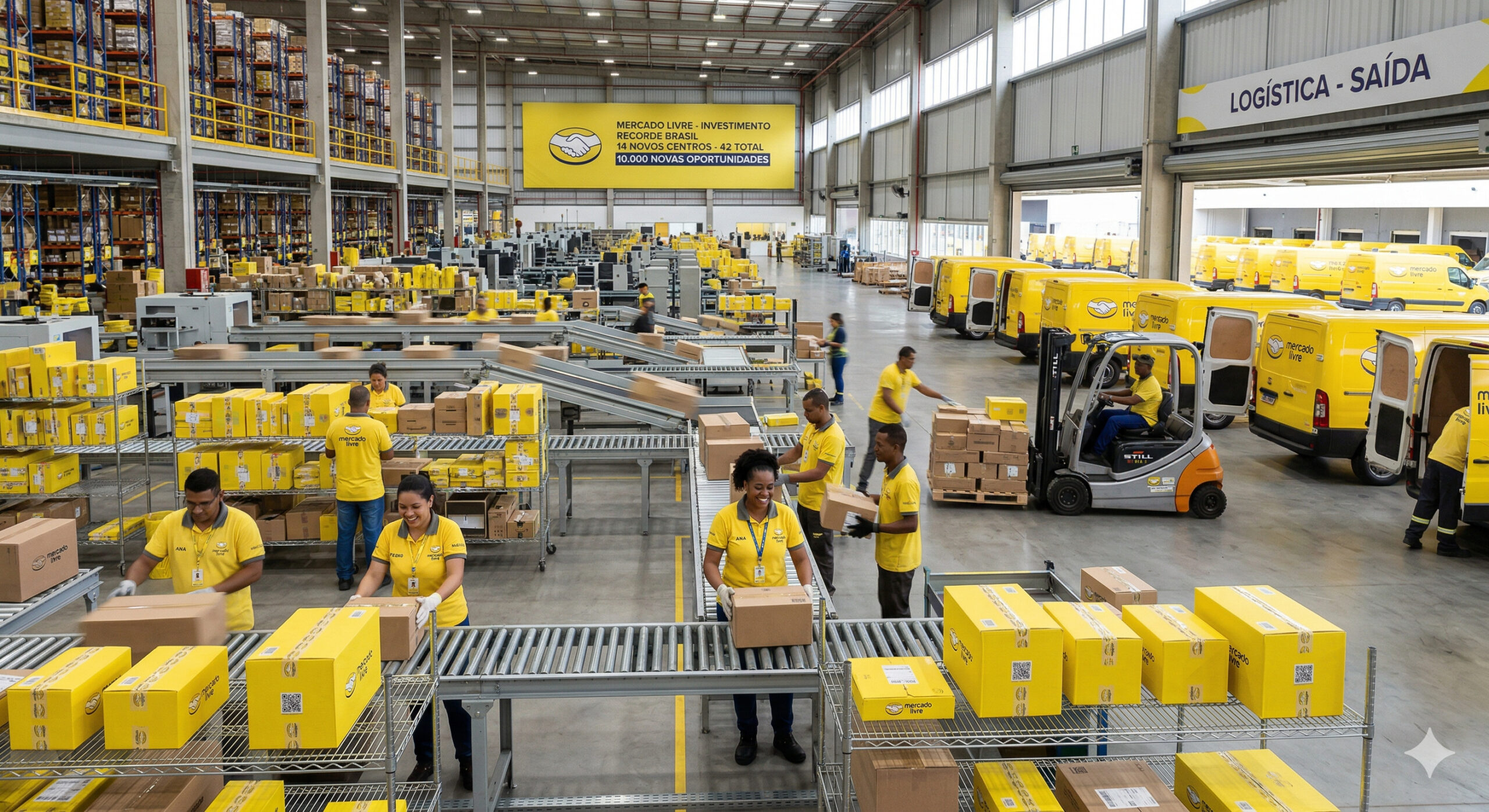
Mercado Livre “opens the vault” and announces a record investment of R$ 57 billion in Brazil in 2026, a value 50% higher than the previous year, with an expansion plan that includes 14 new logistics centers, totaling 42 units in the country and hiring an additional 10,000 employees.
-
How investment in technology can revolutionize the national economy and enhance industrial gains, according to a study that highlights the direct impact on productivity, innovation, and wealth retention within Brazil.

-
The largest food company on the planet, JBS, has just opened a 4,000 square meter laboratory in Florianópolis to develop customized proteins that modulate muscle mass gain, immune response, and metabolic performance.

-
After nearly 30 bids and competition among industry giants, a Spanish company purchases one of the largest airports in Brazil for almost R$ 3 billion and takes over the management of Galeão in a concession that will last until 2039.


In Practice, They Are The Professionals Who Ensure That A Refinery, A Food Factory, Or A Power Plant Is Operating Perfectly, With Safety And Maximum Efficiency.


The Main Activities Include:
- Installing And Configuring Measurement And Control Instruments;
- Performing Periodic Testing And Calibration;
- Conducting Preventive And Corrective Maintenance Of Automated Systems;
- Working Alongside Process Engineers And Operators;
- Working With Industrial Automation Software And Panels.
Why Is The Salary So High?
There Are Four Main Reasons:
- High Responsibility: A Mistake In Adjusting A Sensor Can Result In Million-Dollar Losses Or Even Industrial Accidents.
- Critical Environments: Many Of These Professionals Work In Locations Such As Refineries, Ships, And Chemical Industries, Which Offer Hazard Pay Or Risk Pay.
- Lack Of Qualified Labor: The Number Of Trained Technicians Is Much Lower Than The Demand In The Sector.
- Shifts And On-Call Work: In Many Cases, Professionals Work In Shifts (Including Night Shifts), Which Increases The Salary With Legal Benefits.
Sectors That Hire The Most
The Instrumentation And Automation Field Is Present In Almost All Industrial Sectors. However, Some Segments Have More Job Openings:
| Sector | Current Demand | Average Salary |
|---|---|---|
| Oil And Gas (Onshore/Offshore) | Very High | R$ 9,000 To R$ 12,000 |
| Mining | High | R$ 7,500 To R$ 10,000 |
| Energy (Hydroelectric, Wind, Solar) | Increasing | R$ 6,500 To R$ 9,000 |
| Chemical/Pharmaceutical Industry | Stable | R$ 6,000 To R$ 8,500 |
| Food And Beverages (Ambev, Nestlé, Etc.) | Stable | R$ 5,500 To R$ 7,500 |
Do I Need A College Degree?
The Great Advantage Of This Profession Is The Easier Entry Into The Job Market. The Only Basic Requirement Is A High School Diploma + Technical Professional Course Recognized By The MEC.
This Means That With Less Than 2 Years Of Study And A Good Internship, It Is Already Possible To Secure A Job That Pays Well Above The National Average.

Where To Take The Technical Course?
The Most Recommended Courses For This Training Are:
Senai
- Technical Course In Instrumentation Or Industrial Automation
- Available In Almost All States
- High Employment Rate After Graduation
IFs – Federal Institutes
- Free Courses
- High Quality And Laboratory Structure
- Highly Sought After By High School Students
ETECs And State Technical Schools
- Strong In São Paulo, Minas Gerais, Paraná And Rio Grande Do Sul
- Often Integrated With High School
And What If I Do Not Have Experience?
Instrumentation Is A Very Practical Field, So The Courses Usually Offer Laboratories, Technical Workshops, And Supervised Internships. The Differentiator Is Not Just The Degree, But The Student’s Ability To Demonstrate Mastery Of The Equipment And Technical Standards.
Moreover, Companies In The Industrial Sector Are Creating Internship And Training Programs For Beginners, Precisely Due To The Lack Of Ready Professionals.
Companies Hiring In 2025
According To A Recent Survey From Job Sites Like Gupy, InfoJobs, And Glassdoor, The Following Companies Have Open Or Recurring Vacancies For Instrumentation/Automation Technicians:
- Petrobras
- Vale
- Braskem
- Raízen
- Anglo American
- Nestlé
- Heineken Brasil
- GE Renewable Energy
- Votorantim Cimentos
- Yara Fertilizers
How To Start?
If You Are Interested In This Career, Follow This Plan:
- Choose A Good Technical School (Senai, IF, ETEC).
- Look For Courses Focused On Practice And Internships.
- Invest In Extra Certifications: NR10, NR13, Basic Electrical, PLC (Programmable Logic Controllers).
- Build A Strong Technical Resume And Register On Job Portals In The Industrial Sector.
- Stay Alert For Technical Recruitment Fairs And Events, Such As Those Organized By Senai And CIEE.
An Invisible But Valuable Profession
While Many Brazilians Face Difficulties Entering The Formal Job Market Even With A University Degree, Instrumentation And Industrial Automation Technicians Live An Opposite Reality: There Are More Open Positions Than Professionals.
This Is A Silent Profession, Well-Paid, With Constant Growth, Great Opportunities In Large Companies, And A Technical Level That Is Accessible. Ideal For Those Who Do Not Want (Or Cannot) Attend College But Seek Financial And Professional Stability.









-

-

-

6 pessoas reagiram a isso.