





 Portuguese
  English
  Spanish
  5 min of reading
  0 comments


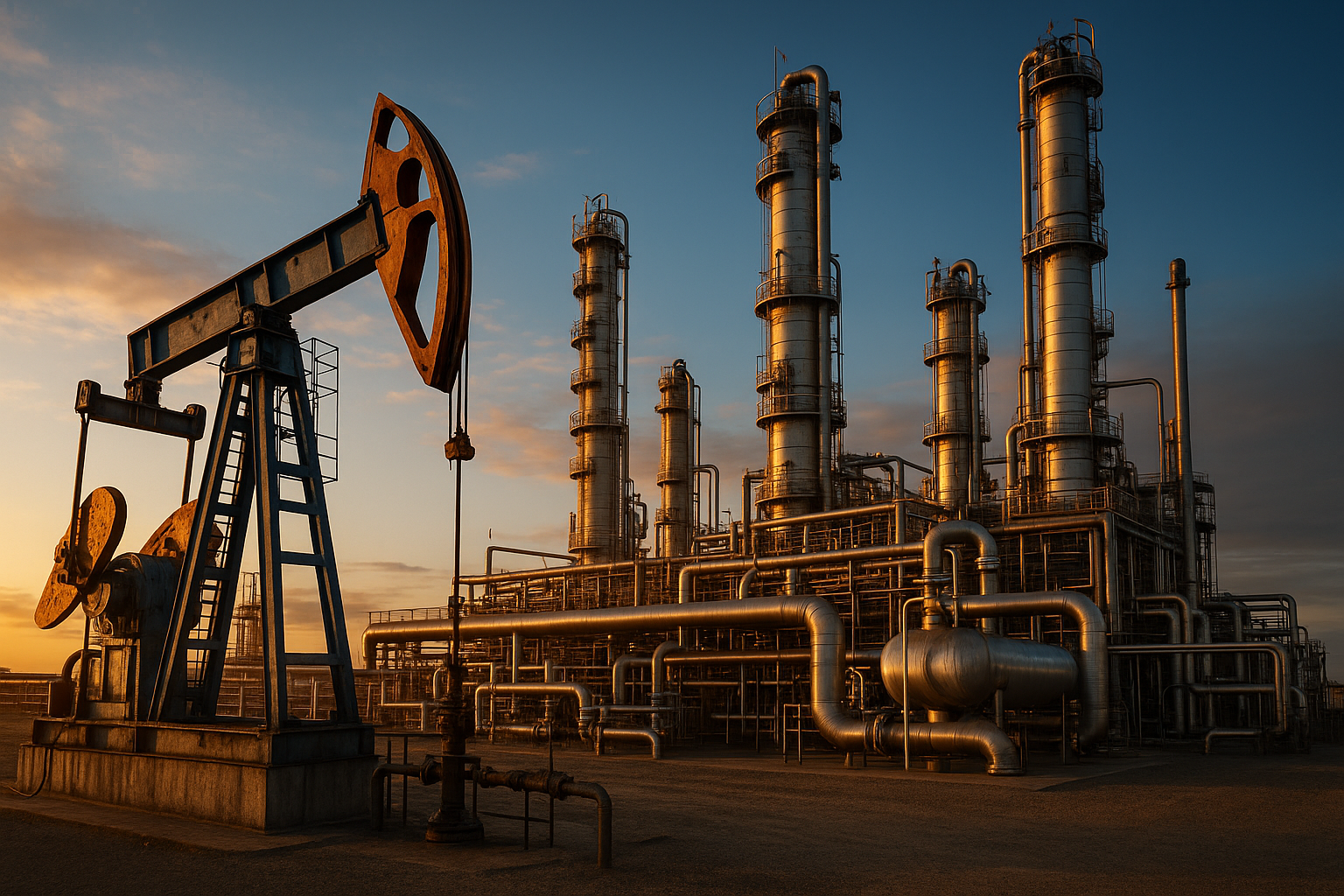
Understand How Oil and Gas Equipment Impact Production, Reduce Costs, and Shape the Global Economic Scenario, with Technology and Innovation Since the Beginning of the Industry Until Today.
The oil and gas industry plays a vital role in the modern world.
Since the Industrial Revolution, the energy sector has undergone profound transformations, and oil and gas equipment has become essential in this process.
Thus, this equipment is not just tools; they drive a complex production chain that directly impacts the global economy, production costs, technological development, and even geopolitical issues.
-
The rise in oil prices could ensure an extra revenue of R$ 100 billion for the Federal Government, indicates a recent economic study.

-
Naturgy begins an investment of R$ 1.6 million to expand the gas network in Niterói and benefit thousands of new residences and businesses.

-
A major turn in the Justice system suspends tax increases and directly impacts oil and gas companies in Brazil by affecting costs, contracts, and financial planning, leaving uncertain what could happen to the sector if these costs had increased.

-
Brava Energia begins drilling in Papa-Terra and Atlanta and could change the game by reducing costs in oil while increasing production and strengthening competitiveness in the offshore market.
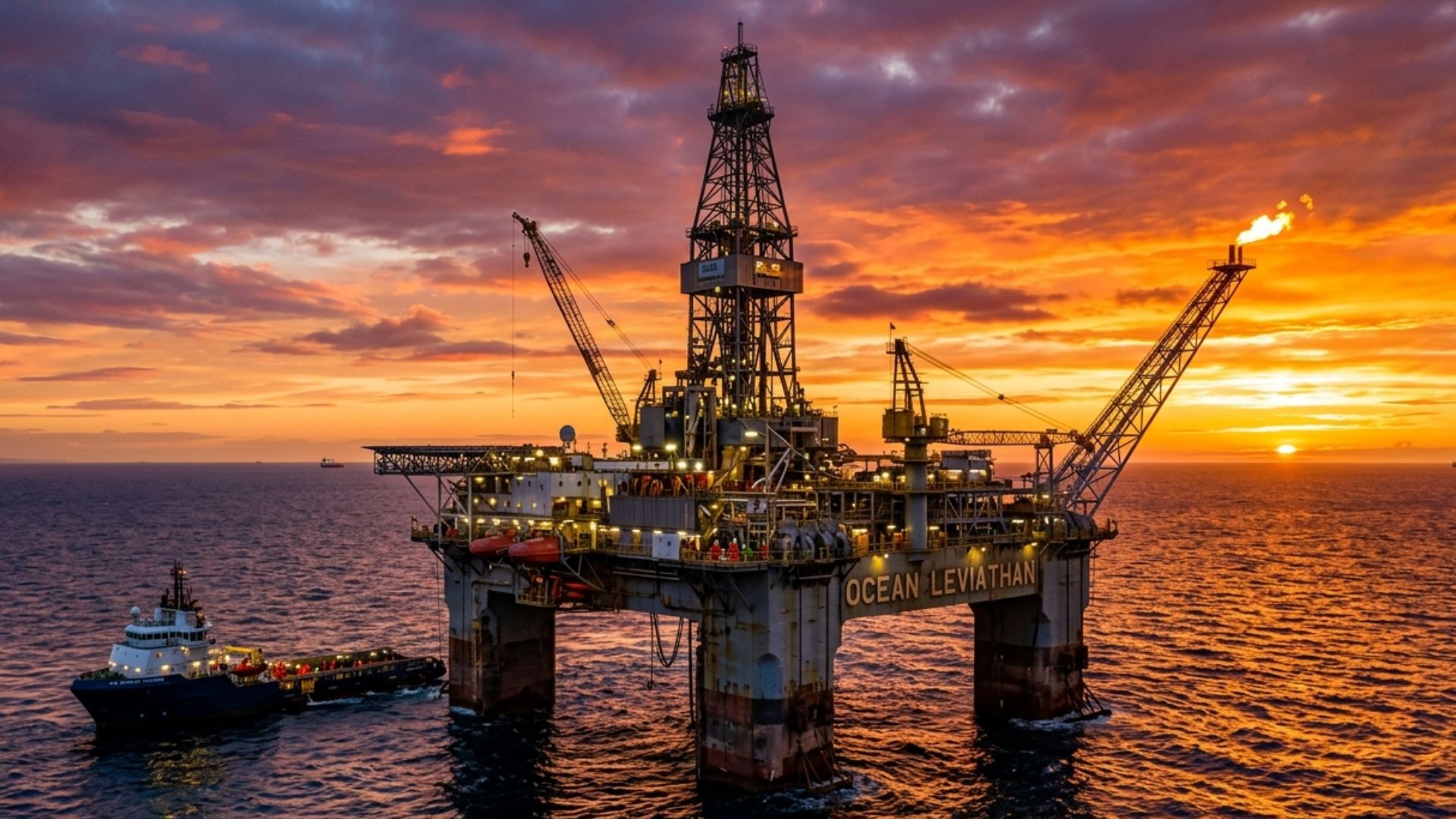
To understand the current energy scenario, it is essential to know how this equipment works and its influence in the market.
Therefore, this article explains this relationship simply and presents a historical overview to contextualize the importance of the industry.
From Primitive Beginnings to the Technological Revolution
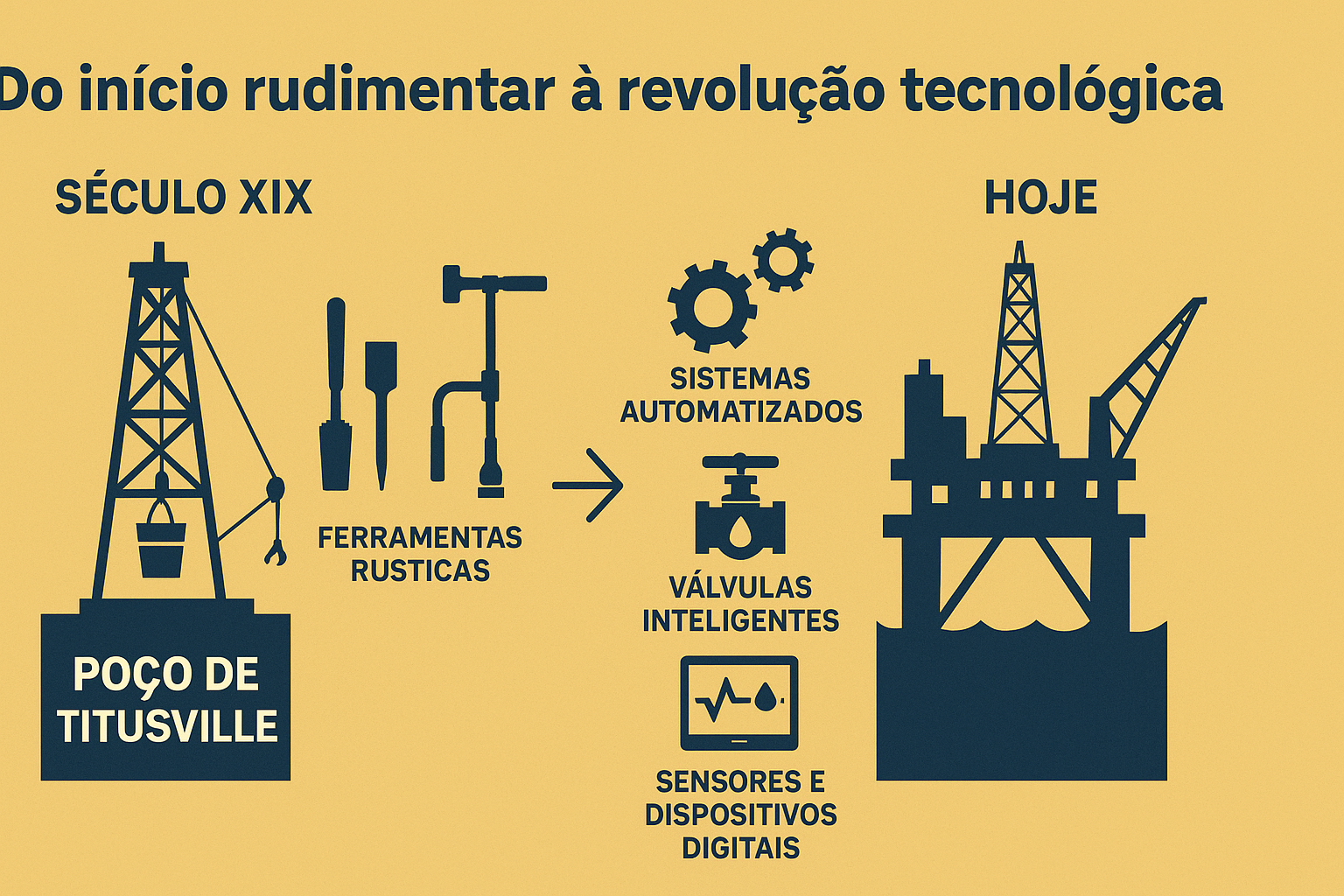
Commercial oil exploration began in the 19th century, in 1859, with the Titusville well in Pennsylvania, considered the first modern oil well.
According to the U.S. Department of Energy (DOE), this event marked the beginning of the modern oil industry and the initial use of mechanical equipment for extraction.
At that time, teams used rudimentary tools based on manual drilling and simple extraction systems.
However, with the increasing demand for energy, companies developed technologies to extract oil in deeper and more complex areas, such as offshore or challenging terrain.
The emergence of offshore drilling platforms, centrifugal pumps, smart valves, digital sensors, and automated systems transformed extraction.
The National Agency of Oil, Natural Gas and Biofuels (ANP) highlights that these innovations enabled the exploration of previously inaccessible reserves, such as the Brazilian pre-salt discovered officially in 2007.
Today, oil and gas equipment drives much of the efficiency and productivity of the energy sector.
They help to reduce operational costs, increase worker safety, and enable access to previously inaccessible reserves.
Furthermore, digitalization allows companies to simulate operations before drilling, using digital twins — virtual representations of equipment — to predict failures and optimize performance.
This technology, according to the DOE, reduces risks, saves resources, and accelerates return on investment.
Efficiency, Economy, and Impact on the Global Market
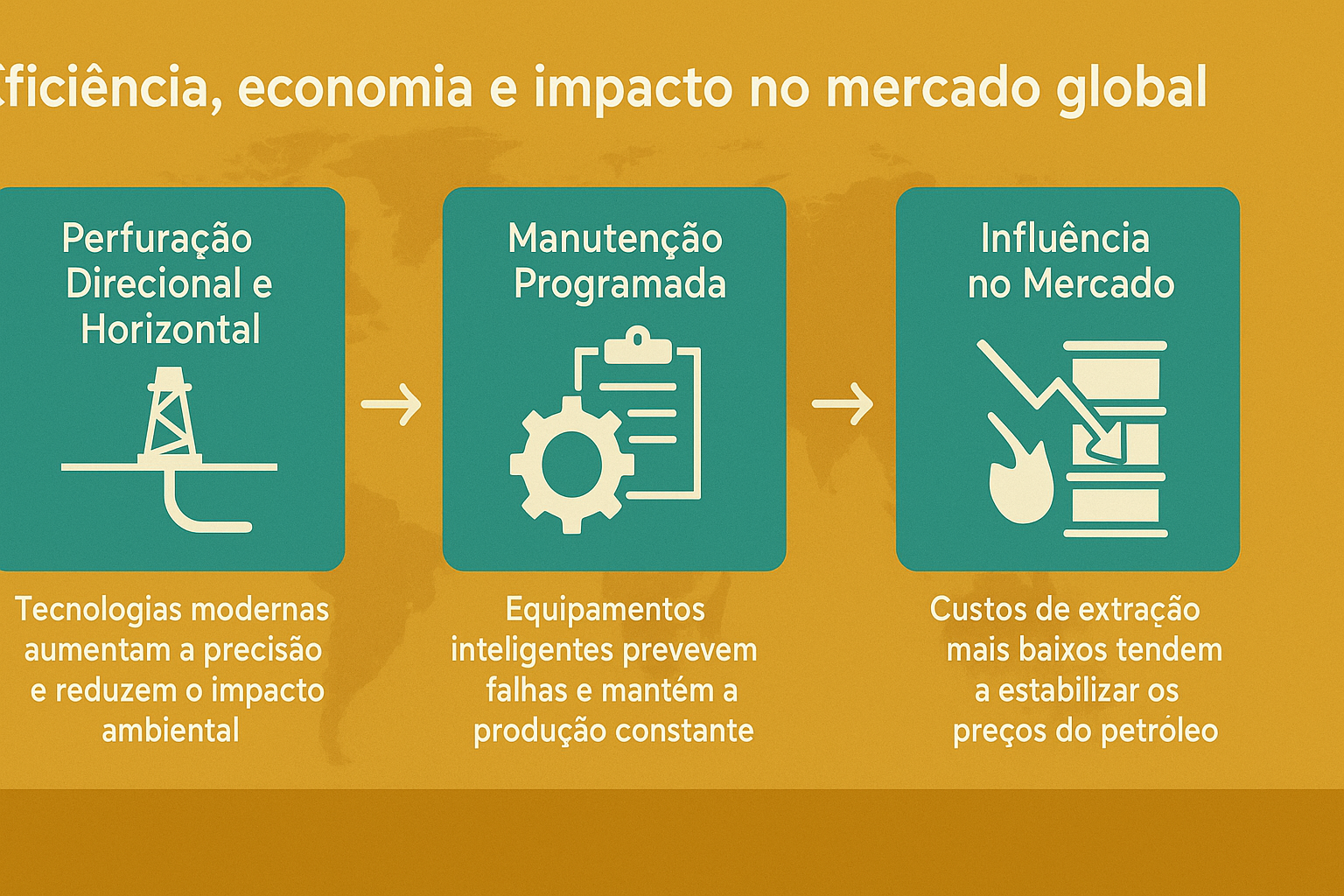
Modern technologies, such as directional and horizontal drilling, increase extraction precision and decrease environmental impact.
Additionally, equipment with embedded intelligence predicts failures, schedules maintenance, and maintains consistent production with fewer interruptions.
These innovations directly influence the market.
For example, according to information from the Organization of the Petroleum Exporting Countries (OPEC), when extraction costs fall, the price of a barrel of oil tends to stabilize or decrease, impacting transportation, industry, and global consumption.
On the other hand, technical problems, lack of equipment, or infrastructure delays can cause price spikes, affecting various economic sectors.
Therefore, keeping oil and gas equipment in perfect condition is a strategic task.
Failures can lead to serious accidents, such as the disaster in the Gulf of Mexico in 2010, reported by the U.S. Environmental Protection Agency (EPA), which highlighted the importance of maintenance and rigorous supervision of this equipment to avoid environmental catastrophes.
For this reason, companies invest heavily in preventive maintenance, technical training, and innovation.
Moreover, automation has expanded remote control of operations, allowing technicians to monitor production in real time, even from a distance.
This creates a growing demand for specialized professionals and software that integrates data to expedite decisions.
Sustainability Also Involves Equipment
Automation and digitalization have become strong trends in the sector.
With sensors, artificial intelligence, and data analysis, teams monitor equipment performance in real time, detect failures early, and improve processes.
Consequently, this generates million-dollar savings and increases the safety of operations.
The oil and gas industry faces criticism for its relationship with pollution and greenhouse gas emissions.
However, modernization of equipment helps reduce environmental impacts.
New technologies allow the reinjection of CO₂ into wells, use renewable energy on platforms, and decrease losses in transport and storage.
According to the 2023 report from the International Energy Agency (IEA), these practices help the sector reduce its environmental footprint, aligning production and sustainability.
Additionally, companies are investing in carbon capture and storage, seeking to neutralize part of their emissions.
Circular economy practices, such as material reuse, parts recycling, and supply chain optimization, demonstrate that sustainability and productivity can go hand in hand thanks to technology.
Oil and Gas Equipment and Geopolitics: A Strategic Relationship
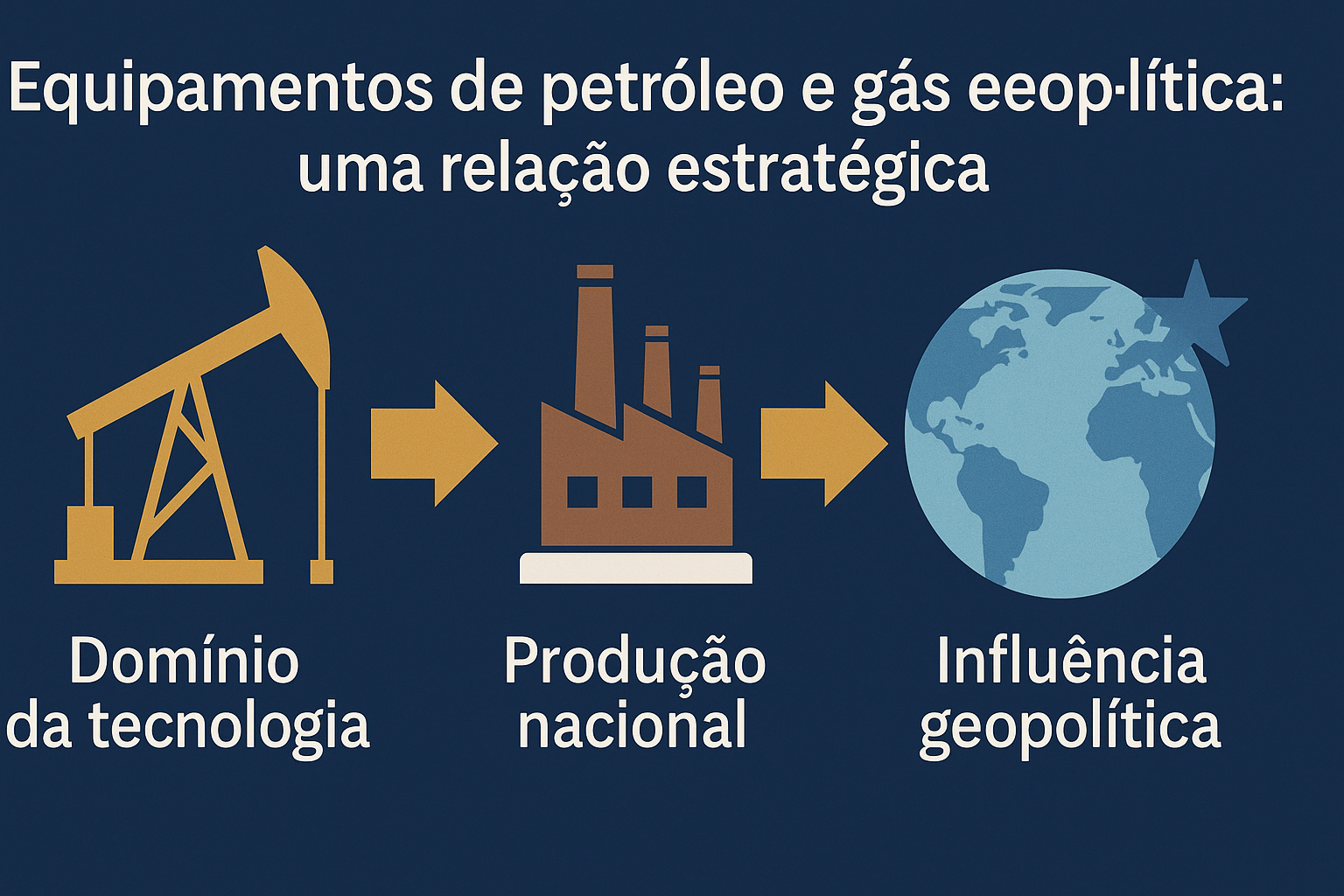
Equipment influences extends beyond technical and economic aspects.
They directly impact relationships between countries and the stability of regions.
Nations that dominate technology and produce their own equipment gain strategic advantages, relying less on imports and negotiating better their oil production and export.
In addition, investing in infrastructure and advanced equipment makes a country more attractive to international companies, generating jobs, revenues, and trade agreements.
According to analyses from the International Institute for Strategic Studies (IISS), mastering this technology is a competitive differentiator in the global landscape.
Moreover, equipment manufacturers have gained significant geopolitical roles, influencing political and economic decisions in strategic markets.
Therefore, technology, in this context, becomes a tool of power and negotiation.
The Future of the Industry and Digital Transformation
Despite the growth of renewable energies, oil and natural gas will still play a relevant role in the coming decades.
Therefore, companies continue to invest in innovation and improvements in equipment.
The pursuit of energy efficiency, operational safety, and reduced environmental impact guides the next steps of the industry.
With advancements in robotics, artificial intelligence, and the Internet of Things (IoT), equipment will become even more autonomous and intelligent.
Remotely operated platforms, inspection drones, and automatic drilling systems are already in testing, promising to change extraction and processing once again.
Thus, companies that quickly adopt these innovations will gain competitiveness, safety, and profitability.
The market values those who innovate responsibly and ensure a constant energy supply.
Oil and gas equipment sustain the energy industry. Thus, understanding their operation and evolution helps to understand the current world.
In an increasingly technological and demanding global scenario, innovation in this sector will remain essential to ensure accessible, safe, and sustainable energy.







Seja o primeiro a reagir!