





 Portuguese
  English
  Spanish
  4 min of reading
  0 comments


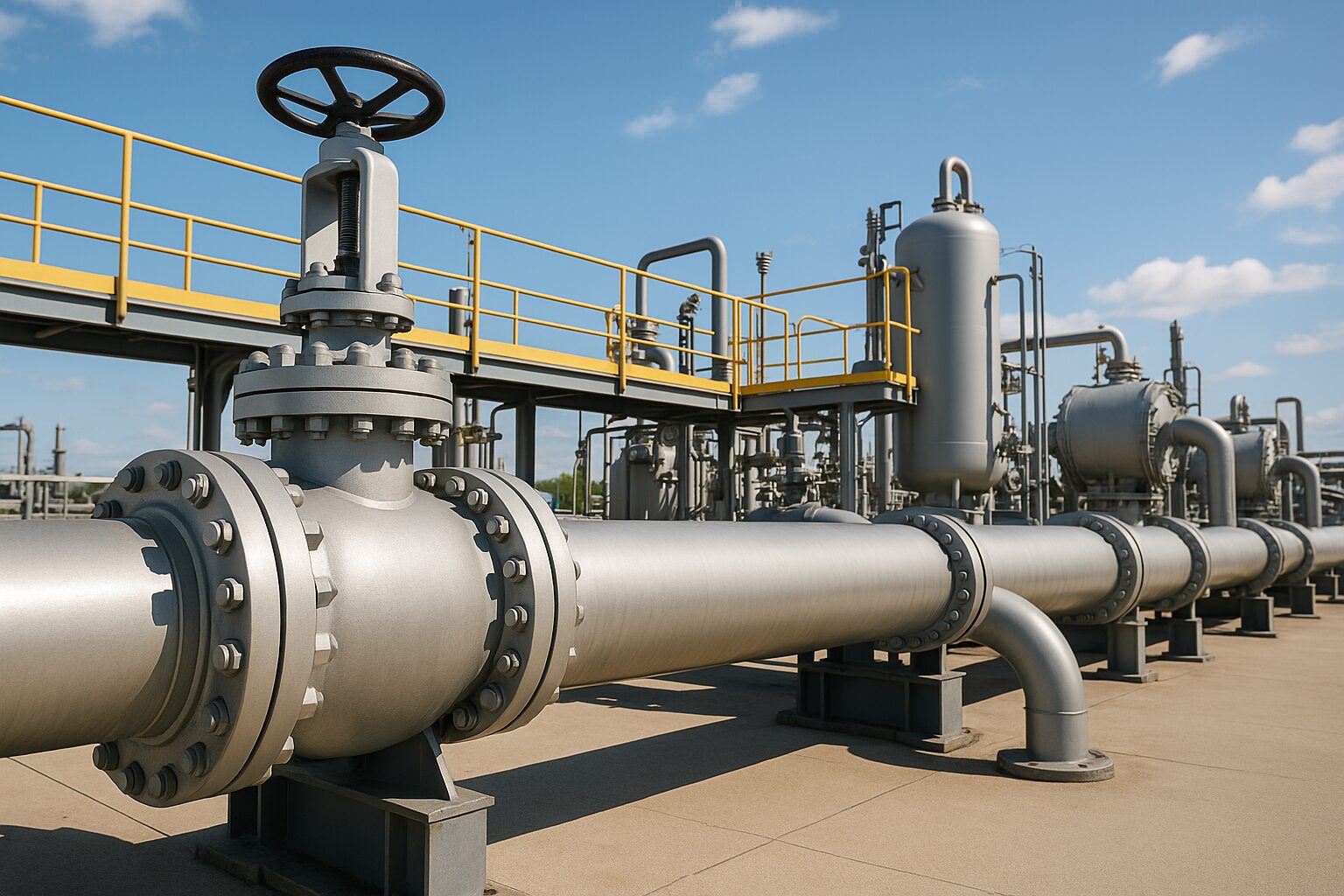
Understand The Strategic Role Of Pipelines And Gas Pipelines In The Dynamics Of Supply, Prices, And Energy Security.
Pipelines and gas pipelines are fundamental to the global economy. They transport oil and natural gas quickly, safely, and efficiently. Understanding how they work and their impact on the market helps comprehend the dynamics of prices and energy supply.
What Are Pipelines And Gas Pipelines?
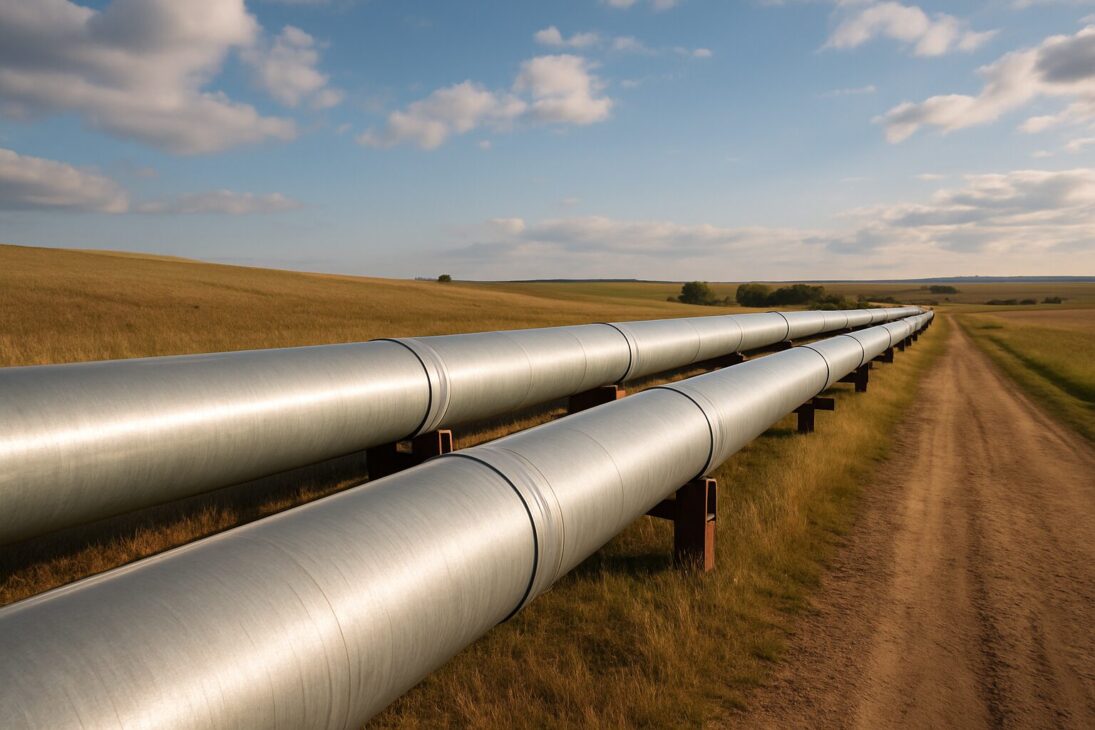
Pipelines and gas pipelines are systems of pipes. They transport large volumes of oil, derivatives, or natural gas. They can cross entire countries, oceans, and remote regions.
These structures are considered safer and more economical than transportation by ships or trucks. This makes pipelines and gas pipelines essential for global energy logistics.
-
Petrobras evaluates suspension of sales to distributors and considers canceling the cooking gas auction following guidelines from the Federal Government.
-
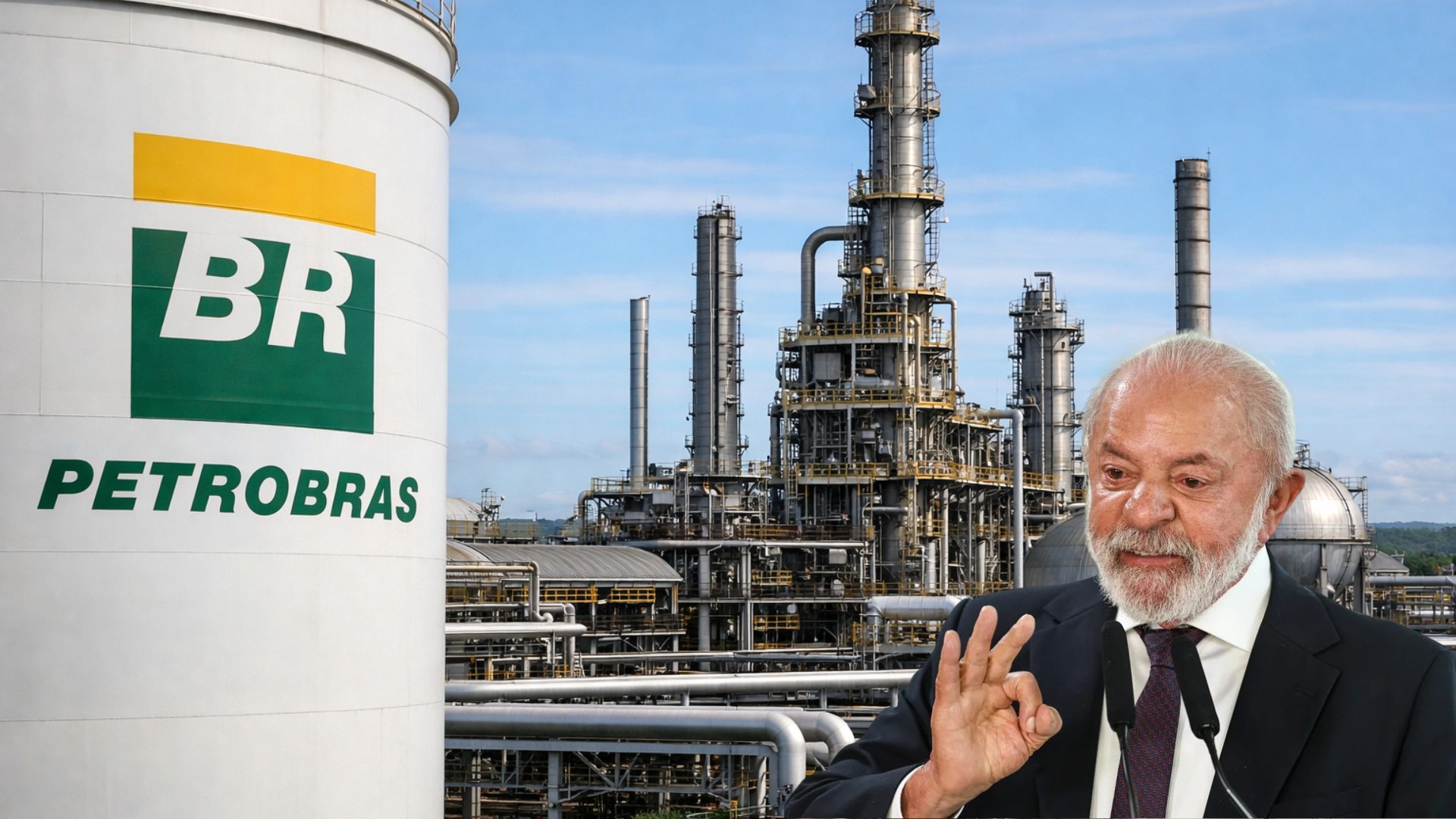
Lula reveals a masterstroke by Petrobras to undo a deal made by Bolsonaro, which involves the return of an important refinery that currently produces less than half of what was expected and makes Brazil dependent on international diesel.
-
A study confirms that the natural gas sector will reduce greenhouse gas emissions in Brazil by 0.5% and accelerate the energy transition by 2026.

-
Petrobras implements a severe adjustment and confirms a 55% increase in the price of aviation kerosene with a proposal for installment payments for the companies.

How Do Pipelines Work?
Pipelines are made of steel or special plastic. They carry crude oil or refined products between production, refining, and consumption locations.
The transport is done under high pressure. Special pumps push the oil through the pipes. Constant maintenance is necessary to prevent leaks and accidents.
How Do Gas Pipelines Work?
Gas pipelines follow the same principle as pipelines. The difference is that they transport natural gas, usually under high pressure or in liquid form.
To achieve this, they use powerful compressors. These maintain the appropriate speed and pressure of the gas throughout the journey.
Major Pipelines And Gas Pipelines In The World
There are famous large projects. The Keystone XL in the United States transports oil from Canada to American refineries.
Another example is the Nord Stream, which carries natural gas from Russia to Europe. These works highlight the geopolitical importance of pipelines and gas pipelines.
Advantages Of Pipelines And Gas Pipelines
Among the main benefits are:
- Lower cost per volume transported.
- Lower environmental impact compared to trucks and ships.
- Lower risk of accidents and spills.
Pipelines and gas pipelines are more efficient and reliable over long distances.
Risks And Challenges
Despite the advantages, there are risks. Leaks can cause environmental disasters. There are also geopolitical risks, with countries competing for control over strategic routes.
Another challenge is maintenance. Old pipelines and gas pipelines need constant inspections and upgrades.
How Do Pipelines And Gas Pipelines Influence The Market?
The cheap and efficient transport directly impacts the price of oil and natural gas. When pipelines and gas pipelines are functioning well, costs decrease.
Problems along these routes, such as sabotage or sanctions, can cause sudden increases in global energy prices.
Impact On The Domestic Market
Within countries, pipelines and gas pipelines ensure supply stability. This reduces production costs, improves the final price to the consumer, and enhances the competitiveness of industries.
Impact On International Trade
In foreign trade, the existence of good pipelines and gas pipelines facilitates exports. Producing countries can sell more and reach new markets.
Those who control strategic pipelines and gas pipelines have an advantage in commercial and political negotiations.
Future Trends
With the increase in energy demand, new networks of pipelines and gas pipelines are being planned. There are projects to connect new sources of oil and gas in regions of Africa, Asia, and Latin America.
The modernization of old pipes is also a priority. New technologies, such as smart sensors, help monitor and prevent accidents.
Pipelines And Gas Pipelines And The Energy Transition
The pressure for cleaner energy sources influences the construction of new pipelines and gas pipelines. Many projects already foresee the transportation of biogas or green hydrogen in the future.
Moreover, old pipelines can be adapted for these new types of energy, taking advantage of the existing infrastructure.
The Strategic Importance Of Pipelines And Gas Pipelines
Beyond the economy, pipelines and gas pipelines hold strategic value. In times of crisis, ensuring energy supply can be the difference between stability and chaos.
Major powers invest heavily to protect these structures, both militarily and diplomatically.
Examples Of Conflicts Involving Pipelines And Gas Pipelines
The conflict between Russia and Ukraine directly impacted the gas pipelines crossing Europe. This raised the price of natural gas and forced several countries to seek new sources.
Another example was the attack on pipelines in Syria during the civil war. These events show how pipelines and gas pipelines are targets in regional disputes.
Pipelines and gas pipelines are pillars of the energy market. They influence prices, policies, and strategies on a global scale. With the search for new sources of energy and the need for energy security, these infrastructures will remain essential in the coming years.









Seja o primeiro a reagir!