





 Portuguese
  English
  Spanish
  5 min of reading
  0 comments


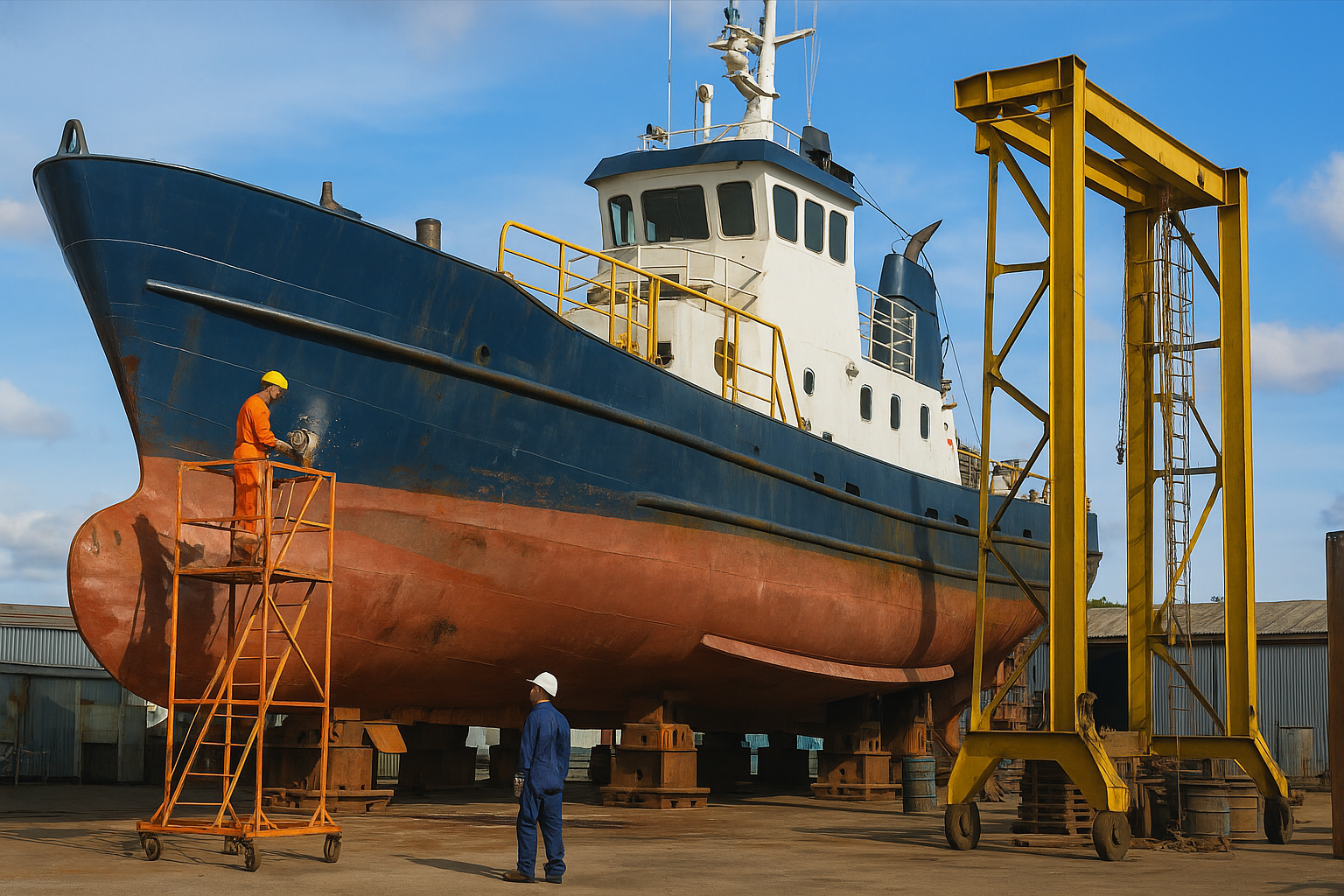
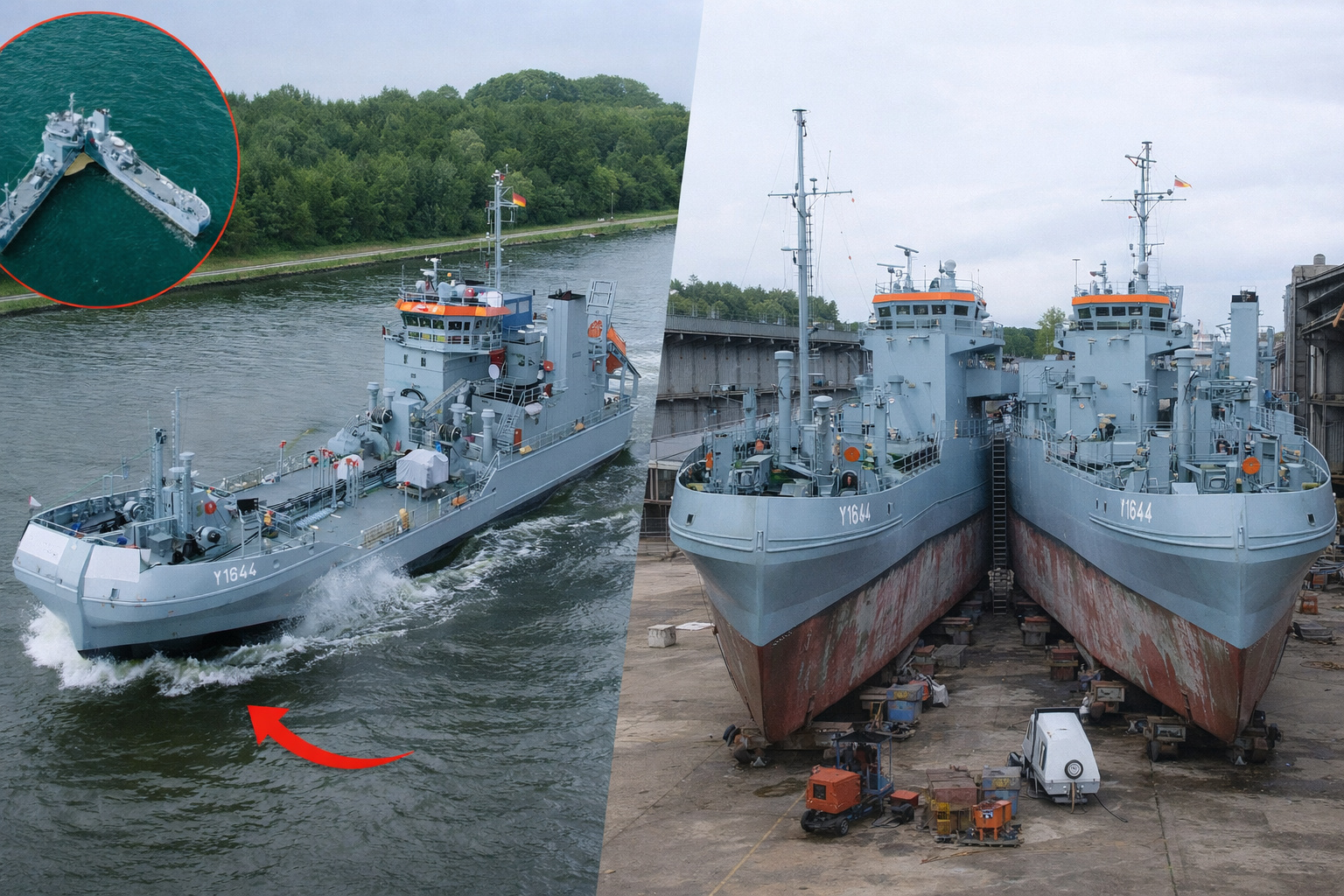
Understand How Ship Repairs Impact the Naval Sector, Generate Jobs, Modernize the Fleet, and Move the Market with Efficiency and Sustainability.
Since the dawn of navigation, when the first wooden vessels were built to cross rivers and seas, the need for maintenance and adaptation has existed.
As naval historian Alfred D. Chandler Jr. highlights, the evolution of vessels directly accompanies the development of human societies and economies.
Thus, from the rustic boats of antiquity to modern steel ships, repairs have always played a fundamental role in ensuring the safety and functionality of these vessels.
-
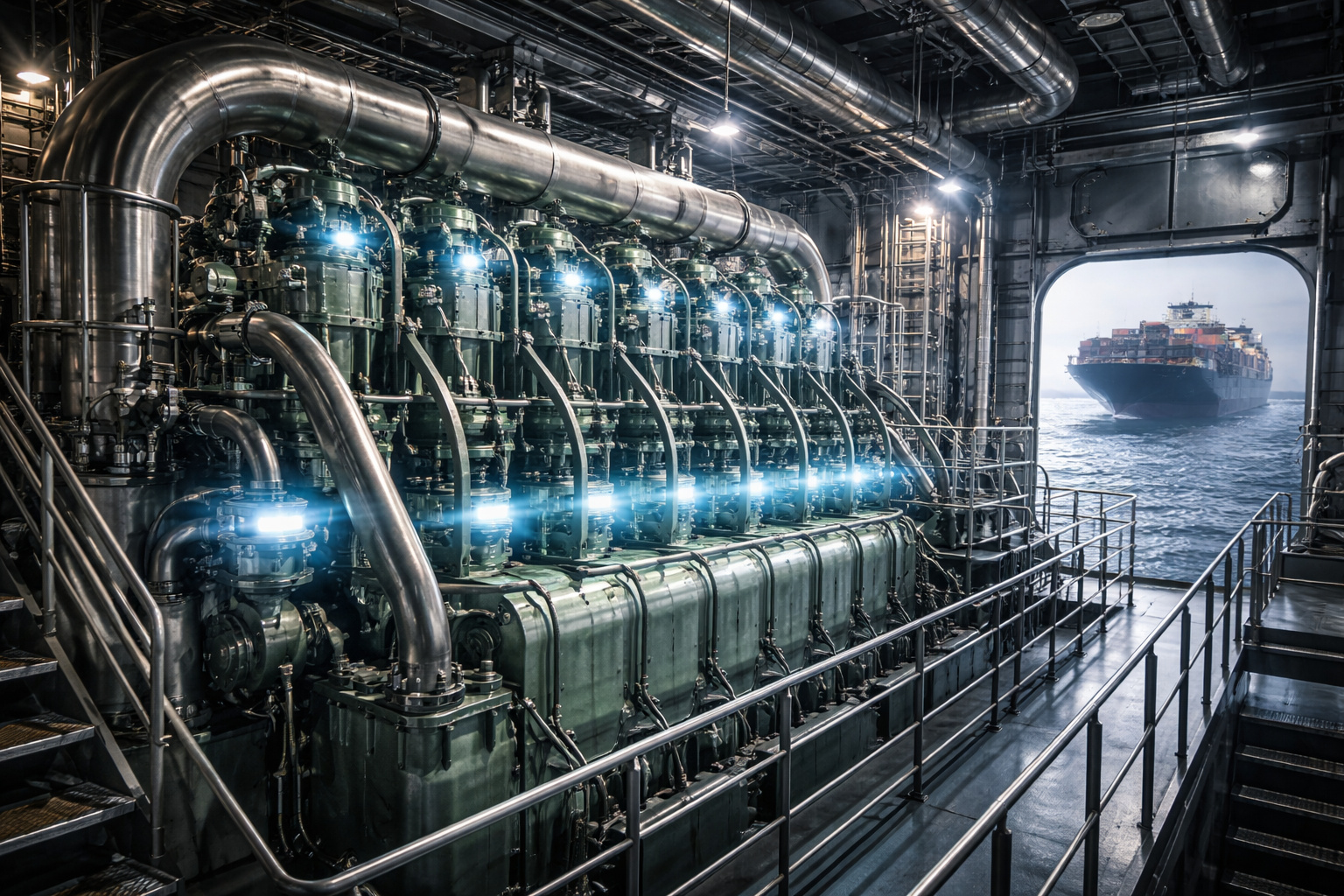
Europe is trying to create an ammonia-powered marine engine without auxiliary fuel, which could unlock the race for giant emission-free ships. The technology aims to eliminate one of the biggest obstacles to clean maritime propulsion.
-
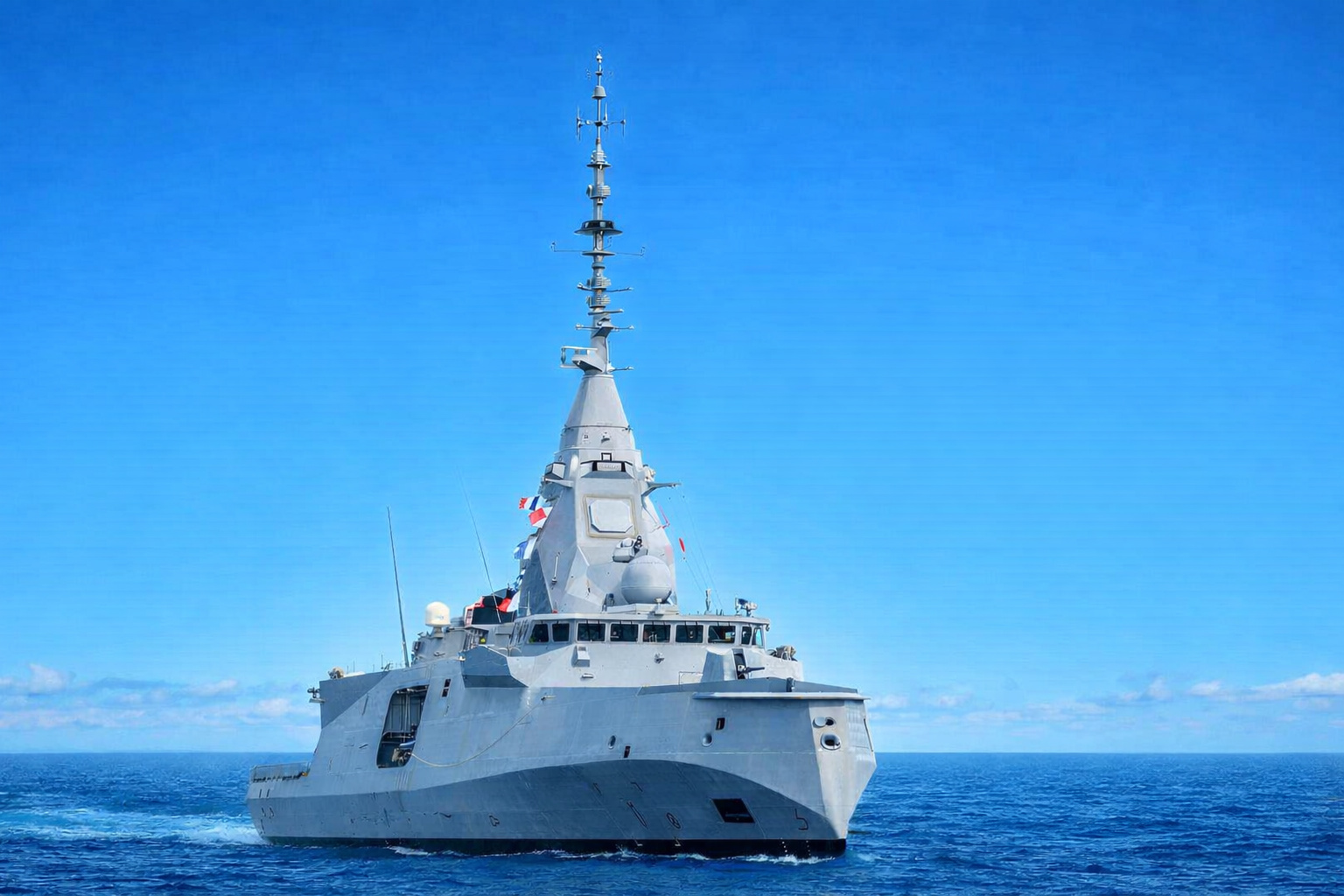
A 4,500-ton frigate with just over 100 crew members, state-of-the-art radar, and cruise missiles is being touted as the new standard of naval warfare in the 21st century.
-
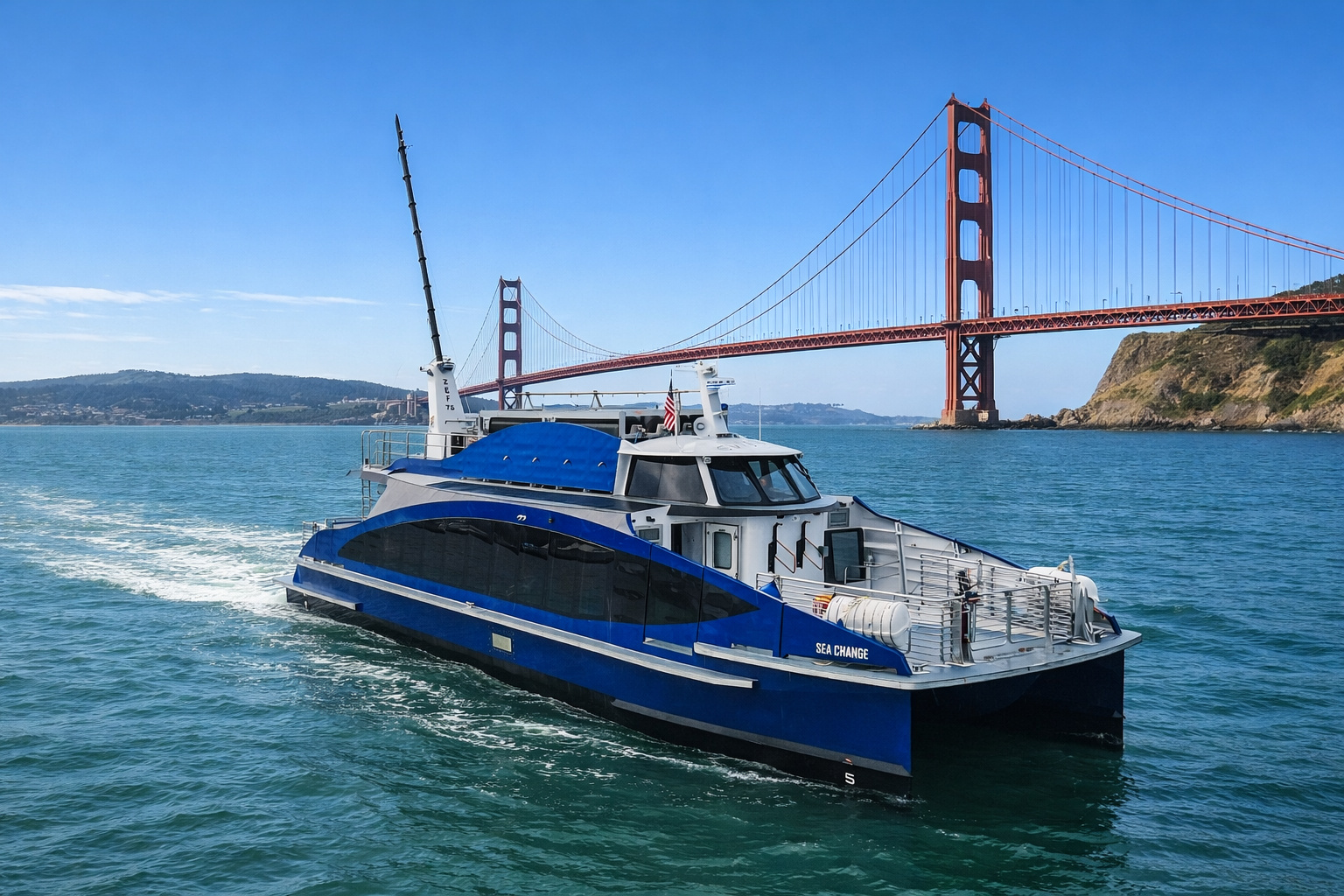
The first commercial hydrogen-powered ferry enters operation in the U.S., eliminates the use of diesel, uses fuel cells to generate clean energy on board, and transforms San Francisco Bay into a landmark of the new era of emission-free navigation.
-
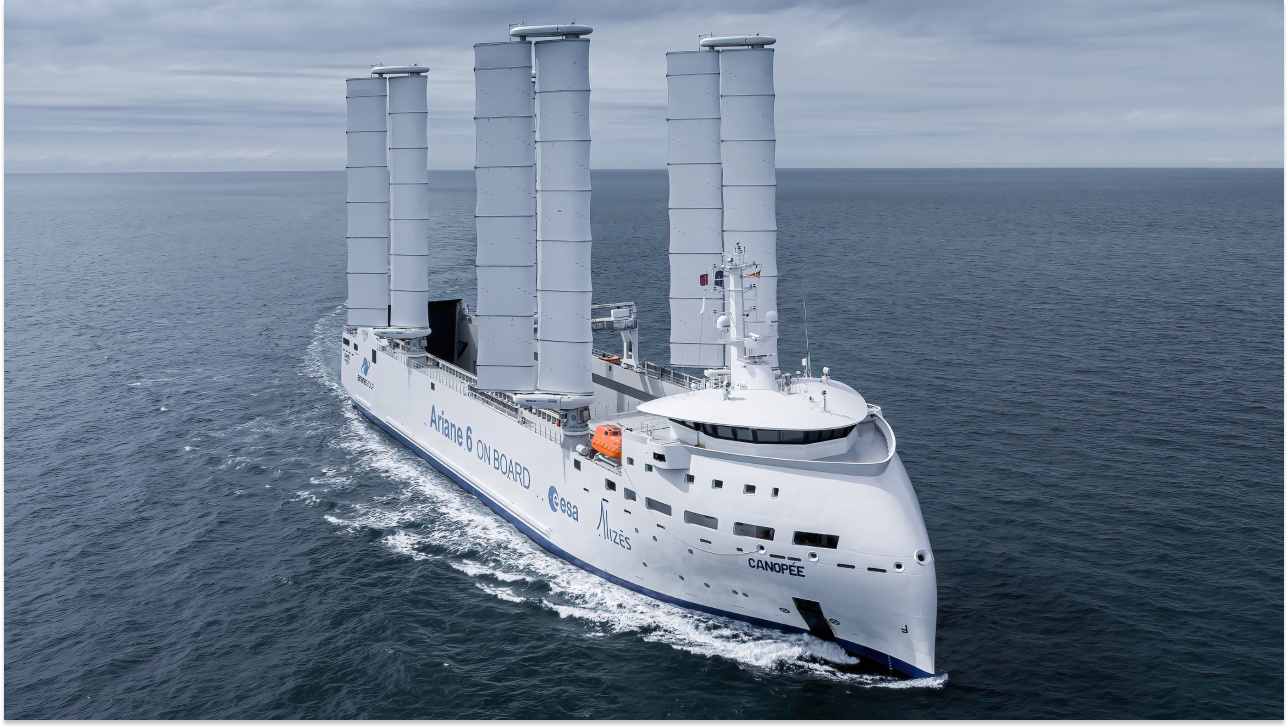
With a length of 121 meters and four rigid sails of 36 meters that automatically rotate to capture the wind, Canopée is the world’s first hybrid industrial cargo ship powered by wind, used to transport rockets and reduce fuel consumption by up to 30% on transoceanic routes.

According to the National Institute of Studies and Research (INEP), ship repairs are not limited to the recovery of damages but also encompass modernizations and adaptations to current safety and environmental standards.
They prolong the lifespan of ships, allowing them to continue operating efficiently and safely.
Historically, the naval repair process began in a rudimentary manner, with carpenters replacing damaged parts, such as planks and sails.
As detailed in the book “The History of Naval Engineering” by Thomas Lamb, in the 19th century, with the advent of steel and steam engines, repairs began to include complex structural adaptations to accommodate new technologies.
Moreover, the Institute of Technological Research (IPT) indicates that starting in the 1990s, stricter international regulations, promoted by organizations such as the International Maritime Organization (IMO), began to require frequent repairs for older vessels to remain compliant.
These updates include exhaust systems, emission controls, and waste treatment, essential to minimizing the environmental impact of maritime operations.
The Historical Role of Naval Repairs
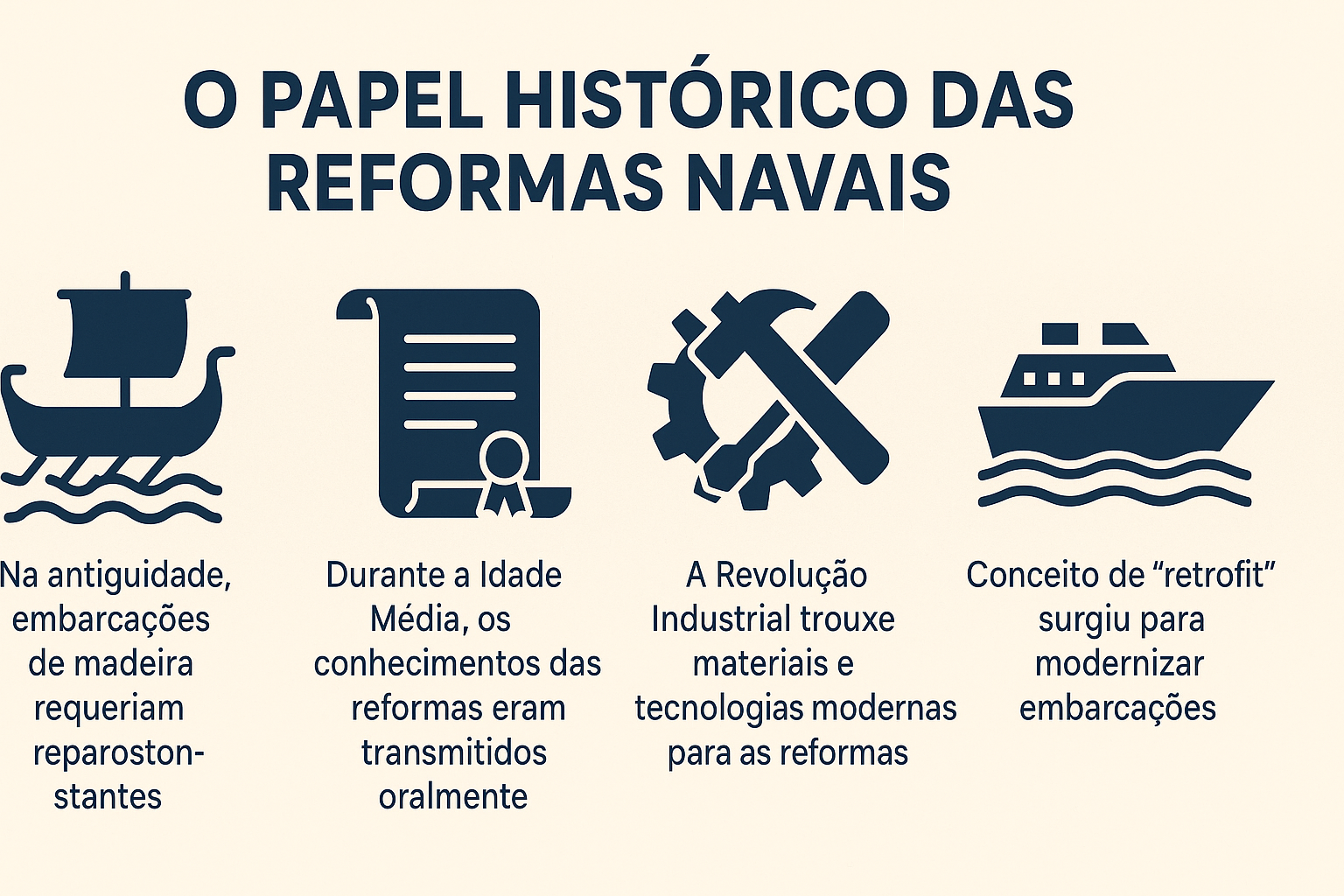
In antiquity, people navigated in vessels built with local materials, such as wood and natural fibers, which required constant repairs.
The maritime archivist at the University of Southampton, Dr. John Wilcox, points out that in the Middle Ages, repairs were often conducted in simple shipyards, and knowledge was transmitted orally, without technical documentation.
With the Industrial Revolution, the scenario changed drastically.
The use of steel and the introduction of steam propulsion demanded modern shipyards and specialized labor to execute repairs.
According to the historical report from the Institute of Naval Engineering (IEN) published in 2018, between the 19th and 20th centuries, shipyards gained more structure and began to offer retrofit services.
A concept that includes modernizing the vessel with the installation of current technologies.
Thus, repairs transitioned from simple fixes to becoming a strategy to keep vessels competitive.
The International Maritime Organization (IMO), an organization linked to the UN, has been updating its environmental standards since the 1980s, which has intensified the demand for repairs.
Especially for reducing pollutant gas emissions.
The official IMO website reports that between 2000 and 2020, there was an acceleration in environmental regulations that directly impacted the naval sector.
Making repairs essential for the operation of vessels.
Strategic Advantages of Ship Repairs
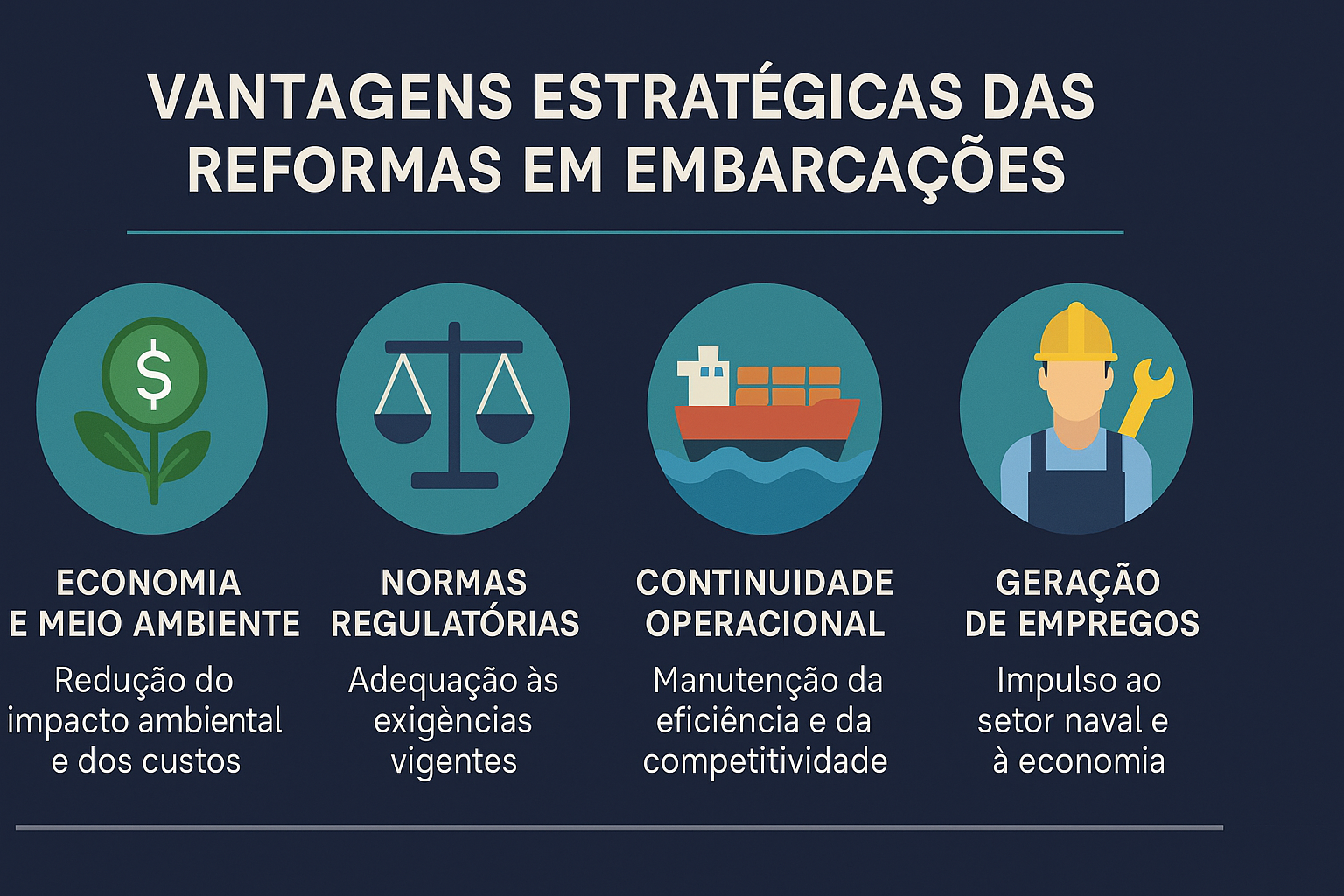
Investing in repairs often presents economic and environmental advantages over buying new vessels.
The World Bank, in a 2021 report on maritime sustainability, highlights that repairs prevent the premature disposal of materials, reducing environmental impact and the costs of building new ships.
Moreover, the Brazilian Institute of Environment and Renewable Natural Resources (IBAMA) emphasizes that:
Vessels that are repaired with modern technologies have lower fuel consumption and reduced emissions, contributing to combating climate change.
Repairs also ensure compliance with current regulatory standards.
For example, the IMO and national bodies such as the National Agency of Waterway Transportation (ANTAQ) in Brazil set strict standards for safety equipment, pollutant control, and navigation systems.
According to ANTAQ data, between 2015 and 2023, there was a significant increase in the need for repairs to adapt to new standards, directly impacting the Brazilian fleet.
Therefore, vessels that undergo repairs remain eligible to operate legally, ensuring business continuity and competitiveness in the global market.
Economic Impacts and the Production Chain

Ship repairs generate significant economic movement, according to studies by the Ministry of Economy of Brazil.
The naval sector is one of the largest employers in coastal regions such as Santa Catarina and Rio de Janeiro.
Where shipyards hire thousands of specialized professionals to perform repairs.
The Institute of Applied Economic Research (IPEA) indicated in a 2022 report that naval repairs contribute to the generation of direct and indirect jobs, boosting the local economy.
Additionally, shipowners and logistics companies benefit from repaired vessels operating more efficiently, reducing operational costs.
Maritime tourism is also positively impacted, as leisure and cruise vessels need to be updated to meet customer expectations and safety standards.
For instance, the Ministry of Tourism highlights that the modernization of vessels boosts the nautical tourism segment, which has been growing by about 8% annually in Brazil.
Furthermore, repairs encourage technological development and strengthen the production chain of nautical materials, such as paints, equipment, and electronic systems.
Repairs as a Source of Innovation and Technology
The naval industry has leveraged repairs to introduce technological innovations.
According to a report from the International Association of Naval Engineering (IANS):
The adoption of digital technologies, such as sensors for remote monitoring and automation systems, increased by 40% between 2015 and 2023.
Moreover, sustainable solutions, such as the use of solar energy, hybrid engines, and eco-friendly coatings for the hull, have been applied in repairs to reduce environmental impact.
Startups specializing in maritime technology have also developed products for retrofitting, expanding modernization options.
This trend of innovation during repairs contributes to keeping older vessels relevant in an increasingly competitive market.
In summary, ship repairs play a fundamental role in the naval sector, ensuring safety, efficiency, and sustainability.
According to the National Institute of Studies and Research (INEP), these repairs directly impact the economy, the environment, the job market, and cultural preservation.
Moreover, with the advancement of international norms and environmental demands, repairing vessels has become an essential strategy for prolonging fleet lifespan.
In light of the challenges, technological innovation and professional qualification emerge as pathways to a promising future.
Thus, repairs not only keep vessels sailing but also drive the global naval market toward a more sustainable and competitive scenario.








Seja o primeiro a reagir!