





 Portuguese
  English
  Spanish
  3 min of reading
  0 comments


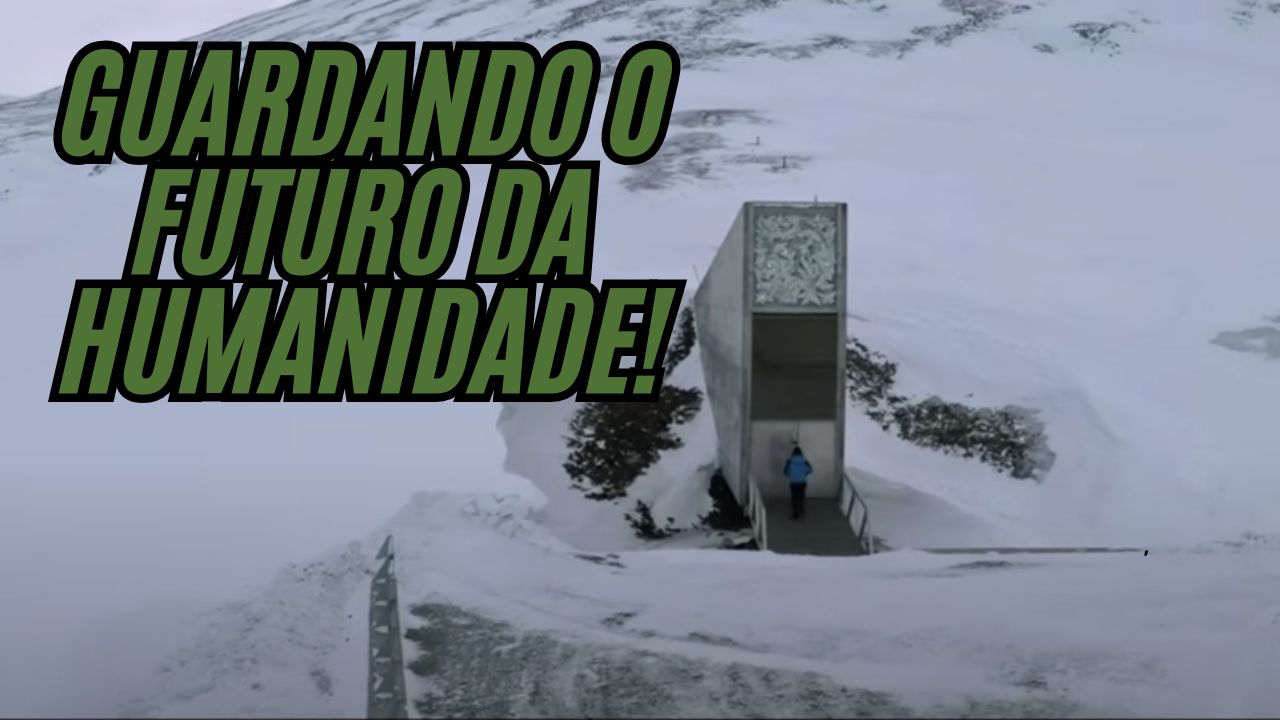
In The Frozen Heart Of The Svalbard Archipelago In Norway, There Is A Place That Seems Straight Out Of A Sci-Fi Movie: The Global Seed Vault. Known As The Safest Place On Earth, It Is Accessible Only Six Times A Year And Has A Mission Nothing Less Than To Save The Future Of Earth.
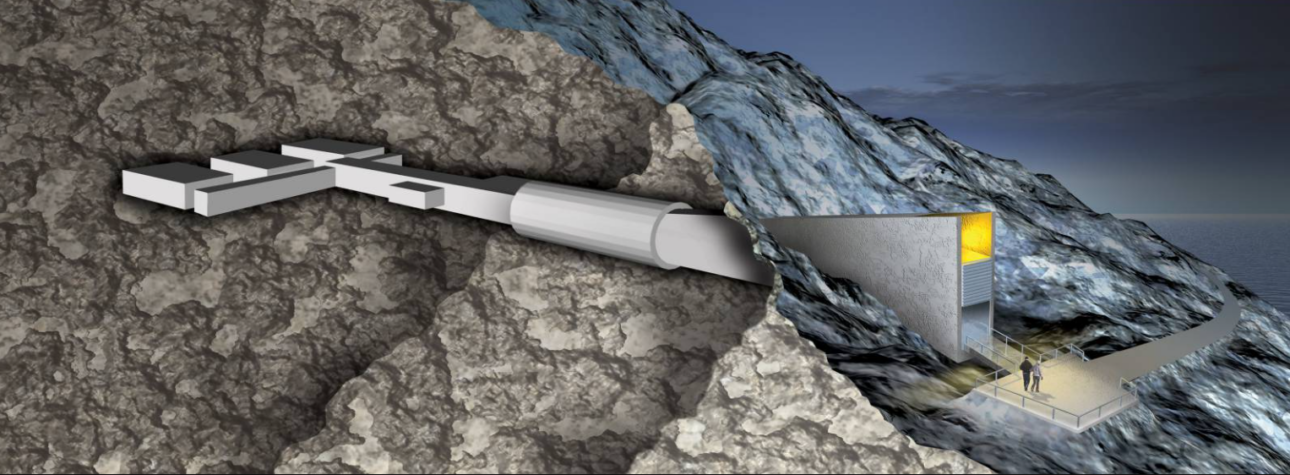
The installation of the safest place on Earth, inaugurated in 2008, is a repository for over a million seed samples from all corners of the world. Located inside a mountain, the Vault was designed to withstand the most extreme adversities, such as climate change, wars, and natural disasters. Its storage chambers, protected by layers of solid rock and temperatures maintained at -18 degrees Celsius, ensure seed preservation for centuries.
A Fortress Of Biodiversity
The choice of Svalbard as the home of the Global Seed Vault was not random. The archipelago offers a natural environment of permafrost, which acts as an extra layer of security in case refrigeration systems fail. Inside the mountain, the chambers are protected by armored doors covered in ice, creating an atmosphere of mystery and grandeur.
But access to this extraordinary place is restricted: only six times a year, scientists and representatives from partner institutions visit the Vault to deposit new samples. Among these institutions are the Norwegian government, the Crop Trust, and the Nordic Genetic Resource Center (NordGen).
-
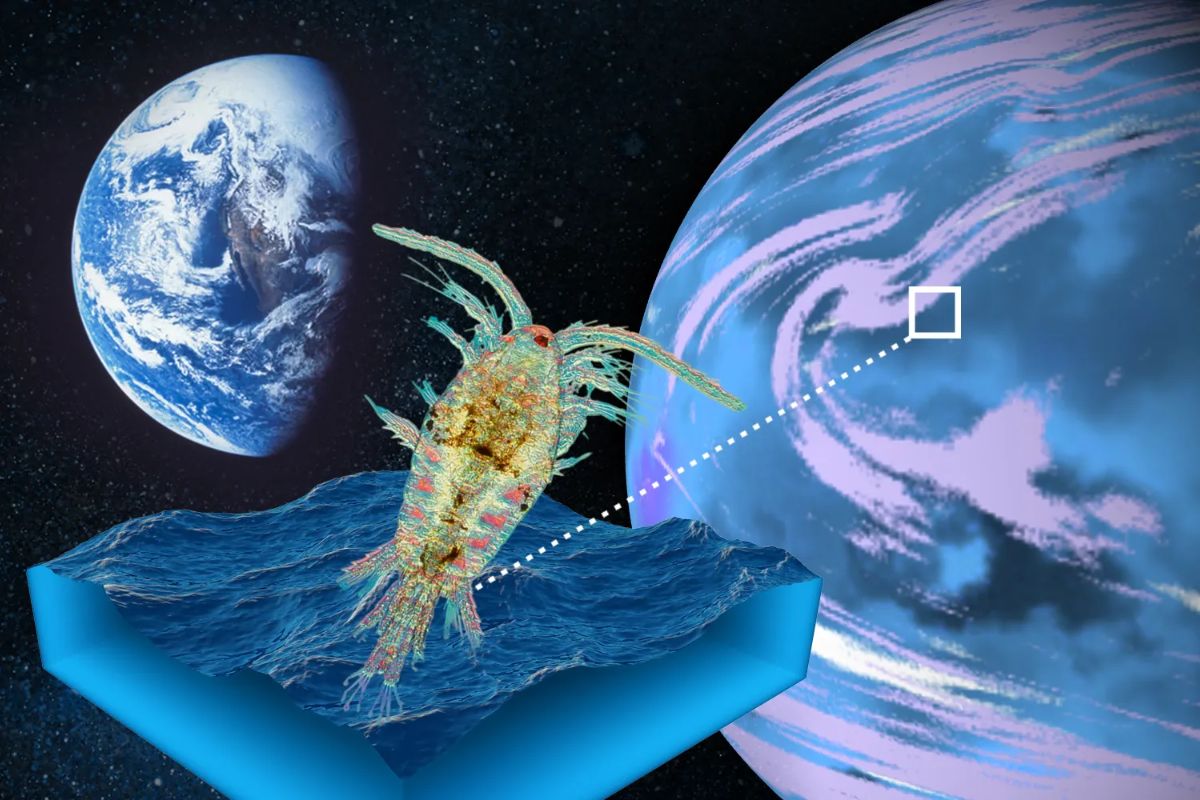
What the James Webb telescope found on the planet K2-18b is raising alarms in the scientific community: gases that on Earth only exist because of living organisms have been detected in the atmosphere of an oceanic world 124 light-years away from us.
-
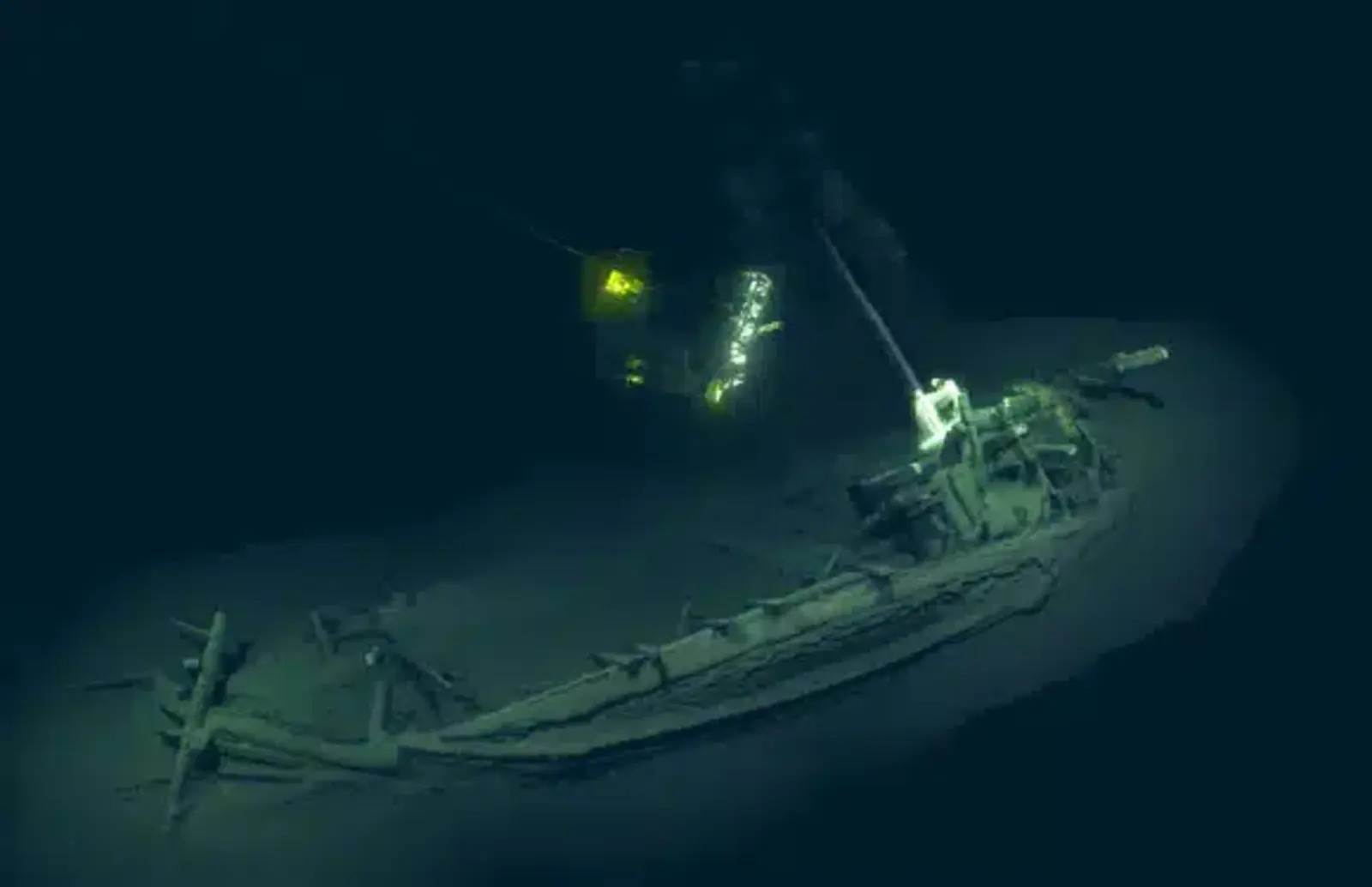
Divers found a nearly intact 23-meter Greek ship on the bottom of the Black Sea, so well preserved that it seems to have been frozen in time for 2,400 years.
-
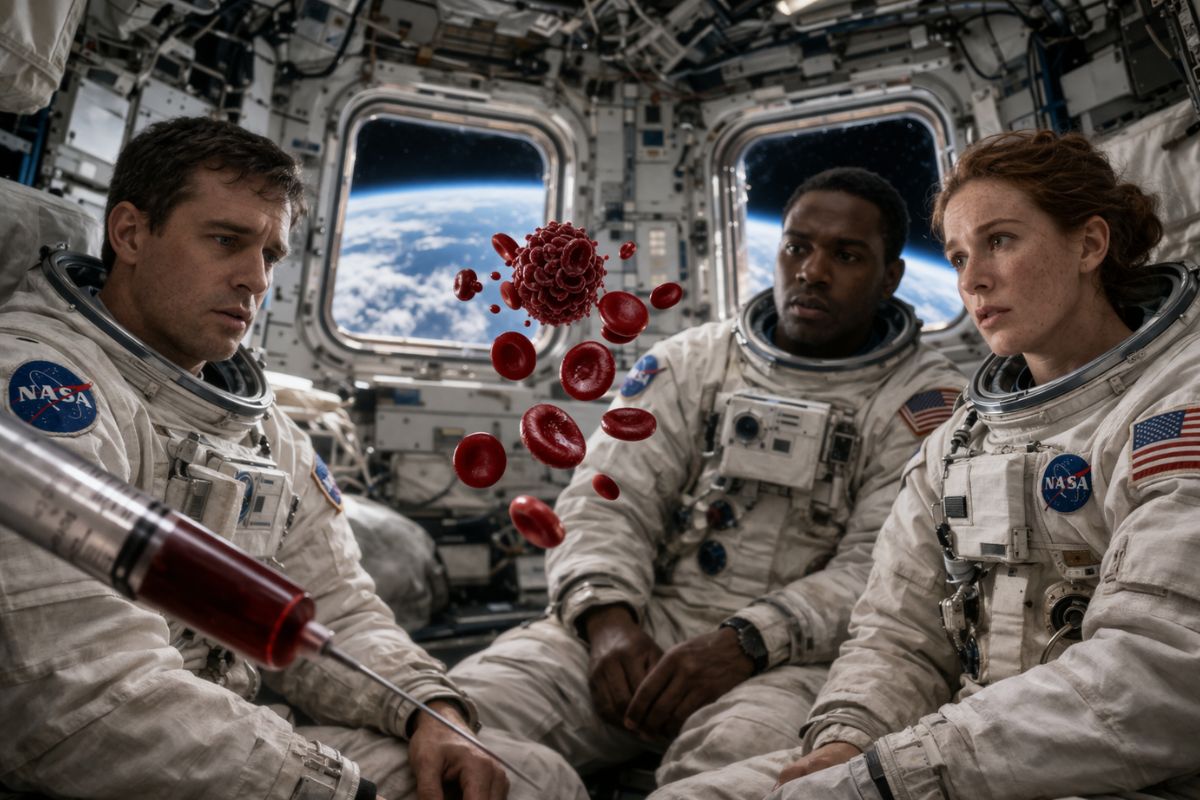
The blood of astronauts is undergoing mutations in space, coagulating too much when it shouldn’t and too little when it needs to: three recent discoveries reveal that our bodies were simply not made to live outside of Earth.
-
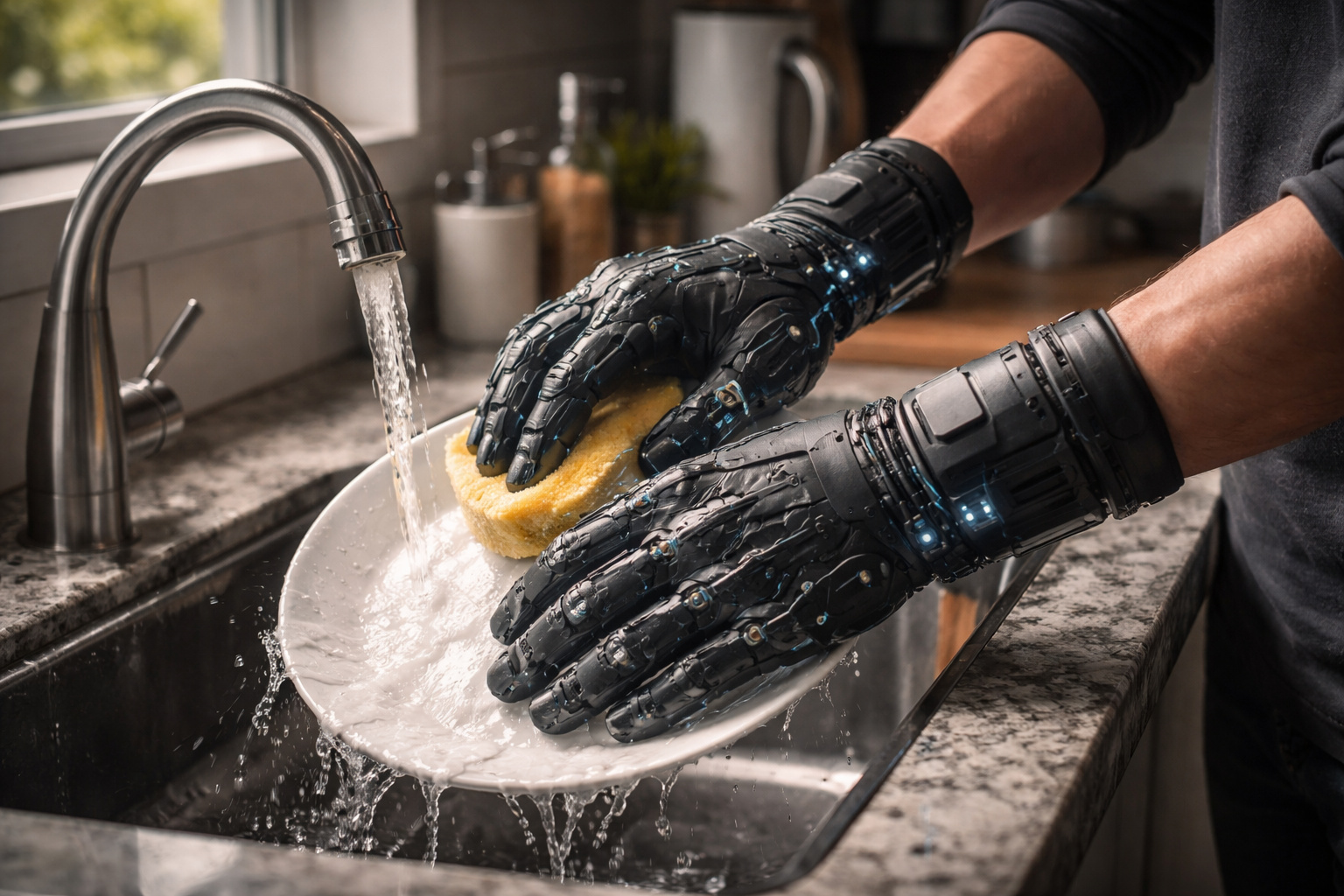
A startup sends robotic gloves for users to wear at home while washing dishes, folding clothes, and making coffee; every finger movement is recorded and sent back to train a domestic robot that has already learned 10 million real tasks without ever having entered a kitchen.

The Global Impact And The Help Of The Safest Place On Earth
The Global Seed Vault has a clear mission: to prevent the extinction of agricultural crops in cases of global crises such as wars, pandemics, or natural disasters. Each sample stored there is a backup of the planet’s agricultural biodiversity, with the potential to reactivate food production in extreme scenarios.
For those who will never have the chance to physically step into the safest place on Earth, there is an alternative: virtual tours. These digital excursions take the public through snowy landscapes, crossing the concrete tunnel that leads to the seed chambers. It’s a way to experience, even from afar, the grandeur of this project.
More Than A Structure, A Symbol
Besides the practical function of the safest place on Earth, the architecture of the Seed Vault is also striking. The entrance, a modern structure that juts out from the snow-covered mountain, is the only visible point from the outside. This has fueled conspiracy theories about its purposes, but the reality is much nobler: to preserve agricultural diversity for future generations.
Inside, large storage chambers house the seeds on an impressive scale. Although small in size, they carry the history and evolution of thousands of years of agriculture, representing the hope for a more resilient future.
Why Does It Matter?
In an increasingly vulnerable world to climate change and global crises, the Global Seed Vault, located in what is considered the safest place on Earth, is a symbol of preparedness and hope. It reminds us that the solution to the challenges of tomorrow may already be being cultivated today in the depths of a frozen mountain in Norway.





-

2 pessoas reagiram a isso.