





 Portuguese
  English
  Spanish
  3 min of reading
  33 comments





The MAA-1 Piranha Is the Brazilian Supersonic Missile That Redefines National Air Defense. With a Speed of Up to 4,321 km/h, Infrared Guidance, and a Range of 10 km, It Combines Precision and Technological Innovation. Developed by Mectron and the Brazilian Air Force, This Weapon Positions Brazil Among Global Leaders, Symbolizing Sovereignty and Advancements in Military Engineering.
A Brazilian technological innovation is making its mark among the significant advances in global defense. Behind the wings of the Brazilian Air Force’s (FAB) fighters, lies a weapon that is as powerful as it is discreet.
Little known, it can traverse the skies at impressive speeds and intercept targets with surgical precision.
But what makes this national creation so special? Why is it considered a milestone in Brazil’s military engineering?
-
With 310 meters, 80 thousand tons, and capable of operating for 45 years, the new nuclear aircraft carrier France Libre will be the largest in France and will enter service in 2038.

-
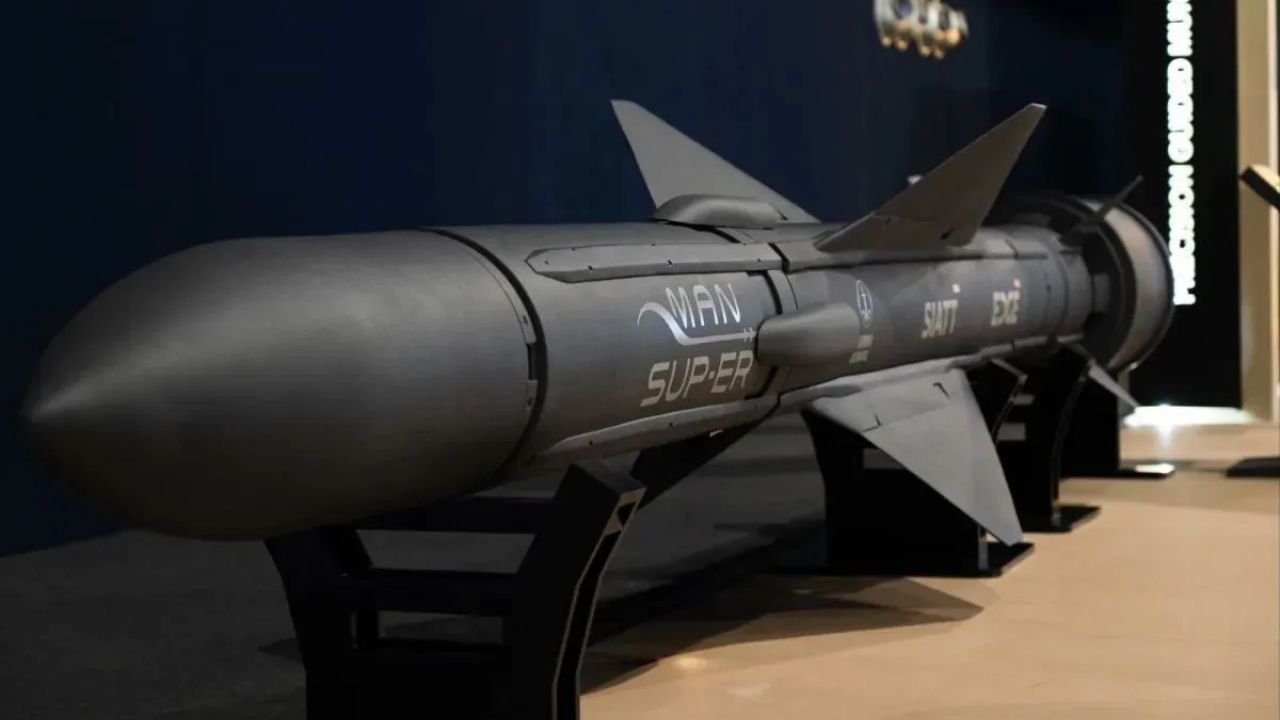
Brazil accelerates the evolution of the MANSUP missile, designing an air-surface version with a range exceeding 200 km, advanced guidance, and precision strike capability against land and naval targets, paving the way for a new generation of national armaments with global potential.
-
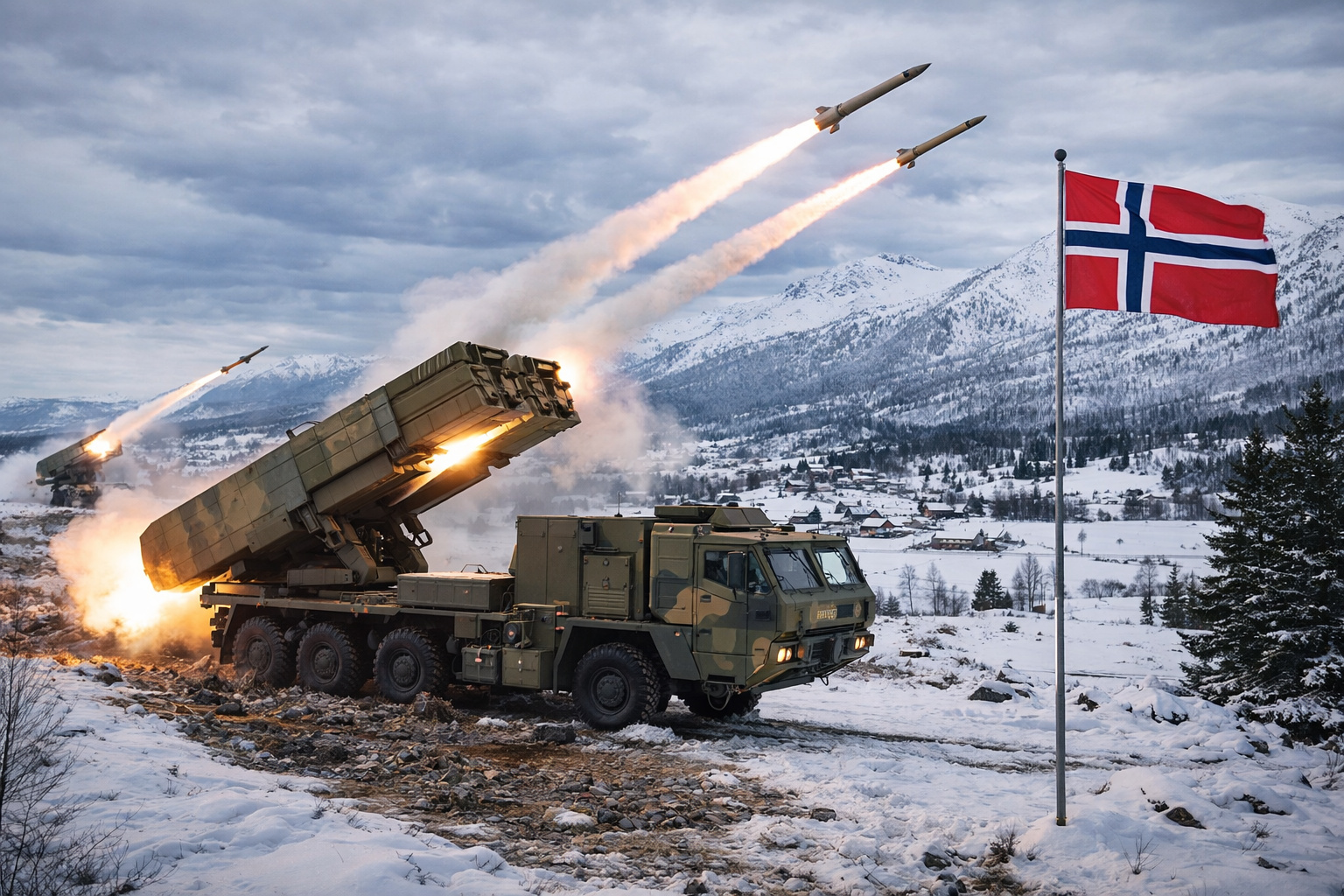
South Korea signs a $922 million deal with Norway, bringing Chunmoo launchers capable of firing guided missiles up to 290 km with an accuracy of 15 meters to Europe and turning the system into a key component of the new global race for precision artillery.
-
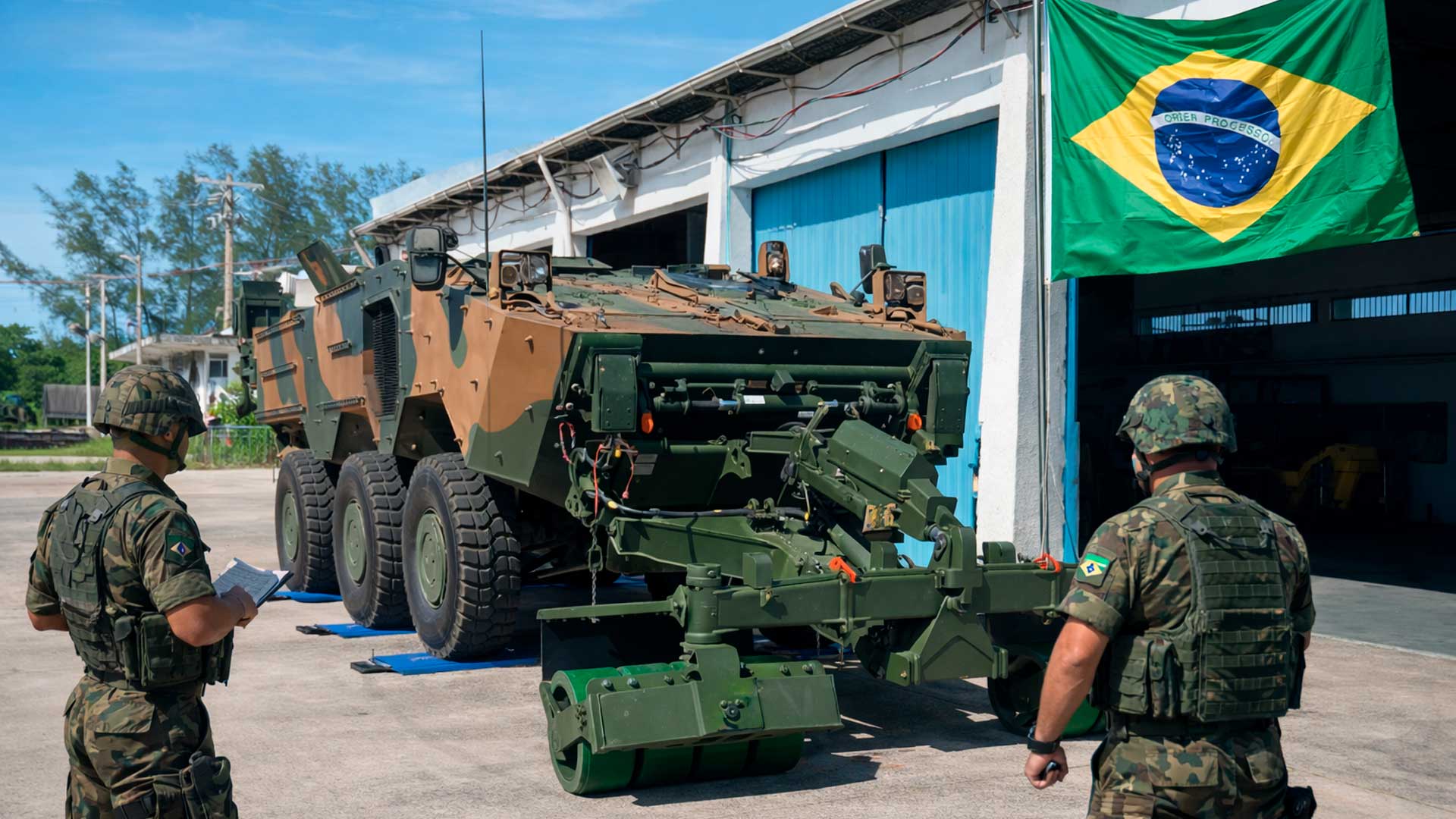
Brazil advances with decisive tests until June, the 6×6 Guarani armored vehicle with engineering equipment enters the most important phase and can enhance the operational capability of the Army.

Discover the secrets behind the MAA-1 Piranha missile, a true masterpiece of national technology.
A 100% Brazilian Weapon
The MAA-1 Piranha, the first air-to-air missile developed in Brazil, is not just a piece of defense but also a symbol of technological independence.
Designed to be guided by infrared, it is capable of hitting targets within visual range and offers impressive precision.
This revolutionary project began in the 1970s when the FAB sought to replace the AIM-9B Sidewinder missiles, avoiding dependence on the United States in the event of embargoes.
After decades of research, technical challenges, and financial crises, the missile was approved in 1998 and became a milestone in the history of national engineering.
Features That Impress
The MAA-1B, the most advanced version of the Piranha, impresses with its specifications. It reaches a maximum speed of Mach 3.5 (about 4,321 km/h) and has a range of up to 10 km, capable of hitting targets at an altitude of up to 8 km.
In comparison to the RBS 70 system currently used by Brazil, the Piranha stands out for being much more efficient and modern.
Moreover, the missile has an infrared guidance system that allows for tracking targets with extremely high accuracy.
This technology makes it immune to countermeasures, such as flares used by aircraft to deceive heat-seeking missiles.


A Project Full of Challenges
Developing the MAA-1 was a journey full of ups and downs. In the 1980s, the project faced delays due to the economic crisis and the bankruptcy of partner companies. Nevertheless, Brazilian engineers continued to work to overcome barriers.
In 1994, the company MECTRON took over the missile’s development, bringing new tests and improvements. Finally, in October 1998, the Piranha was approved with support from South Africa.
Since then, it has undergone continuous updates, ensuring its effectiveness in modern air combat.
Comparison With Other Missiles
The evolution of the Piranha is even more evident when compared to foreign missiles, such as the American AIM-9-X and the Israeli Python III.
Equipped with a dual-band infrared detector, the MAA-1 has the ability to “see” the entire target image, reducing the chance of error.
However, there is room for improvements. Experts suggest that replacing the 14 kg warhead with a fragmentation warhead, weighing about 2 kg, could increase its efficiency against modern aircraft. Additionally, adopting new fuels or boosters could extend the missile’s range to up to 30 km.
The Future of Brazilian Air Defense
Despite budget limitations, the Piranha is a key component of the FAB’s defense strategy. It equips aircraft such as the A-29 Super Tucano, the A-1 AMX, and the F-5 Tiger II, providing agile and precise defense against aerial threats.
Furthermore, the success of the Piranha has opened doors for new projects. The experience gained by MECTRON in revitalizing AIM-9H missiles and developing anti-radiation missiles demonstrates Brazil’s potential in the defense sector.
The MAA-1 Piranha is not just a missile; it is a symbol of overcoming and innovation. It places Brazil in a prominent position on the global stage, showing that the country is capable of developing cutting-edge technology to protect its airspace.
What do you think about the impact of this technology on national defense? Share your opinion in the comments!







Não é o da foto rsrs.
A Mectron já deixou de existir ja faz algum tempo. O maa-01 é um míssil de 3° geração já obsoleto. A FAB fez a opção por equipar seus caças com o missil Iris-T de 5° geração .
Passos estrategico da industria brasileira rumo futuro no desenvolvimento de tecnologia 100% brasileira. GPS 1100% nacional? Quando?
Chega de complexo de vira-lata de ex presidente…..q daria o projeto pra EUA.
.