





 Portuguese
  English
  Spanish
  4 min of reading
  0 comments


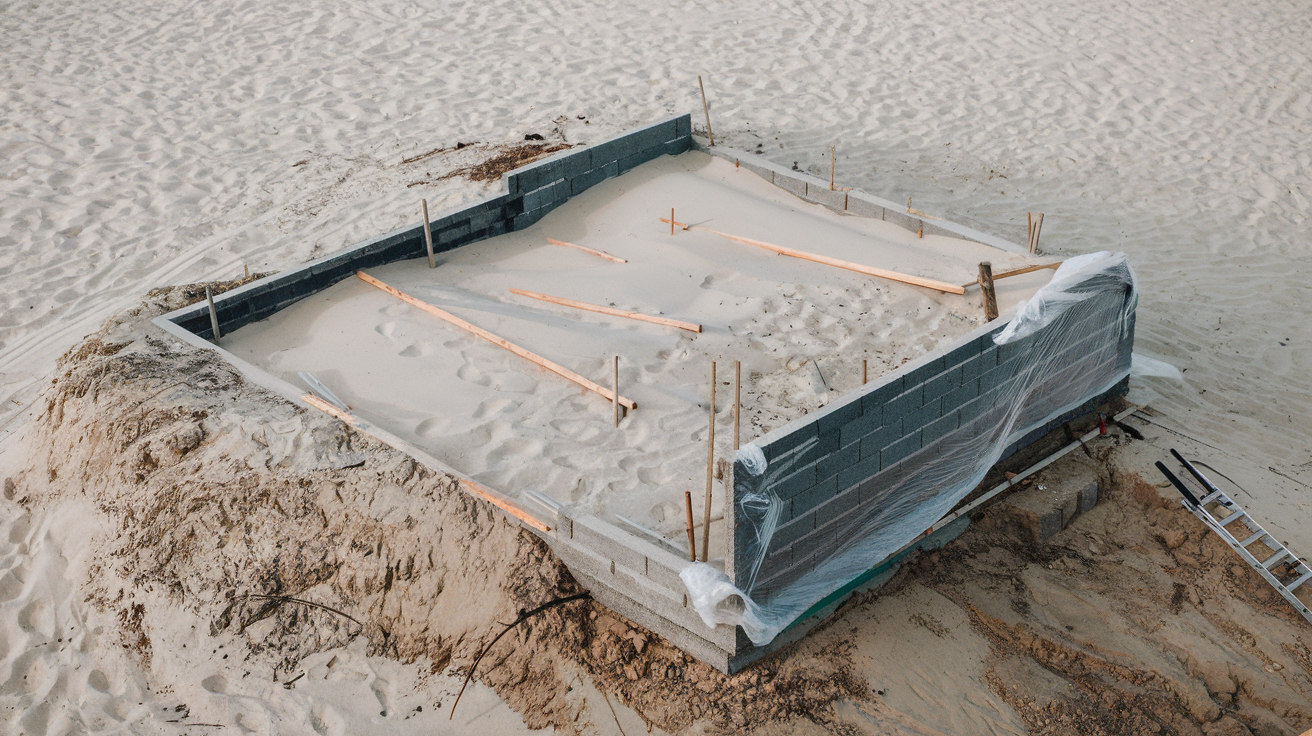
Construction With Sea Sand Can Be a Great Danger and the Reasons Will Surprise You. Understand Why Sea Sand Should Not Be Used in Civil Construction.
In recent decades, the use of concrete in buildings has grown exponentially. While many are concerned about the scarcity of cement, there is another essential material for its production that also faces challenges: sand. This resource is becoming increasingly scarce worldwide, leading some people to seek alternatives that can be dangerous for civil construction.
One such alternative is the use of sea sand, a practice that can seriously compromise the structural safety of buildings. In this article, we will explain why this choice can be a critical mistake in civil construction and what the risks involved are.
Why Sea Sand Should Not Be Used in Civil Construction?


At the end of the 1990s, a case caught attention in Brazil: the collapse of the residential building Palace 2. At the time, rumors circulated in the media claiming that the builder and politician Sérgio Naya had used sea sand in the building’s structure, which would have caused its complete ruin, but this claim is not true.
-
A strong earthquake in Indonesia affects houses and schools, causes panic, triggers a tsunami alert, and records a rise in sea level of up to 30 centimeters in some areas.
-
The Argentine government celebrates the lowest poverty rate in 7 years, but experts warn that the methodology has changed, real wages have fallen, unemployment has risen, and the number of people on the streets of Buenos Aires has increased by 57% since Milei took office.

-
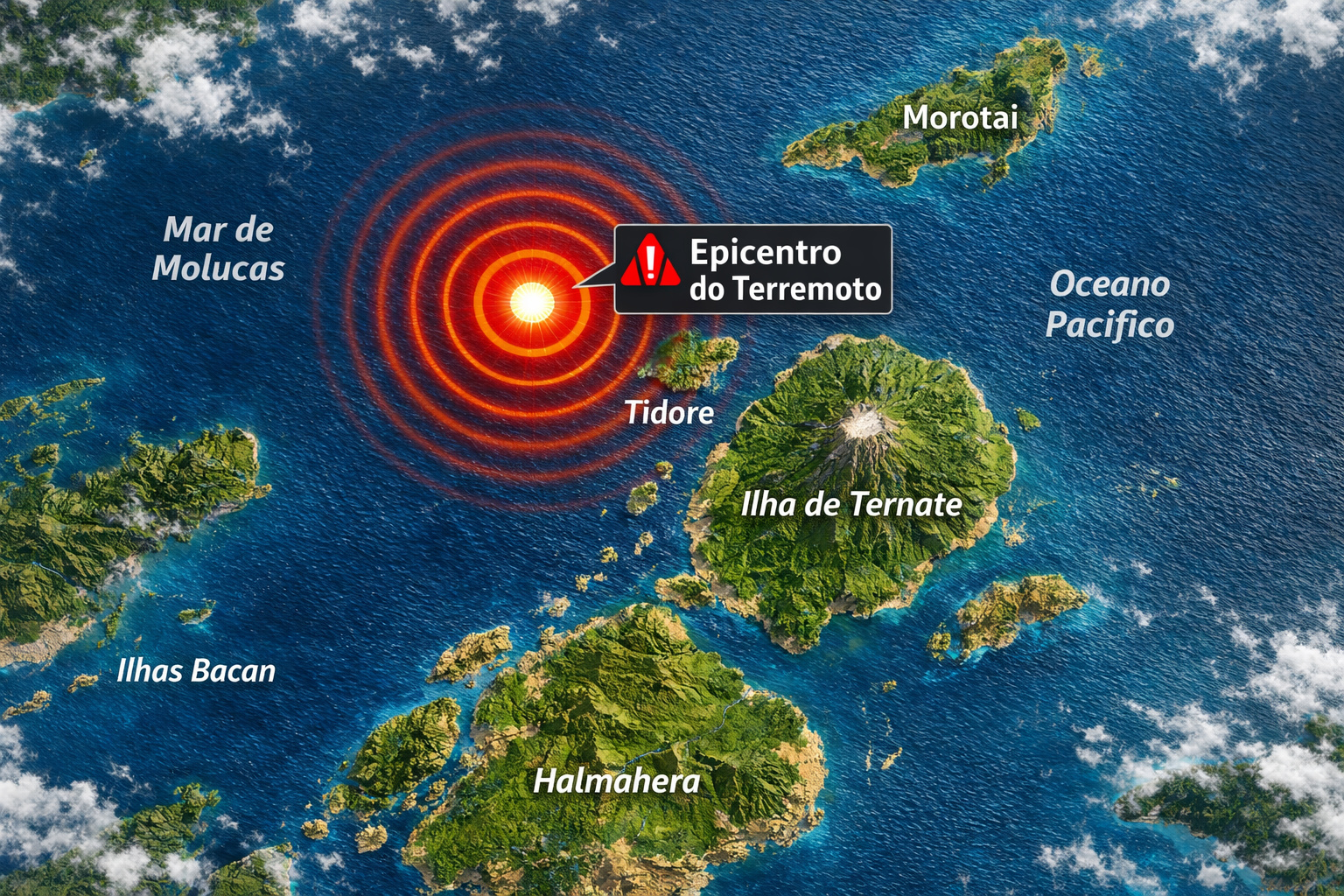
7.8 magnitude earthquake in Indonesia frightens the population, triggers tsunami alert, and hits an island with over 200,000 inhabitants this Thursday.
-
Google will finally let you change that embarrassing Gmail address you created in your teenage years without losing any accounts, logins, or old emails: the feature is already available in the United States.


In reality, the cause of the collapse was a design error: 31 of the 42 pillars were built with flaws and were undersized. Instead of supporting 480 tons, each one had a maximum capacity of only 230 tons. As a result, the 23-story structure could not withstand the weight and collapsed.
The Risks of Sea Sand in Construction
The use of sea sand in construction brings several structural problems, with the main ones being:
Accelerated Corrosion of Metal Structures
Reinforced concrete, widely used in modern constructions, is composed of concrete and steel. Steel, although strong, can corrode over time, especially in humid environments or when exposed to aggressive chemical agents.
The presence of salt in sea sand accelerates the corrosion process of steel within the concrete. Studies show that sodium chloride can increase corrosion of steel submerged in salt water by up to five times and up to ten times in contact with saline air. This process drastically reduces the lifespan of the structure and can lead to premature collapse of the building.
Excessive Moisture Retention
Another concerning factor when using sea sand in construction is its high capacity for moisture retention. The salt present in the sand absorbs water from the environment, increasing the internal moisture of the concrete. This can lead to the formation of cracks, efflorescences (white stains on the surface), and premature deterioration of structural elements.
Compromise of Concrete Adhesion
In addition to chemical issues, the grain size of the sea sand can also be unsuitable for concrete. If the grains are too rounded, the adhesion to the cement will be reduced, weakening the structure. This can result in weaker concrete, prone to cracking and disintegration over time.
Desert Sand Should Also Not Be Used in Civil Construction
Many might think that if sea sand is not suitable, sand from the desert could be a viable alternative. However, this is also not the case.
Desert sand undergoes constant erosion caused by the wind, making its grains extremely rounded and smooth. This shape prevents good adhesion between the sand grains and the cement paste, compromising the strength of the concrete.
A simple analogy is trying to hold a handful of marbles between your hands: the rounded grains slip and do not hold properly. In concrete, this phenomenon results in what we call segregation, where the components do not mix correctly, reducing the strength of the structure.
What Is the Best Sand for Construction?
The best sand for civil construction is that extracted from natural deposits of rivers, lake shores, and floodplains. This type of sand has undergone natural sedimentation processes over the years and has irregularly shaped grains, allowing for better adhesion to the cement.
Additionally, river sand is naturally washed, reducing the presence of impurities and ensuring greater durability of the concrete. This type of sand is widely used in civil construction and is considered the safest for durable and sturdy buildings.
The use of sea sand in civil construction is an extremely risky choice due to the presence of salt, which accelerates the corrosion of steel, retains moisture, and compromises the durability of the structure. Similarly, desert sand, due to its rounded and smooth grains, does not provide sufficient adhesion for the formation of strong concrete.
The best option for construction remains sand sourced from rivers and lakes, which has the appropriate grain size and is naturally cleaner. By choosing the correct materials, we ensure the safety and longevity of buildings, avoiding structural risks and premature collapses.









-

Uma pessoa reagiu a isso.