





 Portuguese
  English
  Spanish
  2 min of reading
  0 comments


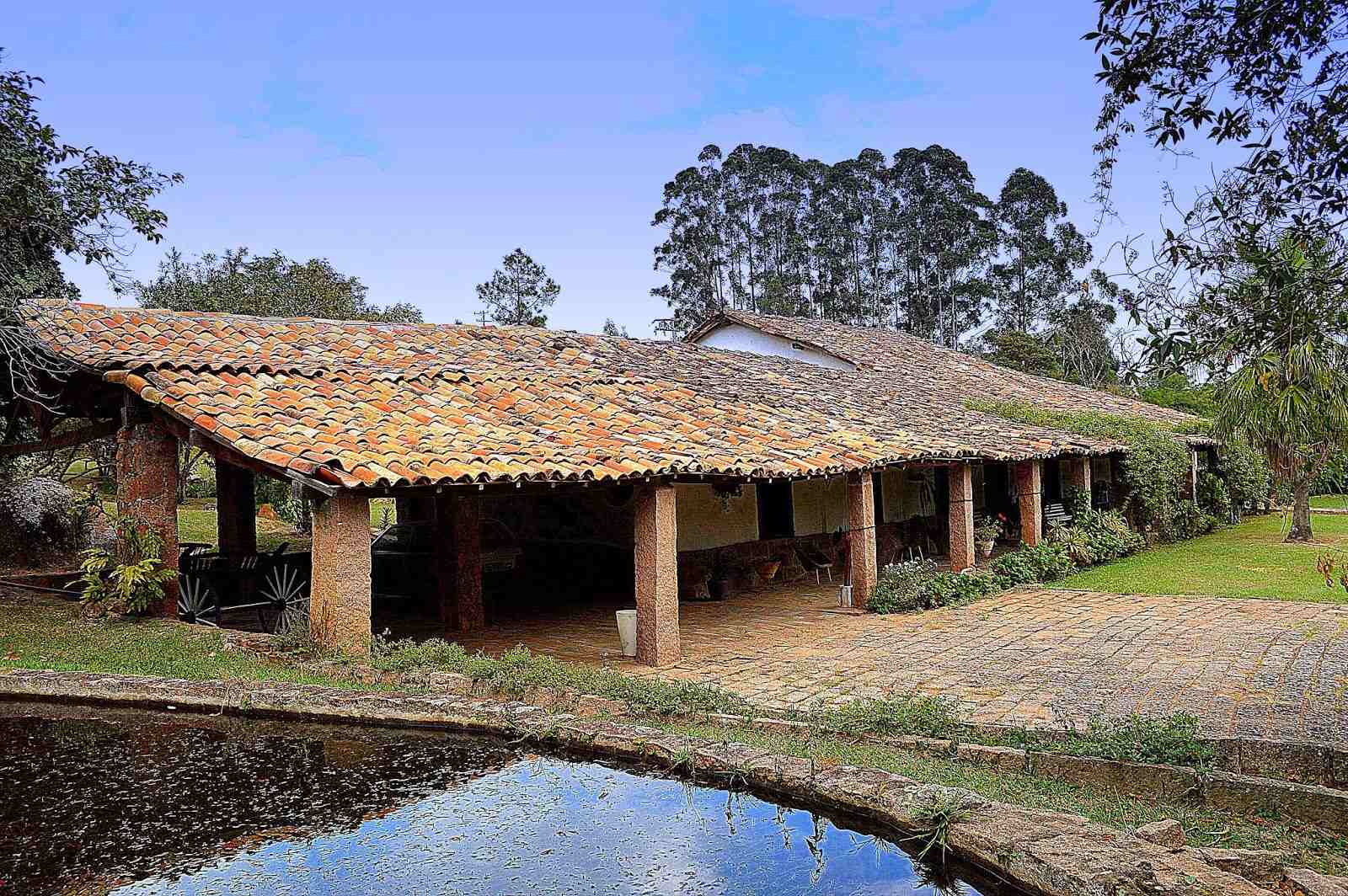
With More Than Four Centuries of History, Fazenda Concórdia in Itu Crossed the Coffee Cycle, Slavery, and the Arrival of Agricultural Technology — and Today Keeps the Paulista Rural Memory Alive.
Stepping onto certain farms in the interior of São Paulo is like traveling back in time. These properties have crossed centuries, bearing marks of the golden age of coffee, slavery, and the beginning of agricultural mechanization.
Today, many open their gates to visitors who wish to relive the past and get to know the historical formation of the state up close.
Fazenda Concórdia: 400 Years of Preserved History
Located in Itu, Fazenda Concórdia is one of the oldest in Brazil. Documents indicate that it already existed in 1595, making it a true relic of national history.
-
Friends have been building a small “town” for 30 years to grow old together, with compact houses, a common area, nature surrounding it, and a collective life project designed for friendship, coexistence, and simplicity.

-
This small town in Germany created its own currency 24 years ago, today it circulates millions per year, is accepted in over 300 stores, and the German government allowed all of this to happen under one condition.

-
Curitiba is shrinking and is expected to lose 97,000 residents by 2050, while inland cities in Paraná such as Sarandi, Araucária, and Toledo are experiencing accelerated growth that is changing the entire state’s map.

-
Tourists were poisoned on Everest in a million-dollar fraud scheme involving helicopters that diverted over $19 million and shocked international authorities.


During the expeditions of the bandeirantes that departed from São Paulo de Piratininga towards the interior, the farm served as a strategic point.
There also occurred episodes related to the capture of indigenous people and the use of enslaved labor. Its fields have hosted plantations of sugarcane, coffee, and pastures. The main house, built of rammed earth, still stands strong after hundreds of years.
On the walls of the main hall, there are traces of the original roof and the tiles molded on the thighs of the enslaved women. The old slave quarters remain on site as a testament to that period.
With the arrival of Italian immigrants, the farm gained modern equipment for the time, such as mills, conveyors, and a turbine that generated electricity. They also paved the coffee yard with bricks, facilitating the drying of the beans.
Today, Concórdia thrives on historical and gastronomic tourism. Visitors can taste the typical lunch and Rasma coffee, harvested and produced in the property’s own coffee plantation — an experience that combines flavor and memory.










-

-

-

-

-

-

59 pessoas reagiram a isso.