





 Portuguese
  English
  Spanish
  4 min of reading
  0 comments


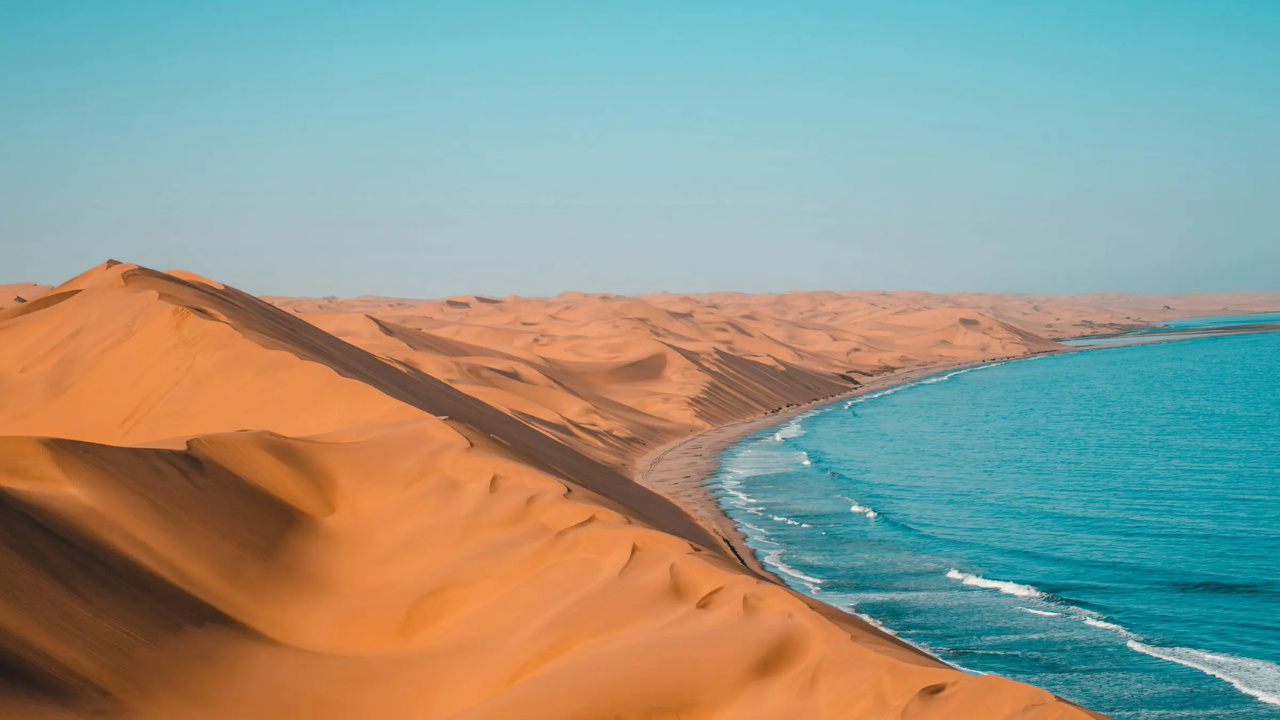
Discover The History, Unique Features, And Environmental Challenges Of The Namib Desert, One Of The Oldest On The Planet, Known As The Sea Of Sand, Where The Desert Meets The Sea.
The Namib Desert, also known as the Sea of Sand, is considered one of the oldest deserts in the world, with an estimated age of at least 55 million years.
Located on the southwest coast of Africa, it stretches for about 2,100 km, from the Carunjamba River in Angola to the Orange River in South Africa, passing through the territory of Namibia.
The average width of the desert strip does not exceed 200 km, forming one of the most inhospitable and fascinating environments on the planet.
-
He started running at 66 years old, broke records at 82, and is now a subject of study for having a metabolic age comparable to that of a 20-year-old, in a case that is intriguing scientists and inspiring the world.

-
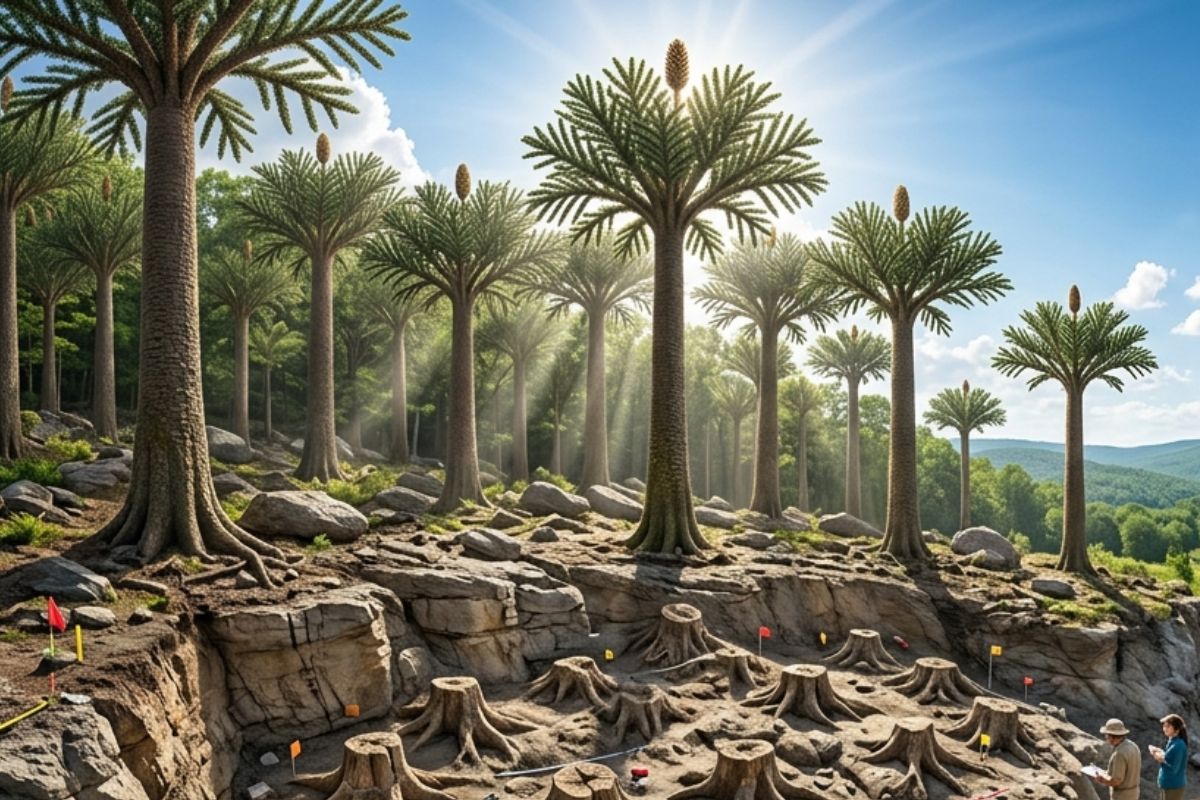
Oldest tree on the planet reappears after 130 years of searches: Wattieza, 385 million years old, was 10 meters tall and had no leaves or seeds; Gilboa fossils in New York solved the mystery in 2007.
-
A 48-square-meter house assembled in hours with 4,000 bricks made of recycled plastic that does not absorb moisture, has natural thermal insulation, and costs less than 90,000 reais in a complete kit.

-
Luciano Hang revealed that Havan’s air fleet has already accumulated more than 20,000 landings, 10,000 flight hours, and 6 million kilometers traveled, and he says that without the planes, the company would never have grown so quickly.


According to NASA, the Namib can be considered the oldest desert in the world. However, there is no consensus among scholars.
The South African conservationist Brian J. Huntley argues that the Namib and the Atacama Desert in Chile share this title.
Namib: Origin Of The Name And Cultural Connections
The name of the desert carries deep cultural roots. It comes from the word “namib,” of Nama origin, a term that means “a vast and distant place.”
The Nama language, spoken by Khoikhoi peoples in southern Africa, consolidated itself in the 19th century with missionary presence in the region and is now used in Namibia, Botswana, and South Africa.
In addition to naming the desert, Namib is also the name of an Angolan province, marking one of the extremes of this landscape.
Interestingly, before Portuguese colonization, the region was known as Chitoto Chabotua, which means “the birds’ den.”
The Sea Of Sand: A World Heritage Site
The Sea of Sand of the Namib is one of the main symbols of the region.
This is an area of over 30 thousand km², covered by mobile dunes and gravel plains, recognized by UNESCO as a Natural World Heritage Site in 2013.
Around this expanse, there is also a buffer zone of nearly 9 thousand km², which contributes to the preservation of the ecosystem.
The scenery goes far beyond the dunes: rocky plains, granite and limestone hills, coastal lagoons, and seasonal watercourses compose the landscape.
A phenomenon that draws attention is the formation of so-called “fairy circles,” circular areas of vegetation whose origin is still under research.
Fog: A Source Of Life In An Arid Environment
One of the most striking features of the desert is the presence of fogs that can penetrate up to 100 km inland, providing vital moisture for local flora and fauna.
These fogs are a consequence of the upwelling of the Benguela Current, which brings cold waters from the ocean floor to the surface, creating the mists that cover the region.
Although the Benguela Current reduces the occurrence of rain, the phenomenon compensates for the extreme aridity by generating the main source of water for desert species.
However, recent studies indicate that the frequency of fogs has decreased by nearly 30% between 1979 and 2009, a direct reflection of global warming.
Skeleton Coast: Beauty And Danger
The Namib also hosts the famous Skeleton Coast, a stretch of 500 km along the coastline, about 40 km wide.
The name comes from the large number of whale skeletons and sunken ships that became trapped in the sand.
The strong ocean currents, fierce winds, and dense fogs make navigation in this area extremely dangerous, creating one of the most iconic and mysterious landscapes of the desert.
How The Namib Desert Was Formed?
The formation of the Namib Desert is the result of a combination of factors: the subtropical high-pressure system of the South Atlantic, which creates a high-pressure system; the phenomenon of rain shadow, which blocks moisture coming from inland; and the upwelling of the Benguela Current.
These elements, accumulated over millions of years, have led to the hyper-aridity of the region, shaping its relief and creating the ideal conditions for the survival of species adapted to extreme environments.
The Surprising Biodiversity Of The Namib
Despite the hostile conditions, the desert hosts a unique biodiversity.
Mammals such as antelopes, foxes, hyenas, cheetahs, and even desert elephants roam the region, adapted to long periods of scarcity.
Birds like the ostrich and various species of reptiles are also part of the ecosystem.
In terms of flora, one of the most emblematic species is the Welwitschia mirabilis, known as the “desert octopus.”
This plant can live for over a thousand years and plays a fundamental role in regulating soil temperature and providing food and shade for various species.
Another notable plant is the Nara melon (Acanthosicyos horridus), found in the dunes near Sossusvlei, which provides food for the region’s inhabitants and local fauna.
Impacts Of Climate Change
The Namib Desert is currently facing the intense effects of climate change.
The increase in temperatures, decrease in rainfall, and rising carbon dioxide levels in the atmosphere are profoundly altering its ecological structure.
Research indicates that 73% of the habitat of desert elephants has been lost due to water scarcity and agricultural expansion, increasing conflicts between humans and animals.
Additionally, the reduction of fogs threatens species that depend on this moisture source.
The Welwitschia mirabilis, for example, is already showing signs of population decline, which could impact the entire local ecological chain.








Seja o primeiro a reagir!