





 Portuguese
  English
  Spanish
  3 min of reading
  1 comment


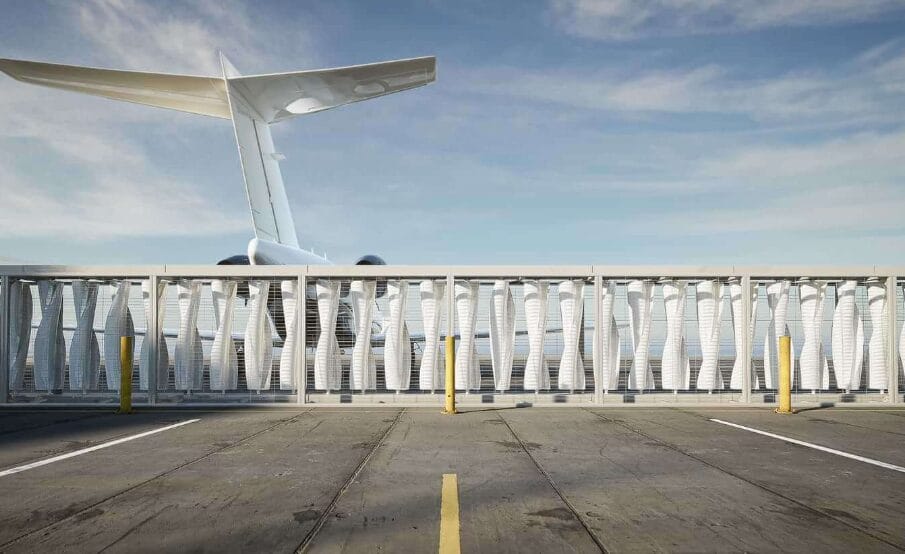

Designer Joe Doucet Presented His Airiva Turbine, A Modular Wind Energy System Designed To Visually Integrate Into Urban Environments.
Currently in the prototype phase, the Airiva features two-meter-tall vertical blades, with a sculptural helical design, setting it apart from traditional large wind turbines.
According to an article on the news portal Dezeen, these blades create a fluid and hypnotizing movement when they spin, which is essential for Joe Doucet.
He believes this design makes the systems desirable for buildings, campuses, and roads. According to the creator of the innovation, “the elevated design plays a significant role in the adoption and integration of the architecture and infrastructure of our urban and suburban landscapes, bringing clean energy closer to where we live and work”.
-
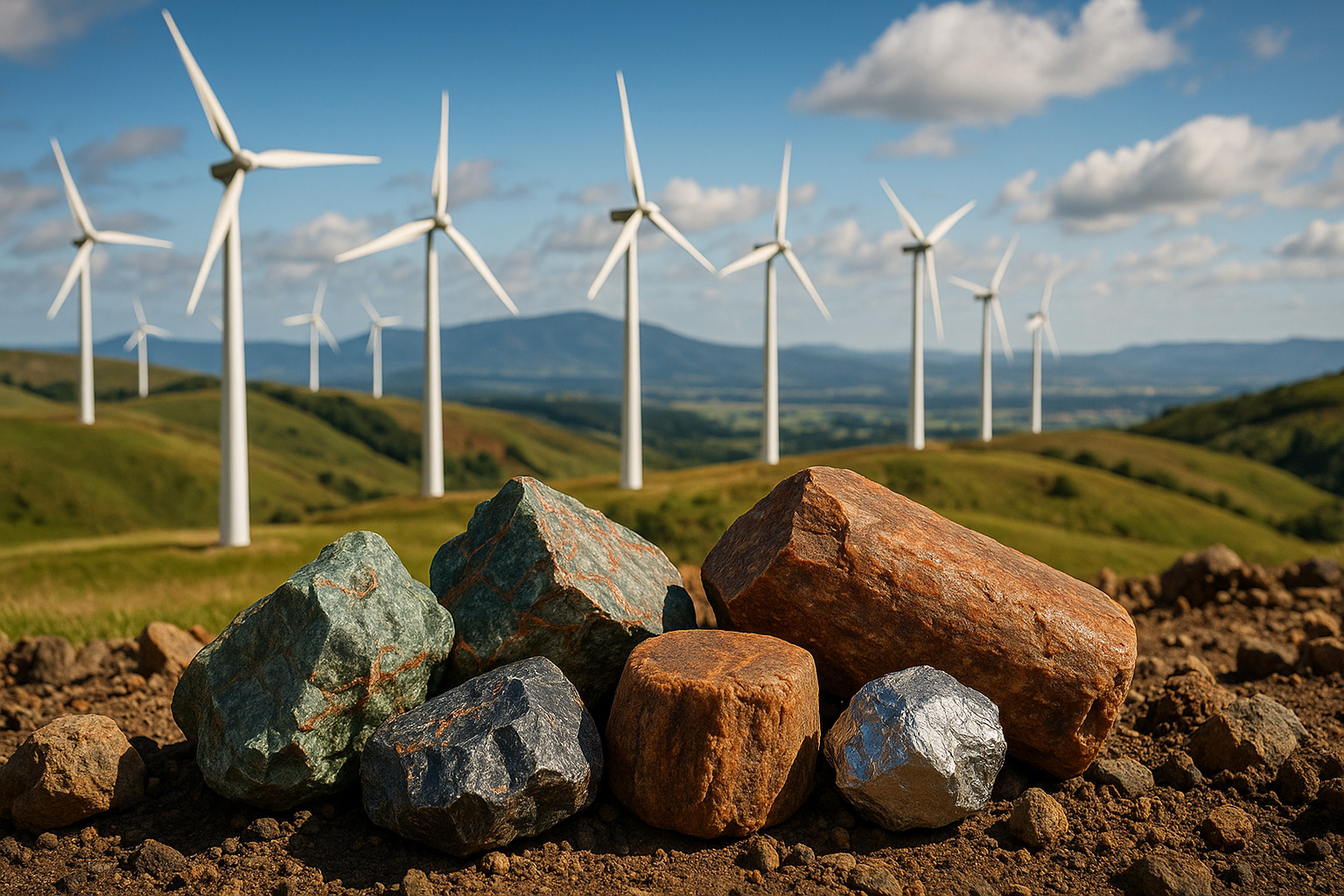
The Brazilian state accelerates industrial competitiveness with a focus on the extraction of strategic minerals to boost the energy transition in Goiás.
-
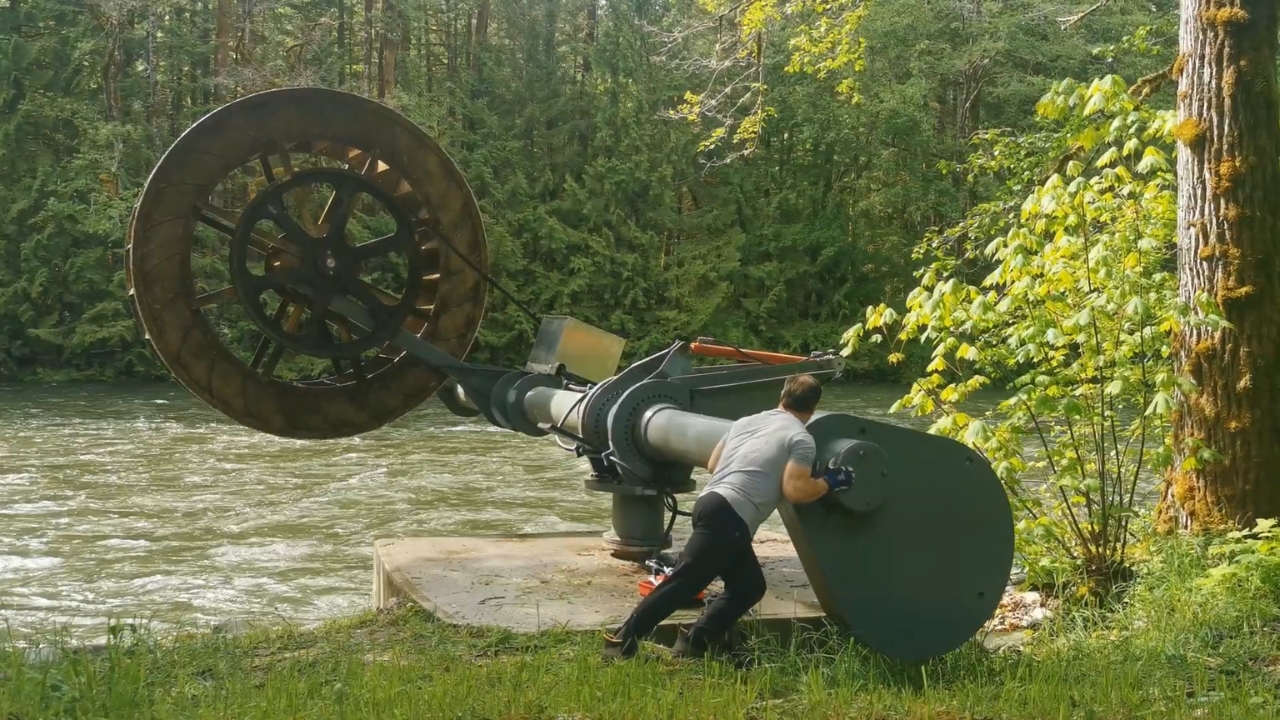
A Canadian retiree creates a hydroelectric system on a real river, generating energy continuously throughout the day and demonstrating how the power of water can supply a house with stability even in a simple structure.
-
Giant of the winds in Rio Grande do Norte: Serra do Tigre Wind Complex receives new investments and accelerates the expansion of clean energy generation to supply millions of Brazilian homes.
-
Petrobras reaffirms its commitment to the market and ensures that it will carry out the energy transition safely to maintain national sovereignty.


The Airiva represents a form of distributed energy generation, occurring in smaller locations such as rooftops and gardens, directly benefiting property owners and the local community.
Proponents of this approach argue that there are fewer energy losses when it is used locally and that these systems provide greater resilience against power outages.
The Airiva system is modular and scalable, with four blades in square “wall segments” that can be joined to form a unit of virtually infinite length.
“The Airiva wind energy system complements and coexists with other renewable energy systems, expanding applications for distributed wind energy,” the designer said to the aforementioned site.
Joe Doucet created the first version of the Airiva in 2021 after noticing a lack of distributed energy products with attention to aesthetics.
The project, initially called Wind Turbine Wall, generated considerable online interest, leading Joe Doucet to launch the Airiva in partnership with Jeff Stone, a veteran in the technology industry.
The Perfect Shape of the Wind Turbine
The helical shape of the blades emerged as the most efficient after evaluating 16 concepts and testing in wind tunnels.
Although the turbines are not as powerful as industrial ones, each wall segment with four turbines can generate 1,100 kilowatt-hours per year, according to initial tests.
To meet the energy demand of an average home in the United States, ten segments, or 40 turbines, would be needed.
Complementary Energy
The Airiva was designed to complement other energy sources, such as grid electricity. The company expects its systems to significantly contribute to the energy needs of urban buildings, mainly targeting the commercial market, including buildings and campuses, municipal facilities, airports, and coastal areas.
The Airiva segments are made of aluminum with injection-molded plastic blades, and the company plans to use 80% recycled materials in manufacturing.
A full-scale prototype, consisting of two wall segments with four turbines each, will be tested later this year.
The company plans to begin pilot programs with customers in the second half of 2024, aiming to receive the first orders in 2025.
Other similar projects include the Papilio wind light post and the multidirectional O-Wind turbine, winner of the 2018 James Dyson Award.









Esse número 1.100kwpor ano deve ter um equívoco pois umano tem muito mais hora que os 1.100quilowatts ,corrija meses eu estiver errado