





 Portuguese
  English
  Spanish
  5 min of reading
  0 comments


Atago Class Destroyers Combine Aegis System, 96 Missile Cells, and Advanced Radar to Form One of Japan’s Main Anti-Missile Defense Lines in the Pacific.
The growing presence of ballistic missiles in East Asia has led Japan to invest heavily in defense systems capable of detecting, tracking, and intercepting threats before they reach national territory. Within this strategy, destroyers equipped with the Aegis combat system have become key components of Japan’s defense architecture.
Among these vessels, the Atago class destroyers occupy a central position. Armed with 96 vertical launch cells, advanced sensors, and the Aegis system, these ships are designed to function as mobile platforms for air defense and anti-missile operations, capable of detecting threats hundreds of kilometers away and responding quickly with high-precision interceptors.
Operating in the Japan Maritime Self-Defense Force (JMSDF), the Atago are part of a defense network that includes ground-based radars, Patriot missile defense systems, and direct military cooperation with the United States.
-
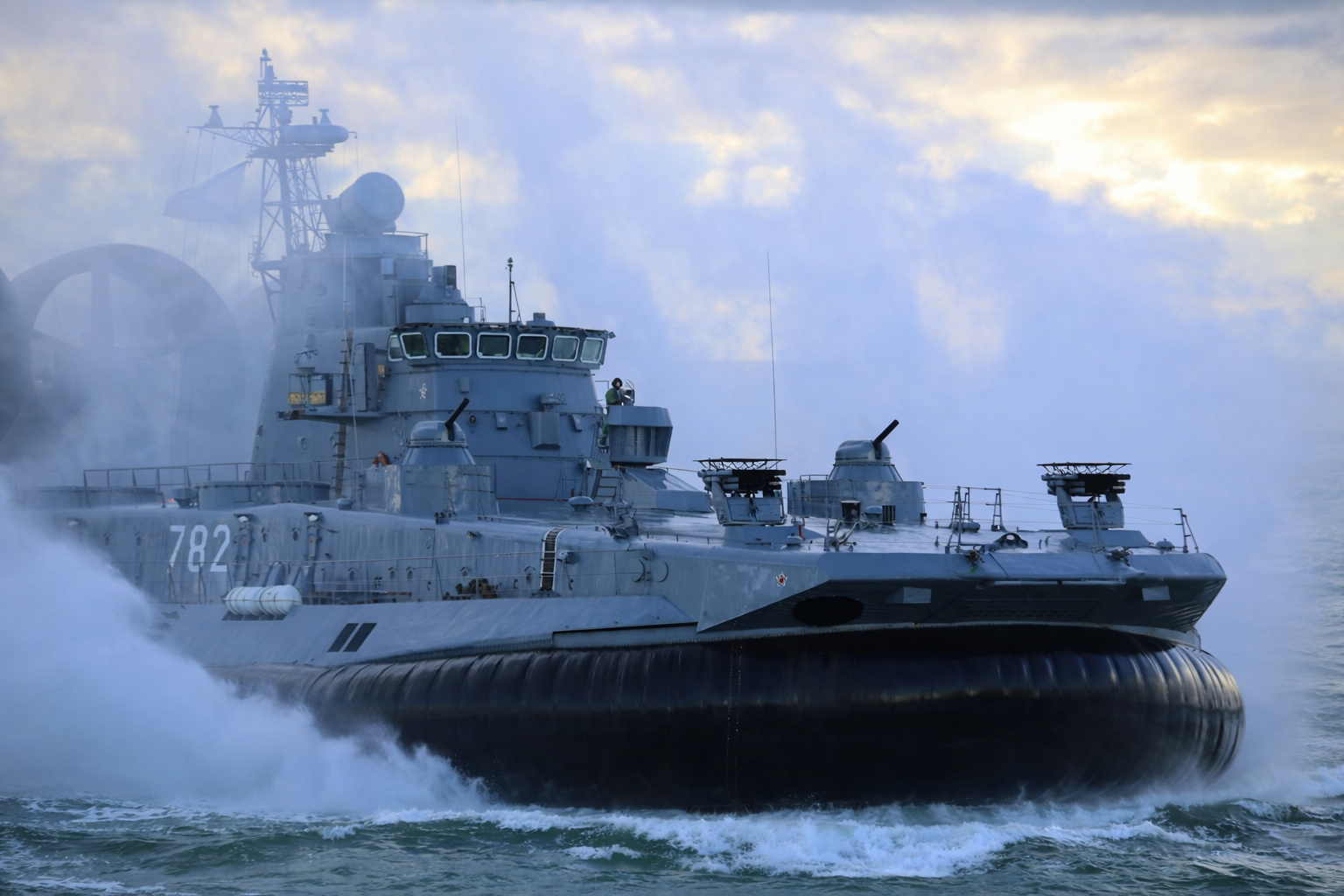
Classified as a “amphibious monster” weighing 555 tons, 57 meters long, and featuring three propellers with a diameter of 5.5 meters, the Zubr is the largest military hovercraft ever built, capable of transporting 3 tanks or 500 soldiers at speeds exceeding 100 km/h over water, ice, and sand, and China has resumed production of it to project power in the South China Sea.
-
The U.S. Army receives the first Black Hawk helicopter that can fly without pilots, be controlled by a tablet, and even land on its own during high-risk missions.

-
With 11,000 tons and sensors capable of hunting submarines at long distances, the Type 055 has become one of the most feared floating arsenals of the Chinese navy.

-
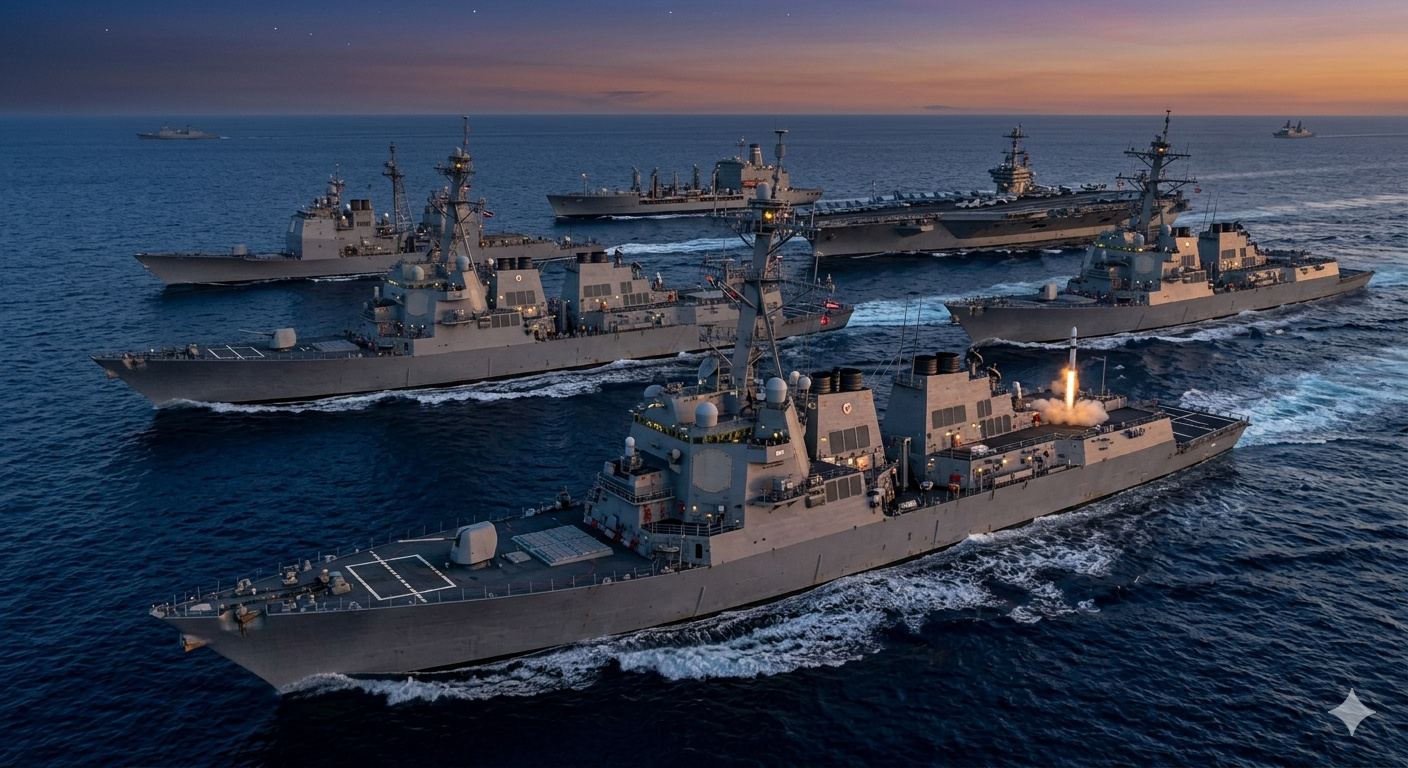
With over 15,000 tons, radars capable of tracking hundreds of targets simultaneously, and more than 120 missiles ready for launch in seconds, modern destroyers cease to be escorts and begin to dominate the naval battlefield.

Atago Class Represents Evolution of Japanese Naval Air Defense
The Atago class destroyers were developed as successors to the Kongō class, which introduced the Aegis system to the Japanese Navy. Inspired by the design of the American Arleigh Burke class destroyers, the Atago has been designed with structural improvements, more modern sensors, and greater integration with anti-missile defense systems.
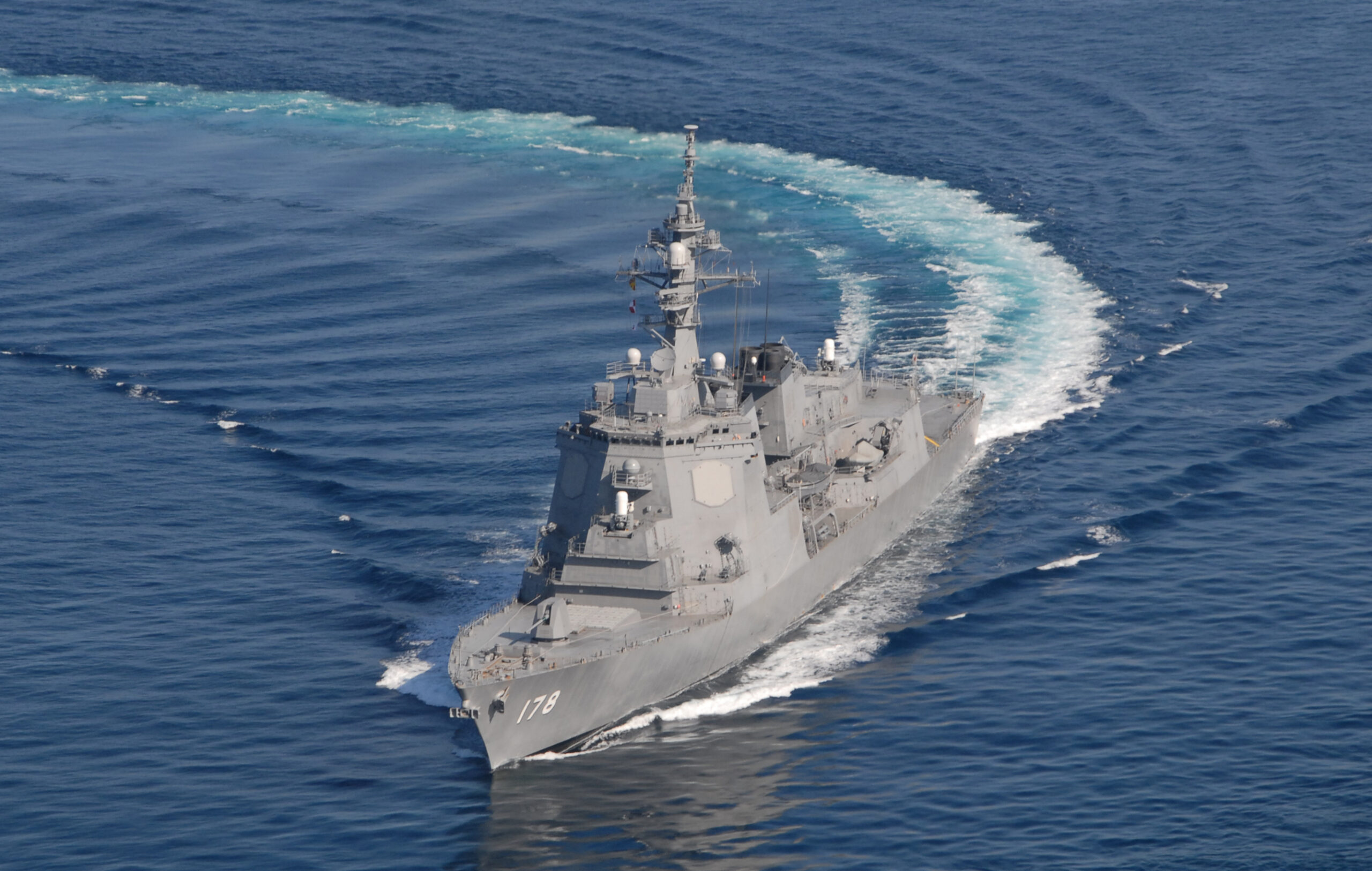
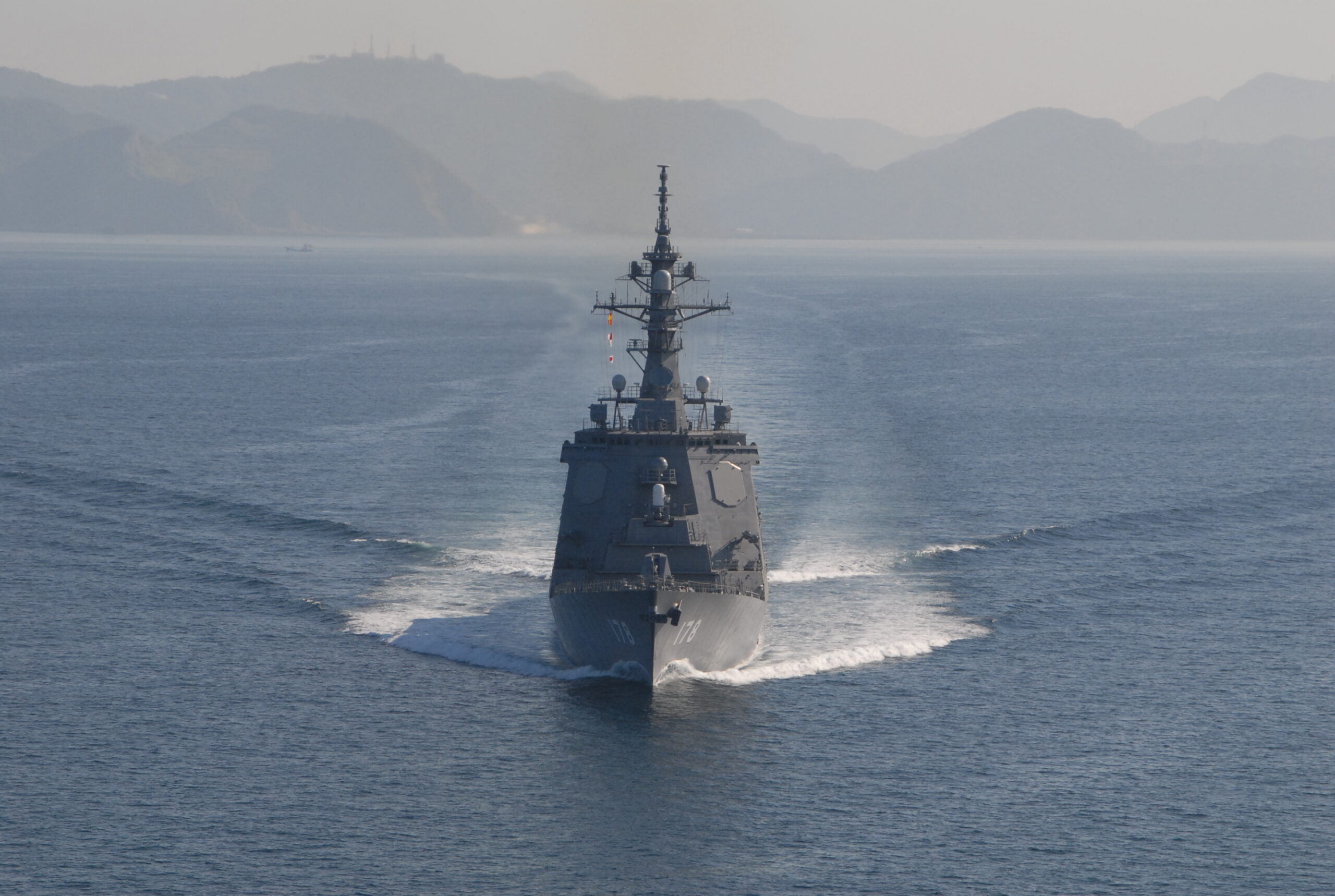
The vessels have a length of approximately 165 meters and a displacement of over 10,000 tons, dimensions that allow for the accommodation of complex electronic systems and a diverse arsenal of missiles. The class consists of two main ships:
- JS Atago (DDG-177)
- JS Ashigara (DDG-178)
Both entered service between 2007 and 2008 and remain among the most sophisticated ships in the Japanese fleet.
Aegis System Integrates Sensors and Weapons into a Single Combat Network
The central element of the military capability of these destroyers is the Aegis Combat System, a digital command and control system developed to coordinate radars, sensors, and weapons in real time. This system allows the ship to:
- detect aerial threats at great distances
- simultaneously track hundreds of targets
- automatically calculate interception solutions
- coordinate the launch of defensive missiles
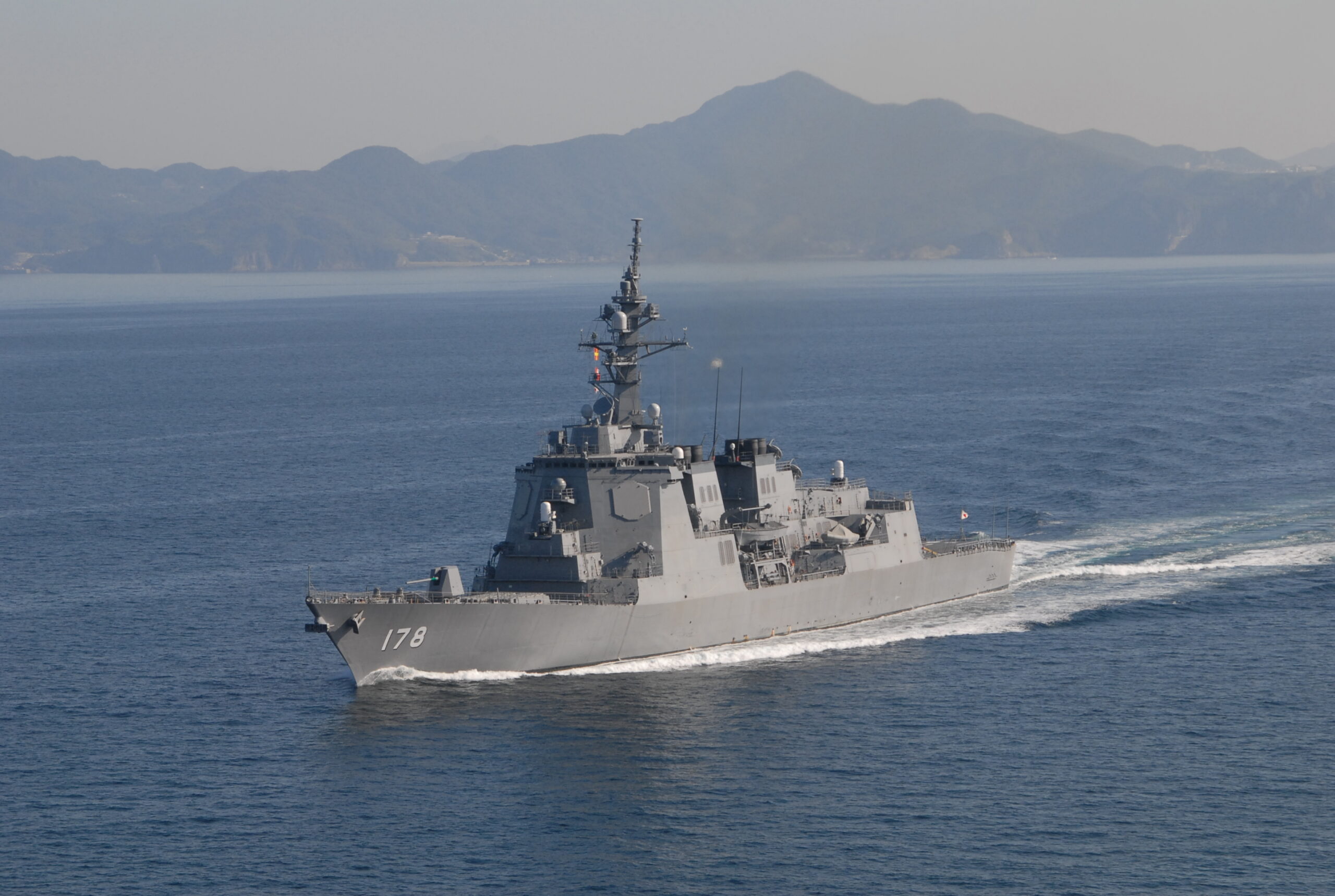
The primary radar used is the AN/SPY-1D, a multifunctional high-power radar that operates in the S band and can monitor large areas of the air and maritime space around the vessel.
This surveillance capability transforms the destroyer into a true air defense command center for naval groups.
96 Vertical Launch Cells Allow Multiple Types of Weapons
The Atago class destroyers utilize the Mk 41 Vertical Launch System (VLS), a technology widely employed in modern warships. Each vessel has 96 vertical launch cells, which can carry different types of missiles according to the mission. Among the weapons that can be used are:
- SM-2 for medium and long-range air defense
- SM-3 for ballistic missile interception
- ESSM for short-range air defense
- ASROC for anti-submarine warfare
This variety allows the ship to respond to threats coming from the air, surface, and underwater environment.
Ballistic Missile Interception Is One of the Central Functions
One of the most important capabilities of the Atago class is the interception of ballistic missiles, an increasing threat in the Pacific region. The ships have been upgraded to operate the SM-3 (Standard Missile-3), an interceptor designed to destroy ballistic missiles during the mid-flight phase.
This type of interception often occurs outside the Earth’s atmosphere, when the enemy missile is still on a space trajectory before starting its final descent. The SM-3 uses a technology known as hit-to-kill, in which the interceptor collides directly with the target at high speed, destroying it through kinetic impact.
Submarine Sensors Expand Anti-Submarine Hunting Capacity
Although air defense is the main function of these destroyers, the Atago also possesses important anti-submarine warfare capabilities. Among the equipment used are:
- hull-mounted sonar for underwater detection
- lightweight torpedoes for anti-submarine combat
- embarked SH-60K helicopter
The helicopter significantly extends the detection and attack range against enemy submarines, capable of launching sonobuoys and torpedoes in areas far from the ship.
Integration with Japan’s Anti-Missile Defense Network
The Atago destroyers do not operate in isolation. They are part of an integrated defense network that combines ground sensors, ships, and anti-missile systems. This architecture includes:
- early warning radars installed on land
- anti-missile Patriot PAC-3 batteries
- other Aegis destroyers from the Japanese fleet
- cooperation with U.S. naval forces
This integration creates a layered defense system in which different platforms work together to detect and intercept threats before they reach Japanese territory.
Atago Class Paved the Way for a New Generation of Destroyers
The operational experience gained with the Atago class served as a foundation for the development of the next generation of Japanese destroyers, the Maya class.
These vessels incorporate newer versions of the Aegis system and greater integration with modern anti-missile defense networks. The evolution demonstrates how Japan continues to invest in platforms capable of protecting its air and maritime space in an increasingly complex geopolitical environment.
Strategic Role in the Military Balance of the Pacific
The Atago class destroyers play a central role in Japan’s security strategy. In a region marked by territorial disputes and rapid development of ballistic missiles, these ships function as critical elements of deterrence and defense.
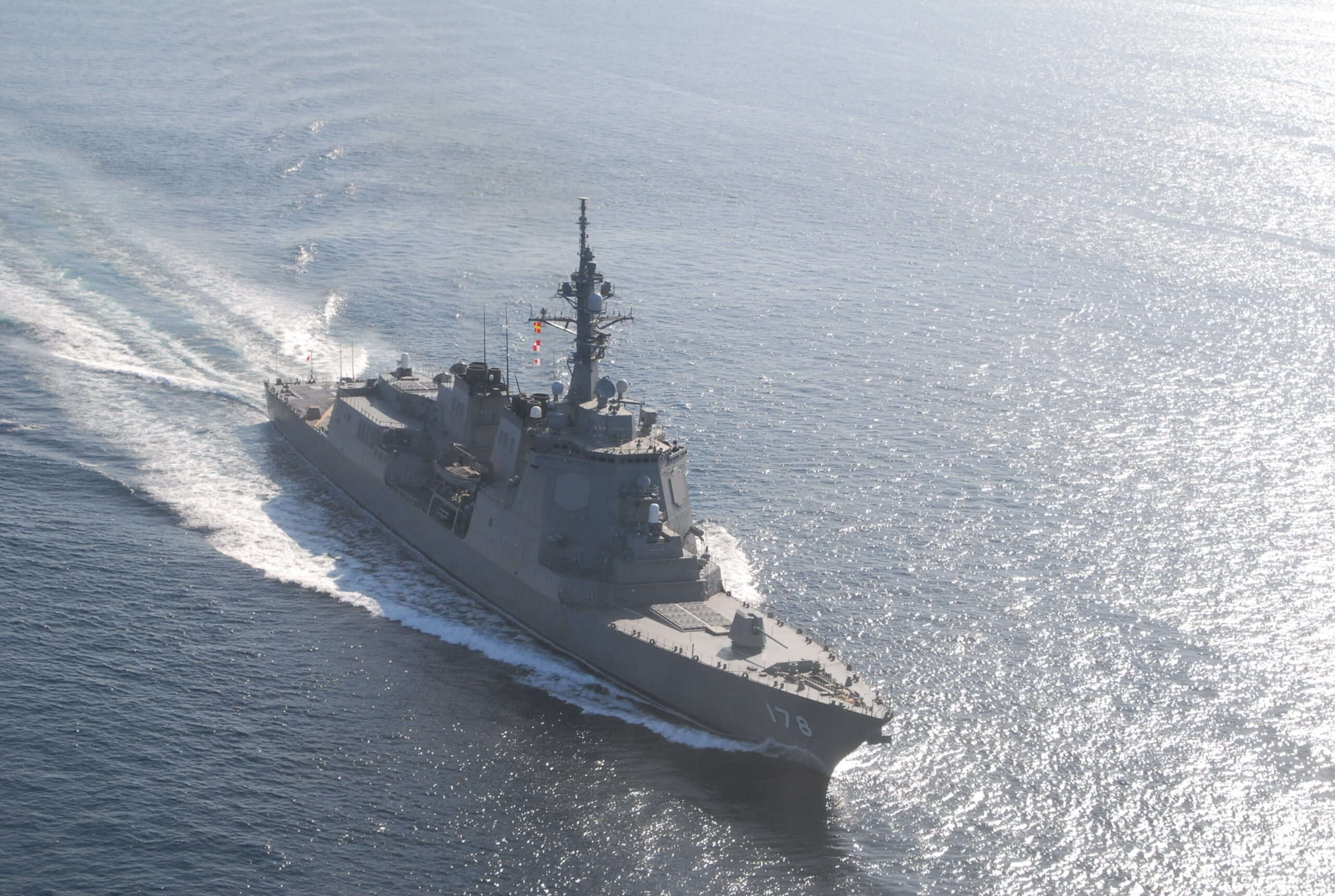
With long-range sensors, digital combat systems, and the capability to intercept ballistic threats, the Atago has become one of the main naval anti-missile defense platforms in Asia.
Their presence in the Pacific reflects not only the technological advancement of the Japanese Navy but also the increasing importance of integrated naval defenses in a global scenario where long-range missiles have become one of the main instruments of military power.






Seja o primeiro a reagir!