





 Portuguese
  English
  Spanish
  5 min of reading
  0 comments


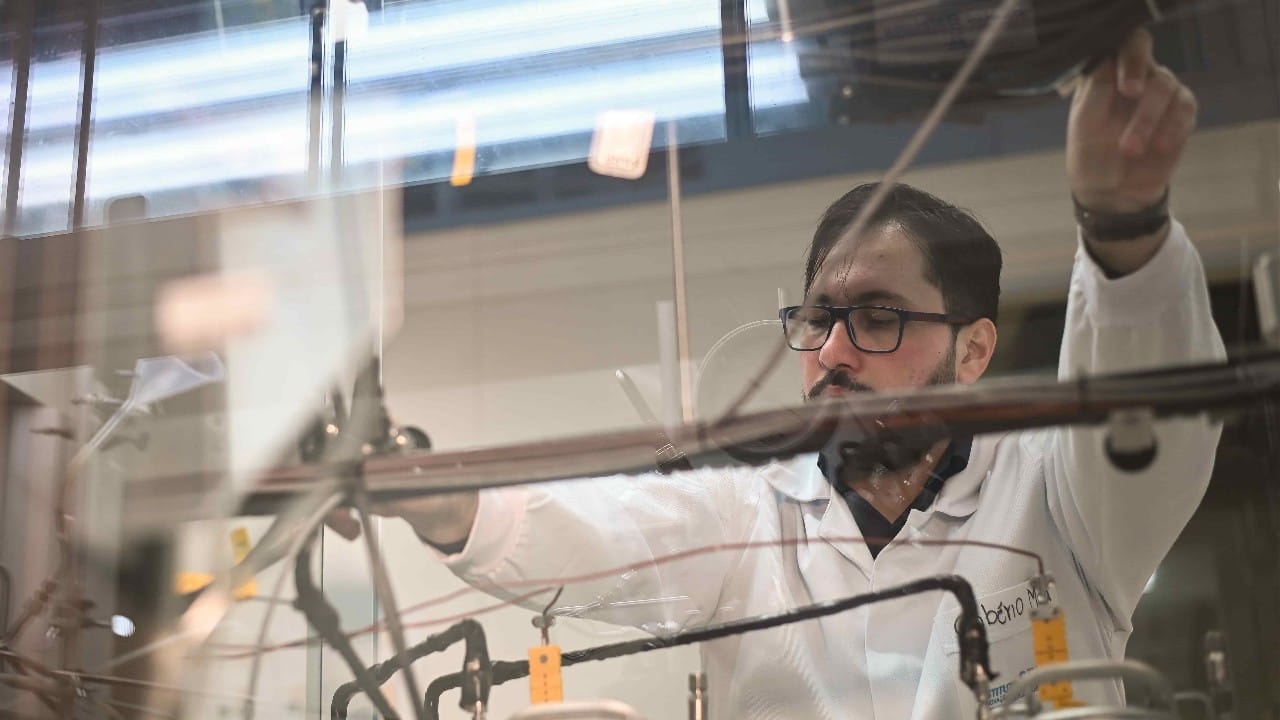
Who Funds New Industrial Policy? What Other Countries Are Doing? What Brazil Did Before? Understand Everything: Infrastructure, Digital Transformation, Health Security.
The recent implementation of the New Brazil Industry represented a significant advancement for the Brazilian economy. With a clear focus on strengthening the national industry, the program aims to boost productivity and innovation, ensuring greater competitiveness in the international market and creating more job opportunities for the population. Moreover, the New Brazil Industry also seeks to improve the quality of products and services offered, promoting a positive impact on the lives of citizens.
According to experts, the industrial policy program aligns with the needs of the productive sector and has the potential to drive sustainable economic growth. Implementing policies that encourage innovation and competitiveness is essential to strengthen the internal market and gain space on the international stage, elevating the quality and efficiency standards of Brazilian companies.
New Brazil Industry: The New Era of Brazilian Industrial Development
Led by the National Council for Industrial Development (CNDI), the industrial policy program for the New Brazil Industry outlines planned actions through 2023. Comprising 6 missions, the initiative aims to enhance the Brazilian reality in various areas, such as infrastructure and digital transformation. The planned investment for the New Brazil Industry reaches R$ 300 billion, intended to finance actions until 2026. These resources will not incur extra fiscal costs or an increase in the tax burden for the population.
-
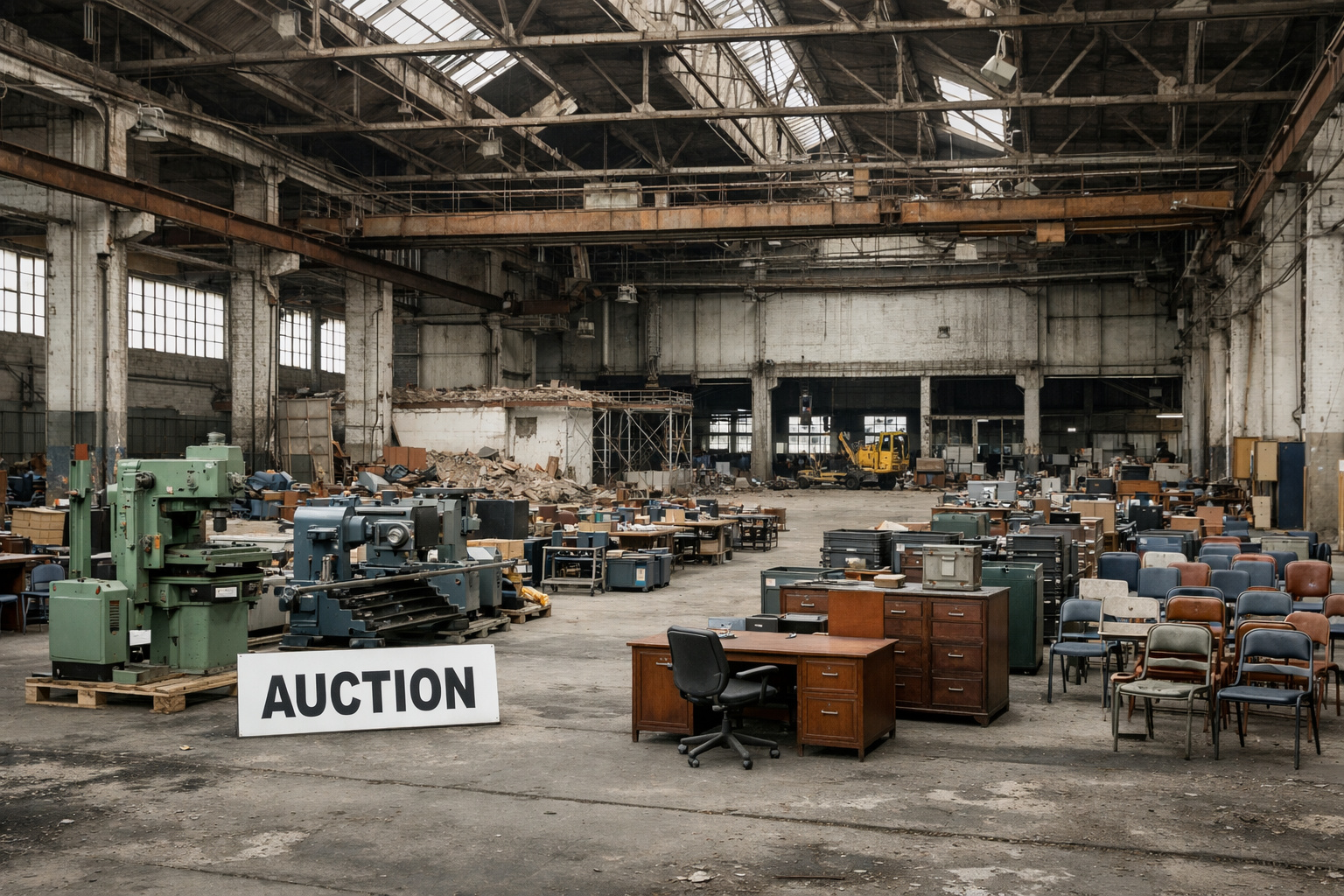
Historic bankruptcy of Centauro shocks the market, and the century-old company puts more than 500,000 products, machines, and complete infrastructure up for online auction.
-
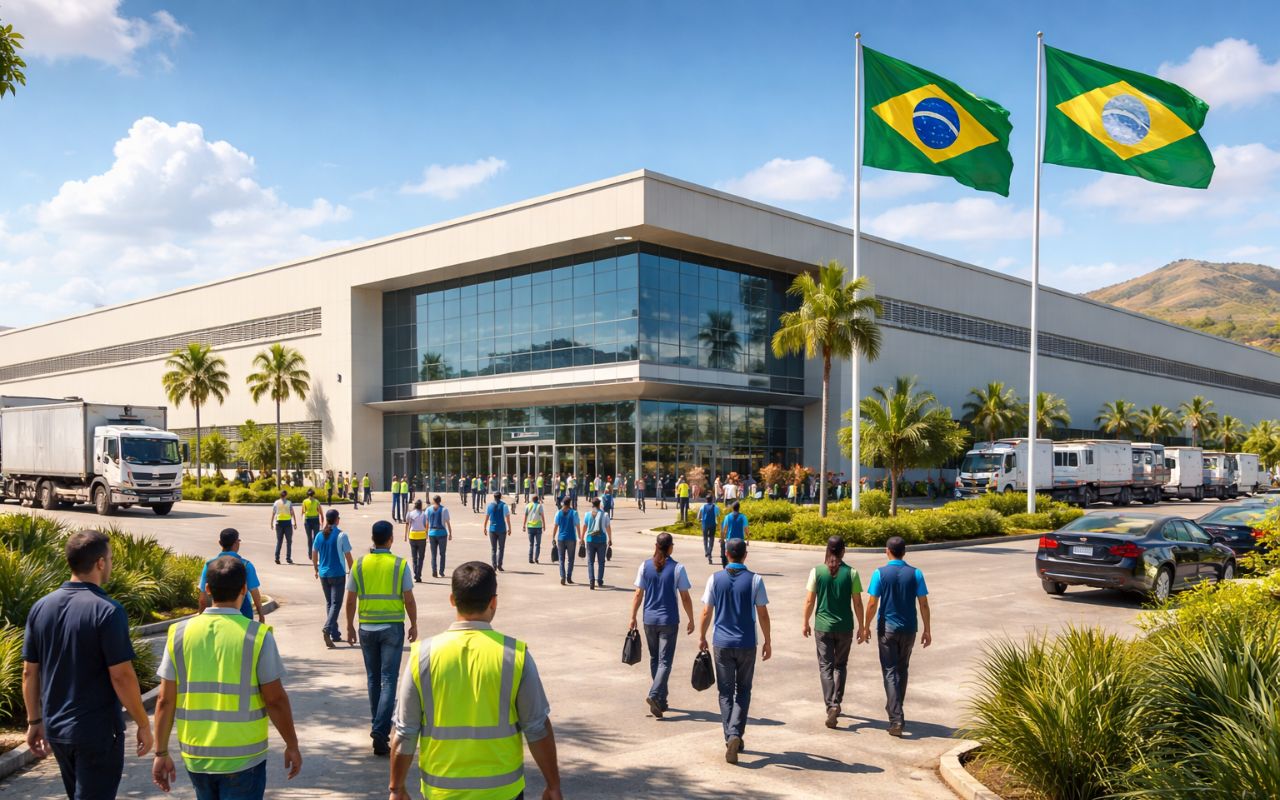
New shoe factory in Ceará is expected to create 400 jobs and strengthen the local economy.
-
No one imagined it, but a mixture of sawdust with a mineral that fights fires surprises scientists with a result that changes the course of fire-resistant construction.

-
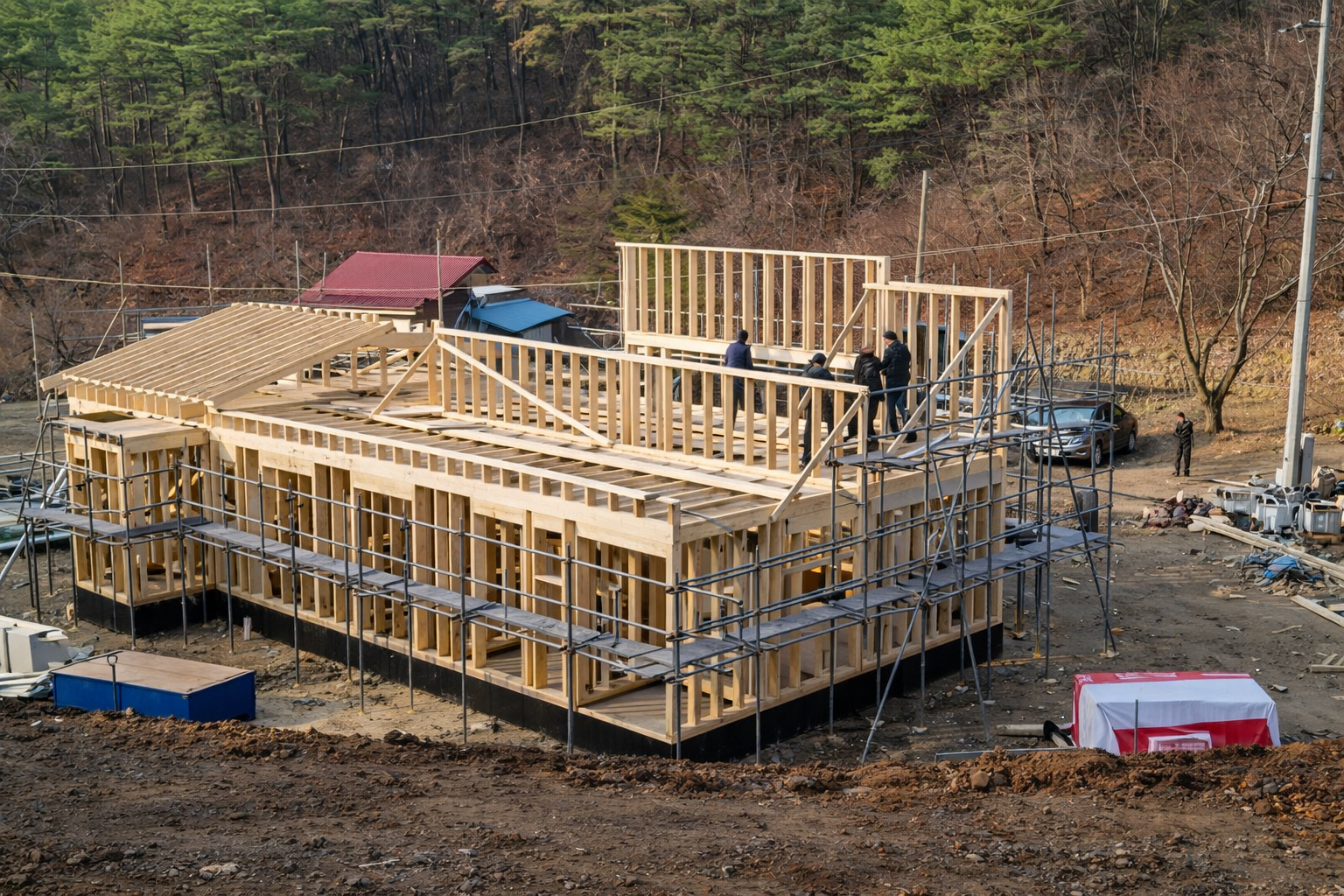
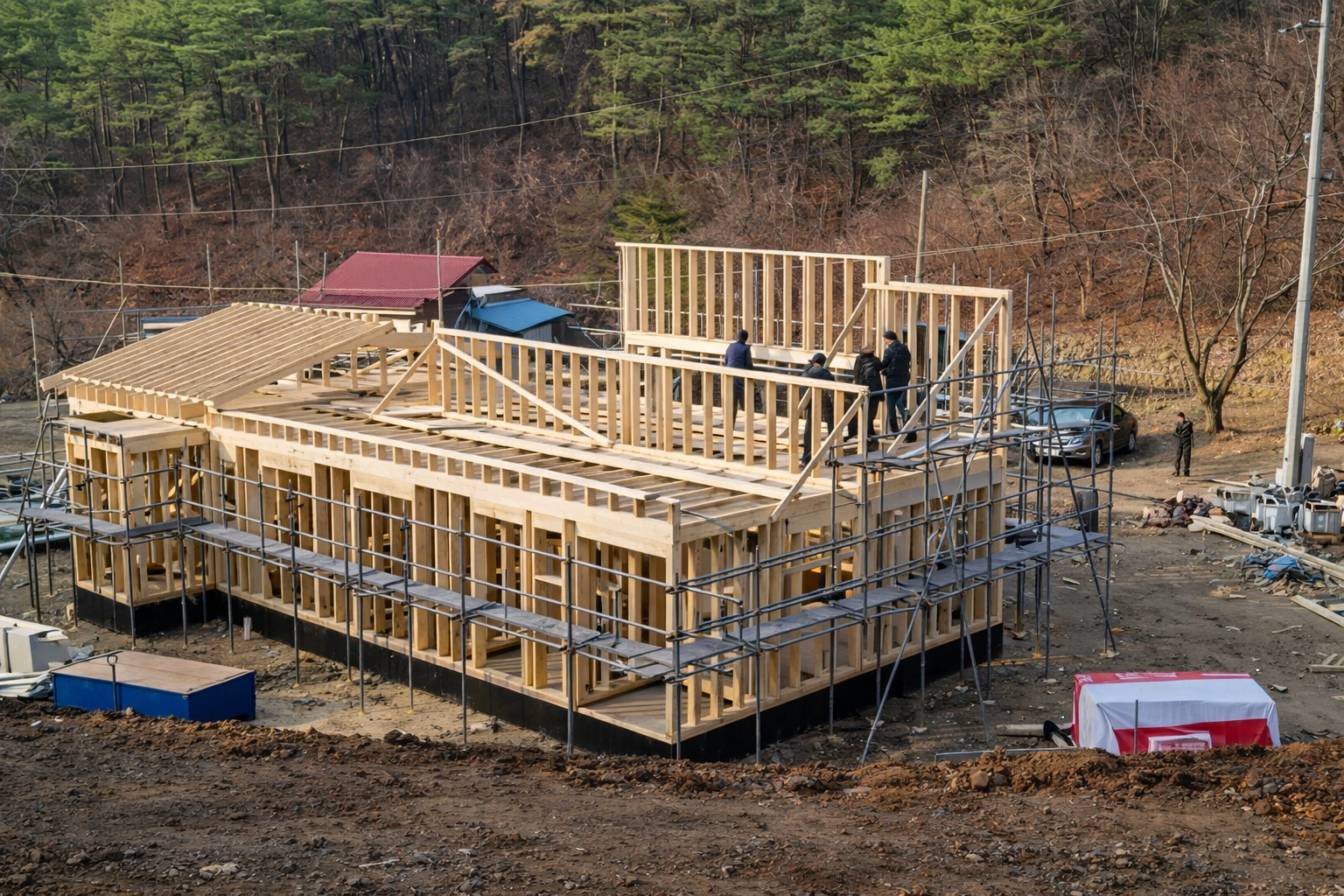
From empty land to a high-end house, wooden construction uses a lightweight system, metal structure for the foundation, ventilated ceramic cladding, and special windows to create an efficient and comfortable living space throughout the year.

Industrial Policy and Sectoral Development in the New Brazil Industry
The proposed actions aim primarily to foster technological solutions and support companies in expanding into global markets, as well as encompassing relevant social goals, such as environmental preservation, health, food and energy security, and the improvement of urban mobility. Amid a global scenario where digital transformation and decarbonization stand out, countries have intensified the use of industrial policy to address significant challenges.
New Brazil Industry and the Uncovered Myths
In partnership with the Ministry of Development, Industry, and Foreign Trade (MDIC), the National Confederation of Industry (CNI) debunks the following myths about the New Brazil Industry:
1. The Incentives of the New Brazil Industry and the Population: Clarification
According to the information provided, there will be no creation of additional taxes or increases in existing taxes and fees to finance the new industrial policy. The announced amounts are already included in the budget, and a large part consists of credits aimed at companies for loans with more favorable conditions for the development of actions such as innovation and enhancement of the industrial park over four years (2023-2026).
The R$ 300 billion announced consists mostly of credits for promoting industrial development, including incentives for innovation, and will be utilized over four years. In addition to the National Bank for Economic and Social Development (BNDES), funding sources include the National Fund for Scientific and Technological Development (FNDCT), the Fund for Universalization of Telecommunications Services (Fust), and the Climate Fund, among others.
2. Monitoring Projects and Guarantees in the New Brazil Industry: Exposing the Truth
Any project funded by the program will be subject to goals, metrics, monitoring, and penalties in case of non-compliance with the agreement, including the return of resources. Additionally, a new requirement regarding countermeasures is that BNDES and the Financing Agency for Studies and Projects (Finep) will require companies that borrow resources for innovation to register their creations/patents in Brazil.
3. BNDES and Participation in Companies in the New Brazil Industry: Clarification
Among BNDES’s initiatives in the new industrial policy is the allocation of R$ 8 billion for participation in funds in the capital market. However, it is important to highlight that this initiative does not involve the purchase of shares, so the bank will not become a partner in the companies. The funds in which BNDES intends to participate include those for Critical Minerals for Energy Transition and those for Biotechnology.
4. Goals and Permanent Monitoring of Results in the New Industrial Policy: Fact or Fiction?
The action plan of the industrial policy aims to establish goals for each mission, which will be analyzed by CNDI in the next 90 days. Monitoring instruments will also be presented, and the ministries will create parameters and penalties in case of non-compliance. CNDI will conduct two types of monitoring: one to follow the actions and another to assess their impact on macroeconomic indicators, with the collaboration of the Brazilian Agency for Industrial Development (ABDI) in establishing an industrial development observatory.
5. Innovation and Societal Challenges in the New Brazil Industry: Unveiling False Information
The new industrial policy is revolutionary in various aspects, as it was designed for a completely new international context, where ecological transformation and digital transformation prevail. Furthermore, the plan includes unprecedented long-term financing, the More Production Plan, which will provide predictability and security for investments in innovation, research, and technology. Another novelty is that the New Brazil Industry is organized into missions, aiming to solve societal challenges with horizontal funding lines.
6. Global Industrial Policy: A Look at Reality
On a global scale, coordinated actions by governments have become increasingly frequent to strengthen national industries in response to major issues such as digital transformation and decarbonization. According to data from the International Monetary Fund (IMF), more than 2,500 industrial policy measures have been implemented globally, with emerging economies accounting for 29.1% of these actions in 2023.
7. Public Purchases and Local Content: Myths and Truths
Public purchase mechanisms, preference margins, and local content are relevant to industrial development and widely used worldwide. According to a recent report from the IMF, the resurgence of industrial policies with strong incentives from countries is on the agenda. In these initiatives, tools will be used with criteria and calibration, assessing the delivery capacity of suppliers for the indicated supply chains. This evaluation will be conducted by the Interministerial Commission on Innovations and Acquisitions (CIIA-PAC).
Source: Industry Portal







Seja o primeiro a reagir!