





 Portuguese
  English
  Spanish
  3 min of reading


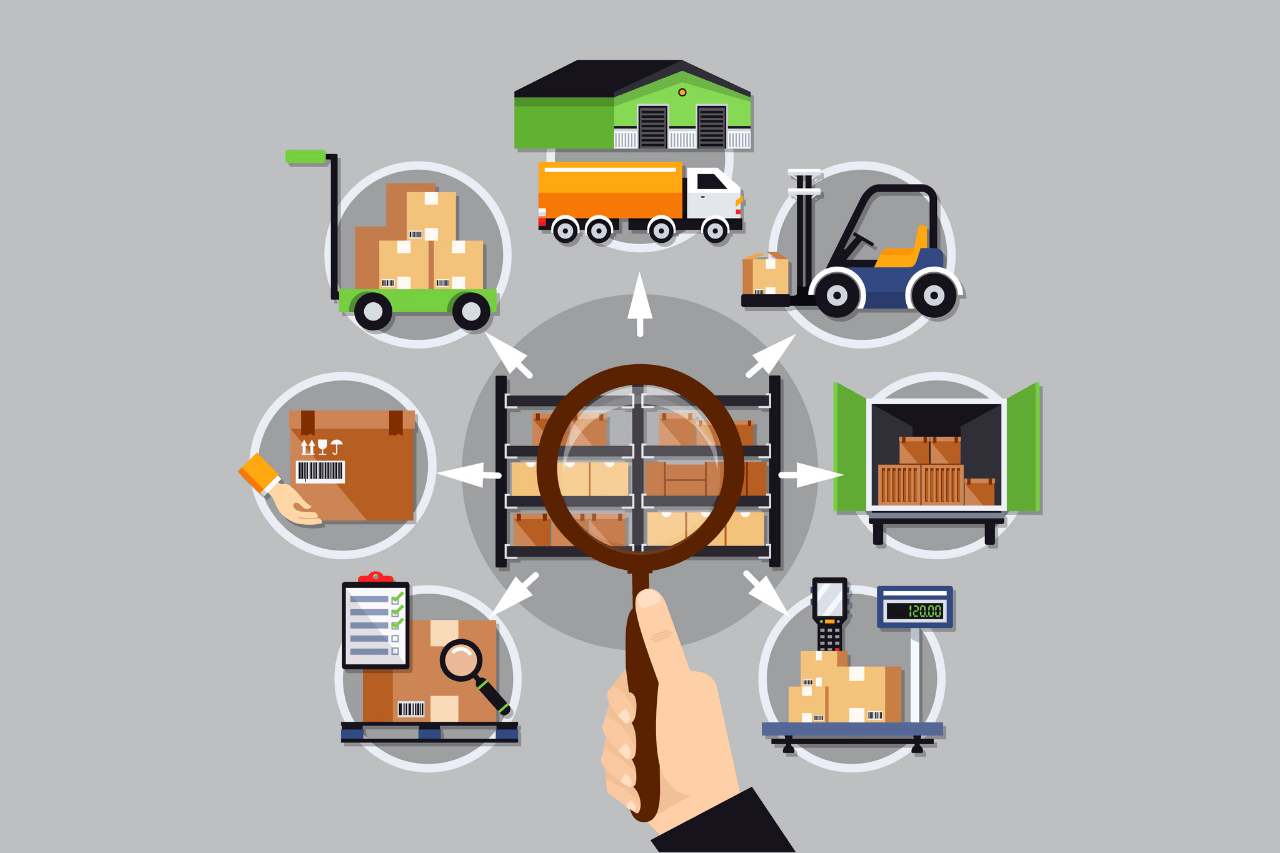
The Honor of Celebrating Logistics Professionals
On June 6th, a well-deserved celebration is dedicated to logistics professionals, a vast and diverse professional class. Logistics encompasses everything from supply chain managers, material analysts, purchasing and transportation experts to field professionals like truck drivers, train conductors, and crew members of ships and airplanes. The vast array of professionals involved in logistics processes is truly impressive.
Why June 6th?
The date, as reported by the Câmara de Notícias Agency, commemorates one of the most significant logistics movements in history: the Allies’ landing in Normandy during World War II, known as the “D-Day.” Although marked by a wartime context, it is undeniable that war events brought significant contributions to logistical development, in terms of providing troops with weapons, ammunition, food, and many other essential items for military strategies.
A military adage cited by Santos (2019, p. 14), originally from Arbache (2011, p. 33), captures the essence of this: “Amateurs discuss tactics and strategy, professionals discuss logistics.”
-
Oncorp wins auction and enables biodiesel and gas thermal plants in Brazil, with strategic projects in Suape and Xavantes Aruanã.

-
Raízen Recovery: Shell Cosan May Reduce Control After R$ 65 Billion Debt

-
Outback Montes Claros: Chain Confirms First Unit in Northern Minas in 2026

-
Inpasa Creates Advisory Council and Brings José Olympio to Strengthen Corporate Governance

The Evolution of Civil Logistics in Brazil
Civil logistics in Brazil began to consolidate in the 1960s with the integration of activities such as supply, transportation, and distribution. The 1970s saw logistics become increasingly integrated with the internal functions of companies. From the 1980s onwards, logistics gained notable relevance in obtaining a competitive advantage with customers.
The 1990s, in turn, were marked by integrated logistics management, driven by the opening of the Brazilian market to globalization. The new millennium brought a strategic reorientation through the supply chain, with the term supply chain becoming ubiquitous in business. Additionally, emerging technologies from Industry 4.0 were quickly incorporated into logistics processes, such as automated warehouse management systems, self-guided vehicles, satellite cargo tracking, RFID technology, among others.
Opportunities and Challenges of Brazilian Logistics
However, Brazilian logistics infrastructure still lacks significant investments to become truly competitive. The logistical cost in Brazil consumes about 13% of the Gross Domestic Product (GDP), according to estimates from the Institute of Logistics and Supply Chain Ilos, in contrast to 6% to 7% in the U.S., for example.
Despite these challenges, there are signs of hope. Projects like the Highway of the Sea, which encourages cabotage transport, and the Railway Legal Framework, which seeks to facilitate private investments in railway construction, are positive examples. Furthermore, e-commerce has imposed significant challenges for logistics, especially regarding last-mile deliveries, while reverse logistics has gained importance for environmental sustainability, supported by the National Policy on Solid Waste (PNRS).
However, there is still much room for improvement. In the Logistics Performance Index (LPI) ranking by the World Bank, Brazil ranks only 56th, indicating the vast potential for investments in the country’s logistics sector. The ten largest Brazilian logistics companies represent less than 2% of the market, compared to 15% in the U.S. and 24% in Europe.
All of this highlights the crucial role of logistics professionals in the national economy and the immense growth potential. With an eye beyond local logistics, these professionals must keep in mind the supply chain and how to utilize emerging technologies to optimize logistics processes based on sustainable development.









Seja o primeiro a reagir!