





 English
  Francês
  Alemão
  Italiano
  Japonês
  Norueguês
  Portuguese
  Spanish
  5 min of reading


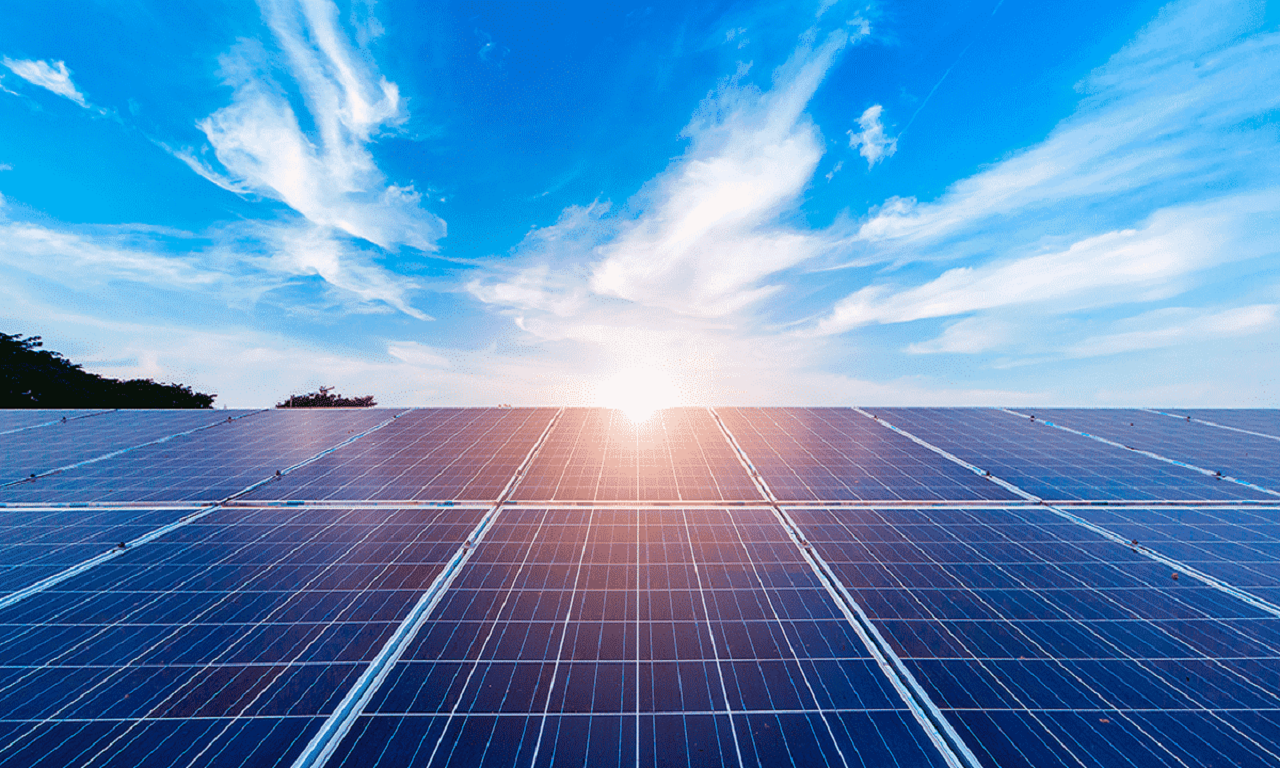
With the Arrival of the Legal Framework for Distributed Generation, Popularly Known as “Sun Tax”, the Electricity Bill for Those Who Adopt Solar Energy in the Coming Years May Become More Expensive Due to the Implication of Payment of Installation Fees for Photovoltaic Panels
Approved in early January 2022, the Legal Framework for Distributed Generation will make solar energy generation in residences more expensive. However, there is still time to escape the “sun tax,” which is what this charge is being called. Read more below about this new charge and reduction in savings on the electricity bill.
Read Other Related News
Understand Why Solar Energy Generation Will Become More Expensive
Solar energy generation in residences now has fixed rules to be followed. Despite the new law imposing a fee on the installation of solar panels – which did not exist before – the Legal Framework for Distributed Generation will bring more legal certainty.
-
Rio Grande do Sul accelerates energy transition: State invests in renewable technologies and consolidates decarbonization strategies and pathways to attract billions in new industrial investments.

-
With 160,000 m² of collectors, an area larger than 20 football fields, Silkeborg, in Denmark, hosts a solar thermal plant that heats 19,500 homes and could become the largest solar heating plant in the world.

-
A study reveals the expansion of renewable energy procurement in Brazil and shows how companies are taking advantage of opportunities to reduce expenses, ensure energy efficiency, and strengthen strategic environmental commitments.

-
Roraima bets on the sun to escape high tariffs: Amid the energy crisis and price hikes, solar energy is growing in Roraima and transforming consumption in the North region.
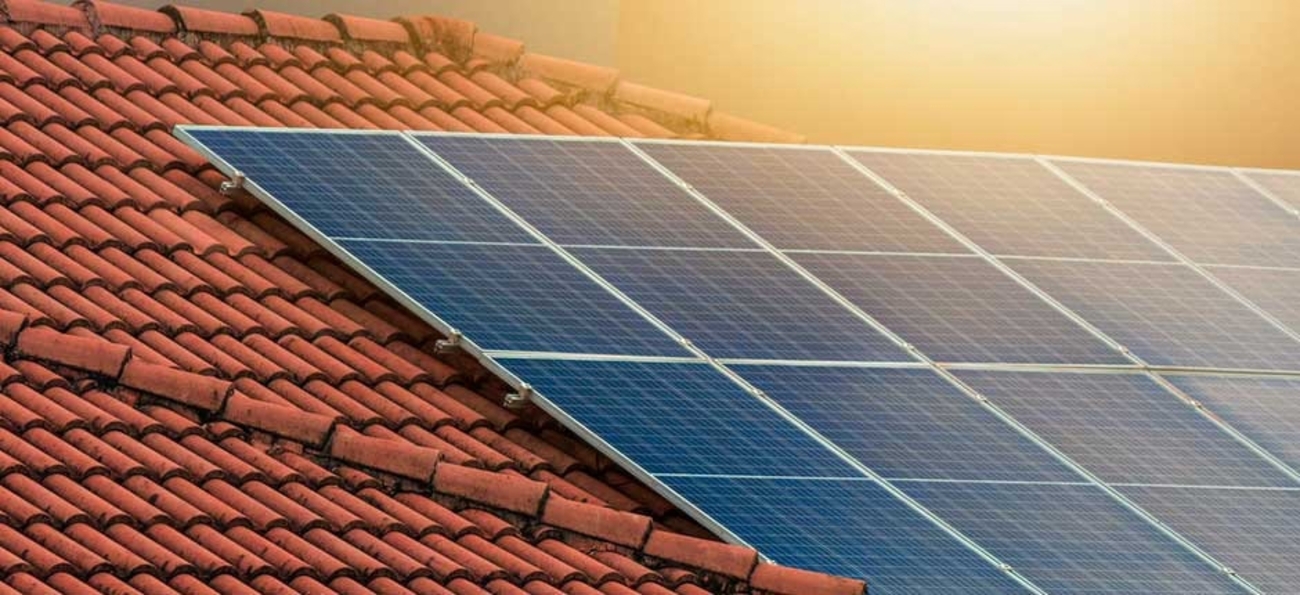
The new charge, dubbed the “sun tax,” will reduce the savings on the electricity bills of those who previously sought the system specifically to save. With the sanction of the Law No. 14,300/2022 on January 7, 2022, the Legal Framework for Distributed Generation institutes the charges on the electricity bill for the costs of solar energy distribution from those who generate it at home through the on-grid system, which is connected to the conventional electricity distribution network.
The savings for solar energy users were precisely in the aspect of the installation cost of photovoltaic panels, as there was no payment of this fee, which generated great savings on the electricity bill.
Despite the Legal Framework for Distributed Generation and the Sun Tax, the Solar Energy System Has Not Lost Attractiveness
Even with the “sun tax” of the new Legal Framework for Distributed Generation, adopting the solar generation system has not lost its appeal, as the legal framework established that those who had already installed the solar energy system at home before the sanction of the new law or those who install it within 12 months from the publication of the law will remain exempt from the “sun tax” on their electricity bill until 2045.
This means that there is still time to install photovoltaic panels at home and enjoy this type of solar energy generation with savings – even if it does not mean that those who install photovoltaic panels after this period will not have savings on their electricity bills, as the adoption of the system, whether charged for installation or not, continues to be more viable and economical than using conventional electricity today, which is becoming increasingly expensive due to the water crisis.
Those who adopt solar energy generation after January 7, 2023, also need not worry about the “sun tax,” as the charge for installation and use of the grid will also not be exorbitant, as many have imagined.
Understand the FIO B Charges Within Solar Energy Generation, According to the New Distributed Generation Framework
“Art. 27. The billing of energy from participating units of the SCEE not covered by art. 26 of this law must consider the incidence on all compensated active electricity of the following percentages of the tariff components related to the remuneration of the assets of the distribution service, to the regulatory reintegration quota (depreciation) of the distribution assets and to the cost of operation and maintenance of the distribution service:
- I – 15% (fifteen percent) starting in 2023;
- II – 30% (thirty percent) starting in 2024;
- III – 45% (forty-five percent) starting in 2025;
- IV – 60% (sixty percent) starting in 2026;
- V – 75% (seventy-five percent) starting in 2027;
- VI – 90% (ninety percent) starting in 2028;
- VII – the rule set forth in art. 17 of this law starting in 2029.
This excerpt from the law explicitly lays out the gradual implementation of the Fio B charge, always recalling that the article 17 referred to in VII of the transition year addresses the “delegation” of power to ANEEL (National Electric Energy Agency) for determining the tariff rules that will regulate the class starting in 2029, resulting from the so-called “account reconciliation” for valuing costs and benefits of GD.
Thus, those who start their homologation process after January 7, 2023, will be subject to the new rules of non-compensation of the Fio B. In other words, if your client connects the project to the distribution grid in 2023, they will start paying the Fio B on their electricity bill gradually over the years, as shown in the example below:
Access Request Filed on January 7, 2023: will pay 15% of the Fio B in 2023, 30% of the Fio B in 2024, and so on through the seventh year of transition where they will be paying 90% of the Fio B plus the percentage that ANEEL determines or not after the valuation of the benefits of GD;
Access Request Filed on January 7, 2024: will pay 30% of the Fio B in 2024, 45% of the Fio B in 2025, and so on through the seventh year of transition where they will be paying 90% of the Fio B plus the percentage that ANEEL determines or not after the valuation of the benefits of GD.
In Comparison to Other Countries, Brazil Continues to Have Less Impact on the Wallets of Those Who Use Solar Energy
Absolar (Brazilian Association of Photovoltaic Solar Energy) reported that the new transition rules mitigate the impact on the payback period of systems with shorter installation timelines.
Despite the implementation of the Legal Framework for Distributed Generation, the changes continue to be the most favorable when considering other parts of the world, where laws are being revised or new rules are being implemented, such as California (USA), Nevada (USA), and the Netherlands in Europe.
This content was based on the original article published by Julia Wiltgen on the Seu Dinheiro Portal







Seja o primeiro a reagir!