





 English
  Francês
  Alemão
  Italiano
  Japonês
  Norueguês
  Portuguese
  Spanish
 3 min of reading


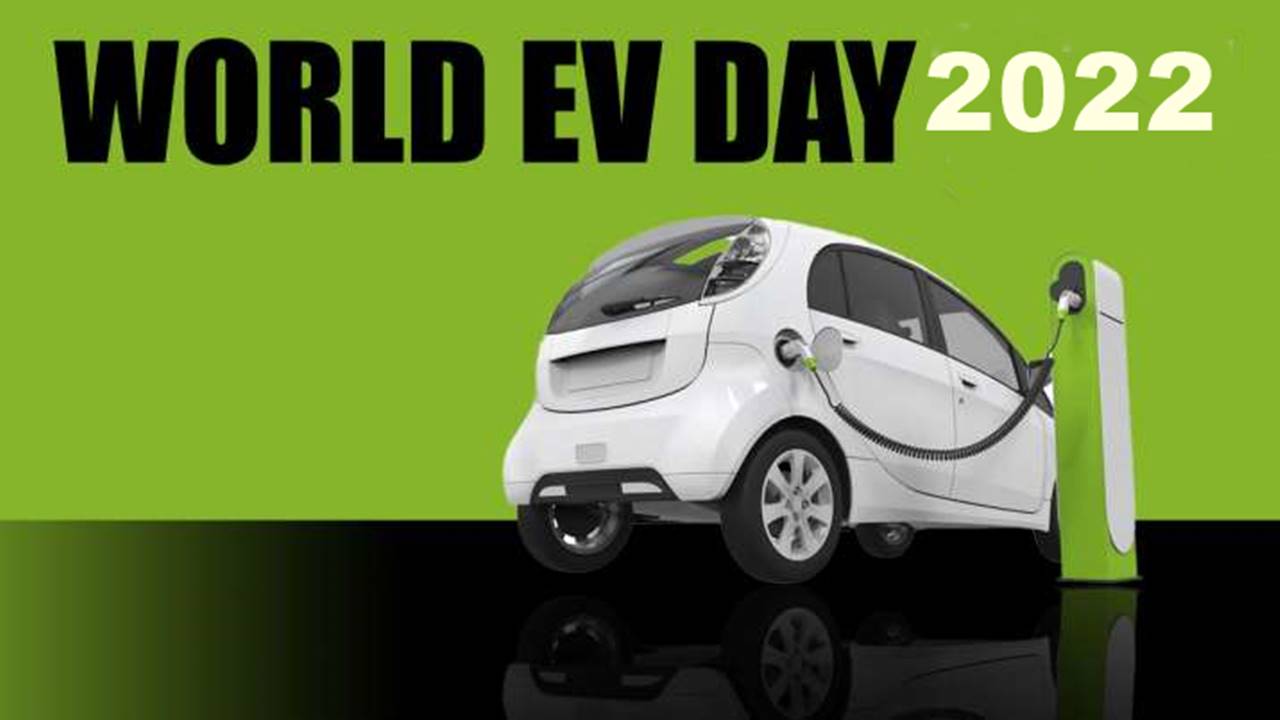
On World EvSharing Day, Carsharing Companies Will Hold Events to Celebrate the Date with Vehicle Exhibitions and Vouchers for Free Experiences
Celebrated for the first time on September 24 this year, World EvSharing Day will be marked by events surrounding the date, as well as by the warming of the market worldwide and significant advancements in the sector in the country. It is also a great opportunity to discover 100% Electric Cars with Affordable Prices in Brazil.
Since the establishment of the date in September 2021 to the present day, electric vehicles have increased their relevance and participation in the daily lives of Brazilians. According to research conducted by McKinsey & Company, for instance, consumers express greater interest in electric cars, micromobility, and technology at levels higher than those of consumers in other countries.
The research indicates that 70% of respondents are considering subscribing to vehicle services, mainly due to the possibility of exploring different types of mobility solutions (21%) and a potential reduction in total ownership costs (18%), as there would be no need to purchase electric vehicles, only paying for their use.
-
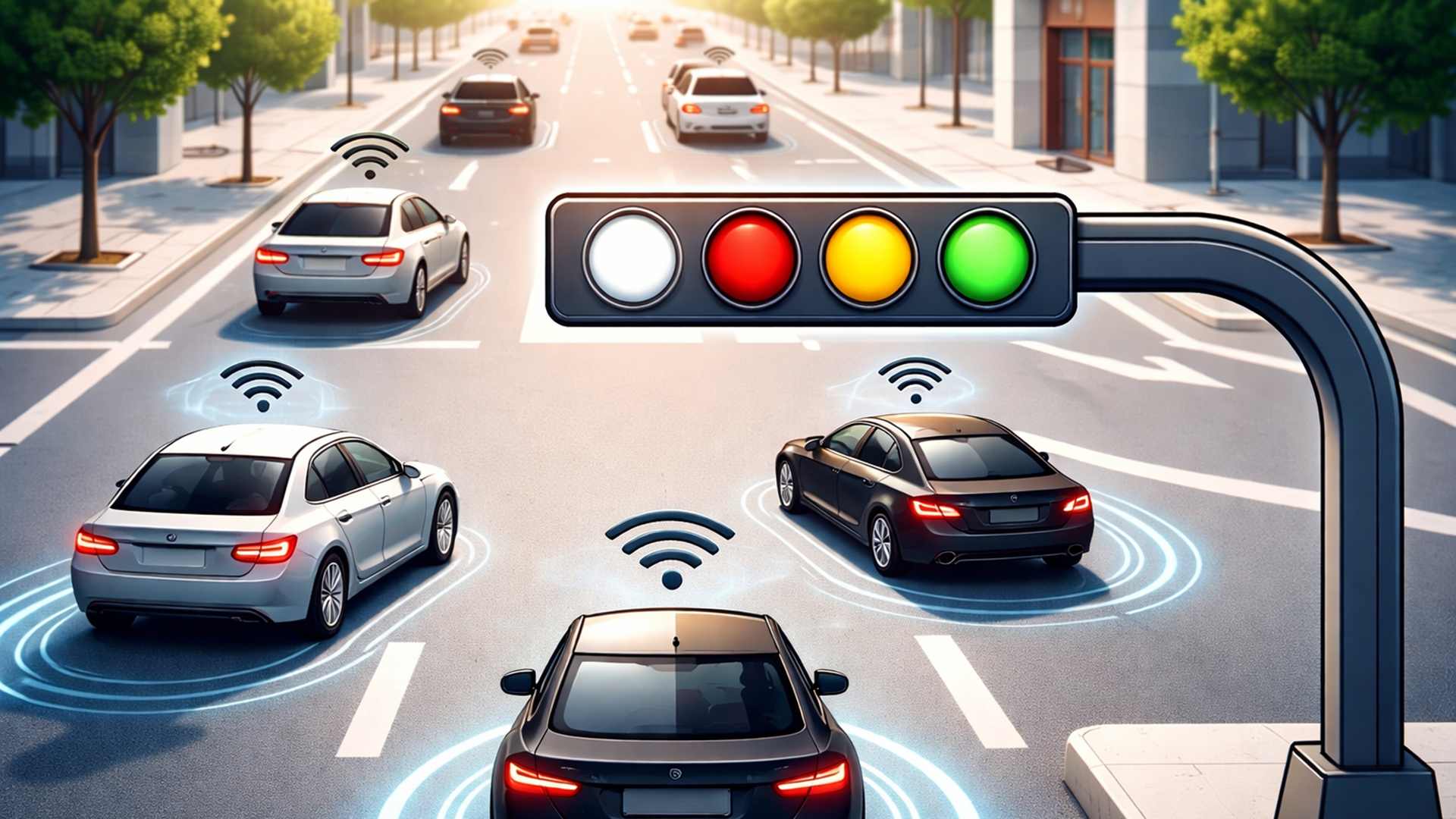
Engineers propose a fourth traffic light for intersections – the change promises to affect crossings, queues, and waiting times.
-
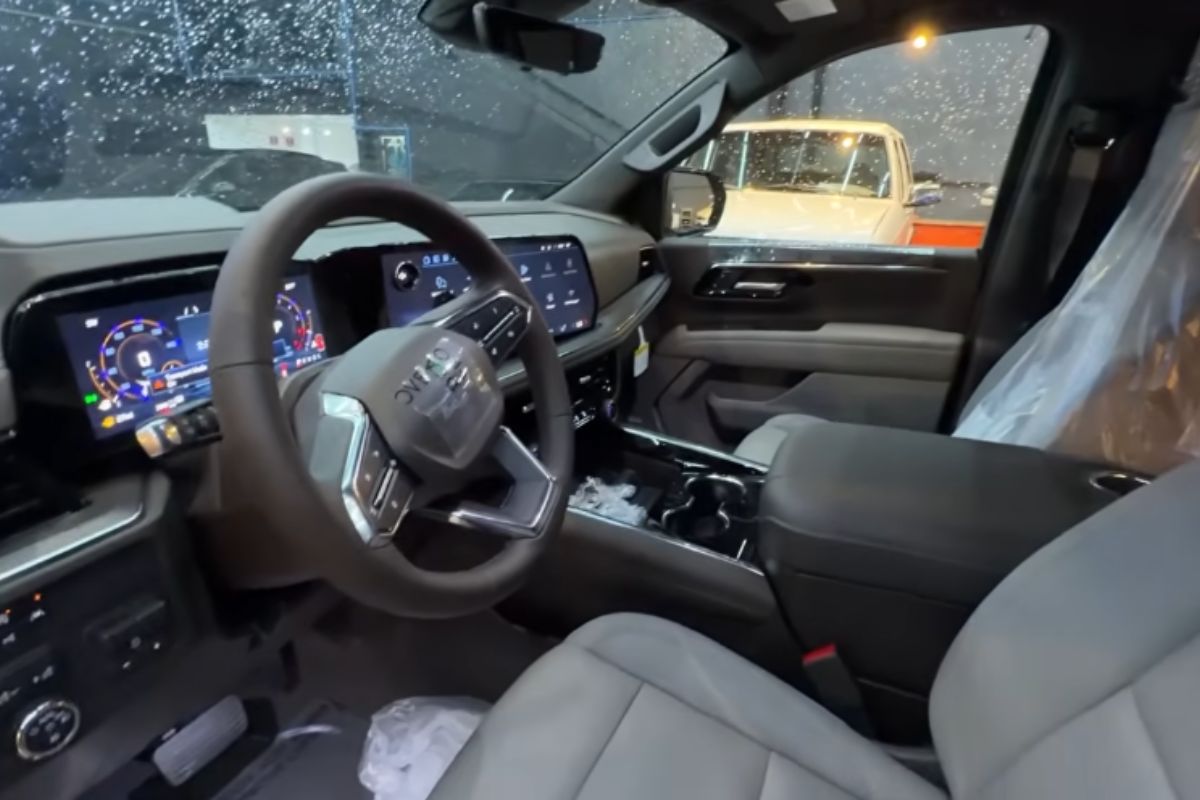
Chevrolet Suburban Z71 lands in Brazil with a V8 engine, off-road design, air suspension, seven seats, and colossal size, a rare version imported for around R$ 1.3 million with luxury and exclusivity.
-
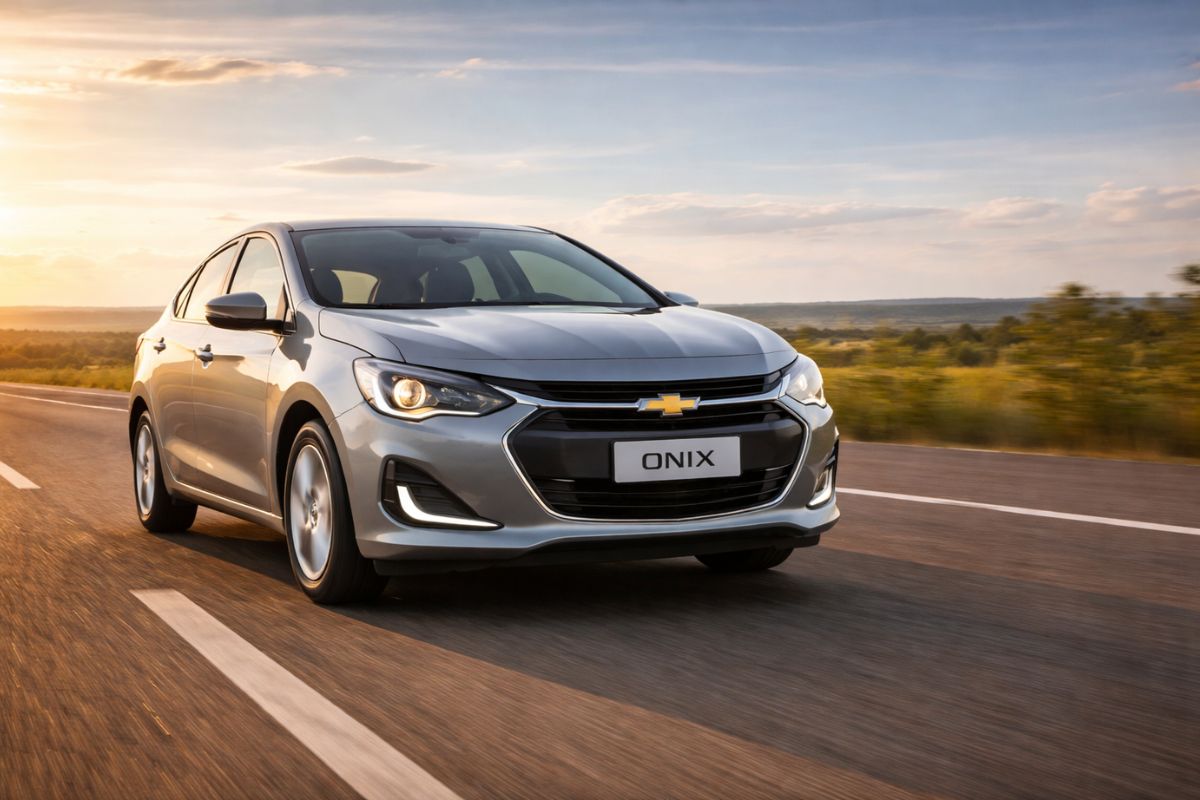
The Chevrolet Onix 1.0 turbo achieves 17.7 km per liter on the highway and ranks among the three most economical cars in Brazil in 2026, alongside two more expensive Toyota hybrids available at dealerships.
-
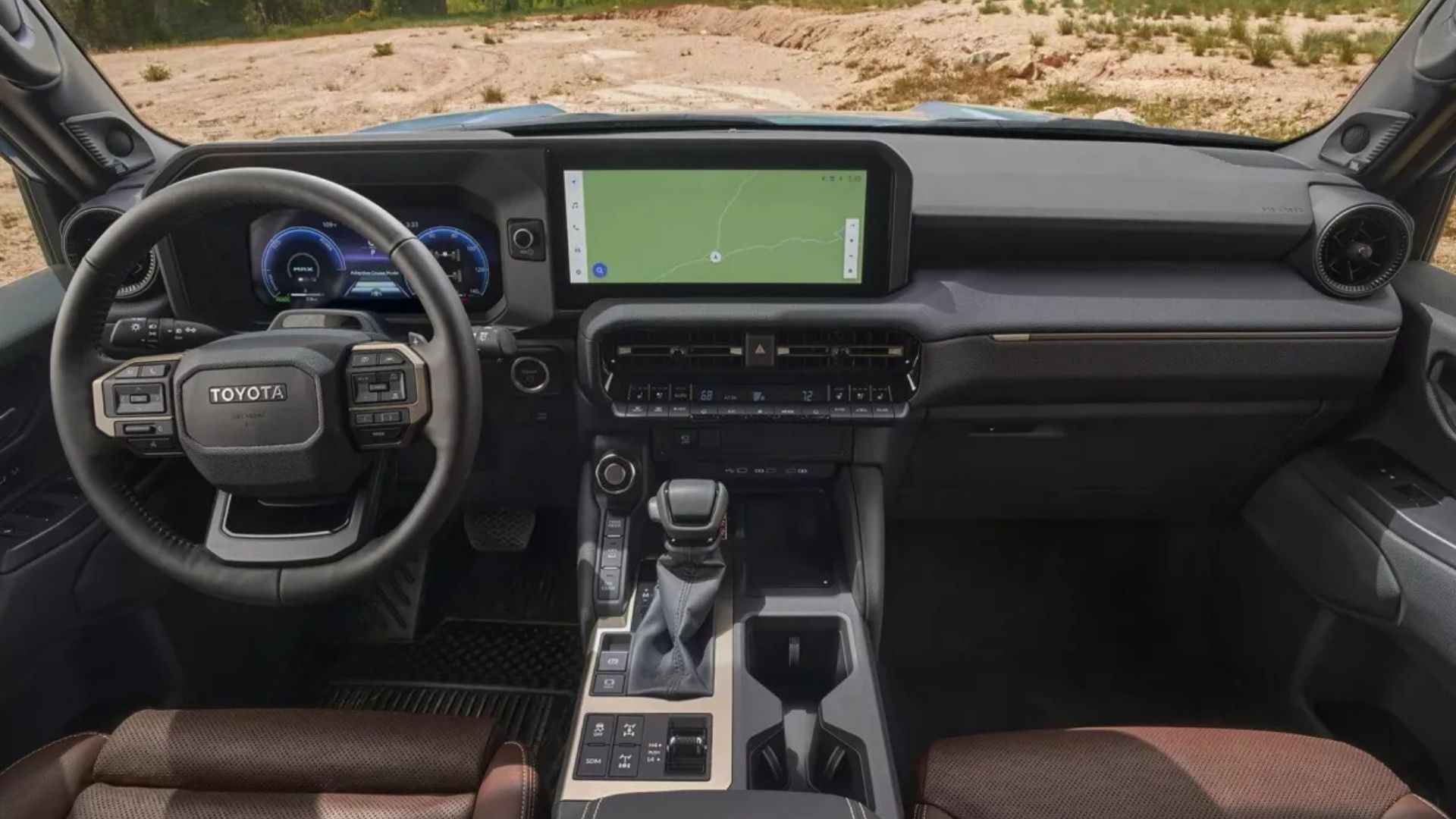
Little sister of the Hilux: Toyota launches Land Cruiser FJ with 4 radical versions, 2.7 engine with 166 hp and 4×4 traction with locking.

The Electric Vehicle Market is Extremely Favorable
According to Guilherme Cavalcante, founder and CEO of UCorp, a leading startup in technology and corporate mobility solutions in Brazil focused on electric vehicles and instrumental in establishing the date, this increase in Brazilian interest arises from their strong connection to new technologies, the expansion of the electric vehicle market, and the understanding that, despite the initial price, electric vehicles are much more economical when compared to repair and fueling costs. “Brazilians know that today an electric vehicle still has a high value compared to a popular car, but they have already realized that this technology will lead to lower expenses in the future, especially with the ongoing fluctuations in fuel prices, sensitive to any problems around the world,” he comments.
Alongside prominent players in the sector in the country, UCorp will hold a celebration so that the date is not overlooked, and the app will offer discounts for all rides. According to the executive, in addition to an exhibition of electric vehicles at Itaú’s Cubo and at Housi Bela Cintra and Osten Serra do Japi locations, consumers will be able to “take a ride” in electric cars from different brands. “There will be about 12 cars available, and those interested can use vouchers for up to 100% discounts on UCorp and Osten Go apps,” he adds.
A Thriving Sector
The growth in the sector is also noticeable with the increasing sales of electric and hybrid cars in the country, which in the first quarter of 2022, saw 3,395 fully electric vehicles registered (19% more than total sales in 2021). Cavalcante points out that this is also due to the role of companies like UCorp, which helped increase the market share of electric vehicles. “Whether through shared vehicle technology offerings, carsharing, or incentives for greater vehicle supply, conditions, and infrastructure,” he concludes.
The event will also mark the one-year anniversary of UCorp, which recently, in partnership with the startup Blockforce, specialized in blockchain-as-a-service solutions, launched UCO2, the first app to generate a token backed by the value of regulated carbon credits for ESG and electric mobility in the country, and has already converted 35 tons of CO2 into credits for its clients; additionally, when combined with other partners, this number rises to about 42 tons, representing the amount of CO2 not emitted by the 26 vehicles in the fleet daily, which make an average of 120 daily rides in São Paulo.
Via UCorp, a leading startup in technology and corporate mobility solutions in Brazil!









Seja o primeiro a reagir!