





 Portuguese
  English
  Spanish
 4 min of reading
  0 comments


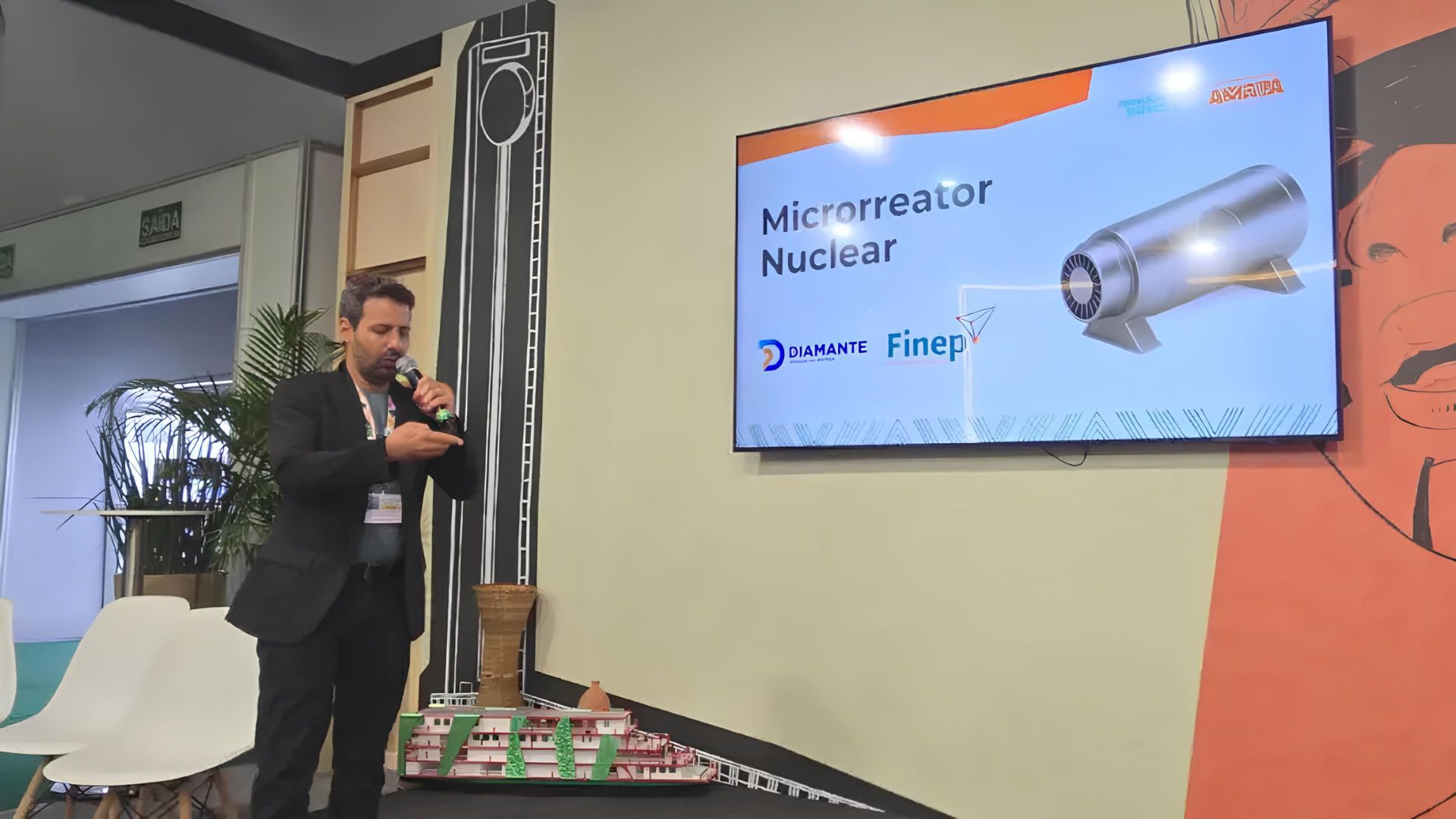
Diamante Energia Details the Progress of the Brazilian Nuclear Micoreactor, a 1 to 5 MW Technology Focused on Clean Energy Production and Strengthening Nuclear Innovation in the Country
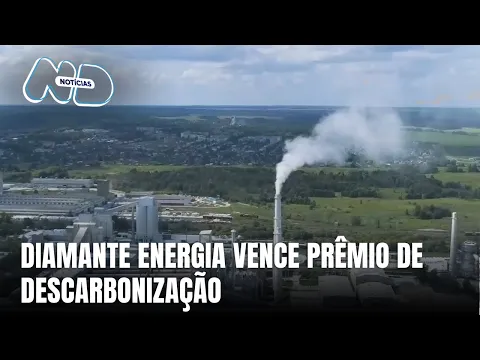
On November 10, 2025, during the Conference of the Parties on Climate Change (COP 30) held in Belém, Pará, the Santa Catarina company Diamante Energia presented to the world its project for a Brazilian nuclear micoreactor with a capacity ranging from 1 to 5 MW. The proposal, developed in partnership with Finep and the company Terminus, stood out for its potential to generate clean energy, safe and affordable, especially for remote regions of Brazil.
Brazilian Nuclear Micoreactor: Compact and Strategic Solution
The initiative represents a milestone in the quest for national technological sovereignty by adapting space technologies for civilian use, focusing on decarbonization and energy security.
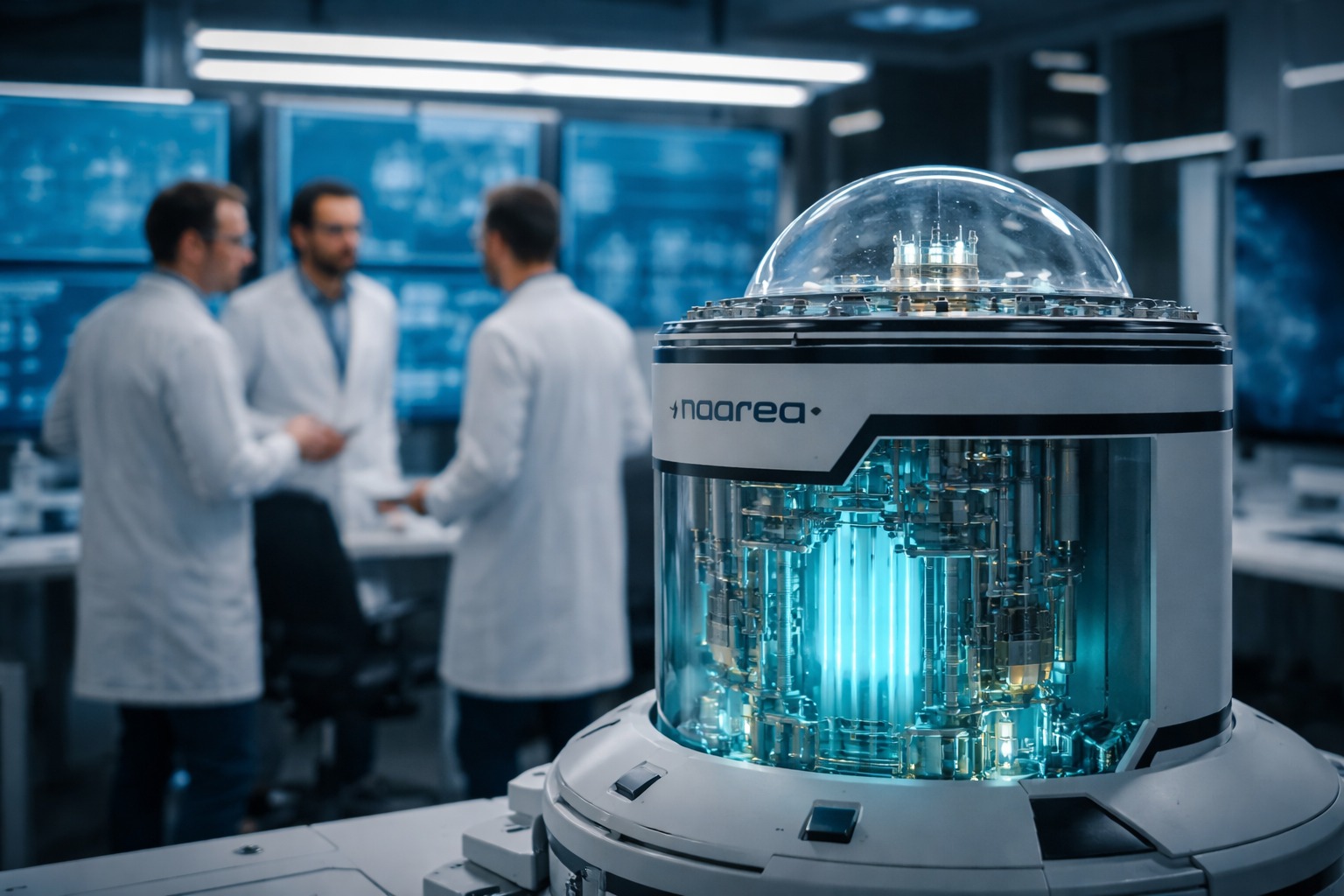
The project won the InovaClima Brazil 2025 Award in the Decarbonization category, promoted by CIETEC. The Brazilian nuclear micoreactor presented by Diamante Energia is a portable unit sealed in a 40-foot container, with a power of up to 5 MW.
-
Fukushima Marks A Turning Point In Japan’s Energy Policy: After The Disaster, The Country Shut Down Its 54 Nuclear Reactors And, 15 Years Later, Only A Small Portion Have Returned To Operation
-
How Japan Overcame The Nuclear Bomb And Now Houses Millions In Hiroshima, While Ukraine Lost Chernobyl?

-
Bill Gates Receives Historic Approval to Build Giant 345 MW Nuclear Plant in the U.S. and Promises to Generate Up to 500 MW of Energy with Innovative Technology
-
India Opens Nuclear Energy to Private Capital to Accelerate Projects and Attract Billions, While Brazil Remains Stalled at Angra 3 and Discusses Who Will Foot the Bill for Completion

According to the project manager at Terminus, Dr. Horus Orlandi, the equipment was designed to operate autonomously, with high safety and low maintenance, capable of serving isolated communities, military bases, industrial centers, and areas with difficult access.
The technology employed is derived from space systems, adapted for land use focusing on reliability and sustainability. The reactor uses low-enriched nuclear fuel, with reinforced shielding and automated control systems.
Furthermore, the project envisions continuous operation for up to 10 years without the need for refueling, which represents a significant advantage over conventional sources.
Positive Environmental Impact of the Brazilian Nuclear Micoreactor
The Diamante Energia project aligns with global goals for reducing greenhouse gas emissions. According to data from the International Energy Agency (IEA), nuclear energy accounts for about 10% of global electricity generation and significantly contributes to decarbonizing the energy sector.
Micoreactors like the proposed can replace diesel generators, common in remote areas, reducing CO₂ emissions and air pollutants. Additionally, they offer energy stability in locations where renewable sources, such as solar and wind, face operational limitations.
The proposal also contributes to national energy security by diversifying the matrix and reducing dependence on imported fossil fuels.
Technological Sovereignty and National Innovation
The Diamante Energia proposal represents more than energy innovation. It symbolizes a strategic advancement towards technological sovereignty by developing a national solution with export potential and application in various sectors.
The project will be executed in partnership with the Nuclear Energy Institute (IEN) in Rio de Janeiro and the Nuclear Technology Development Center (CDTN) in Minas Gerais. The forecast is that the first units will begin operation in 8 to 10 years after testing and certification.
Investing in small-scale nuclear energy is investing in the future of Brazil, creating skilled jobs, strengthening the national industry, and reducing dependence on fossil fuels.
Diamante Energia and Brazilian Prominence at COP 30
The presentation of the Brazilian nuclear micoreactor at COP 30 placed Brazil in the spotlight on the international stage. The event, which brought together world leaders, scientists, and civil society representatives, highlighted innovative solutions to tackle the climate crisis.
The project’s recognition by the national community reinforces Diamante Energia’s credibility, which already manages the Jorge Lacerda Complex, one of the largest thermoelectric centers in Latin America.
Moreover, the InovaClima Brazil 2025 award established the proposal as a reference in sustainable innovation, opening doors for international partnerships and funding for new stages of development.

Nuclear Energy and Regulatory Challenges
Despite the enthusiasm, the project faces significant challenges. The regulation of nuclear energy in Brazil requires technical rigor and approval from the National Nuclear Energy Commission (CNEN).
Moreover, public acceptance of nuclear energy remains an obstacle due to historical prejudices and lack of information. On the other hand, technological advancements and environmental benefits may change this perception.
With government support and societal engagement, Brazil can lead a new energy era based on innovation, safety, and sustainability.
Practical Applications of the Brazilian Nuclear Micoreactor
The versatility of the Brazilian nuclear micoreactor allows its application in various contexts. In isolated communities in the Amazon, for example, it can replace diesel generators, ensuring a continuous supply of clean energy with less environmental impact.
In military bases and industrial centers, the equipment provides energy security and operational autonomy. In disaster or emergency areas, it can be quickly transported to ensure critical support.
The potential for transformation is vast, and the adoption of the technology can accelerate regional development, reduce energy inequalities, and strengthen national infrastructure.
Paths to Brazil’s Energy Future
The presentation of the Brazilian nuclear micoreactor project by Diamante Energia during COP 30 marks a historic moment for the national energy sector. With a focus on clean energy, technological sovereignty, and energy inclusion, the proposal offers a viable and strategic alternative for Brazil’s future.
Micoreactors represent a silent, compact, and powerful revolution capable of transforming the Brazilian energy matrix and positioning the country as a global reference in sustainable innovation.
The road is long but promising. With investment, research, and dialogue, Brazil can consolidate its leadership in small-scale nuclear energy, ensuring security, development, and respect for the environment.








Seja o primeiro a reagir!