





 Portuguese
  English
  Spanish
  4 min of reading


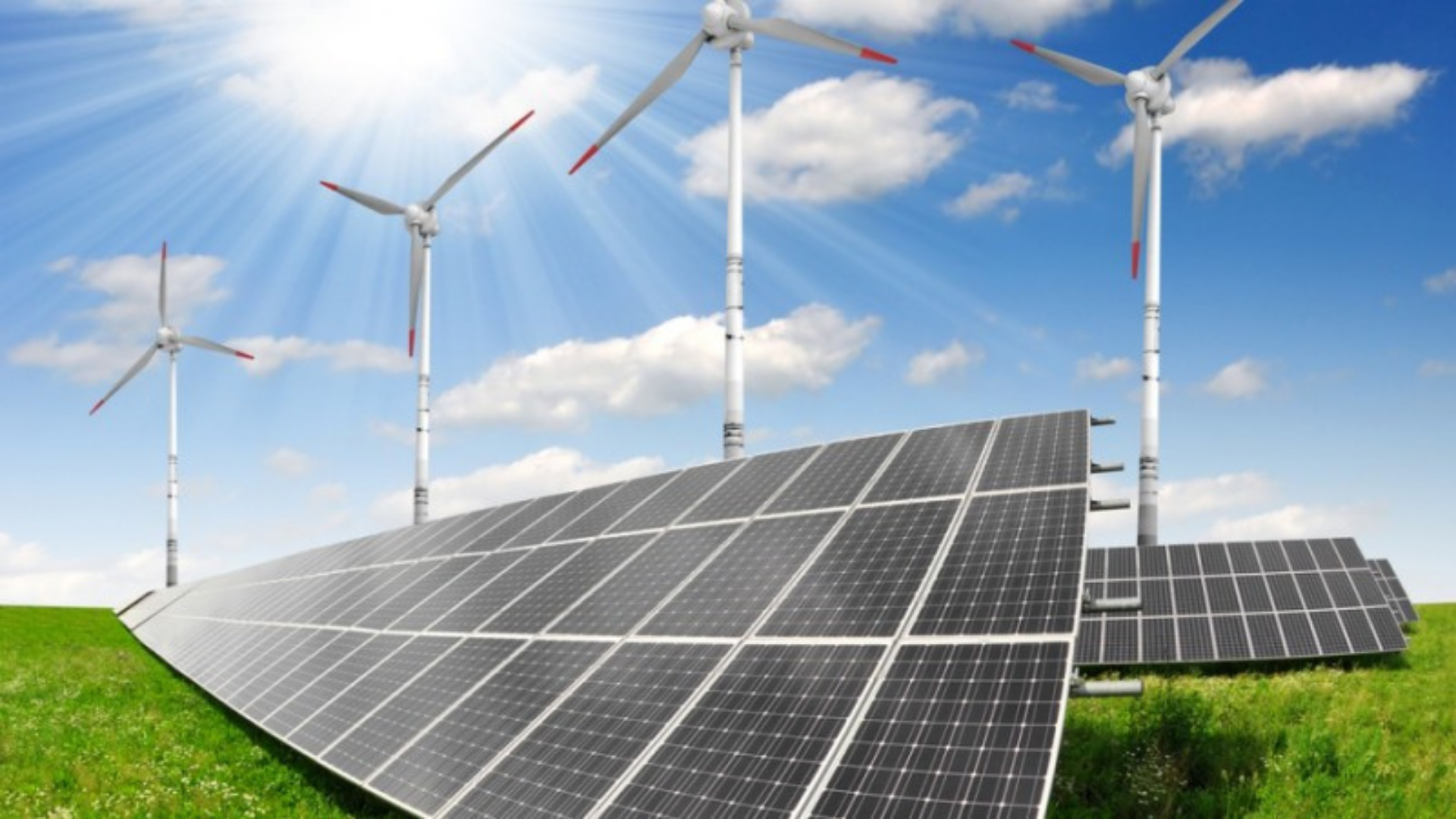
With Significant Decline in Hydroelectric Reservoirs, Renewable Energy Sources Such as Solar, Wind, Biomass, and Others Can Be a Good Solution
Amid the water crisis that the country is facing due to a period of significant rainfall decline, which directly influences the operation of hydroelectric power plants, investments in renewable energy sources could be a major escape for a possible energy crisis. In this scenario, there is a clear need for rationalizing consumption and also for optimizing the generation and transmission of electric energy. Check out this news: Northeast Region Breaks Record in Solar and Wind Energy Generation
- Elo Contact Center Promises to Create 700 Job Openings by the End of 2021 for Young People Aged 18 to 24 in São Luís
- Vital Natus Will Open a New Factory in MG This Month and Promises to Create Hundreds of Job Openings
- Coca-Cola’s Online Program Opens 26,000 Slots in Free Qualification Courses for First Jobs; After Completion, Selected Candidates May Compete for Job Openings
- RN Government Signs Agreement with Enterprize Energy for Offshore Wind Energy Production, Green Ammonia, and Hydrogen
- End of Brand Loyalty at Fuel Stations and Direct Sale of Ethanol from Mills Approved; Measures Promised to Stimulate Competition and Curb Gasoline Price Increases
Increase in the Use of Renewable Energy Sources
Charles Lenzi, president of the Brazilian Clean Energy Generation Association (Abragel), highlights that this scenario of utilizing renewable energy sources should drive the discussion on the importance of investing in new hydroelectric generation, including considering projects with extensive reservoir capacity. If the country aims to maintain a clean and renewable matrix, it is essential to reconsider the multiannual nature of reservoirs as a premise to ensure more affordable tariffs (tariff moderation), safety, and reliability in electricity generation, says Charles.
The president of the Brazilian Clean Energy Generation Association also states that in the case of Small Hydroelectric Power Plants (SHPs), the existing potential is around 25,000 megawatts (MW). Currently, there are more than 9,000 MW in projects already developed at the National Electric Energy Agency (Aneel). There are approximately 600 projects that, together, would allow for an investment volume in the area of R$ 75 billion, he concluded.
-
Renewable energy advances over protected areas in Brazil, and a survey by the Energy Transition Observatory reveals silent impacts that challenge environmental conservation and pressure sensitive traditional territories.

-
Rio Grande do Sul accelerates energy transition: State invests in renewable technologies and consolidates decarbonization strategies and pathways to attract billions in new industrial investments.

-
With 160,000 m² of collectors, an area larger than 20 football fields, Silkeborg, in Denmark, hosts a solar thermal plant that heats 19,500 homes and could become the largest solar heating plant in the world.

-
A study reveals the expansion of renewable energy procurement in Brazil and shows how companies are taking advantage of opportunities to reduce expenses, ensure energy efficiency, and strengthen strategic environmental commitments.


Records in Renewable Energy Generation Have Helped Mitigate the Consequences of the Water Crisis
In the Northeast Region, wind energy generation, a significant source of renewable energy, has been breaking records this season. The winds have helped alleviate some of the difficulties imposed by the water crisis. It is with strong winds that Rio Grande do Norte aids the national system in energy generation. The state is the largest producer of wind energy in the country, and installed capacity is expected to grow in the coming months.
The majority of the Brazilian matrix relies on hydroelectric power, accounting for about 64%. The energy crisis affecting the country is due to the drought. With the lack of rain, reservoir levels drop. The activation of thermal plants raises energy costs, and consumers end up paying more; however, some companies have invested in renewable energy sources (solar and wind) to alleviate power bills.
Diversification of the Electric Sector
Rui Altieri, president of the Board of Directors of the Electric Energy Trading Chamber (CCEE), notes that over the past 20 years, there has been significant movement in the electric sector aimed at diversifying the energy matrix, which allows for greater security during periods of high pressure on hydro sources. Various public policies have been implemented to enable the increased participation of other types of generation, whether renewable or not, such as natural gas, nuclear, biomass, wind, solar, among many others available.
The president of the Board of Directors of the Electric Energy Trading Chamber (CCEE) emphasizes that “It is a particularly challenging moment, but we are closely monitoring the movements of consumption and the reservoirs of hydroelectric plants as participants in the Electric Sector Monitoring Committee (CMSE), and the best forecasts indicate that energy supply is secured until the start of the next rainy season, which begins around November.”
Altieri also recalls that there is still room to manage and modify the electric matrix in search of a balance between renewable energy generation, supply security, and complementarity among sources.









Seja o primeiro a reagir!