





 Portuguese
  English
  Spanish
  3 min of reading


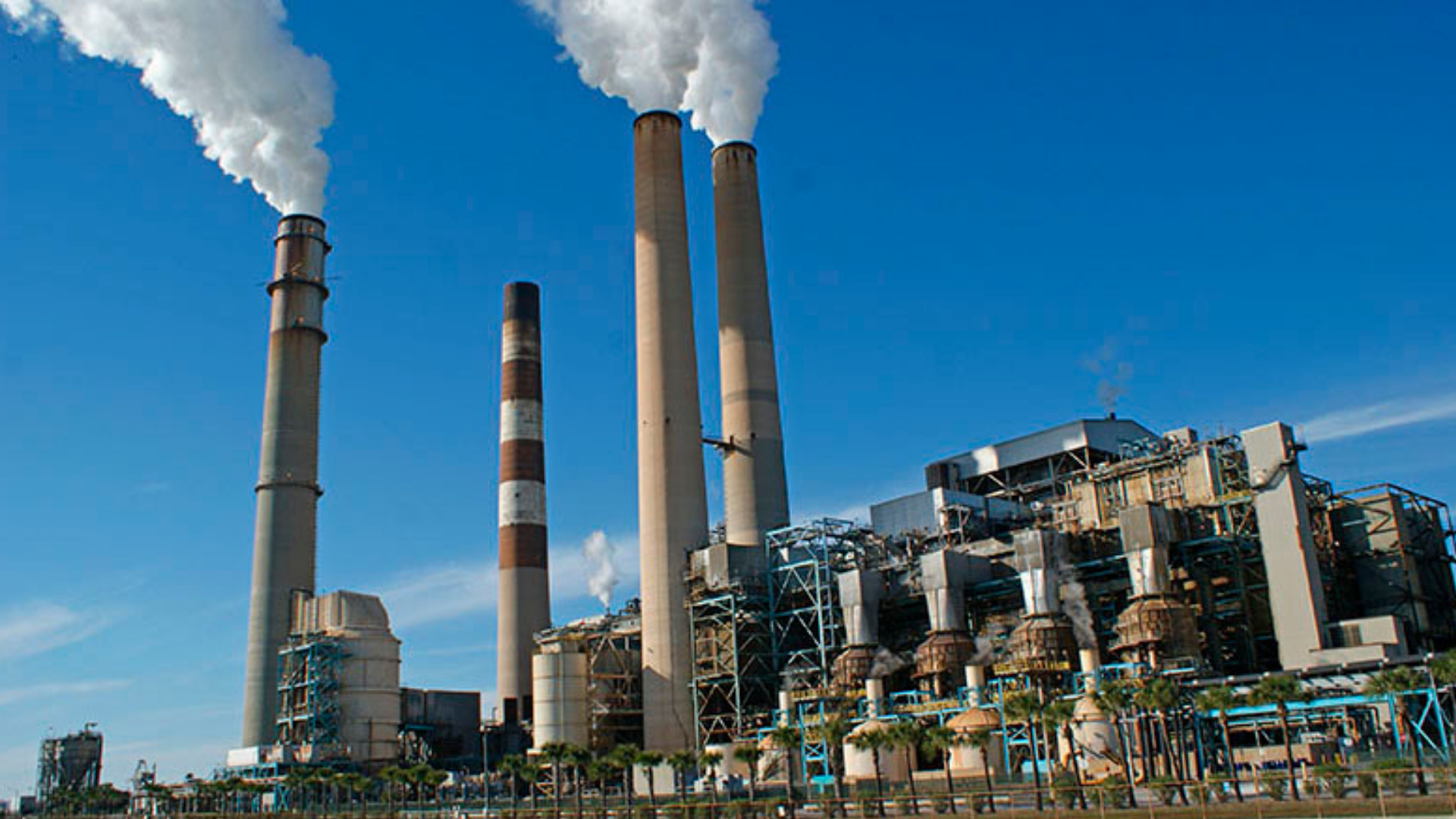
Thermal Power Plants Will Cost About R$ 13.1 Billion By November, According To Forecasts From The ONS (National Electric System Operator)
The use of thermal power plants, which are more polluting and generate more expensive energy, to avoid a blackout amid the water crisis in which Brazil is enduring has resulted in higher spending on energy generation in Brazil. This spending is passed on to consumers, which is expected to make electricity bills more expensive until at least 2025. Also read this news: The MME Forecasts An Investment Of R$ 20 Billion With A Program That Extends The Use Of Coal-Fired Thermal Plants
- Global Leader In Aluminum Cans For Beverages Invests US$ 65.8 Million In Factory And Will Generate Many Job Opportunities In Pará
- Eletrobras Signs Contract With BNDES And Will Invest R$ 3 Billion For Energy Generation Through Renewable Projects In The Amazon
- Global Leader In Digital Transformation And Recognized As One Of The Best Companies To Work For, Opens 270 Job Vacancies For Home Office And Hybrid Positions Throughout Brazil
- Johnson & Johnson Is Hiring Candidates Without Experience For Its Internship And Trainee Program
- Atlantic Nickel Mining Company, Owner Of One Of The Largest Open-Pit Sulfide Nickel Mines In The World, May Be Sold For US$ 1 Billion
Investments Of R$ 12 Billion Are Expected In Thermal Power Plants In The Country
In October, the MME will hold an auction, in a simplified process, to purchase additional energy, with a scheduled timeframe from April 2022 to December 2025 and the possibility of early delivery. This is necessary to restore reservoir levels of hydroelectric plants. However, the impact on electricity bills is expected to be even greater.
Gas-fired thermal power plants with a cost of up to R$ 750 per megawatt-hour (MWh) and diesel and fuel oil up to R$ 1,000/MWh may participate in the auction. The bill will be more expensive than previous auctions, but the government argues that the “challenging time frame” for operational startup results in higher costs. It believes that increasing competition could help control prices.
-
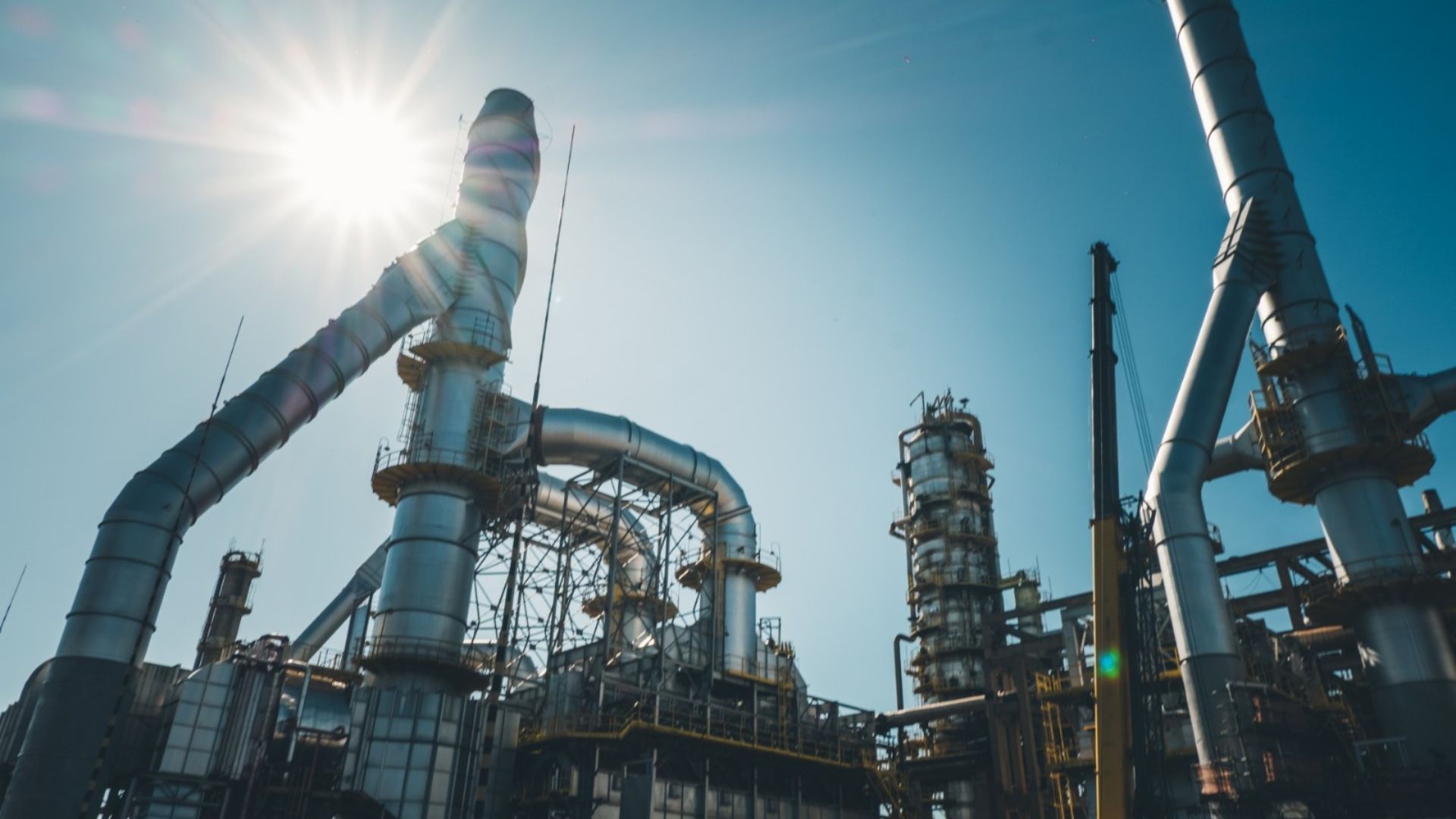
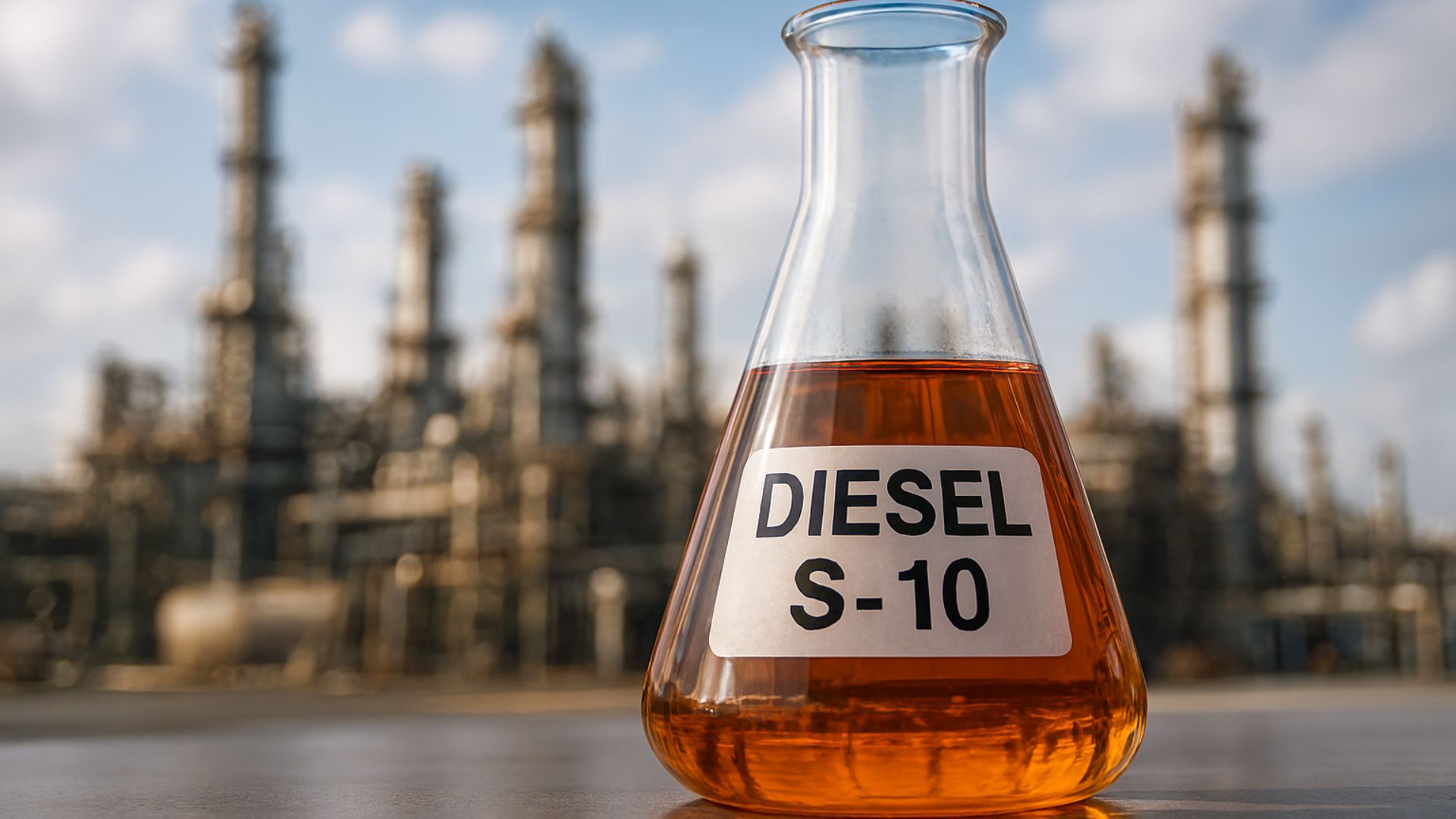
Petrobras Expands Refining in Brazil, Increases Production of Diesel S-10 and Gasoline, Enhances Operational Efficiency, and Reduces Import Dependence Between 2023 and 2025
-
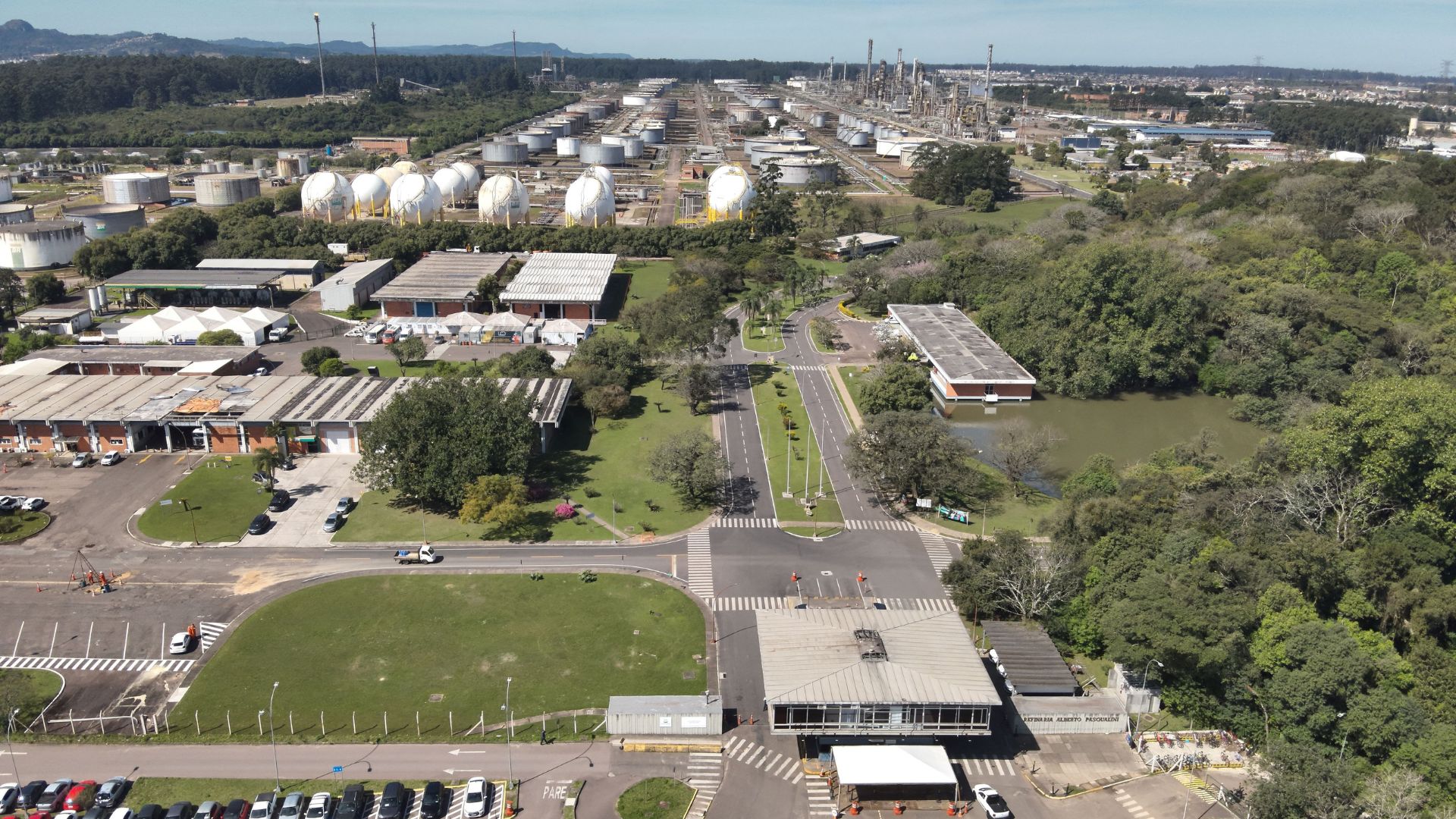
Petrobras’ Refap Sets Historic Records for Gasoline and S-10 Diesel Production in Canoas in Q4 2025, Surpassing Previous Figures
-
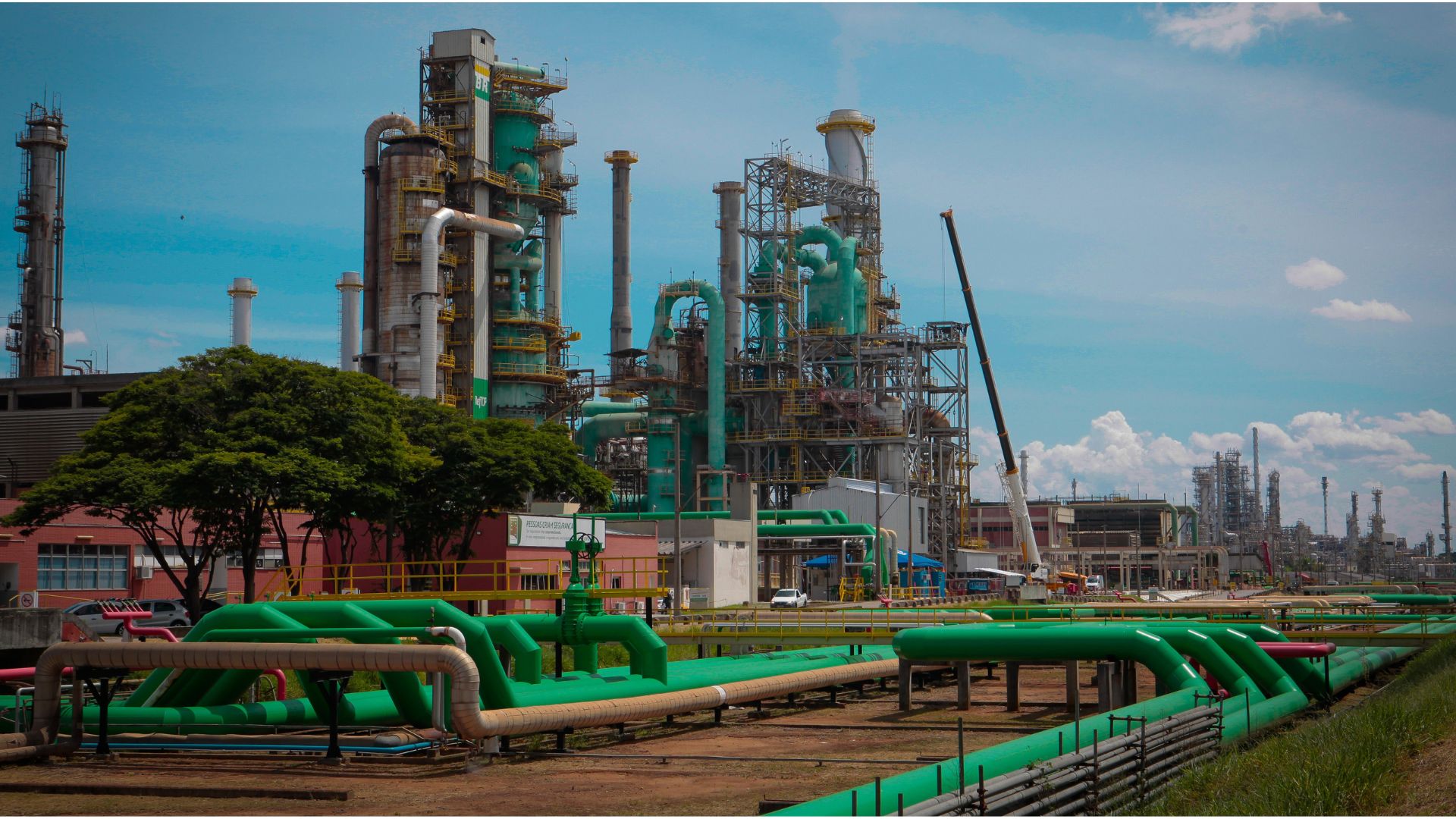
Revap Starts Operation of Modernized HDT and Petrobras Expands S-10 Diesel Production by 80% at the Refinery, Boosting Supply of Less Polluting Fuel in Brazil
-
Thermal Power Plant in Rio Grande do Sul Is Key to Attracting GWM
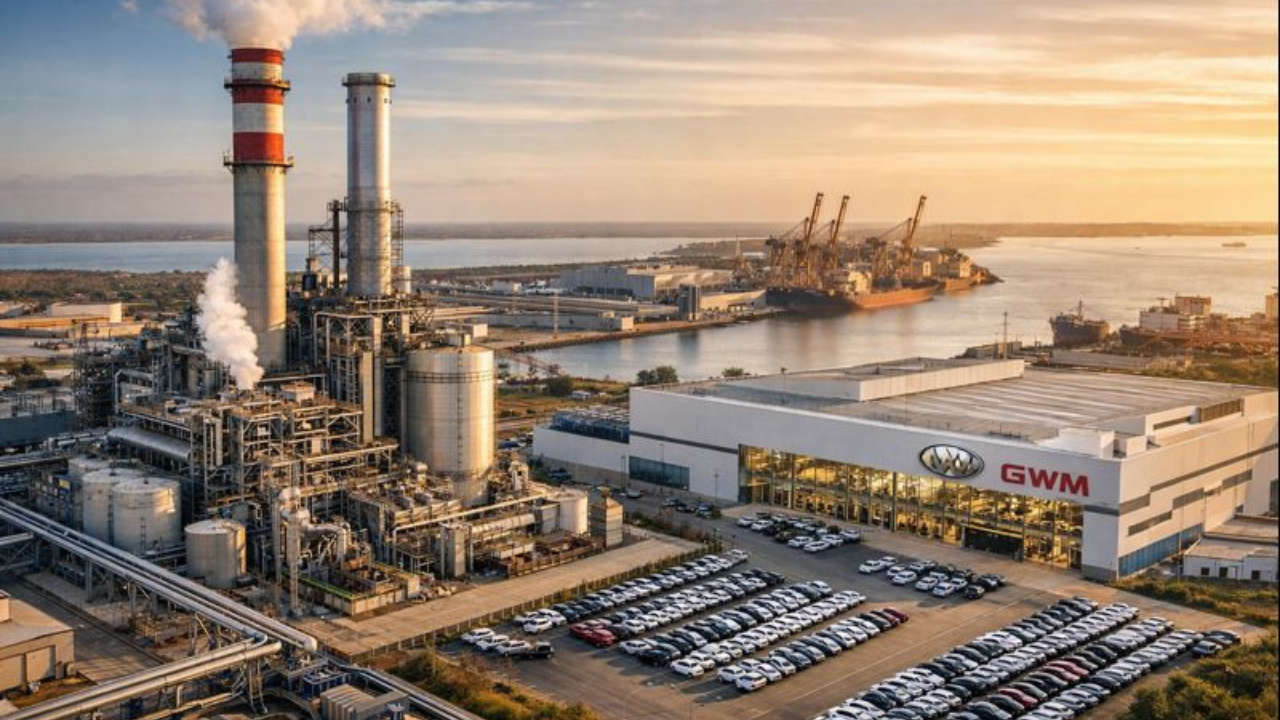
Spending On Thermal Power Plants Rises From R$ 9 Billion To R$ 13 Billion According To MME, Due To Water Crisis
According to an estimate made by the Ministry of Mines and Energy (MME), based on simulations by the National Electric System Operator (ONS), the increased use of thermal power plants, triggered by the water crisis scenario, will cost consumers R$ 13.1 billion this year, compared to a previous estimate reported in June that projected a cost of R$ 9 billion.
The calculation used in the MME’s estimate is based on simulations from the National Electric System Operator (ONS), considering the additional use of thermal power plants from January to November this year. The increase in energy generation costs is passed on to consumers through a tariff flag, an extra charge applied to the electricity bill.
The MME and the Electric Energy Trading Chamber (CCEE) informed G1 that the actions taken by the government are to preserve the water in the reservoirs of hydroelectric plants, leading to the activation of more thermal power plants to ensure energy supply. With this activation, the projected cost of using thermal energy this year rose from R$ 9 billion to R$ 13.1 billion, an increase of 45%.
Activation Of Thermals Amid The Water Crisis In The Country
The government published on June 7 a measure that authorizes, on an exceptional and temporary basis, differentiated regulatory conditions to allow the activation of thermal power plants without contracts for a period of up to six months, which may be extended. The initiative, announced by the MME in the Federal Official Gazette, comes amid a historic drought that has pressured the levels of hydroelectric reservoirs, the main source of energy generation in the country, raising concerns about energy supply.
The authorization, which had already been hinted at due to conditions at hydroelectric plants, but which would focus only on gas units, was formalized by the Government, so that support from the thermal sector for the water crisis becomes broader, calling for thermal power plants from other and more expensive sources.







Seja o primeiro a reagir!