





 Portuguese
  English
  Spanish
  5 min of reading
  0 comments


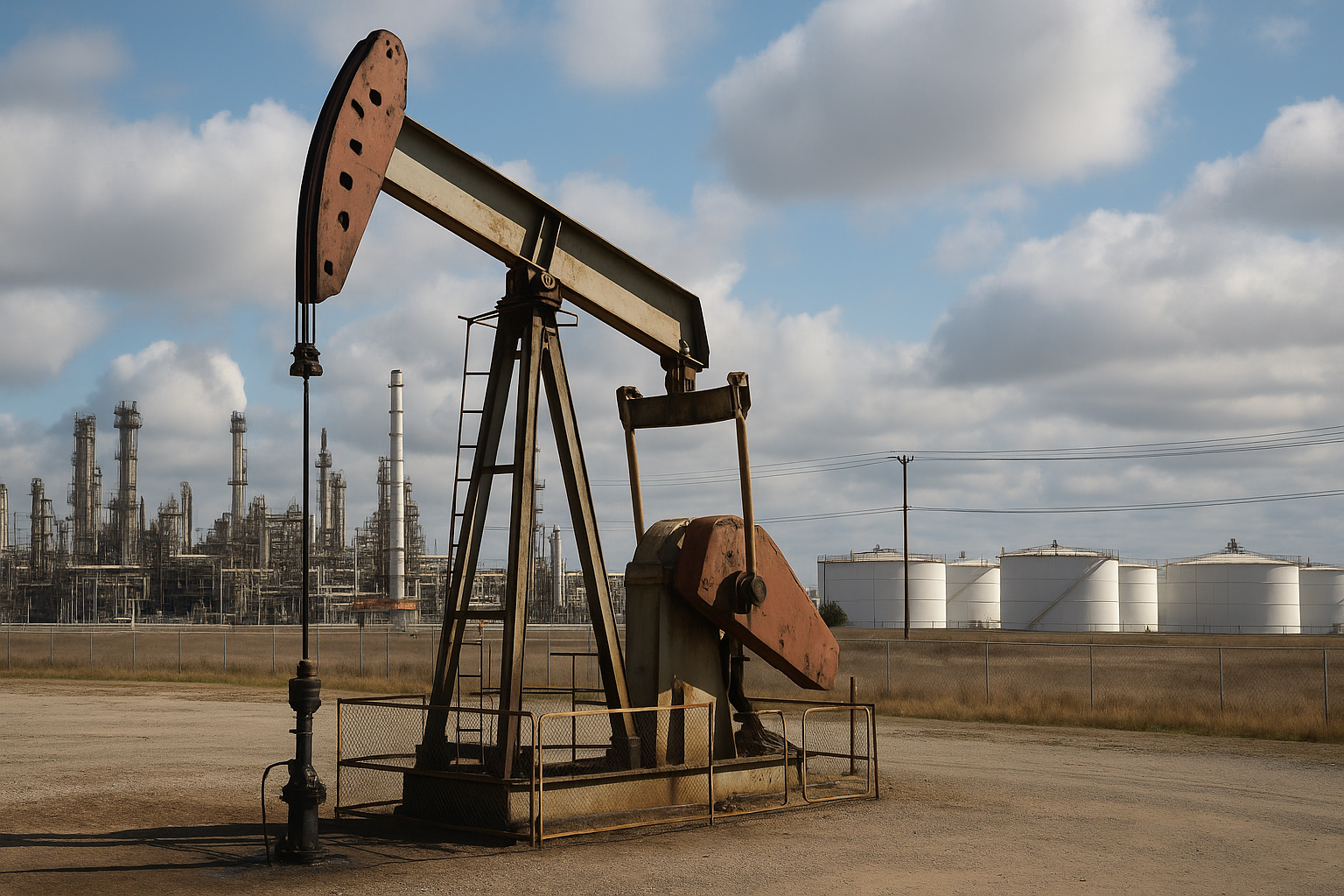
Discover Tips On Oil And Gas To Understand Their Influence On Daily Life, Businesses, And The Future Of Energy With A Clear, Historical, And Accessible Perspective.
First of all, it is important to recognize that oil and natural gas are present in our daily lives in ways that we often do not even notice.
From car fuel to plastic products, cosmetics, fertilizers, and even medications, these energy resources are part of almost everything we use.
Therefore, in this article, we will explore some tips on oil and gas that help to understand the importance of this sector and how it can impact both daily life and business.
-
The rise in oil prices could ensure an extra revenue of R$ 100 billion for the Federal Government, indicates a recent economic study.

-
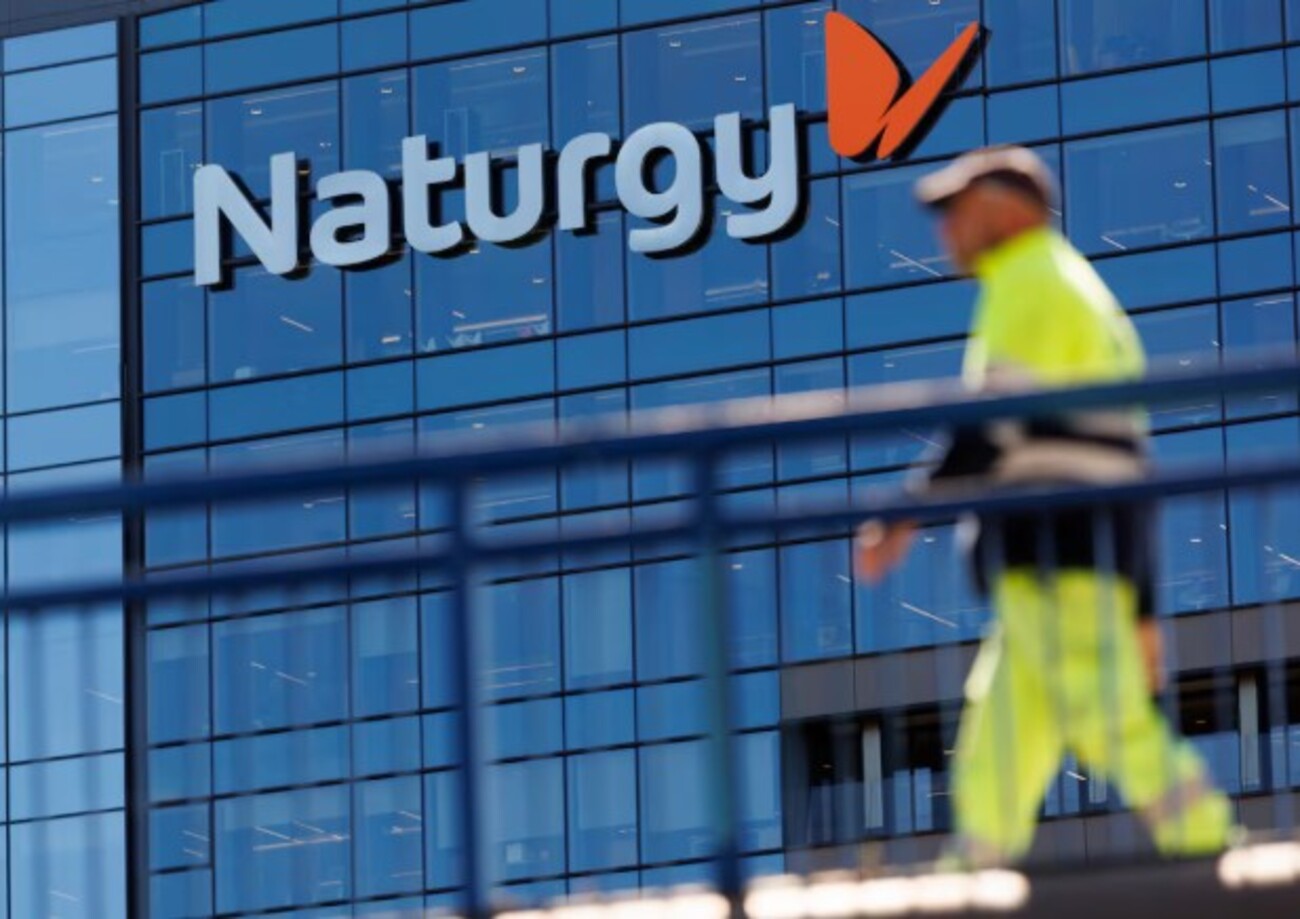
Naturgy begins an investment of R$ 1.6 million to expand the gas network in Niterói and benefit thousands of new residences and businesses.
-
A major turn in the Justice system suspends tax increases and directly impacts oil and gas companies in Brazil by affecting costs, contracts, and financial planning, leaving uncertain what could happen to the sector if these costs had increased.

-
Brava Energia begins drilling in Papa-Terra and Atlanta and could change the game by reducing costs in oil while increasing production and strengthening competitiveness in the offshore market.
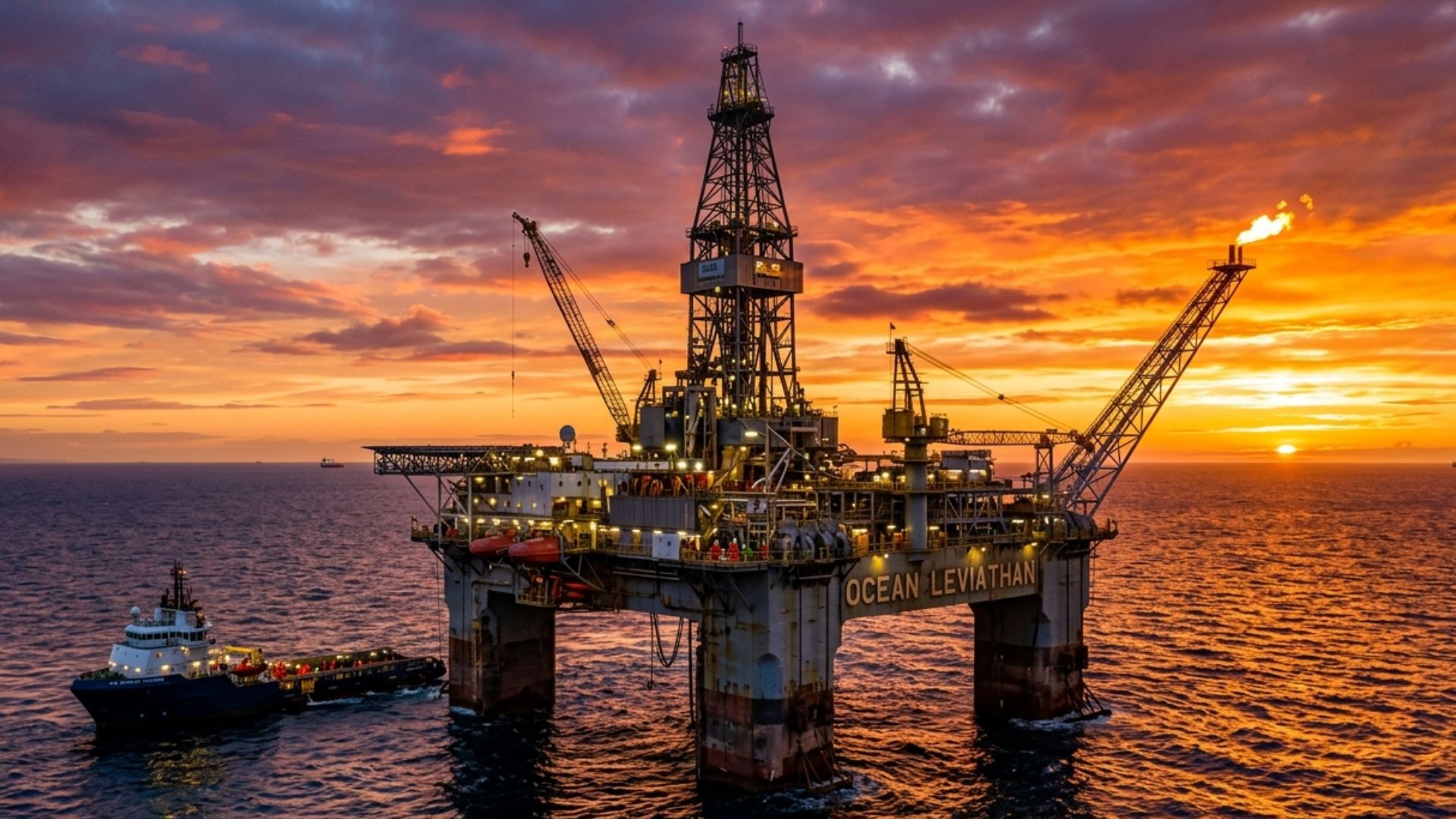

Although many people associate oil and gas only with the energy industry, the sector encompasses much more and involves great complexity.
After all, the production chain goes from exploration to distribution, involving sophisticated technological processes that ensure the quality and safety of the resources delivered to consumers.
Thus, understanding this universe helps to have a more complete and conscious perspective.
The Origin And Evolution Of Oil And Gas
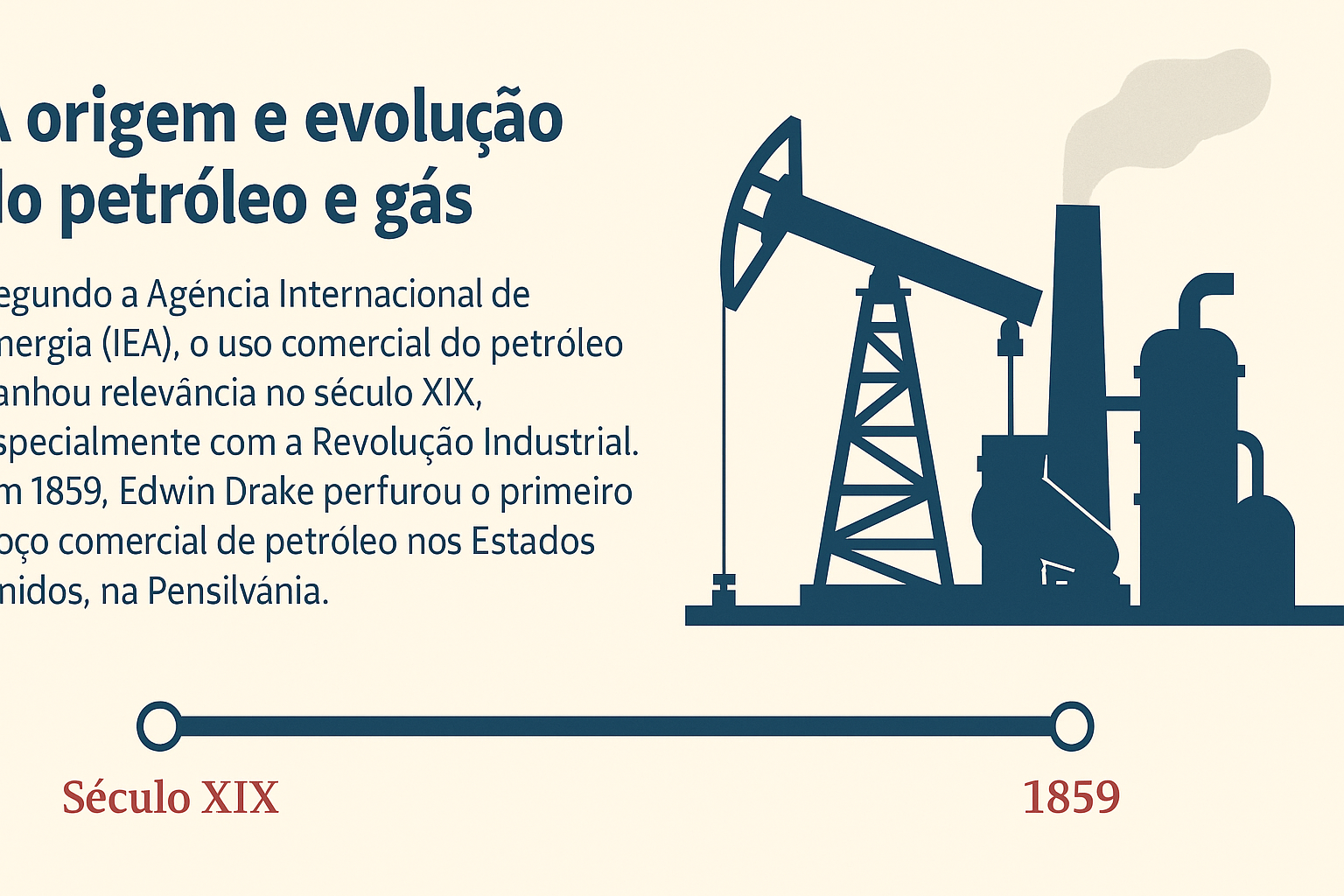
To begin, we need to go back in time to better understand how oil and gas gained so much influence.
According to the International Energy Agency (IEA), the commercial use of oil began to gain relevance in the 19th century, mainly with the advance of the Industrial Revolution.
The year 1859 is emblematic, when Edwin Drake drilled the first commercial oil well in the United States, in Pennsylvania.
This event marked the beginning of the modern oil industry, initiating a profound transformation in economies and societies.
The Industrial Revolution, which began in the second half of the 18th century, initially used coal as the main energy source.
However, oil soon proved to be a more efficient and practical source for various applications, including transportation and public lighting.
In addition, the development of technology throughout the 20th century allowed for the exploration of reserves in previously inaccessible locations, such as the seabed and Arctic regions.
As pointed out by the Organization of the Petroleum Exporting Countries (OPEC), this transformed the global landscape, with countries in the Middle East, Latin America, and Africa emerging as major producers.
At the same time, natural gas began to gain greater importance as an energy source in the 20th century, being considered a cleaner alternative than coal and oil, according to data from the U.S. Energy Information Administration (EIA).
Therefore, oil and natural gas have assumed strategic positions, shaping the world economy and even influencing political and environmental decisions.
Where Fossil Fuels Are Present In Your Daily Life
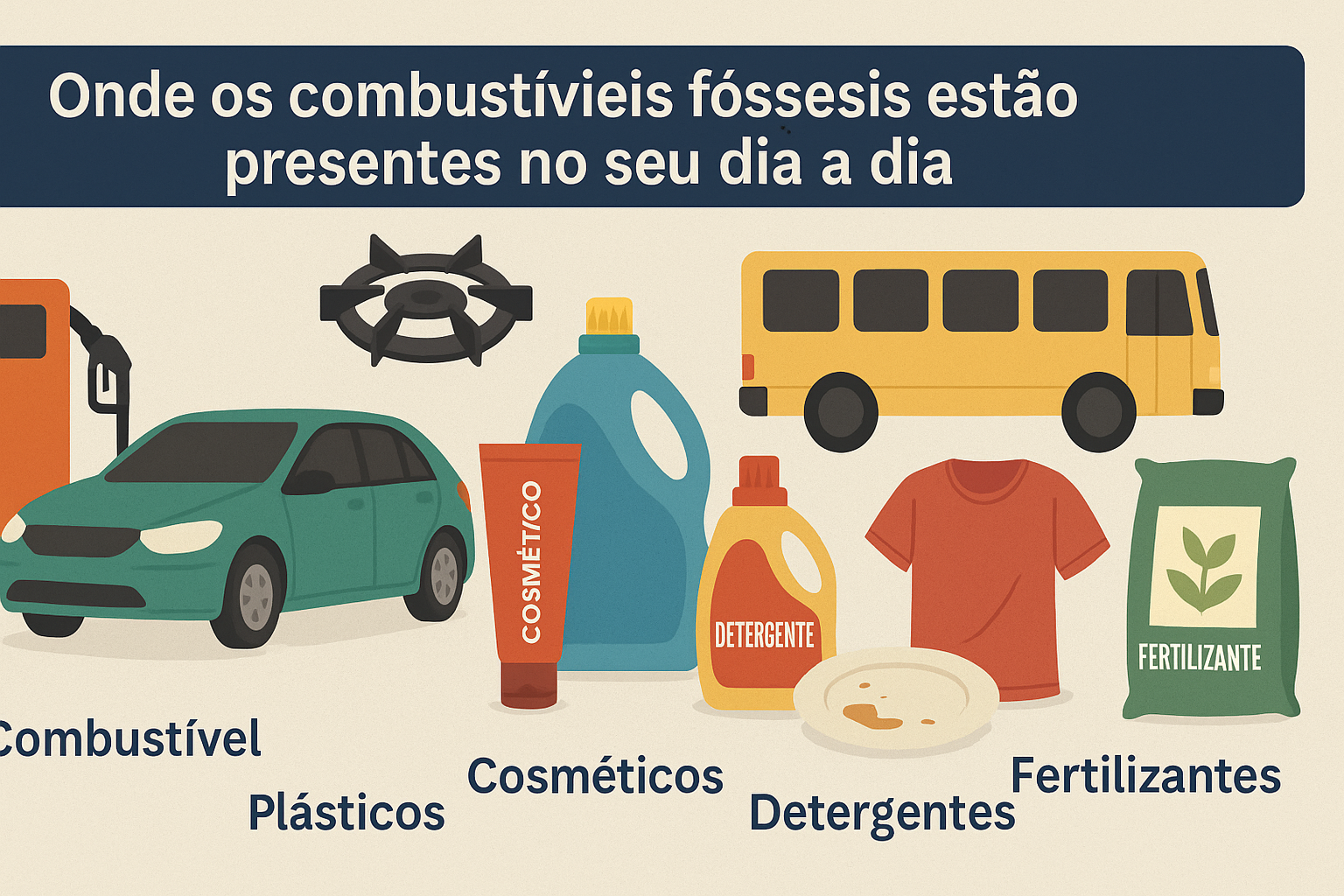
First of all, one of the important tips on oil and gas is to notice where these elements appear.
Many people believe that they are only used to fuel vehicles or generate energy. However, they are part of a much broader chain.
For example, oil serves as raw material for the production of plastics, paints, detergents, synthetic fabrics, cleaning products, cosmetics, and even processed foods, as detailed by the Organization of the Petroleum Exporting Countries (OPEC).
Natural gas is widely used in industrial and residential kitchens, in the glass and ceramics industry, in the production of ammonia for fertilizers, and even as fuel for buses and trucks.
Moreover, the oil and gas industry generates thousands of direct and indirect jobs around the world, as highlighted by the International Oil and Gas Producers (IOGP).
From engineers and geologists to professionals in administration and logistics. This shows that the impact of the sector goes far beyond what the eye can see.
Therefore, understanding this broad presence helps to see how the sector directly influences the economy and the daily lives of people.
Even those who do not work directly with oil and gas are, in some way, affected by this market.
Economic Impacts On Business And Opportunities For Innovation
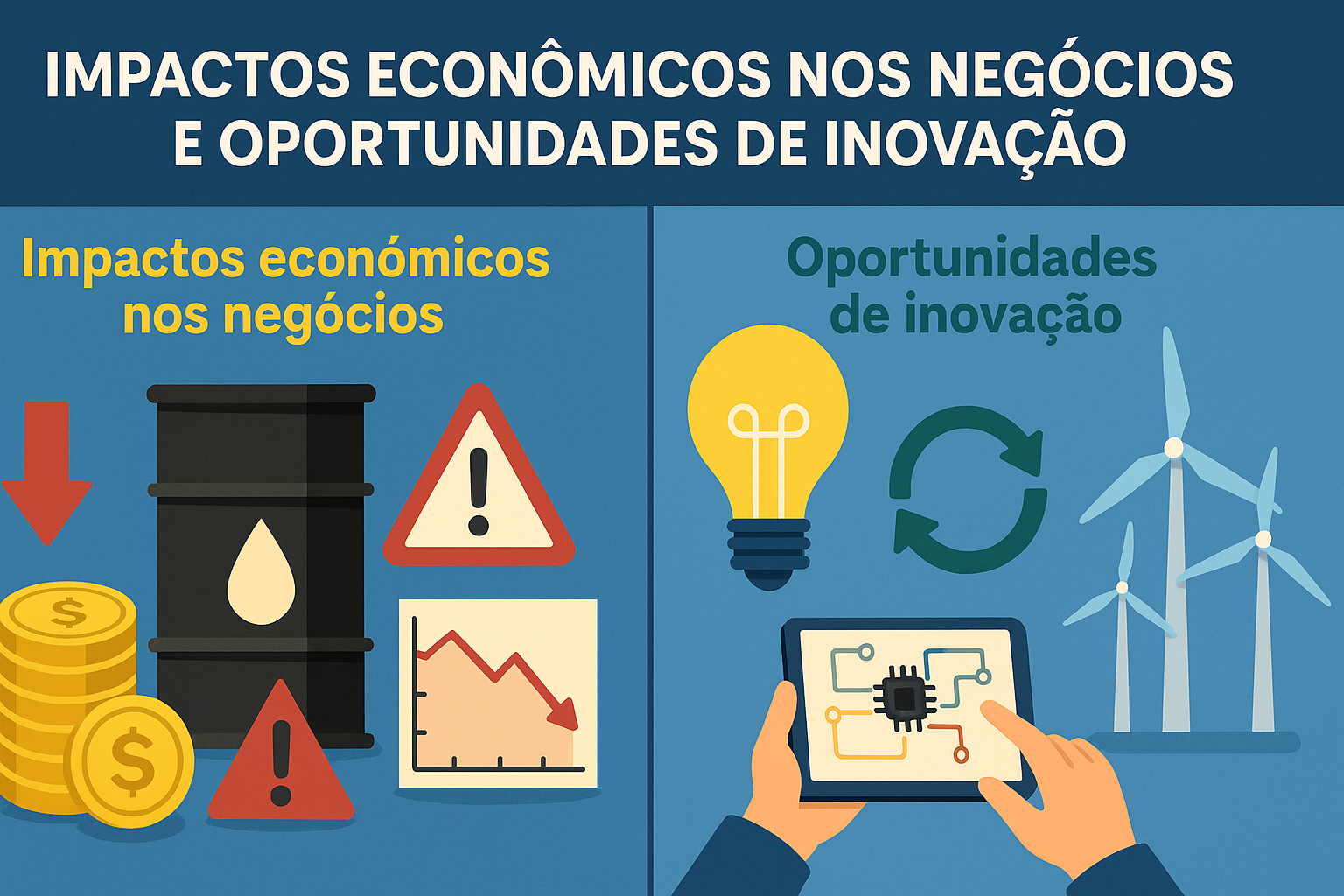
Indeed, entrepreneurs and business owners need to pay attention to the energy sector, especially oil and gas, because it can directly influence costs and production strategies.
For example, when the price of oil barrels rises in the international market.
This tends to impact the price of fuels, the transportation of goods, the derived products, and consequently, the overall cost of living.
According to data from the OPEC, these price fluctuations are influenced by global political and economic factors, such as conflicts between countries, export policies, and international agreements.
Furthermore, the sector also reacts significantly to geopolitical factors, which can generate market fluctuations and require flexible strategies from companies.
Another relevant point is the opportunity for new businesses.
The energy transition and the search for more sustainable alternatives are creating space for companies that operate in energy efficiency, renewable energies, and technologies that optimize the use of fossil resources.
Thus, those who are attentive to the sector can identify trends and innovate with solutions that fit into this new reality.
Moreover, there is a growing demand for professionals and services specialized in the oil and gas sector.
This includes engineers, technicians, and environmental analysts, as well as consulting, logistics, equipment maintenance, and specific software development companies.
Therefore, understanding the market can open doors for action in various fronts.
The Role Of The Energy Transition And The Future Of The Sector
Talking about tips on oil and gas today also means talking about sustainability.
The energy transition is one of the most relevant topics of the moment.
It represents the global effort to reduce dependence on fossil fuels and move towards cleaner sources, such as solar, wind, and hydroelectric energy.
Even so, oil and gas are still – and will continue to be for a long time – an essential part of the global energy matrix.
The idea of the transition is not to eliminate these sources at once, but rather to use them more efficiently, reducing environmental impacts and preparing the ground for the predominant use of renewable energies.
However, it is important to highlight that this transition brings challenges, such as the need to modernize infrastructures, train professionals, and ensure energy security during the process.
Nevertheless, these challenges also create opportunities for innovation, technological development, and new business models.
For this reason, another important tip is to keep an eye on new technologies and solutions that seek to make the use of oil and gas cleaner and more conscious.
This includes more efficient refining processes, using artificial intelligence to monitor leaks, investments in circular economy and integration with renewable sources.
Additionally, the sector is investing in research to develop the use of hydrogen as an energy source, which can complement oil and gas while reducing carbon emissions.
These advances indicate a future where oil and gas will coexist with renewable sources in a balanced manner.










Seja o primeiro a reagir!