





 English
  Francês
  Alemão
  Italiano
  Japonês
  Norueguês
  Portuguese
  Spanish
 3 min of reading



Last Month, Vibra Started Supplying 10% Green Diesel (HVO) for Its Truck Fleet for Operations at Tom Jobim/Galeão International Airport in Rio de Janeiro. Vibra Operates the Aviation Division Through BR Aviation, a Legacy of the Privatization of BR Distribuidora Through an Agreement to License the Original Brand from Its Former Parent Company Petrobras.
According to the concessionaire, 15 vehicles will be fueled with renewable components, which will reduce greenhouse gas (GHG) emissions by 14 tons per year. In addition to HVO, the fleet will also run on 10% biodiesel (B10) as legally required.
The initiative aims to reduce the CO2 emissions from BR Aviation’s activities, the business unit of Vibra’s aviation division, aircraft refueling services, and other activities.
Green diesel or HVO (short for hydrogenated vegetable oil) is produced by processing vegetable oils and reduces carbon dioxide (CO2) emissions by nearly 90% compared to fossil diesel. This percentage is equivalent to the lifecycle of 100 trees, noting that, on average, seven trees capture about one ton of CO2 in 20 years.
-
São Paulo surprises the world with a colossal railway network project that promises over 1,000 km of tracks, R$ 194 billion in investments, and 40 projects connecting the capital to the interior with fast and sustainable trains.

-
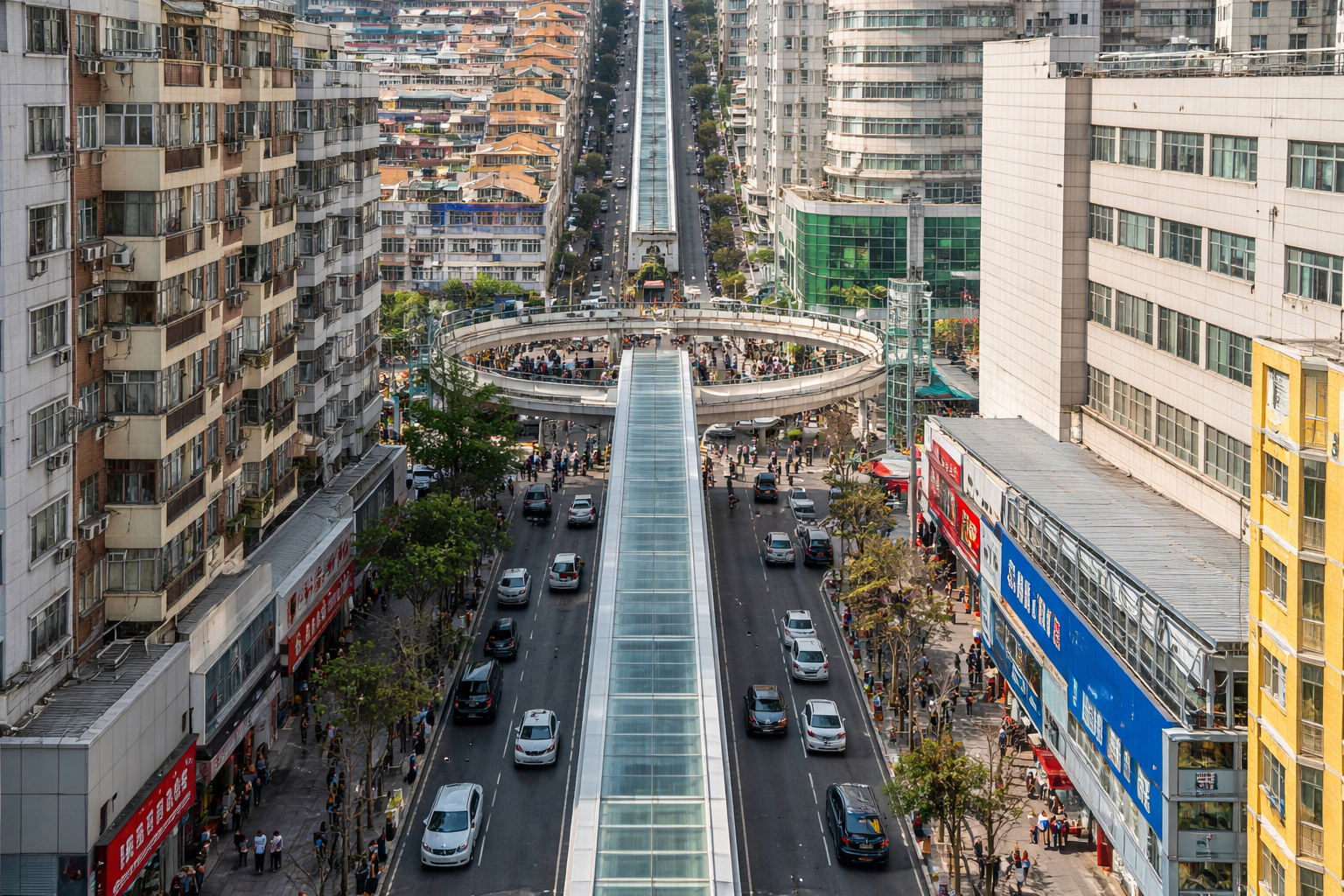
The world’s largest escalator, measuring 905 meters in China, reduces urban travel time from 1 hour to about 20 minutes and transforms mobility in mountainous regions with an engineering solution adapted to the terrain.
-
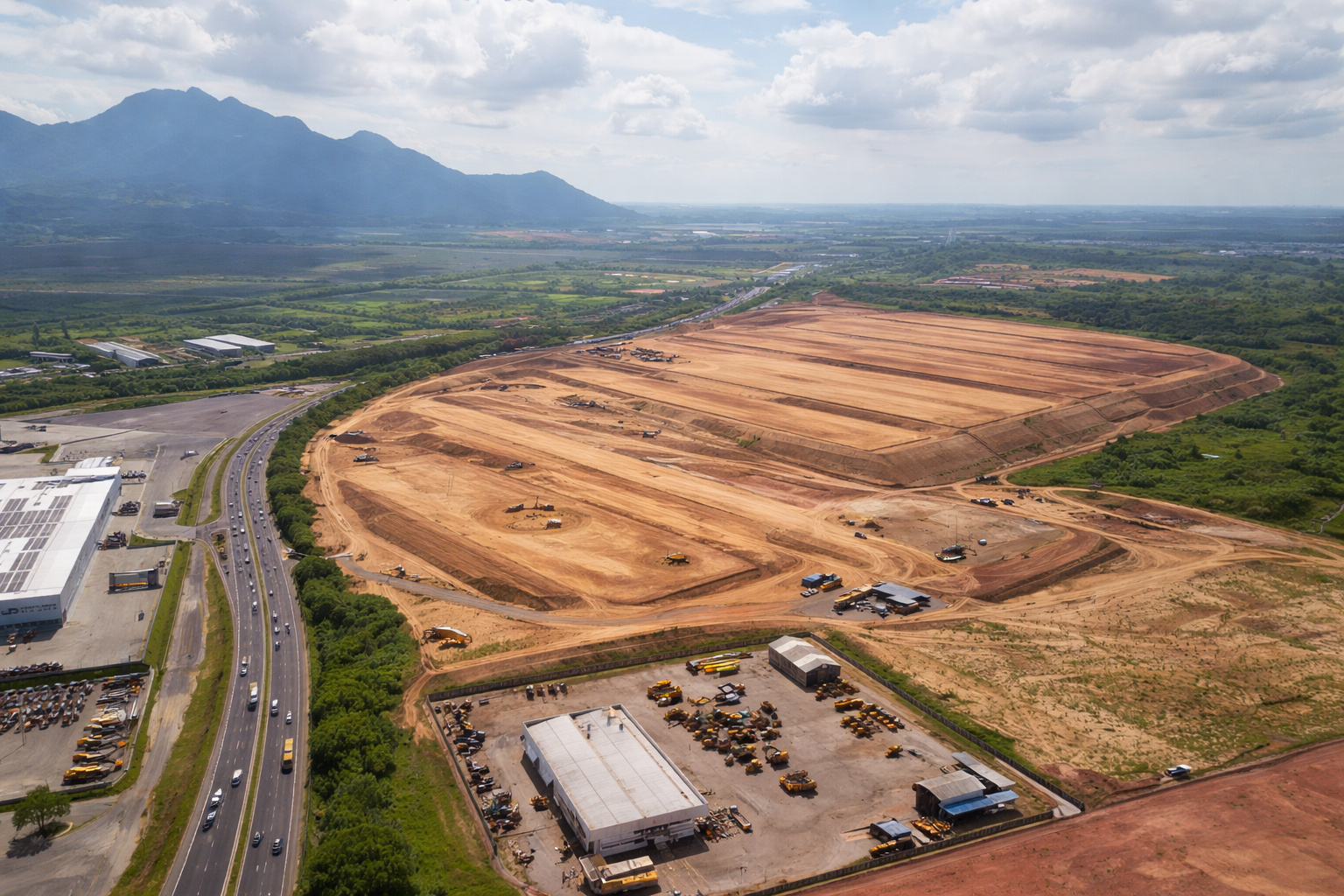
A R$ 300 million logistics giant is taking shape in Serra with over 100,000 m² and raises a question: how can this transform e-commerce and distribution in the state?
-
Could Uber Rides Lose Minimum Fare? Understand What’s Happening!


Green Diesel Is Less Polluting and a Great Alternative for Sustainable Means
Being less polluting than petroleum-derived fuels, green diesel has commercially spread as a promise of a clean source for difficult-to-decarbonize transport modes, such as freight. Vibra’s initiative is voluntary because the country still lacks legal regulation on fuel usage.
After evaluating the first phase of the Galeão airport, the company hopes to expand its use to other corporate operations, aiming to incorporate green diesel into Brazil’s fuel matrix.
With the commitment to achieve net-zero emissions in its operations and administrative activities by 2025, Vibra announced it will be the off-taker of Brazil’s first biorefinery dedicated to the production of HVO. The plant, located in Manaus, will have a production capacity of 500 thousand tons of fuel per year. According to the concessionaire, the factory is strategically located and can supply the entire northern region of the country.
Lack of Regulation
The specifications for green diesel were approved by ANP in March 2021, but discussions about the policy to include it in diesel blends are still ongoing on two fronts. In the National Assembly, Deputy Ricardo Barros (PP/PR) presented a bill in 2021 proposing the mandatory use of green diesel at 2% starting in March 2027 – without interfering with the current biodiesel blend.
On the other hand, the federal government included the issue in the Future Fuel program, which belongs to the subcommittee dedicated to diesel cycle policy. At the end of last year, the epbr politician (exclusive service for subscribers) accessed suppressed parts of the subcommittee report, which advocated for a renewable share in the diesel cycle of up to 20%, increasing the share of fossil fuels starting in 2024. The proposal was to make room for green diesel and Petrobras’ co-processed fuel within the biodiesel mandate, but it did not establish reserves for any of the routes.
It is worth noting that the biodiesel industry resists this type of proposal, even with the increasing blends – and advocates for a solution for both tasks. They are concerned about the size of Petrobras and the issuing company of CBIO.










Seja o primeiro a reagir!