





 Portuguese
  English
  Spanish
  3 min of reading
  0 comments


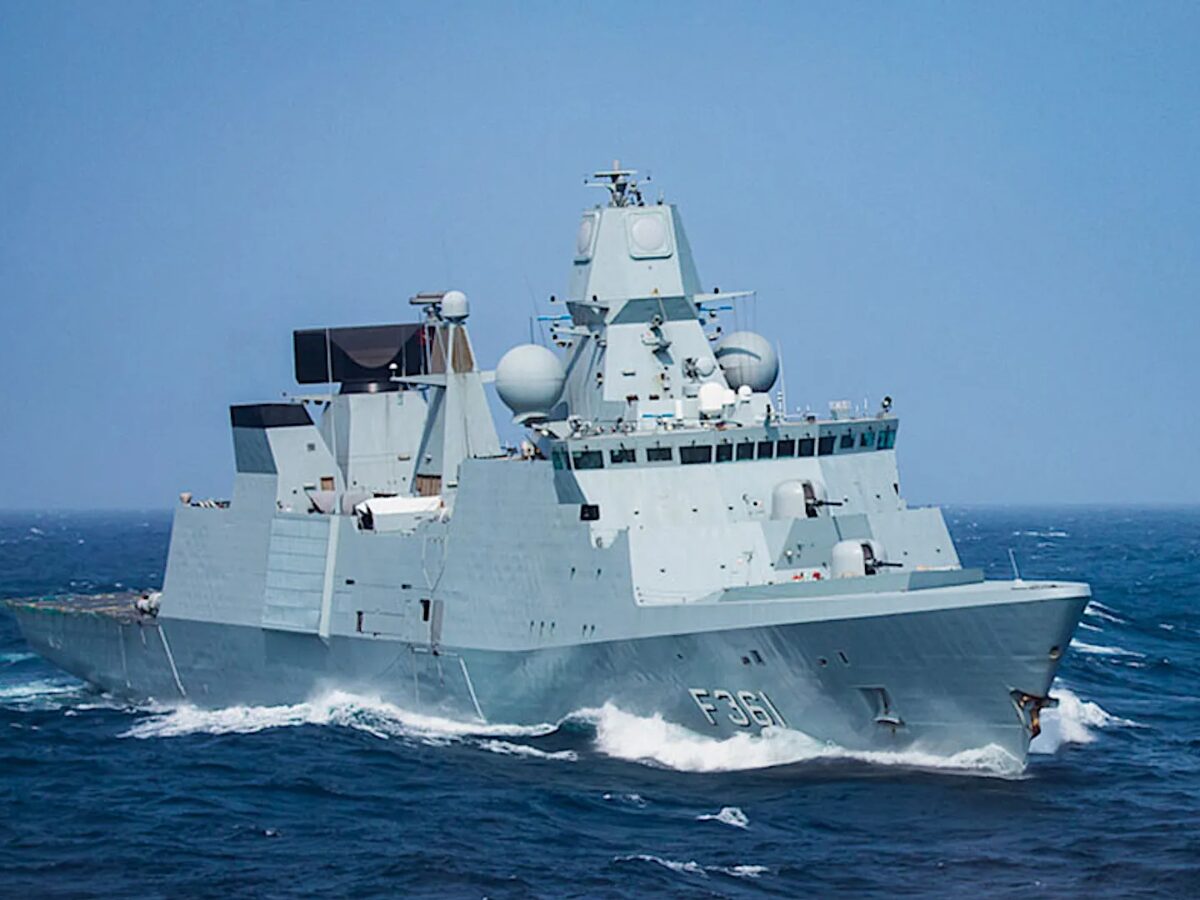
The Strengthening Of The Navy Through Technological Modernization And The Construction Of New Ships Aims To Intensify Surveillance In Strategic Regions Such As The Baltic Sea And The Arctic.
In response to the unstable geopolitical landscape and growing maritime threats, especially from Russia, the government of Denmark, along with a broad parliamentary coalition, announced a new strategic agreement that envisions robust investments in the Danish Royal Navy.
Focusing on modernization, national shipbuilding, and expanding defensive capacity, the plan is part of the Defense Agreement 2024–2033 and includes an initial investment of 4 billion Danish crowns.
New Era For The Danish Navy: Urgent Modernization And Fleet Expansion
The official announcement was made on April 22 and received support from parties across different political spectra, such as Social Democrats, Danish Democrats, Danish People’s Party, Socialist Left, Liberal Alliance, Conservative People’s Party, and Radical Left.
-
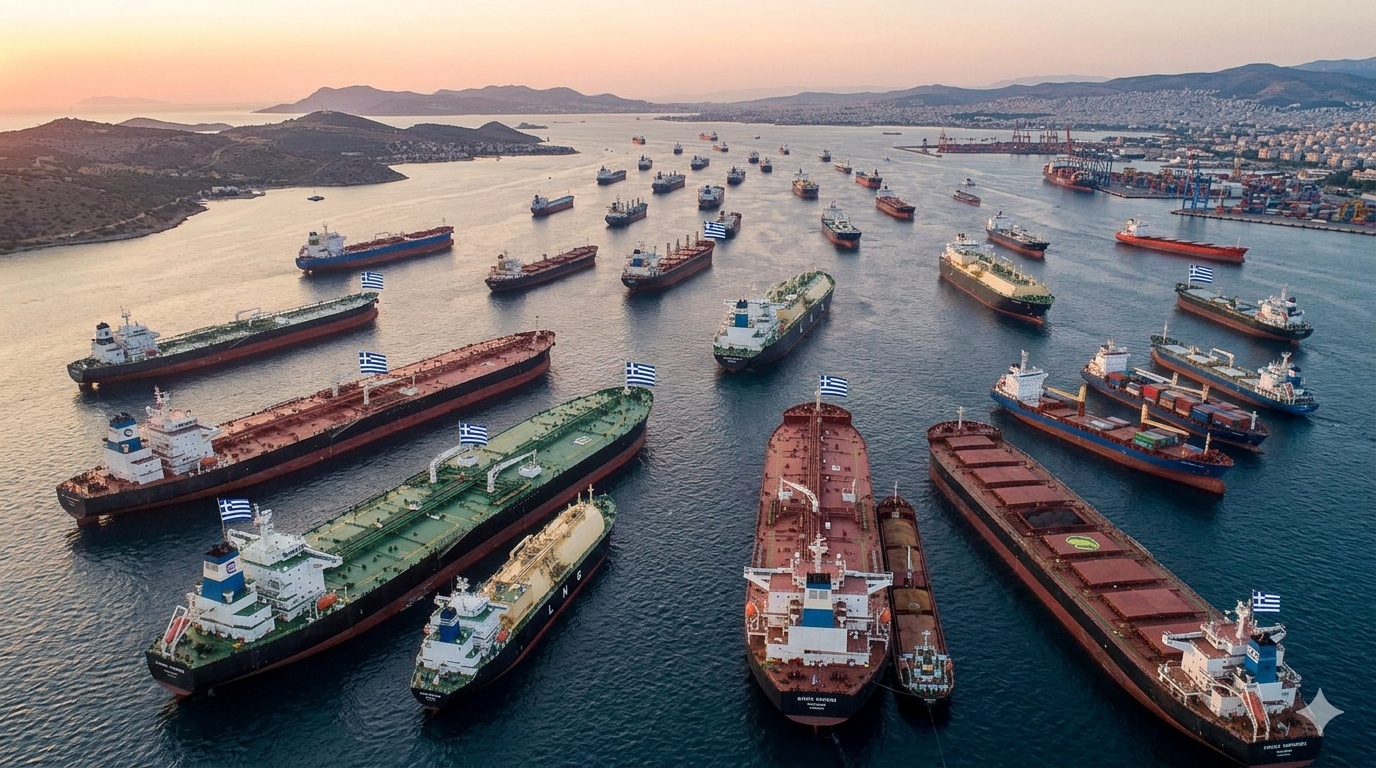
Neither the USA nor China: a small European nation has become one of the largest maritime powers on the planet, controlling one of the largest merchant fleets in the world with thousands of ships and dominating the global transportation of oil and strategic cargo.
-
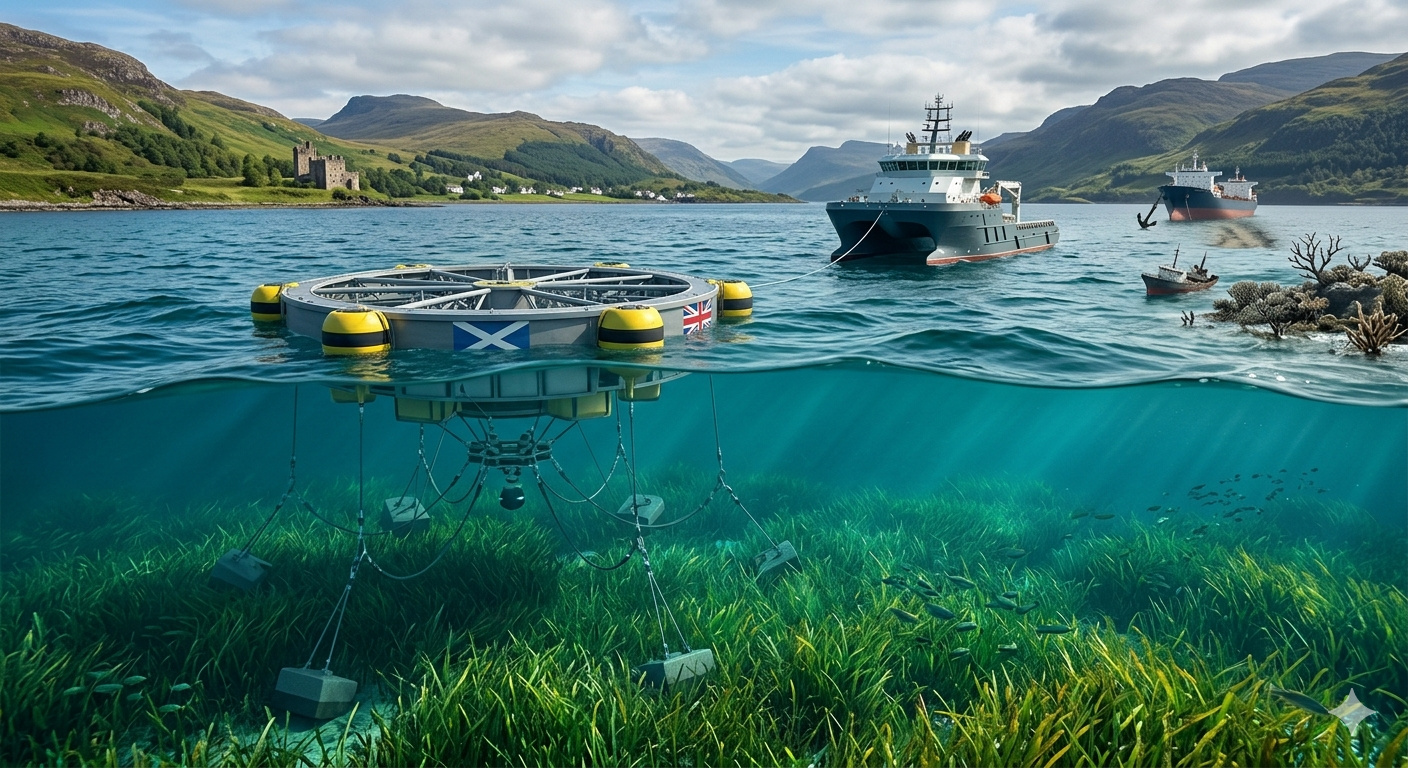
Scotland and the United Kingdom have created a new anchoring system that floats in the water without touching the seabed, after discovering that the current from a conventional anchor destroys up to 50 m² of seagrass meadow per event and that ship-damaged reefs showed no signs of recovery even ten years later.
-
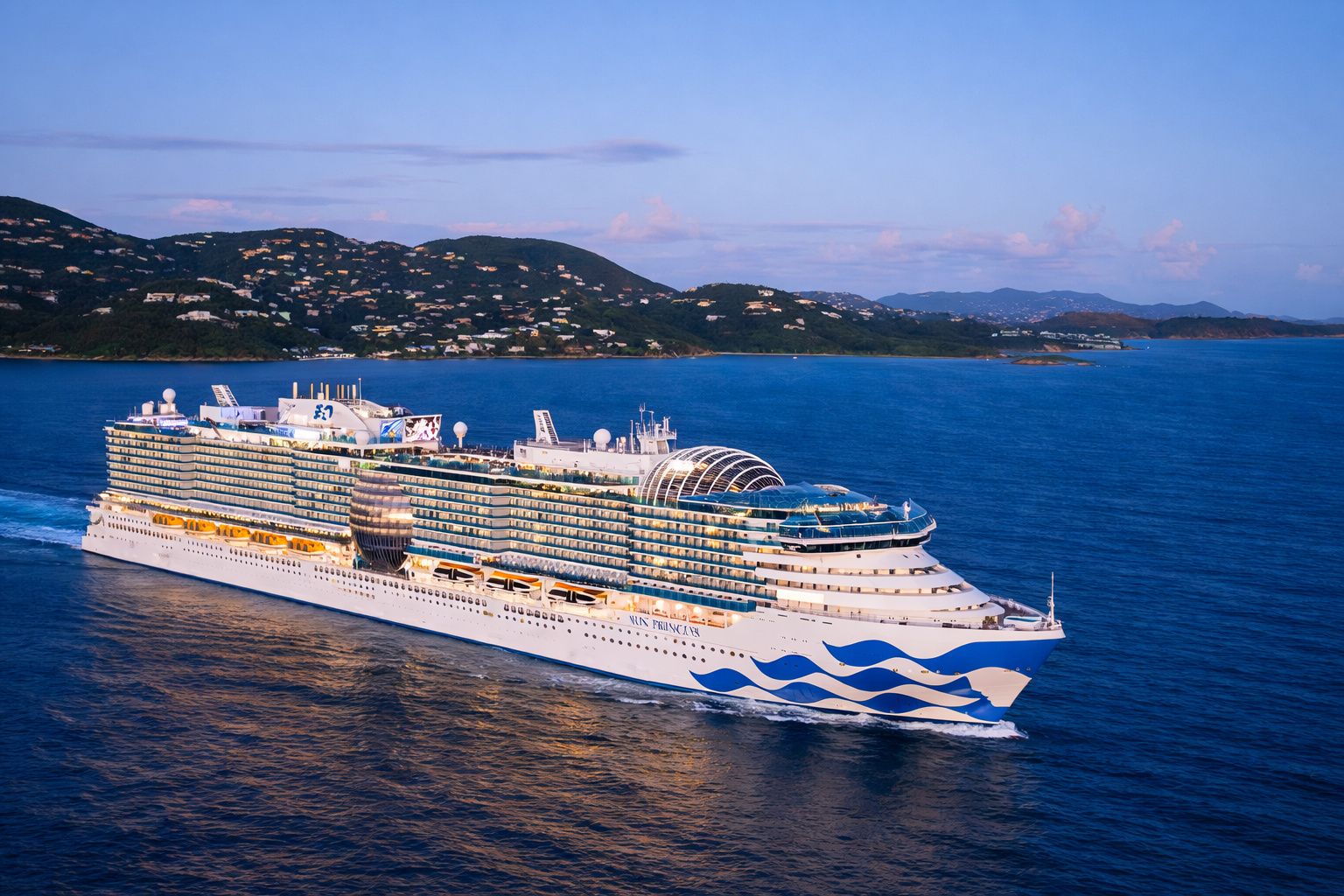
Weighing 175,500 Tons, Measuring 345 Meters Long, and With Capacity for Over 4,300 Passengers, the Sun Princess Becomes the Largest Ship Ever Built by Princess Cruises and Attracts Global Attention for Its Huge Glass Dome Inspired by Santorini’s Architecture Installed on Top of the Vessel
-
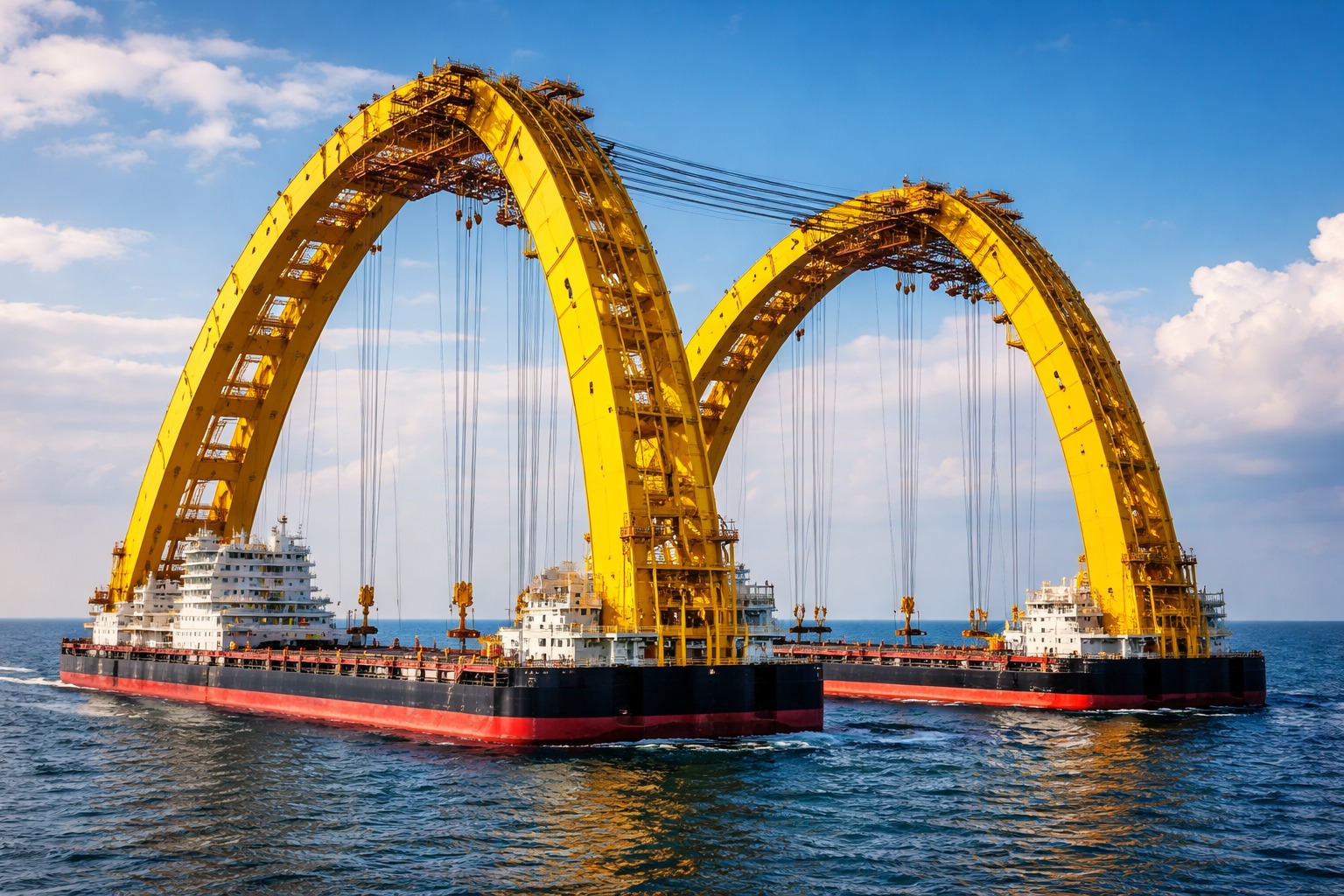
TX-10, The Colossus of The Sea: Largest Lifter Ship in The U.S., With Two Giant Barges, 73-Meter Tall Structure, and Strength to Raise 7,500 Tons of Sunken Oil Rigs

The initiative reflects a rare consensus: Denmark needs to strengthen its naval presence in light of changes in the international security landscape.
“The threats we face at sea today are far more serious than just a few years ago. With this naval plan, we are initiating urgent acquisitions to ensure that Denmark’s maritime defense is prepared for a broader range of challenges,” stated the Minister of Defense, Troels Lund Poulsen.
Shipbuilding Will Be Done In Denmark To Guarantee Sovereignty And Generate Jobs
One of the pillars of the new plan is the emphasis on domestic production. The government and the parties involved highlighted that the new ships of the Danish navy should be built in local shipyards, with support from the country’s defense industry and in partnership with NATO allies.
The decision aims not only to ensure supply security and reduce external dependencies but also to boost the national economy through job creation and strengthening industrial capacity.
“We are in a historically complex security situation. This naval strategy is a significant long-term investment that will benefit the entire Kingdom Community,” stated Simon Kollerup, spokesperson for the Social Democrats.
First Acquisitions Include Support Ships, Coast Guard Vessels, And Underwater Drones
The initial investment, coming from the Acceleration Fund and the defense budget, will be allocated for the acquisition of four environmental support and mining vessels, applicable for both military and civilian purposes.
Additionally, 21 new vessels for the National Coast Guard (Marinehjemmeværnet), intended for surveillance, rescue, logistical support, and protection of critical infrastructure.
Investments will also be made in underwater drones and autonomous systems aimed at expanding depth surveillance; as well as monitoring equipment for underwater infrastructure, such as high-tech sensors and sonars.
Next Steps Include New Frigates And Action In The Arctic
In the second phase of the plan, expected to be deliberated after June 2025, Denmark plans to acquire new frigates with air defense capabilities, as well as vessels adapted to Arctic and North Atlantic conditions.
These decisions will align with NATO’s military capability targets for the country.
While most parties celebrated the strategy and the focus on the immediate strengthening of the Navy, sectors like the Liberal Alliance called for quicker decisions regarding the construction of frigates.
The Danish Democrats reinforced the need to ensure that all shipbuilding takes place within Danish territory.
With this new defense agreement, Denmark positions itself as a resilient maritime power in the European and Atlantic scenario.
Source: Naval Power









Seja o primeiro a reagir!