





 Portuguese
  English
  Spanish
  4 min of reading
  0 comments


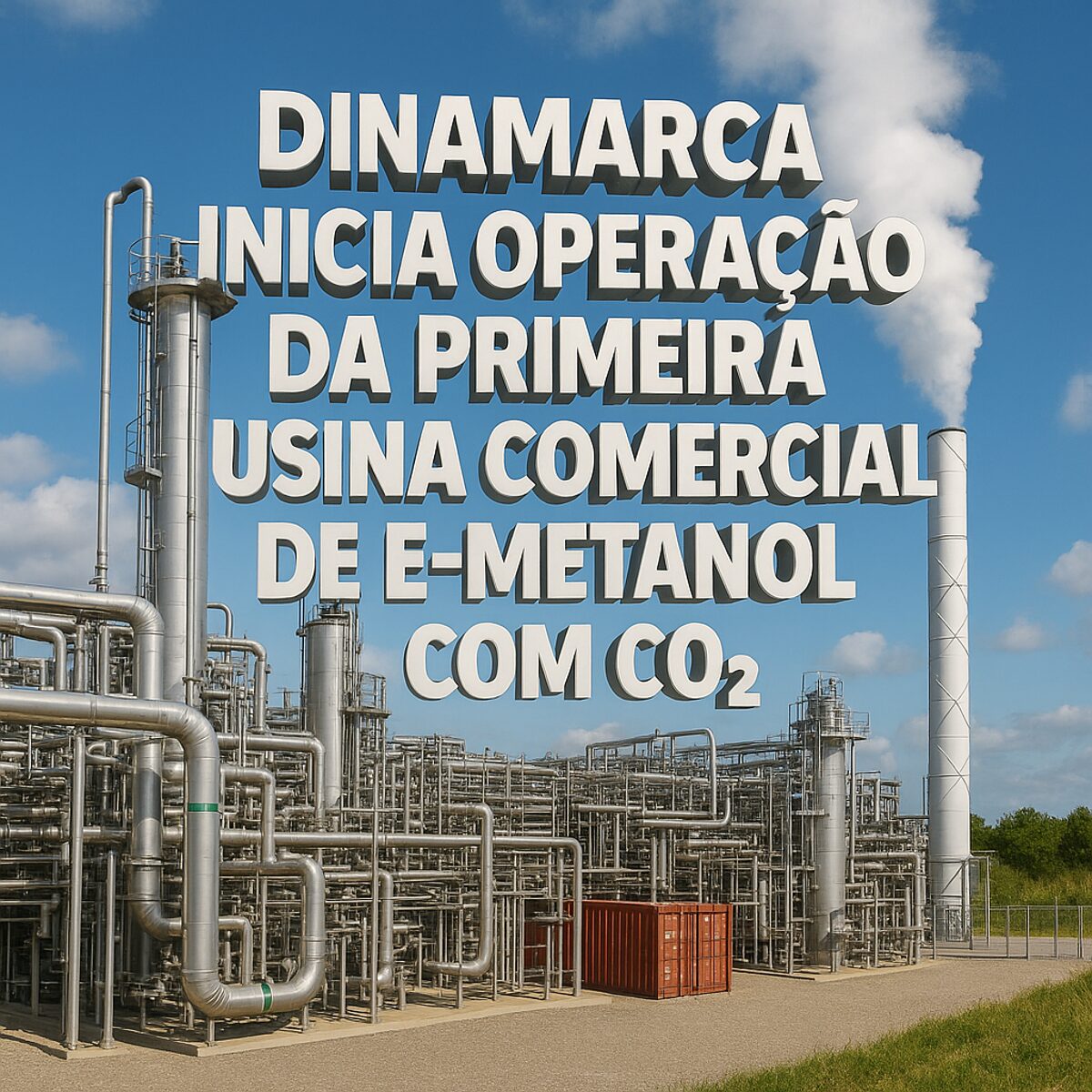
Denmark Inaugurates Plant Dedicated to Commercial Production of E-Methanol
On May 13, 2025, Denmark began operating the world’s first commercial plant dedicated to the production of e-methanol. The company European Energy, in partnership with the Japanese group Mitsui & Co., built the facility in the town of Kasso in the south of the country, according to data released by the news agency Reuters. The total investment in the plant was approximately €150 million, or about US$167 million, according to CNN Brasil and European Energy itself. With this, the European country starts producing e-methanol on an industrial scale using technologies based on clean sources and carbon capture. The venture aligns with international strategies for emission reductions and energy transition.
Production of the E-Methanol Commercial Plant Uses Renewable Energy and Carbon Capture
The Kasso plant has a capacity to produce 42,000 metric tons per year, equivalent to about 53 million liters of e-methanol. The production is enabled through solar and wind energy, combined with the capture of carbon dioxide from biogas plants and waste incinerators. According to European Energy, the model replaces conventional methanol, which is generally derived from fossil sources such as natural gas and coal. This process reduces greenhouse gas emissions and is considered a viable alternative for sectors that require low-carbon solutions. The project follows parameters for energy efficiency and operational sustainability.
Maritime Transport Adopts E-Methanol as an Alternative to Traditional Fuels
Most of the e-methanol will be destined for maritime transport, with a focus on the company Maersk, according to data published by the company itself and by Reuters. Maersk already operates 13 container ships with engines that accept both e-methanol and fuel oil. Another 13 ships with the same technology are on order. This transition meets the goals set by the International Maritime Organization (IMO), which foresees a reduction in emissions in the shipping sector by 2050. The plant in Denmark aims to meet this emerging demand by offering a lower environmental impact option for global cargo transport.
-
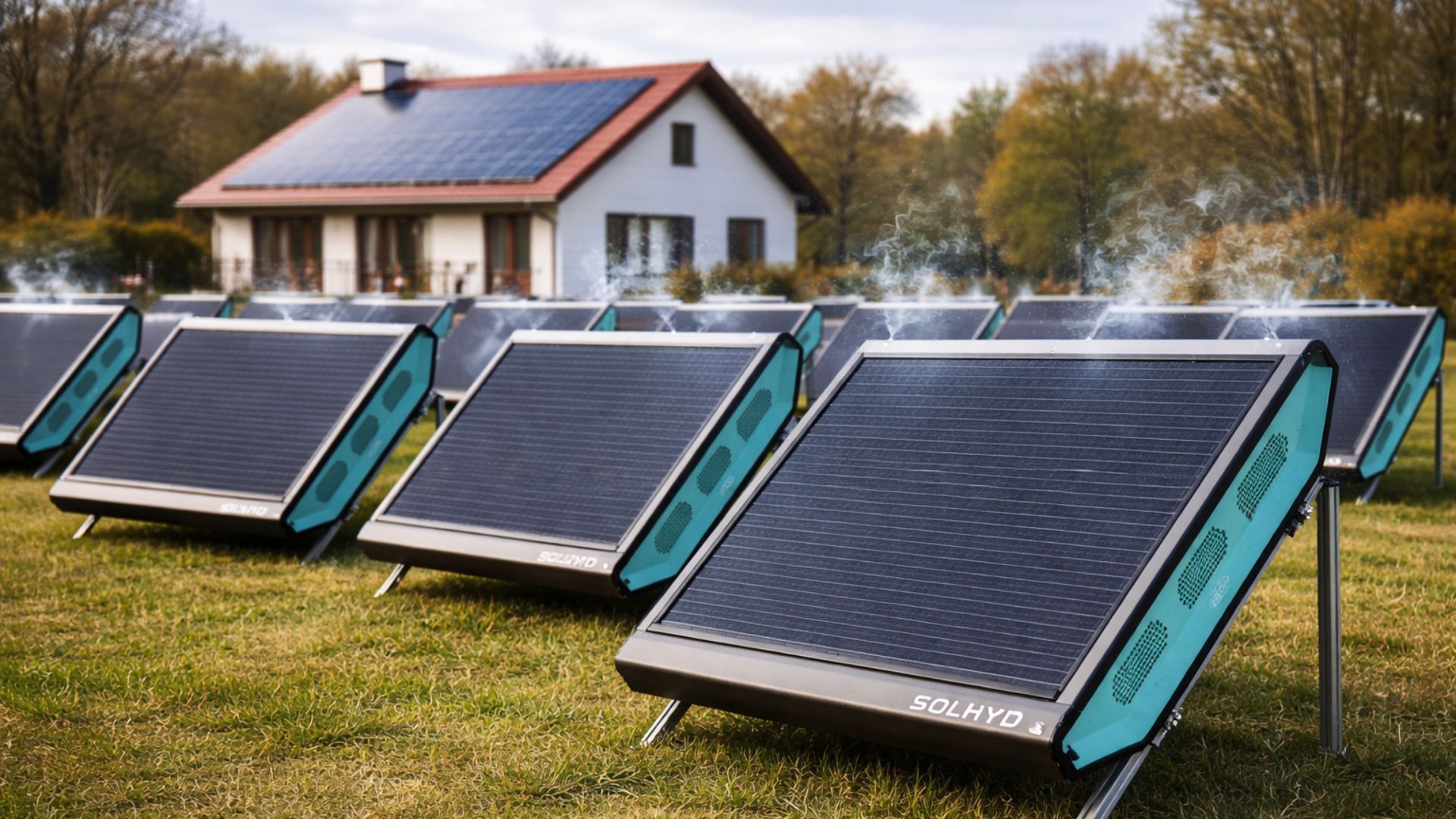
Green hydrogen at home: Belgium launches new technology that makes solar panels produce fuel from the moisture in the air, which could boost the energy transition.
-
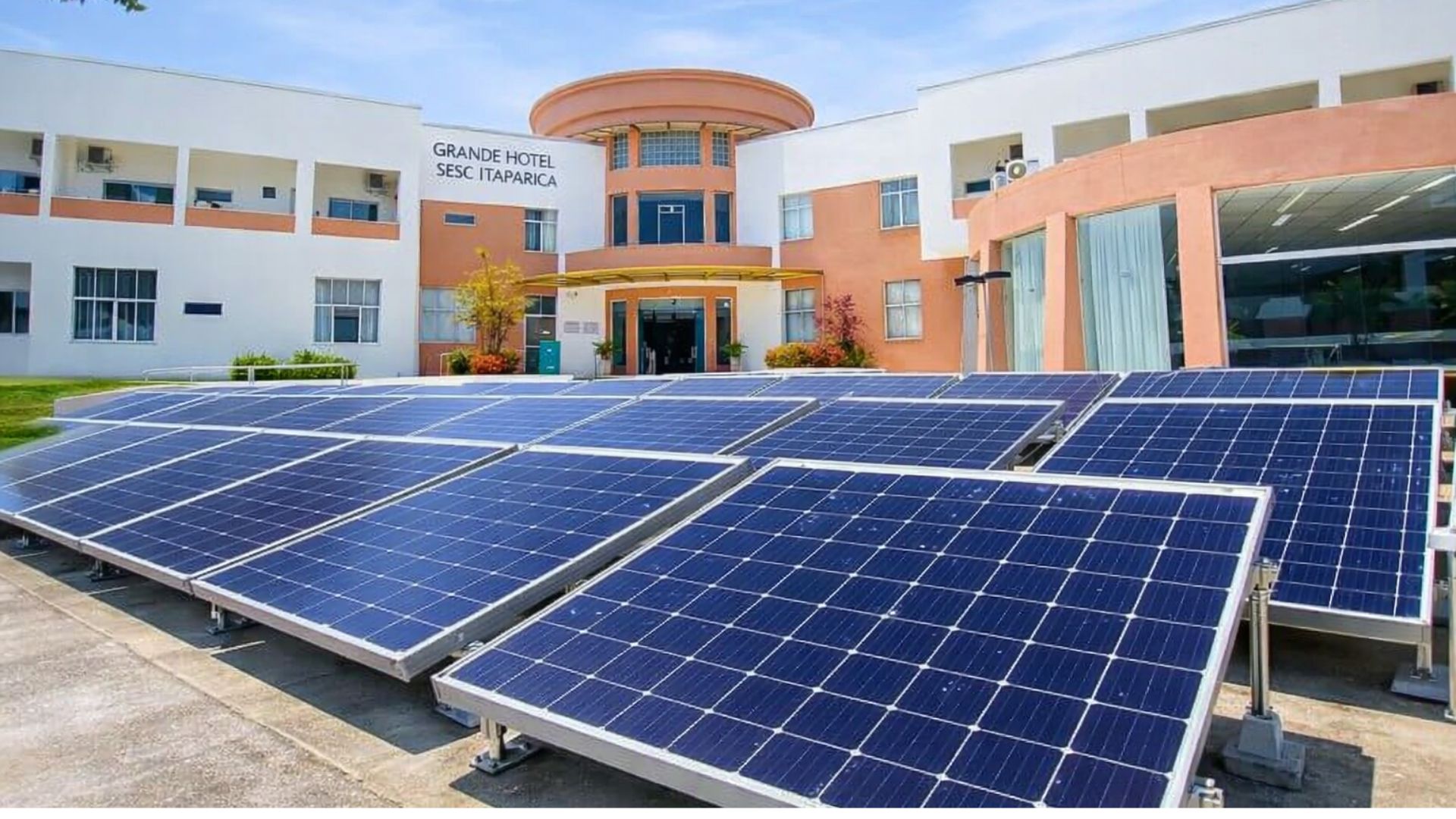
Sesc-BA bets on renewable energy with the support of EDP and drives the energy transition with a direct impact on cost reduction and the sustainability of its operations in Bahia.
-
Technology giant breaks global sustainability records: How Amazon’s leadership in renewable energy procurement transformed the global energy market in the past year.

-
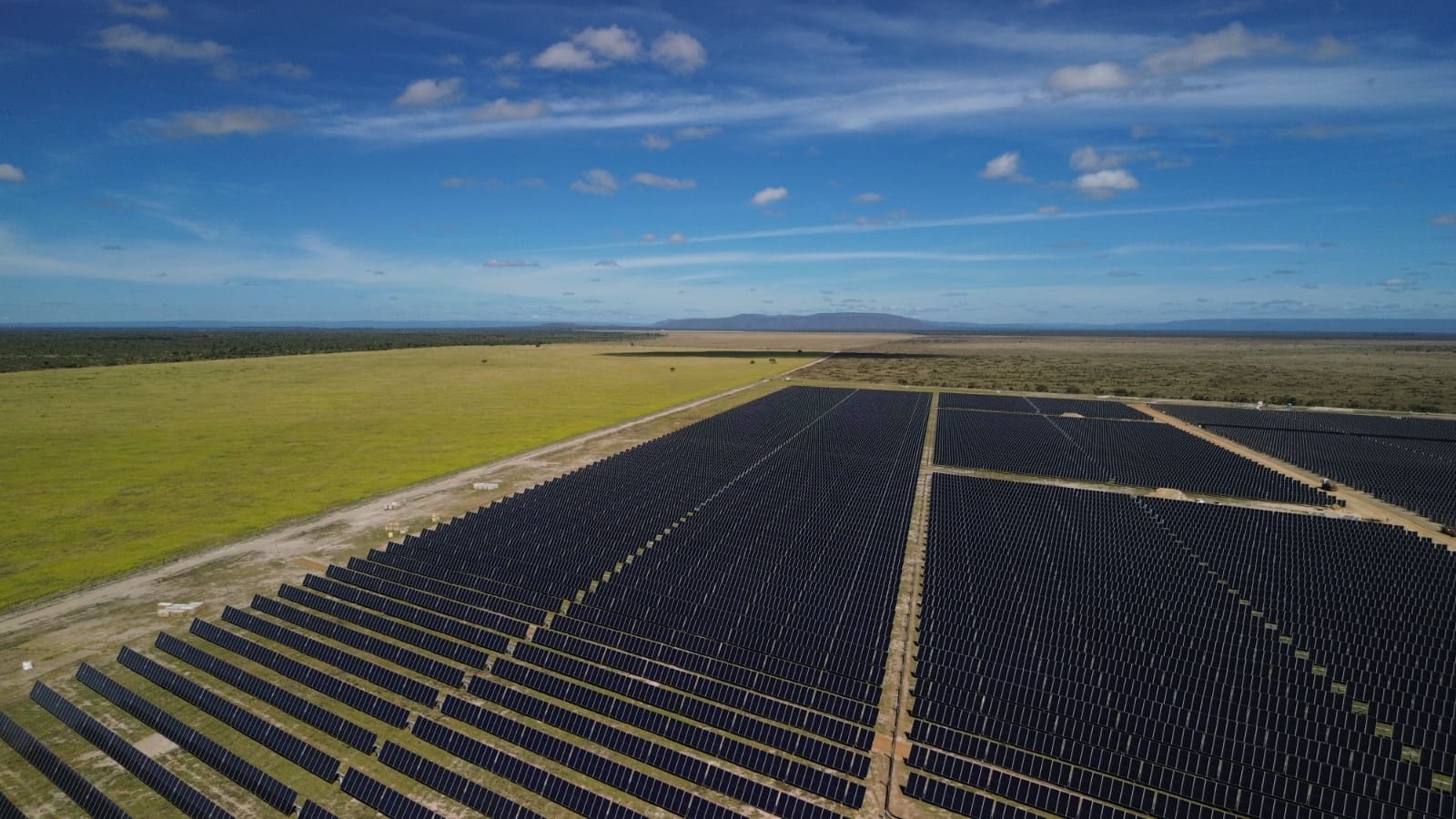
Alert in the electric sector: Atlas Renewable Energy confirms billion-dollar investment and Brazil risks losing a share of the new investment in Latin America to neighboring countries.

Industrial and Pharmaceutical Sectors Begin Gradual Use of E-Methanol
Companies such as the pharmaceutical firm Novo Nordisk and toy manufacturer Lego will also use e-methanol, according to reports from CNN Brasil. Starting in the second half of 2025, Novo Nordisk intends to use the fuel in the production of disposable injection pens. Lego, in turn, will use the input in the production of plastic blocks. Both companies anticipate alignment with carbon neutrality targets by 2030. The diversification of use confirms the potential of e-methanol in different segments of the industry, with a focus on emission reduction.
Thermal Utilization System Serves Residences in the Kasso Region
In addition to fuel production, the Kasso plant features a system that reuses heat generated in the industrial process. European Energy reported that it will heat about 3,300 homes in the town where it built the plant, using this heat. This model contributes to the efficient use of thermal energy, integrating the production system with direct benefits to the local community. The initiative follows principles of circular economy and corporate social responsibility.
Production Costs Are Still High, but Projections Indicate Downward Trend
Currently, according to an interview with Reuters by European Energy CEO Knud Erik Andersen, the production cost of e-methanol is still higher than that of fossil fuels. “Price parity is expected to be achieved by 2035, driven by the expansion of production capacity and technological advancement. As demand for clean fuels grows, operators are likely to gradually reduce operational costs. Still, the scenario depends on continued investment in innovation and infrastructure.
Model of the E-Methanol Commercial Plant Will Be Replicated Globally
European Energy confirmed plans to expand the Danish model to other regions, according to an official note issued in January 2025. Similar projects are underway in Europe, the United States, Australia, and Brazil, respecting local production conditions and energy demand. The aim is to replicate the process that uses renewable energy and carbon capture, promoting sustainable alternatives on a global scale. The initiatives are part of an international effort towards a transition to an energy matrix less dependent on fossil sources.
E-Methanol Commercial Plant Represents Technical Advancement with a Realistic View
The inauguration of the e-methanol plant, held in May 2025, represents a step forward in the search for more sustainable alternatives to the current energy matrix. However, experts emphasize that e-methanol still faces technical, logistical, and economic challenges for its full adoption on a large scale. Although promising, the technology still requires time to reach sufficient maturity in the global fuel market. The Kasso plant should therefore be seen as an important step and not as a definitive solution within a broad energy transition chain.










Seja o primeiro a reagir!