





 Portuguese
  English
  Spanish
  3 min of reading
  0 comments


Scientists Reveal Impact of Food Additive on Metabolism and Warn About Consequences for Public Health
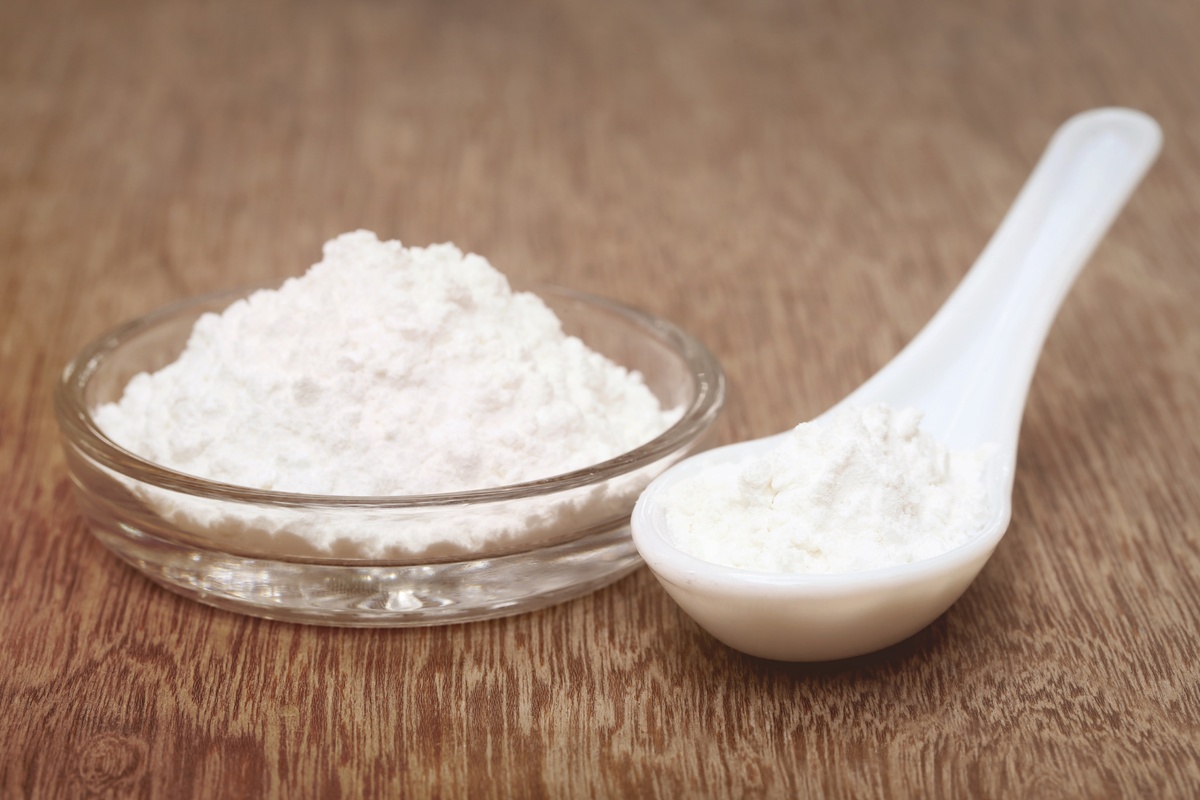
A study released in June 2025 by Jiaxing Nanhu University in China indicates that titanium dioxide, found in processed foods, may cause significant metabolic changes.
The research, published in the journal Food and Chemical Toxicology, highlights that nanoparticles of the dye affect the production of intestinal hormones essential for regulating appetite, blood sugar levels, and metabolism.
The researchers analyzed three groups of rats: one exposed to nanoparticles of the dye, another to larger particles, and a third without contact with the additive.
Only the animals exposed to the nanoparticles showed reduced levels of hormones related to satiety and digestion.
Additionally, there was a significant increase in blood glucose, attributed to lower cellular differentiation in the intestine.
This process hindered the release of substances like GLP-1 and PYY, which are fundamental in controlling blood sugar levels and signaling satiety.
Metabolic Risk Increases with Recurring Consumption
In light of these findings, the authors of the study indicate that the observed effects may be linked to an increased risk of developing type 2 diabetes and obesity in the long term.
Although the tests were conducted on rats, the physiological mechanisms involved are similar to those in humans.
This raises an alarm regarding the continuous and high consumption of the dye in processed foods.
Food industries frequently use titanium dioxide in products such as cakes, juices, fillings, toppings, and candies to enhance the white color and improve visual appeal.
By continually including this additive in daily diets, they expose children and adults to risks that health authorities in various countries had previously deemed minimal.
-
Ancient boreal forests in Sweden reveal a climate secret by storing 72% more carbon than managed areas, proving that soil preservation is much more effective against global warming than commercial replanting.

-
Ultrafast laser technology reaches 360 Gbps with half the energy consumption of Wi-Fi and promises to revolutionize internal connectivity by eliminating interference and congestion in the radio spectrum.

-
Scientists find gigantic lava fields in an active underwater volcano, and the discovery draws attention to what is happening on the ocean floor.

-
Geologists finally solve the great 150-year mystery of the formation of the incredible rocks and fossils of the Green River Formation!


Europe and the United States Move Forward with Restrictions
On the international stage, several countries and organizations have been paying increasing attention to regulating titanium dioxide.
Since 2022, the European Union has banned the substance in foods based on studies that linked the additive to risks such as genotoxicity, intestinal damage, immunological, and neurological issues.
In the United States, there has been controversy surrounding the use of the dye in candies like Skittles.
In response, the company Mars announced in May 2025 that it no longer uses the compound in its formulation.
In Brazil, Anvisa reevaluated the ingredient between 2023 and September 2024 and concluded that the available data did not justify restrictions at that time.
However, since 2010, the International Agency for Research on Cancer (IARC), linked to the World Health Organization, has classified titanium dioxide as “possibly carcinogenic to humans.”
This classification is based on experimental evidence in animals exposed to the compound via inhalation.
Text Follows Strict Editorial Guidelines
A study released in June 2025 by scientists from Jiaxing Nanhu University in China issued new warnings about titanium dioxide.
The dye, widely used in processed foods, has been linked to hormonal and metabolic changes with the potential to cause chronic diseases.
The research, published in the journal Food and Chemical Toxicology, observed serious impacts caused by nanoparticles of the additive in living organisms.
In tests with rats, there was a significant reduction in hormones related to satiety and glycemic control, such as GLP-1 and PYY.
These effects arose because the additive hindered cellular differentiation in the intestine, directly affecting hormone production and metabolism regulation.
Scientists emphasize that, although the study was conducted with animals, the results raise alarms for similar risks in humans.
Guidelines for Consumers and Authorities
Experts, therefore, recommend that consumers carefully read the labels of processed foods.
Additionally, it is important to consider reducing the intake of products containing titanium dioxide, especially those aimed at children.
In this regard, substitution with natural dyes can be a safer alternative, especially in long-term diets.
Likewise, it is also essential to monitor any revisions by health authorities, such as Anvisa, which may re-evaluate the use of the additive based on new evidence.
Furthermore, advancements in nanotechnology and food toxicology research should guide future decisions regarding the safety of these compounds.
Finally, this reinforces the need for a preventive approach to daily consumption of ultraprocessed foods.




Seja o primeiro a reagir!