





 Portuguese
  English
  Spanish
  2 min of reading
  0 comments


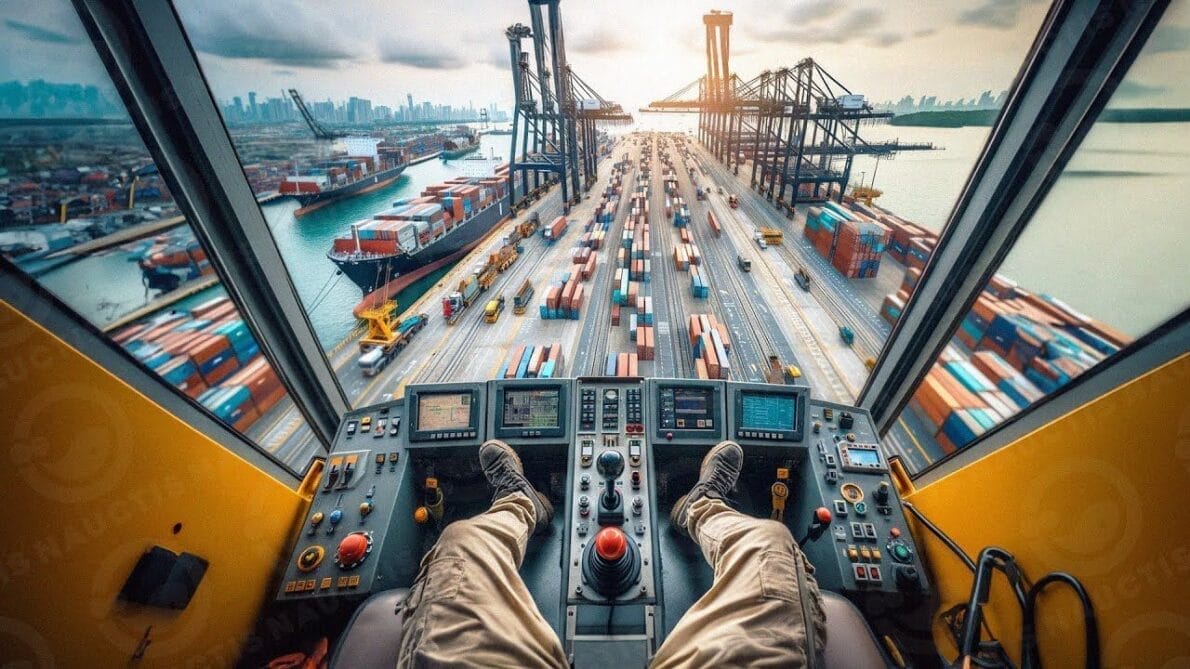
Cranes Are Essential in Ports, Responsible for Lifting and Moving Heavy Loads, Such as Containers and Steel Beams. To Operate a Crane, an Experienced and Certified Crane Operator Is Required, Ensuring the Safety and Efficiency of the Process.
To Become a Crane Operator at the Port, One Must Obtain Specialized Certifications, Such as the NCCCO, as Well as Safety Training. Crane Operators Must Learn to Operate the Machines, Read Blueprints, Maintain the Equipment, and Follow Strict Safety Procedures.
A Crane Operator’s Day Begins with Detailed Inspections of the Equipment, Checking for Possible Defects and Ensuring Everything Is in Order. These Inspections Can Take Up to an Hour. Afterward, the Operator Enters the Crane Cabin, Buckles Their Seatbelts and Puts on a Hard Hat, and Is Ready to Start Work.
Port Cranes, Powered by Electricity from Diesel Generators, Lift and Move Large Loads.


The Lifting Capacity Varies Depending on the Size of the Crane, and Operators Need to Have a Clear View of the Operations, Ensuring That the Work Is Done Safely and Efficiently.
-
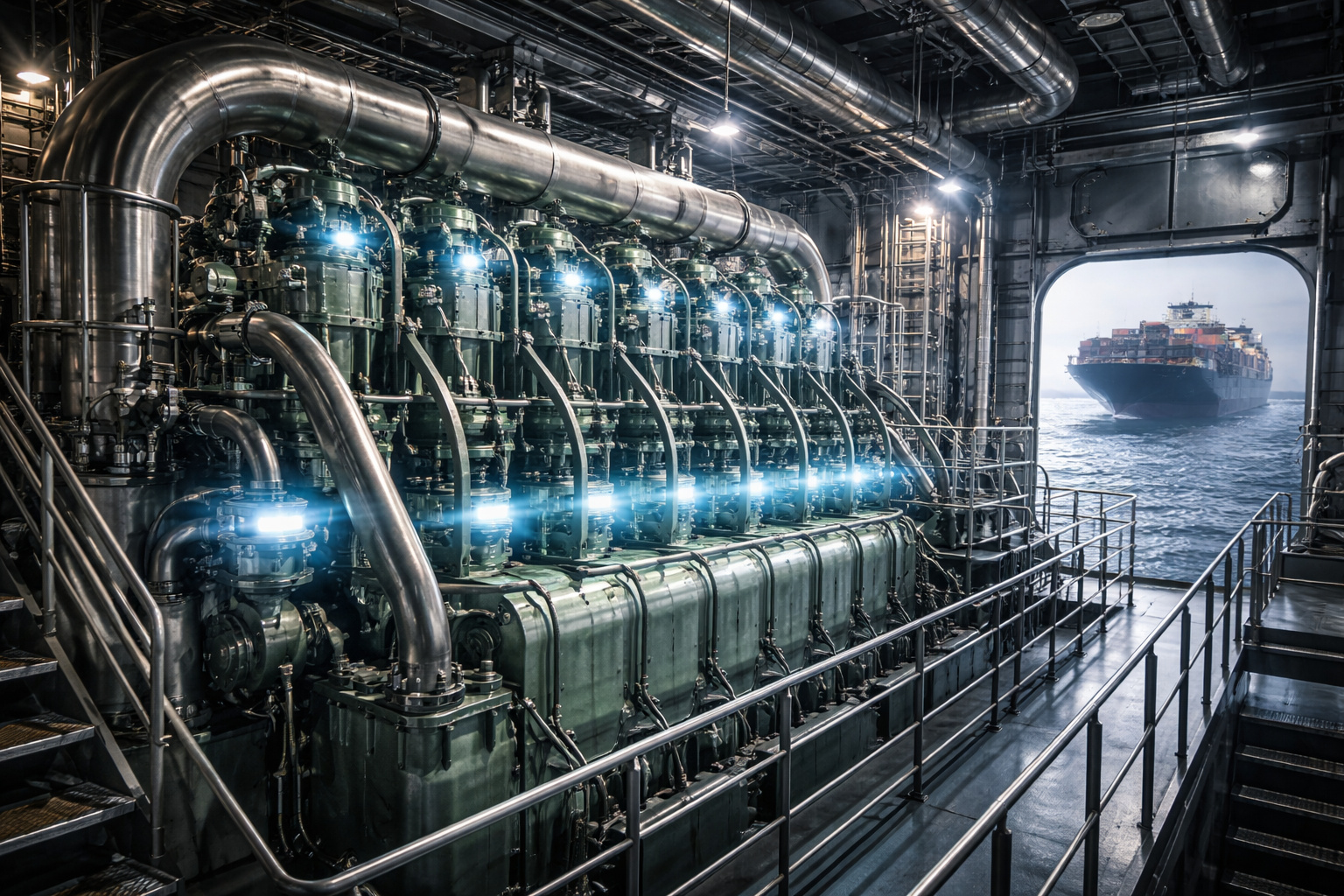
Europe is trying to create an ammonia-powered marine engine without auxiliary fuel, which could unlock the race for giant emission-free ships. The technology aims to eliminate one of the biggest obstacles to clean maritime propulsion.
-
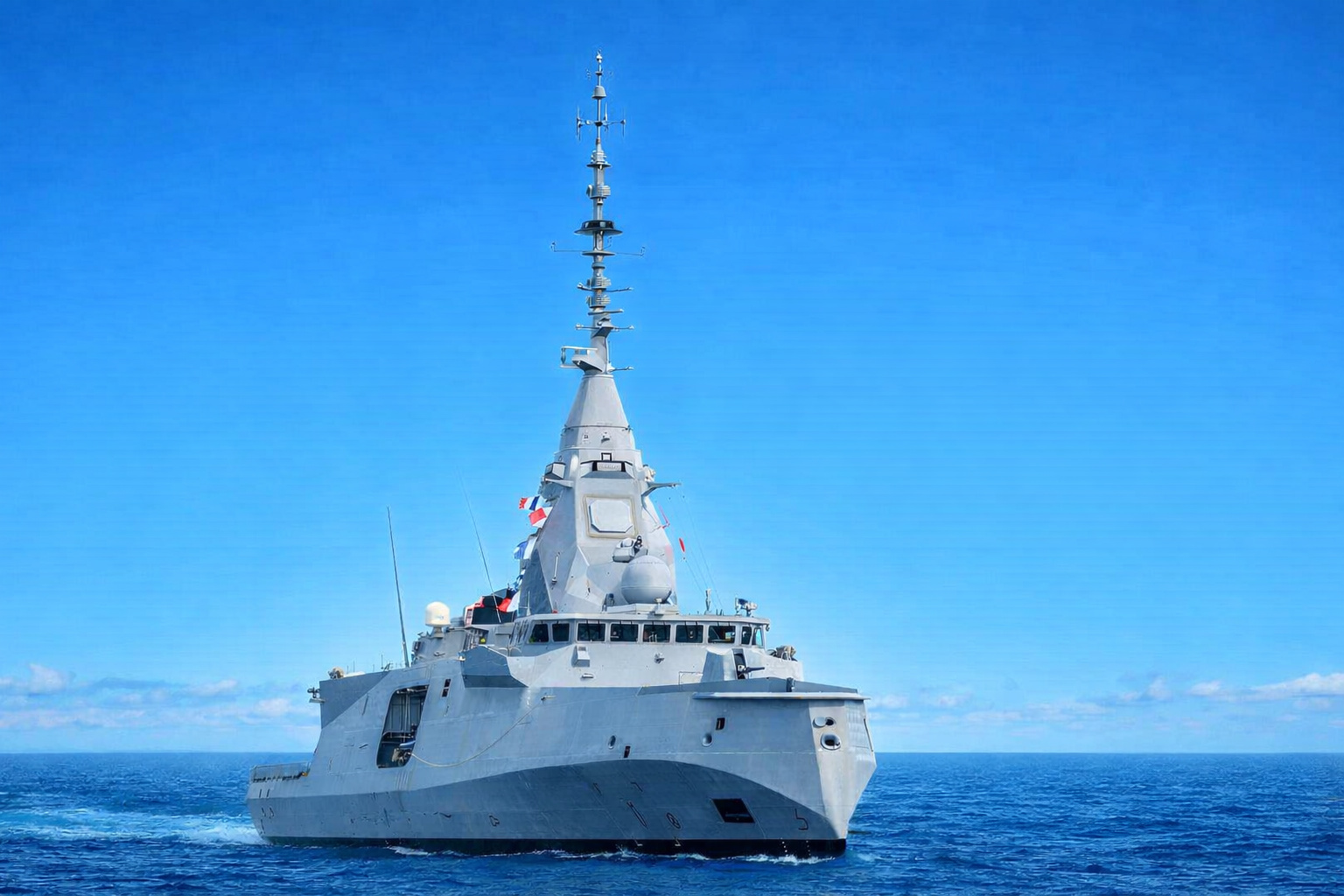
A 4,500-ton frigate with just over 100 crew members, state-of-the-art radar, and cruise missiles is being touted as the new standard of naval warfare in the 21st century.
-
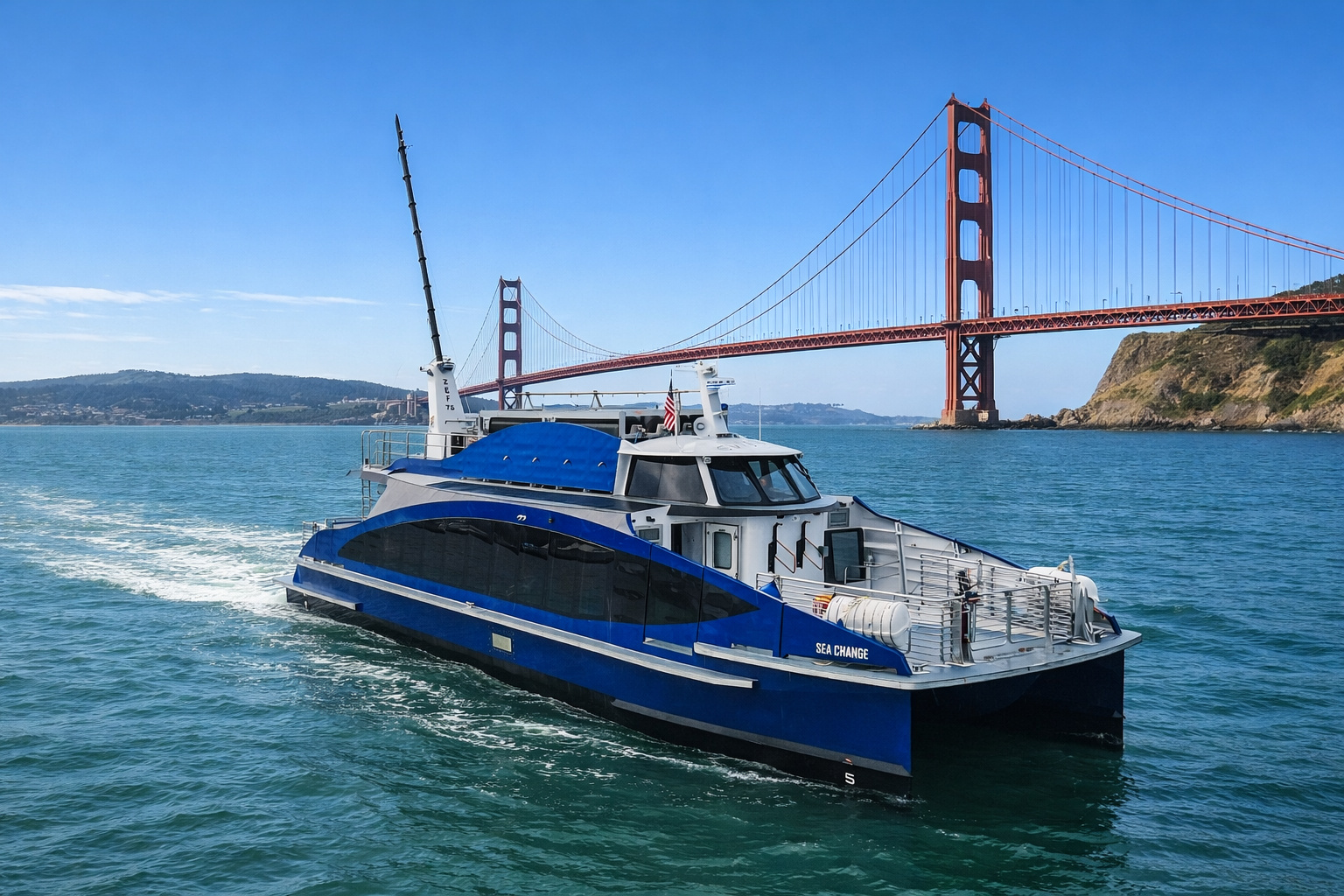
The first commercial hydrogen-powered ferry enters operation in the U.S., eliminates the use of diesel, uses fuel cells to generate clean energy on board, and transforms San Francisco Bay into a landmark of the new era of emission-free navigation.
-
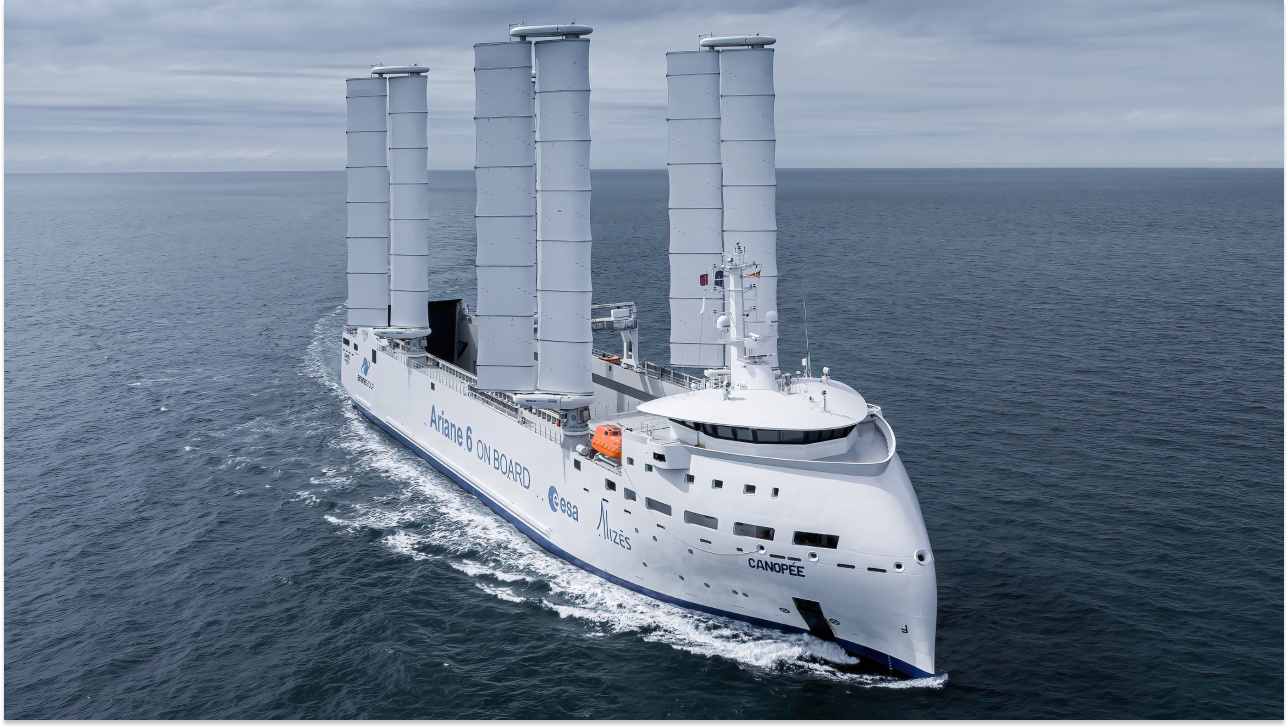
With a length of 121 meters and four rigid sails of 36 meters that automatically rotate to capture the wind, Canopée is the world’s first hybrid industrial cargo ship powered by wind, used to transport rockets and reduce fuel consumption by up to 30% on transoceanic routes.

Communication Is Crucial. Crane Operators Use Radios to Coordinate with the Team at the Port and on the Ship, Preventing Accidents. During Container Movement, Operators Ensure That Each Container Is Secured and Released Properly, Using Special Locks.
Besides the Daily Challenges, Crane Operators Face Adverse Weather Conditions, Such as Strong Winds and Extreme Temperatures, That Can Affect the Crane’s Functioning.
Precision and Coordination Are Essential to Avoid Serious Accidents, Such as Falls or Collisions. Crane Operators Work Long Hours, Often in Shifts That Include Weekends and Holidays.
Companies Provide Housing and Health Benefits Due to the Risks Involved. On Average, Port Crane Operators Earn About $47,000 a Year, with Opportunities for Bonuses and Salary Increases Based on Experience.
Being a Crane Operator Is a Challenging and Vital Profession for the Efficient Operation of Ports. These Professionals Ensure That Millions of Containers Are Moved Safely, Playing a Crucial Role in the Global Supply Chain.









Seja o primeiro a reagir!