





 Portuguese
  English
  Spanish
 2 min of reading
  0 comments


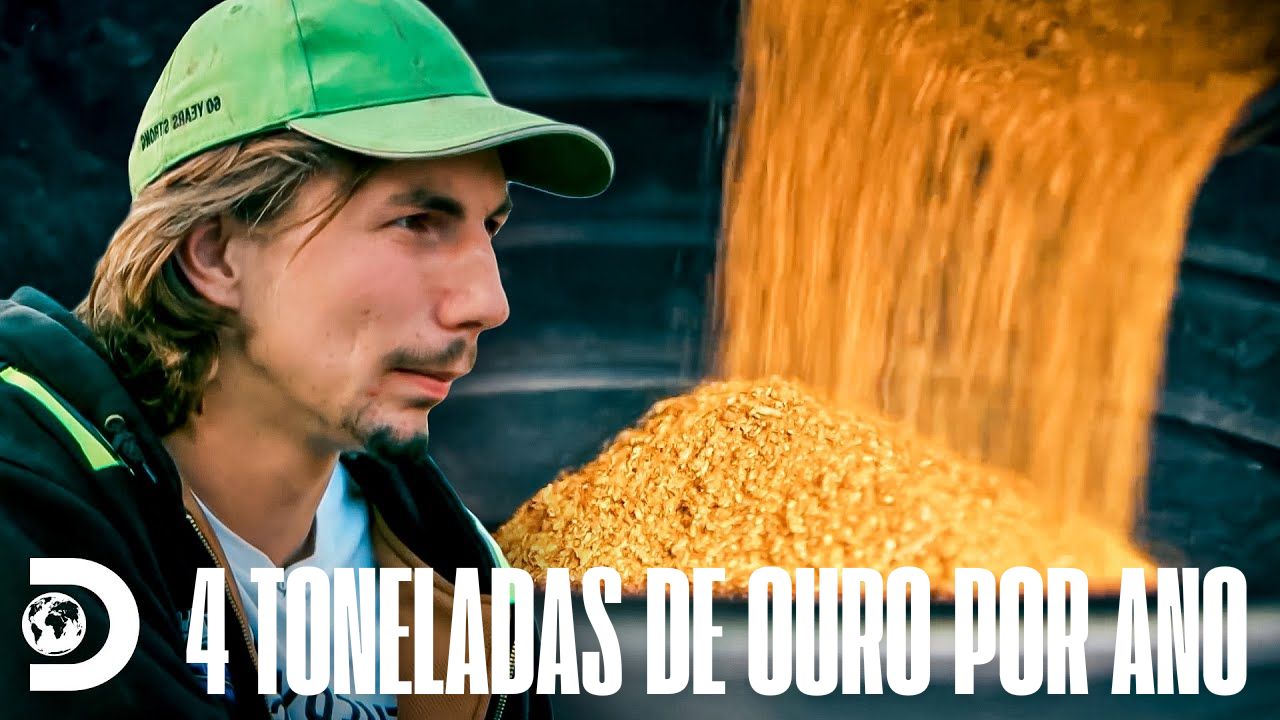
Mato Grosso City Moves More Than R$ 1 Billion Annually With Gold Mining, According to Documentary Shown on International Channel
The city of Peixoto de Azevedo, located in northern Mato Grosso, was featured in the documentary “Gold Fever: Parker Schnabel,” aired by Discovery Channel in March 2025. The episode revealed that the municipality deals with around 4 tons of gold per year, which represents a revenue of approximately US$ 200 million (about R$ 1.14 billion at the current exchange rate), becoming one of the main mining hubs in the country. The local production caught the attention of miner Parker Schnabel, the protagonist of the series, who compared the numbers of the Mato Grosso city with those of Yukon, Canada, where he operates.
History and Growth of Gold Mining in Peixoto de Azevedo
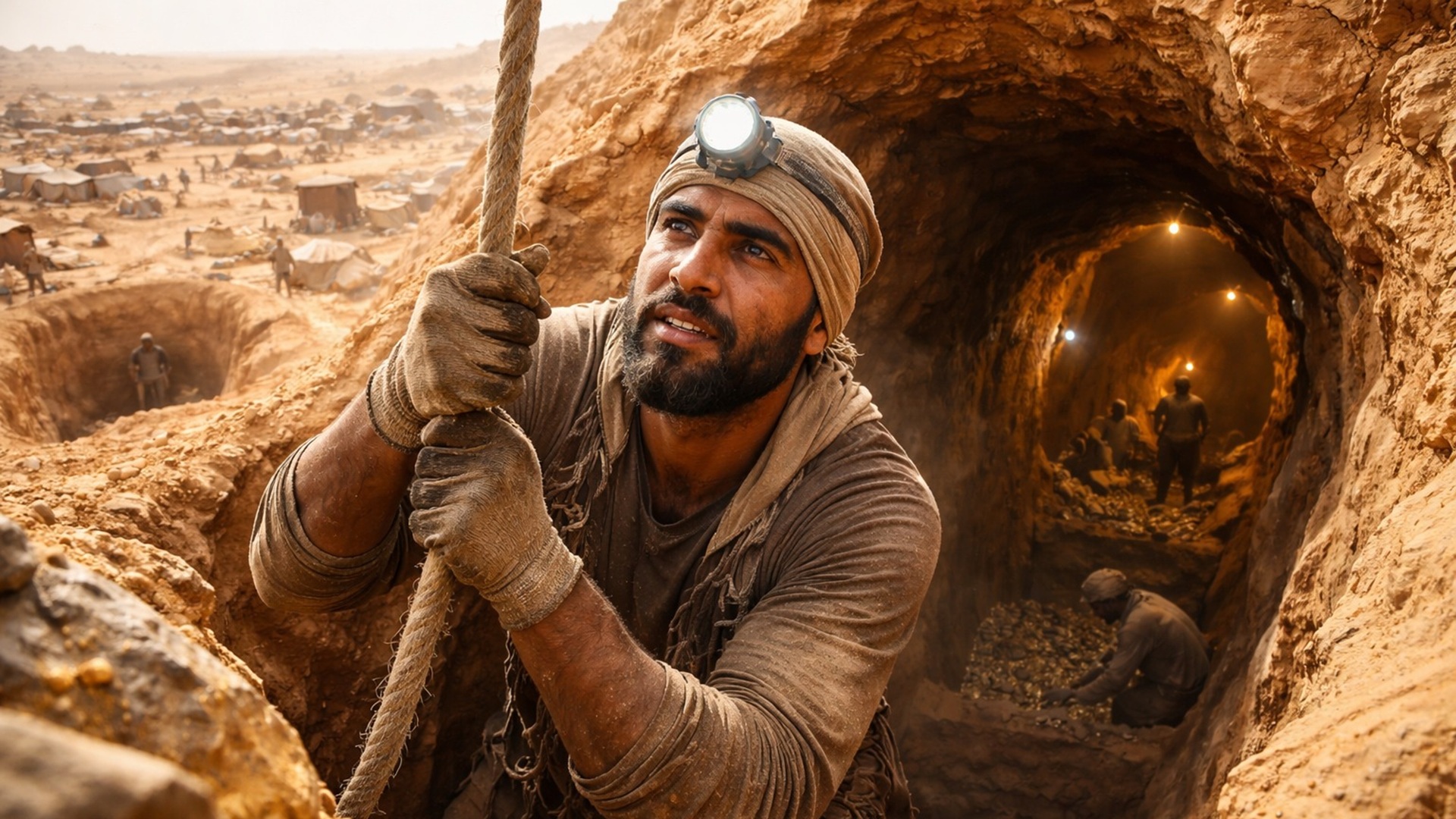
According to the Cooperative of Miners of the Peixoto River Valley (Coogavep), the entity responsible for regulating part of the mining activity in the region, about 7,000 miners operate in an organized manner in the municipality. Mining in the region began in the 1970s, intensifying from 1978, when the first major gold discoveries attracted thousands of workers to northern Mato Grosso. Since then, it is estimated that the city has produced approximately 250 tons of gold, generating an accumulated value of over US$ 14 billion (R$ 80 billion), according to a survey by the Federal University of Minas Gerais (UFMG).
Geology and Gold Potential of the Region
The gold potential of Peixoto de Azevedo is due to its location in the Alta Floresta Gold Province, a geological formation dating back to the Paleoproterozoic, a period that occurred about 2.5 billion years ago. According to the Institute of Geosciences of the University of São Paulo (USP), this region contains high concentrations of gold due to volcanic activity and geothermal processes that facilitated the formation of mineral deposits over the centuries.
-
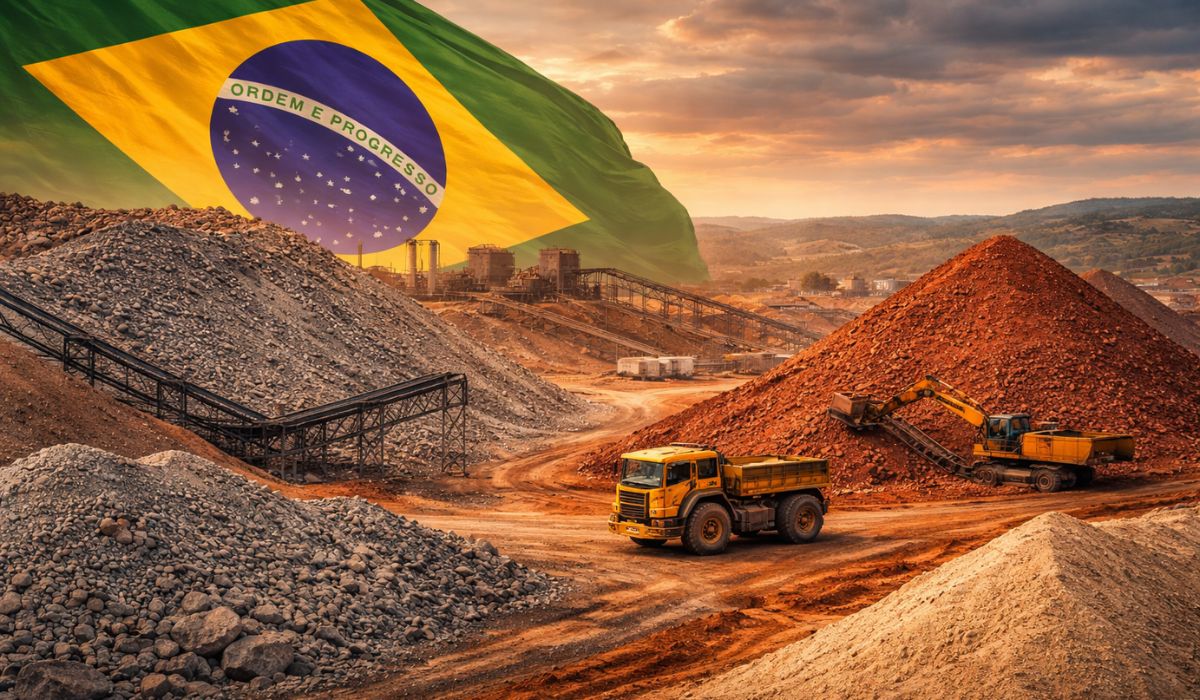
Brazil extracts 26.3 million tons of ore from what was previously treated as waste, transforming residues into wealth, producing over 3 million tons of sand, and demonstrating how national mining is relearning to generate value.
-
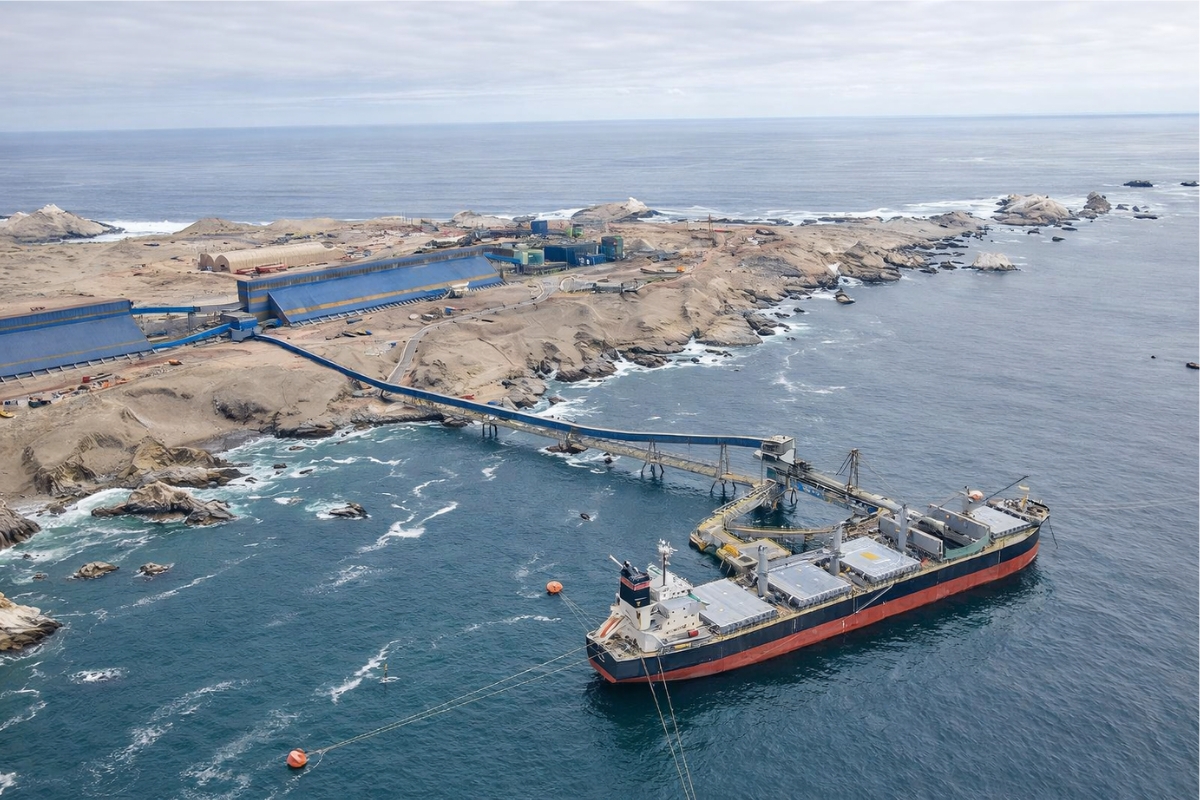
A $3.5 billion megaproject in Latin America pumps desalinated seawater at 1,050 liters per second over 194 km to keep a copper supermine in the Andes operational for another 20 years.
-
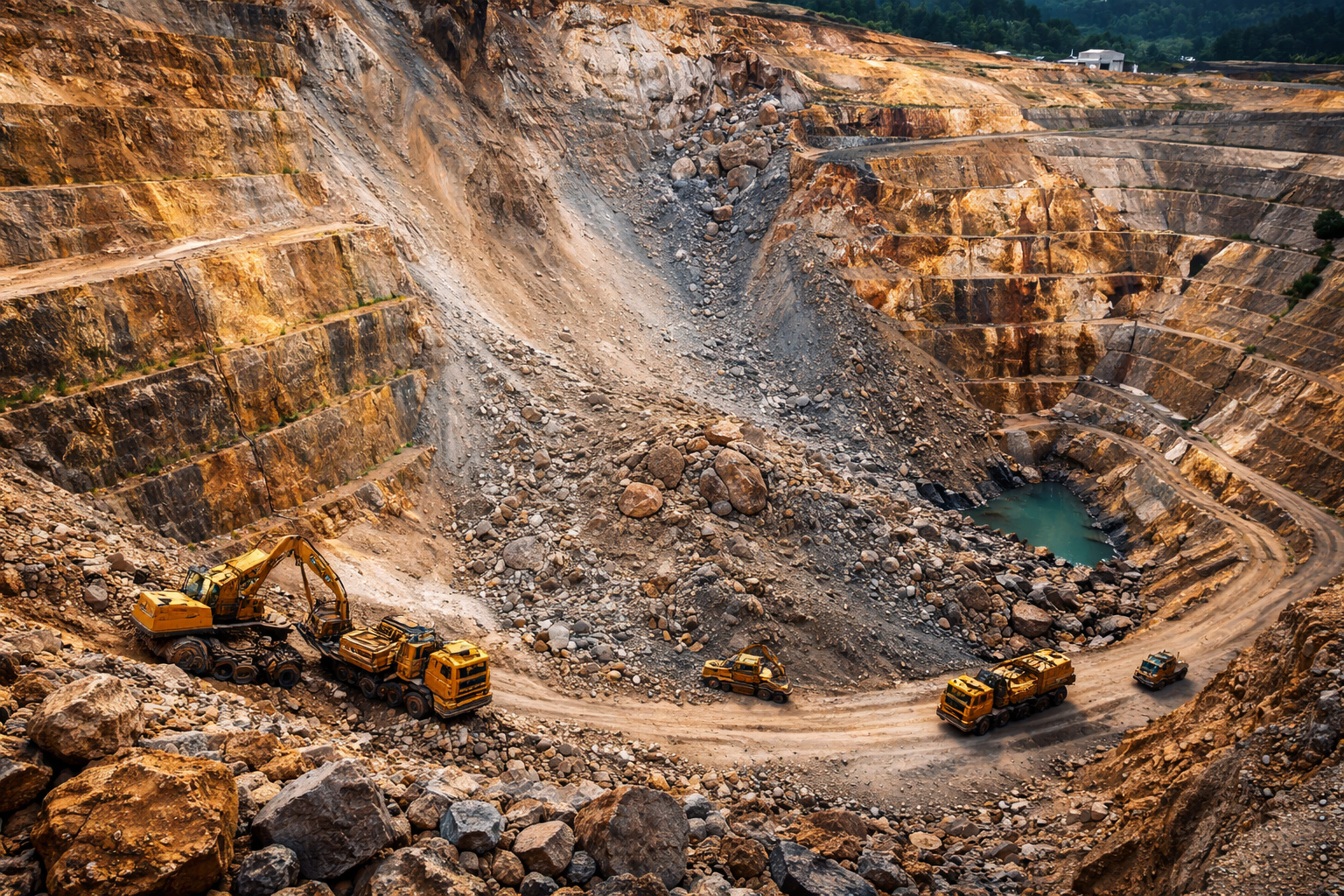
A hidden mine in the Andes valued at nearly R$ 1 trillion is starting to attract global attention, containing copper, gold, and silver, and raises an intriguing question: why do Argentina and Chile need to act together to exploit this gigantic wealth?
-
A silent discovery in the interior of Bahia could change the future of energy in Brazil: a uranium reserve in Lagoa Real has an estimated capacity to produce 400 tons per year and is already attracting the attention of energy sector specialists.
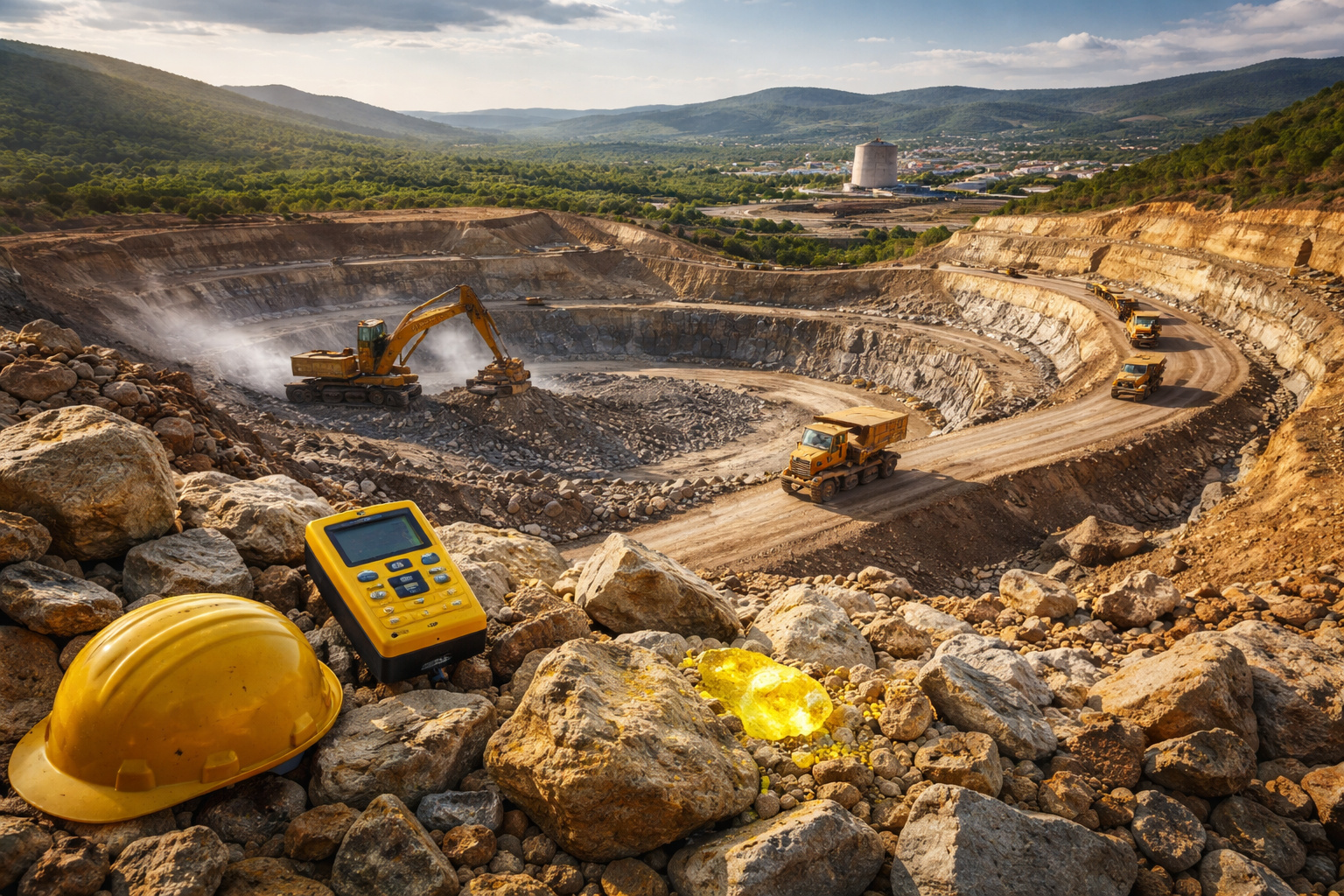

Sustainability and Socioeconomic Impacts


Coogavep has implemented measures to ensure the legality of the activity and reduce environmental impacts. Part of the miners’ profits from gold, approximately 0.3% of total production, is redirected to fund environmental licenses and social projects in the region. These initiatives include the restoration of degraded areas and the encouragement of reforestation.
In addition to the environmental impact, mining also creates job opportunities and boosts the local economy. According to the Secretary of Industry, Trade and Mining of Mato Grosso, the gold sector accounts for 30% of the municipality’s economy, being one of the main sources of revenue for the city.







-

-

2 pessoas reagiram a isso.