





 Portuguese
  English
  Spanish
  4 min of reading
  0 comments


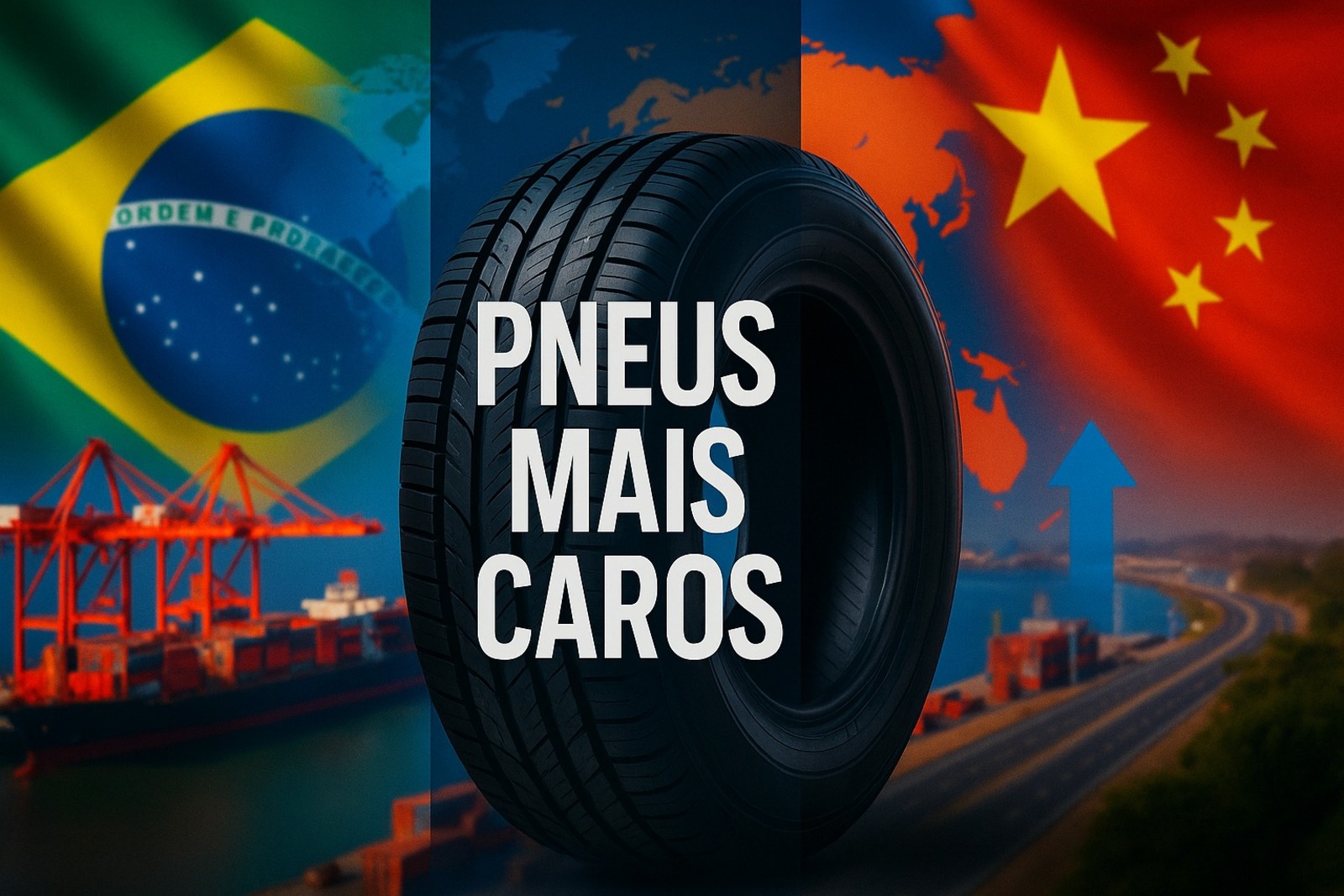
Decision on Tax Increase for Imported Tires Divides Industry, Importers, and Truck Drivers, with Direct Impact on the Wallets of Brazilian Drivers
The dispute between Brazilian and Asian manufacturers is no longer limited to the sale of ready-made cars. The tire sector has firmly entered the center of economic discussions. Just as automakers are calling for measures against the Chinese advance, now tire producers are demanding that the government raise taxes on imported products.
The decision could come this Tuesday (23), when the Executive Management Committee of Camex (Gecex) meets to decide whether the current rate of 25% will increase to 35%.
If the adjustment is approved, more than half of the tires sold in Brazil will be impacted, as they depend on imports.
-
Historic bankruptcy of Centauro shocks the market, and the century-old company puts more than 500,000 products, machines, and complete infrastructure up for online auction.

-
New shoe factory in Ceará is expected to create 400 jobs and strengthen the local economy.
-
No one imagined it, but a mixture of sawdust with a mineral that fights fires surprises scientists with a result that changes the course of fire-resistant construction.
-
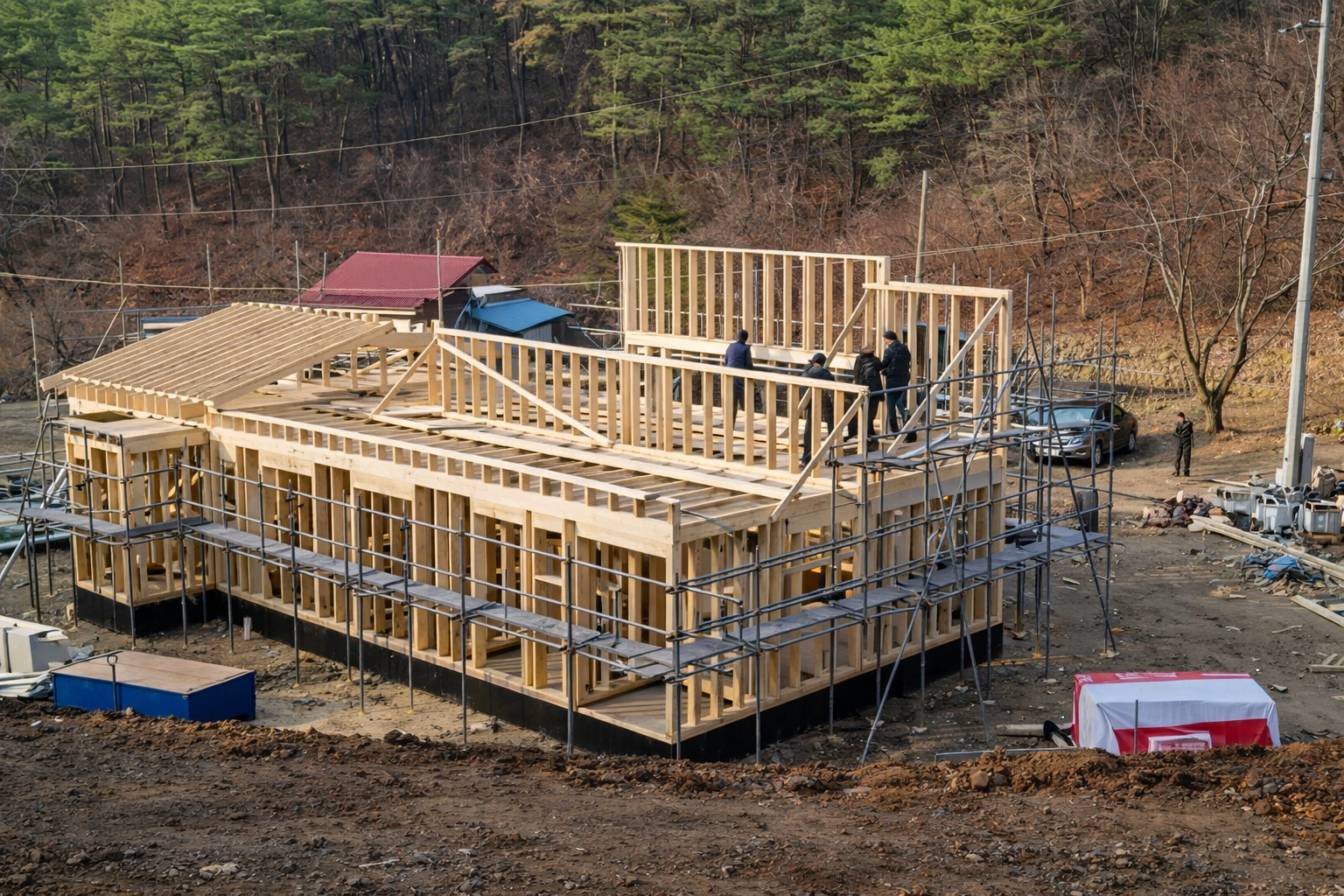
From empty land to a high-end house, wooden construction uses a lightweight system, metal structure for the foundation, ventilated ceramic cladding, and special windows to create an efficient and comfortable living space throughout the year.

How the Dispute Started
The deadlock has persisted since August 2023, when ANIP (National Association of the Tire Industry) requested that the government increase the tariff from 16% to 35%, valid for 24 months.
The entity argued that competitors from China, Vietnam, India, and Malaysia were selling tires in Brazil for prices below production costs.
The government partially accepted the request but authorized only an increase to 25%, valid for 12 months. This period is about to end.
Now, the national industry insists on raising it to the ceiling of 35% allowed by the World Trade Organization (WTO).
Arguments of the National Industry
According to ANIP, Brazil has become a preferred target for Asian exports.
A survey by LCA Economic Consulting showed that in 2023, cargo tires reached US$ 2.9/kg, while in the United States and France, they cost between US$ 4.4 and US$ 5.3/kg. The difference exceeds 60%.
For passenger tires, the situation is similar: they arrive here at US$ 3.2/kg, while the average price in the American market is US$ 5.8.
For Klaus Curt Müller, president of ANIP, this discrepancy makes competition impossible. He states that all Asian tires enter the country below production costs, and half even cost less than the raw material itself. The result, he says, is the risk of deindustrialization.
Importers React Against
On the other side, ABIDIP (Brazilian Association of Importers and Distributors of Tires) criticizes the movement.
According to the entity, the measure would be protectionist and would have direct negative impacts on those who depend on cars for work.
President Ricardo Alípio da Costa warns that app drivers, taxi drivers, and delivery workers would be forced to resort to used tires if prices rise too much. This would increase the risk of serious accidents.
He also counters the argument of unfair competition. According to him, the associates do not buy products below cost, and all go through certification by Inmetro.
Road Transport Concerned
Another sector pressing against the increase is the cargo transport sector.
A debate in the Chamber of Deputies revealed that logistics companies could spend up to R$ 2 million more per year with the change.
Independent truck drivers also fear direct impacts on their budgets.
The representative of Sindican, Nélson Júnior, recalled that between 2015 and 2017 many professionals only drove with retreaded tires.
With the opening to imports, independent drivers gained access to new and safer tires.
ANTT (National Agency for Land Transport) also expressed concern about the risk of “scrapping” the sector due to rising operational costs.
Impact on Prices and the Economy
Data presented by consultant Gustavo Madi, from CNI, show that the increase from 16% to 35% in the tariff could raise the prices of imported tires by 16.4%.
Even so, the impact on the National Consumer Price Index (IPCA) would be minimal, between 0.03 and 0.05 percentage points.
The Confederation also points out possible benefits. The measure could add R$ 8.9 billion to GDP annually, generate 105,000 jobs, and move R$ 3.7 billion in salaries.
Who Wins and Who Loses
On one side, supporters believe that the additional cost to consumers will be offset by the protection of the industry and the maintenance of jobs.
On the other hand, critics argue that the burden will fall on the population’s pocket and that protectionist measures do not correct structural flaws in the productive sector.
The fact is that, with the Camex meeting, the decision is about to be made. And any outcome will affect both the market and the wallets of millions of Brazilian drivers.
With information from UOL.








Seja o primeiro a reagir!