





 English
  Francês
  Alemão
  Italiano
  Japonês
  Norueguês
  Portuguese
  Spanish
  4 min of reading


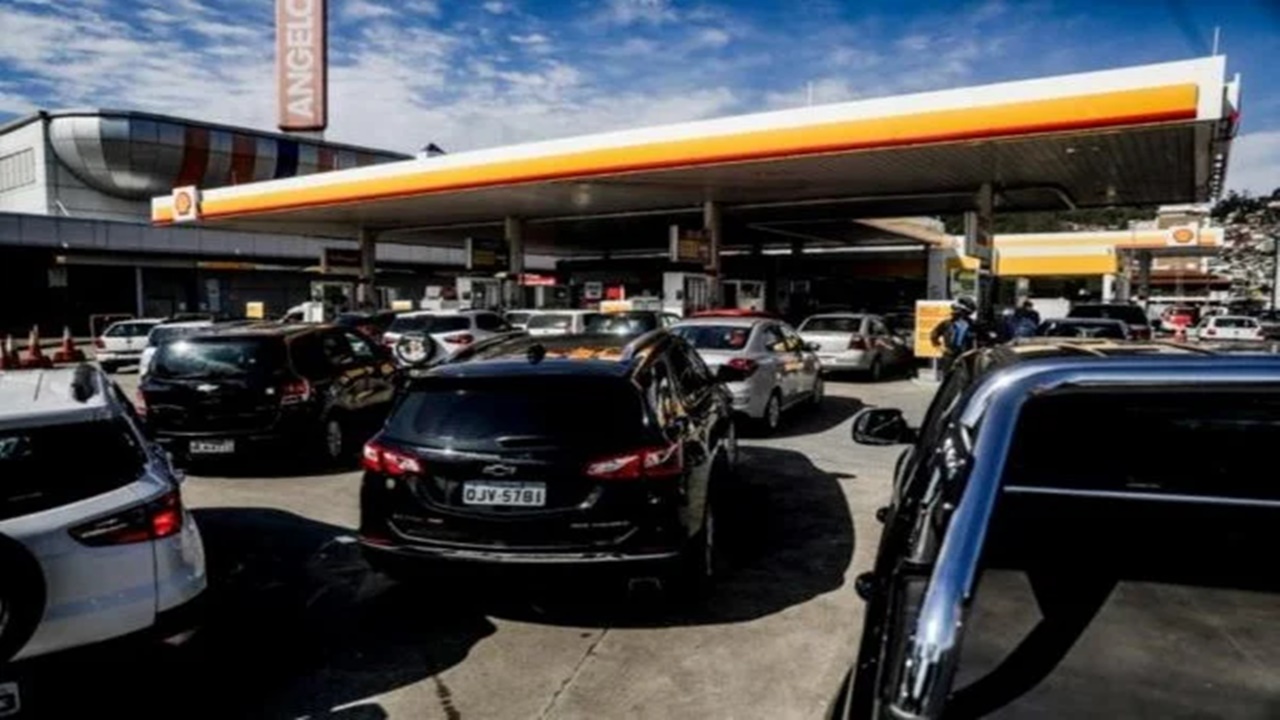
Unilateral Cuts in Gasoline and Diesel Supply Orders for November of This Year at Petrobras Raises Alert for the Risk of Fuel Shortage.
The distributors are worried about a possible fuel shortage starting in November. Retailers say that the Brazilian oil giant Petrobras cut part of the gasoline and diesel supply for next month, increasing the risk of shortage of the inputs. According to the Brazilcom distributors’ association, Petrobras — which has a monopoly on refining — made the decision unilaterally.
Read Also
- After Ford Announces the End of Troller in Brazil, Last Unit of the T4 Jeep in History is Sold for R$ 300,000 and Manufacturer Ends Production in Ceará
- Just Like Gasoline, Ethanol Prices Close September with New High, Reaching Almost R$ 6 and Consumers Have Nowhere to Run
- High in Gasoline, Ethanol, Diesel, and CNG Prices Forces Consumers to Abandon Combustion Engines, Shift to Electric Cars, and Sales of Electrified Vehicles Soar in Brazil
- Direct Sale of Ethanol from Mills is Advocated by Legislators Who Promise to Stimulate Competition and Curb Gasoline Price Increases at Fuel Stations
“Petrobras is self-sufficient in oil, but cannot refine enough for the domestic consumption of the country, so the distributors today try to buy from Petrobras because it is cheaper than importing, and as it has no product to offer, it is reducing future sales quotas so as not to run out of product for distributors. Thus, distributors will have to import at a higher cost to avoid lack of product and pass the cost onto resale, thereby shifting the responsibility of this potential increase to Petrobras and the government to address Petrobras’ price gap,” said Brazilcom.
Petrobras’ Fuel Quota Cuts Threaten the Country with Shortages.
“The reductions made by Petrobras, which in some cases exceed 50% of the volume requested for purchase, place the country in a potential shortage situation,” warned Brazilcom in a statement.
-
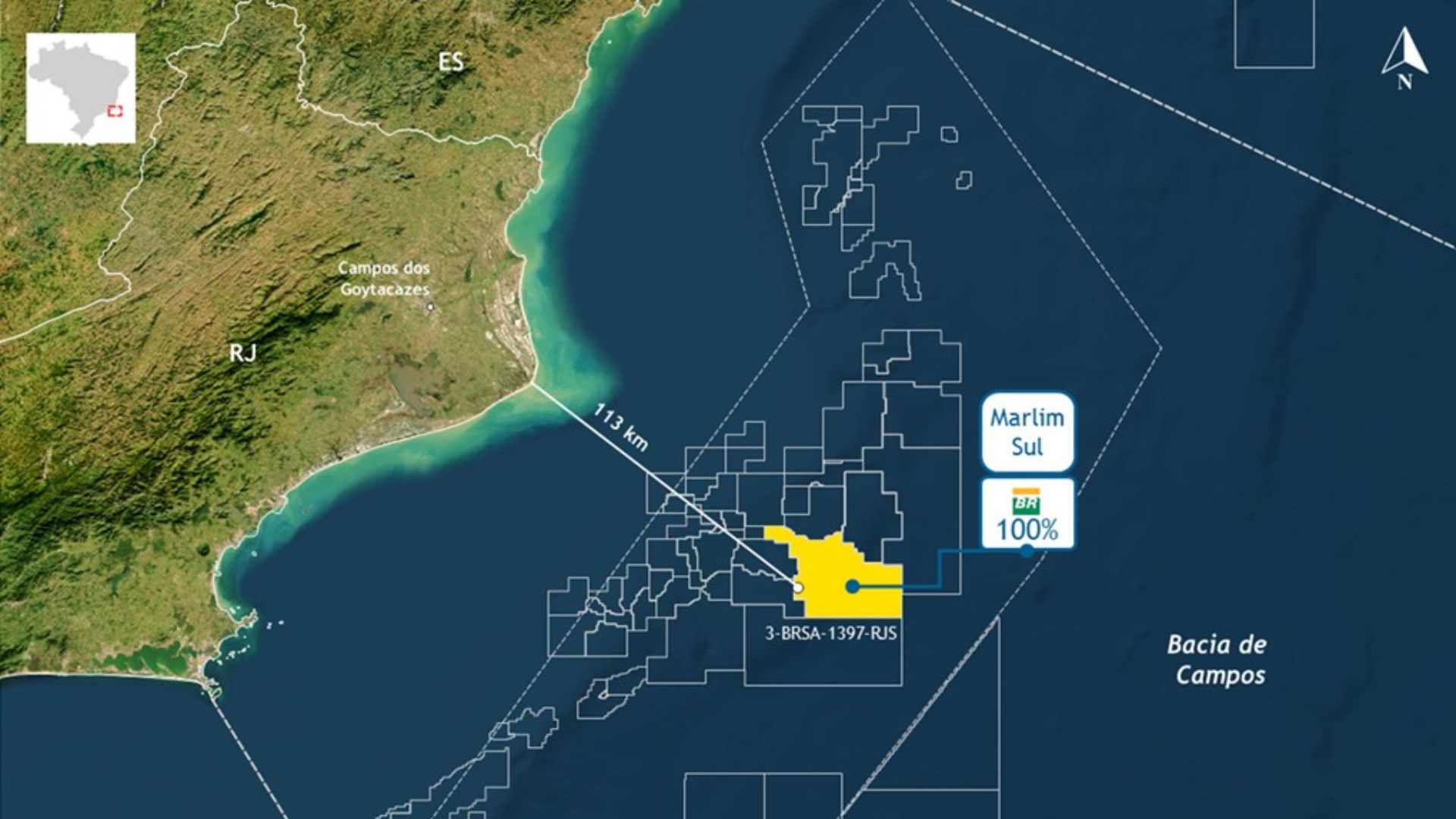
Petrobras finds high-quality oil in the pre-salt at 113 km from RJ and reignites expectations about strategic reserves in the Campos Basin.

-
Ocyan opens registrations for startups focused on innovation in the oil and gas sector and will select projects for Innovation Day with the support of Nexio.

-
Petrobras announces new oil discovery in the pre-salt of the Campos Basin and reinforces Brazil’s prominence with high-quality reserves that can increase production and energy revenues.
-
Alert in the fuel market: Analysts and a former director of ANP warn that oil prices may worsen in the coming months due to global instability.

The entity also mentioned “the impossibility of compensating for these supply reductions through import contracts, considering the current difference with international market prices, which are at much higher levels than those in Brazil.”
The association also states that it has already notified the National Agency of Petroleum, Natural Gas and Biofuels (ANP) about the potential issue. BNamericas agreed with letters from two distributors addressed to the Agency, reporting that Petrobras’ cuts have caused “serious effects.”
Idaza Petroleum Distributor claims it has experienced reductions in gasoline and diesel of 35% to 74% in Araucária, in the state of Paraná; Itajaí, in Santa Catarina; and Guarulhos and Paulínia, in São Paulo.
Royal Fic Fuel Distributors reported that Petrobras cut the supply of diesel A S500 by 56.6% in the municipality of Jequié, in the state of Bahia.
Both demanded that ANP and the Ministry of Mines and Energy (MME) take “the necessary measures to ensure the national supply of fuels.”
Claim Denied by the State Company.
In a statement, Petrobras informed that its refineries “are operating normally and continue to fully comply with contracts with distributors, according to the terms and deadlines in effect.”
Neither ANP nor MME responded to BNamericas’ requests for comment.
Despite being in favor of the divestment program in Petrobras’ refining area, Brazilcom emphasized that authorities should establish clear rules for plant owners and logistics systems to avoid competitive imbalances.
So far, Petrobras has signed contracts for the sale of the Landulpho Alves refinery (RLAM) in Bahia to Mubadala Capital and for the Isaac Sabbá unit (Reman) in the state of Amazonas to Atem Petroleum Distributor.
Six more refineries are expected to be sold by 2022, according to the antitrust authority CADE: Lubricants and Petroleum Derivatives of the Northeast (Lubnor), Shale Industrialization Unit (Six), Alberto Pasqualini (Refap), Gabriel Passos (Regap), Abreu e Lima (Rnest), and President Getúlio Vargas (Repar).
Leggio Consulting States That the Risk of Gasoline and Diesel Shortages is Low.
Marcus D’Élia, a partner at Leggio Consulting, told BNamericas that the risk of fuel shortages is low. Brazilcom represents small and medium-sized groups with limited market shares.
“In Petrobras contracts, there is a possibility that this company may not fulfill the complete order of a distributor according to the order history in previous months,” he explained. “This occurs when orders exceed historical volumes and there are no plans to increase sales at a certain center.”
Luís Henrique Sanches, from LHS Consulting and Training and former director of the Manguinhos refinery, said that the consumption of S10 diesel has been increasing due to economic recovery and the phasing out of older engines that used S500 diesel.
“Petrobras cannot supply the entire market and has been importing the product for a long time. Large distributors also import, but medium and small distributors face more difficulties,” the expert told BNamericas.
“I don’t think there will be a major shortage, but there will be a substitution of small distributors by larger ones if they cannot import,” Sanches added.









Seja o primeiro a reagir!