






 Portuguese
  Spanish


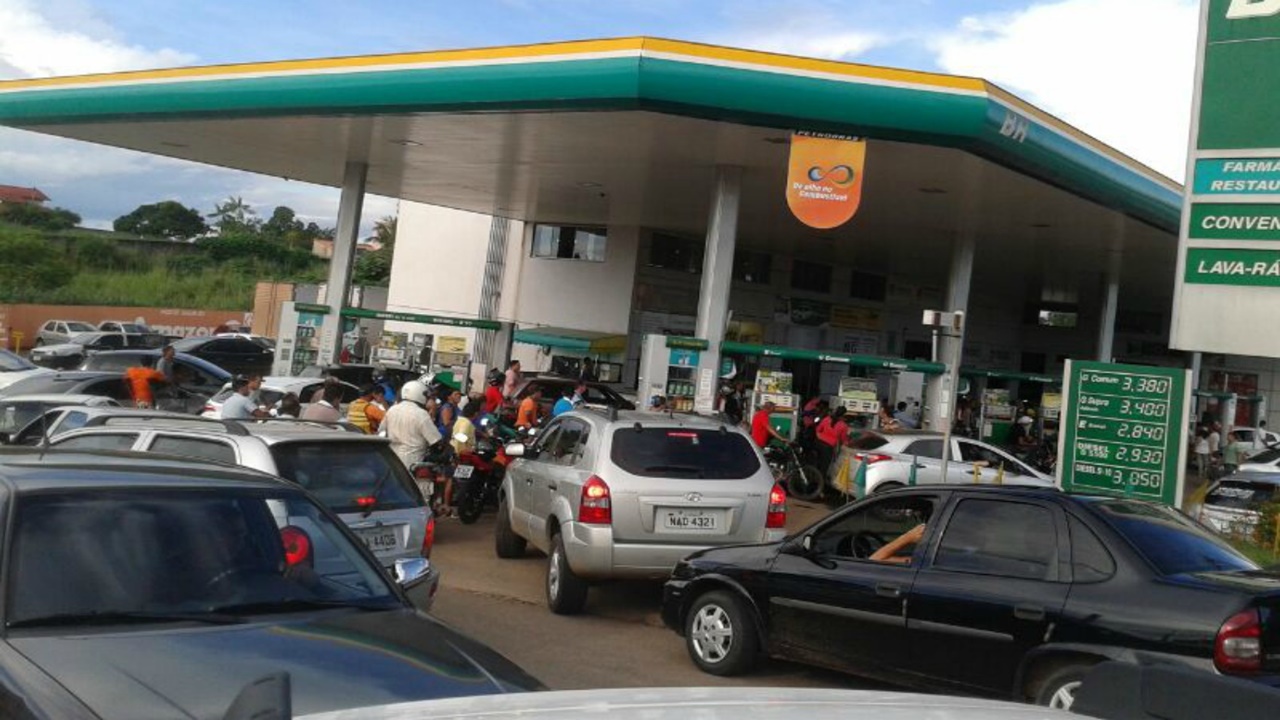

Ethanol Sales by Mill Owners Directly to Gas Stations May Become the Solution to Contain and Curb the Increase in Gasoline Prices
The Provisional Measure 1063/21, approved in August by the Government, underwent a public hearing in the Mines and Energy Commission yesterday (09/21), which had the support of the deputies. The MP 1063/21 authorizes ethanol plants to sell the fuel directly to gas stations, bypassing distributors, as was previously required.
Read Also
- Faetec RJ Offers 2,325 Positions in Free Professional and Technical Qualification Courses in the Areas of Industrial Maintenance, Civil Construction, Logistics, Technology, and More
- Steel and Metallurgical Industries Become Right-Hand Partners for Shipbuilding to Resume Its Prominent Role in Brazil’s Economy
- Job Openings Available Today (09/21) for Offshore Construction and Assembly Contracts in Rio de Janeiro
- Technicians and Engineers Are Called by a Human Resources Company to Work Offshore; There Are 49 Job Openings for ROV Operators
Edited in August, the provisional measure also allows “branded” gas stations (linked to a distributor) to sell products from other suppliers, as long as consumers are properly informed. Currently, ethanol taxation is done in two stages: part during production and another during distribution.
MP 1063/21 received 73 amendments and awaits analysis by the Chamber of Deputies and the Senate.
-
Man Revives 1930s Abandoned Trout Farm, Learns from Scratch, and Earns $1.1 Million Annually Selling Fish to Michelin-Starred Restaurants

-
Brazil to Issue “Panda Bonds” in China, Aiming to Raise Up to 5 Billion Yuan at Lower Interest Rates Than Dollar Debt
-
NATO Faces Internal Tensions as U.S. Pushes for Increased Defense Spending, Targeting 5% of GDP by 2035, with Warnings for Countries Near 2% Level

-
Brazil to Introduce B16 Diesel with Increased Soybean Oil Content for Trucks by 2026


Direct Sales Will Lower Costs and Maintain the Quality of the Biofuel, Generating Benefits for Consumers
According to the executive director of the Brazilian Association of Independent and Free Fuel Resellers (Abrilivre), Rodrigo Zingales, the provisional measure will help reduce fuel prices in Brazil.
“With greater freedom and competitiveness, the buying and selling price will tend to decrease,” he said. Zingales also stated that the three major distributors – Vibra (the new name for BR Distribuidora), Ipiranga, and Shell – do not approve of the changes, as their power to impose prices will be limited.
In addition, Feplana projects a drop in prices and claims there will be no loss in quality. According to Alexande Andrade Lima, president of the Federation of Sugarcane Planters of Brazil (Feplana), the price of biofuel should be lower, especially at mills located in large centers.
According to Lima, “The expectation is that ethanol prices will drop, particularly at industrial units that are close to large consumer centers.” He also asserts that the quality of the biofuel that goes directly from the mill to the gas stations is guaranteed.
“The sector is well regulated by ANP. There is no chance of losing quality at the gas stations, as there will be information about the mill that made the product available and this will ensure quality. The sector is very responsible when it comes to product provenance,” he points out.
The president of Feplana attended the signing ceremony of the direct sales MP for ethanol. He states that he did not have access to the content of the measure, but believes it aligns with what the productive sector expects.
“There will be no loss of PIS/Confins or in federal tax collection. It is important to remember that producers will not be obligated to make direct sales, and distributors will continue to operate normally. However, I see a better margin for those who make direct sales, because when you remove one entity from this chain, you end up reducing costs,” he concludes.
Direct Sales from Mills Will Stimulate Competitiveness with Gasoline
It is still not possible to determine exactly how much the direct sale of ethanol would impact the price of biofuel in Brazil, as there is significant dependence on industrial logistics in each state. However, a study by Esalq-Log in 2019 showed that the average transportation cost of ethanol in São Paulo would decrease by about 30% with direct sales.
There are also estimates that concentrating production and distribution margins with producers and increasing competition between mill owners and distributors in the fuel market could reduce hydrated ethanol prices for end consumers by up to 20 cents per liter.
“The major benefit is the valuation of the renewable fuel. It will have more competitiveness against fossil fuel, gasoline, and will be more appealing for consumers to refuel,” points out Sévero.
Brazilian Ethanol Attracted Volkswagen’s Attention, Aspiring to Make Brazil a Center for Internal Combustion Engine Car Development
Brazilian ethanol is a cheaper and more viable alternative compared to electric cars and gains international prominence and attention from the multinational Volkswagen for reducing greenhouse gas emissions. Following in the footsteps of Japan’s Toyota, Volkswagen states it will adopt ethanol as the best route for the electrification of the national vehicle market and is considering producing vehicles with flex hybrid engines.
The interest in our fuel has caught the attention of Volkswagen, which aspires to transform Brazil into a center for internal combustion engine car development. The automaker believes that electric cars in Brazil would not have the same acceptance and consumption as in Europe. Because, in addition to being expensive, we produce ethanol, considered a biofuel that can very well meet the objective of reducing pollutant and CO2 emissions,” comments Romio.
According to calculations by the Sugarcane Industry Union (Única), taking the complete cycle into account, which includes planting and harvesting sugarcane, processing, transportation, distribution, and use in cars, a vehicle fueled exclusively with Brazilian gasoline (with 27% anhydrous alcohol) emits 131 g of CO2 per kilometer, compared to only 37 g of CO2/km, if fully fueled with cane ethanol, a value lower than that of a battery model in Europe, which, powered by the region’s current energy matrix, emits 54 g of CO2/km.





Amazing insights shared today