





 Portuguese
  English
  Spanish
  5 min of reading
  1 comment


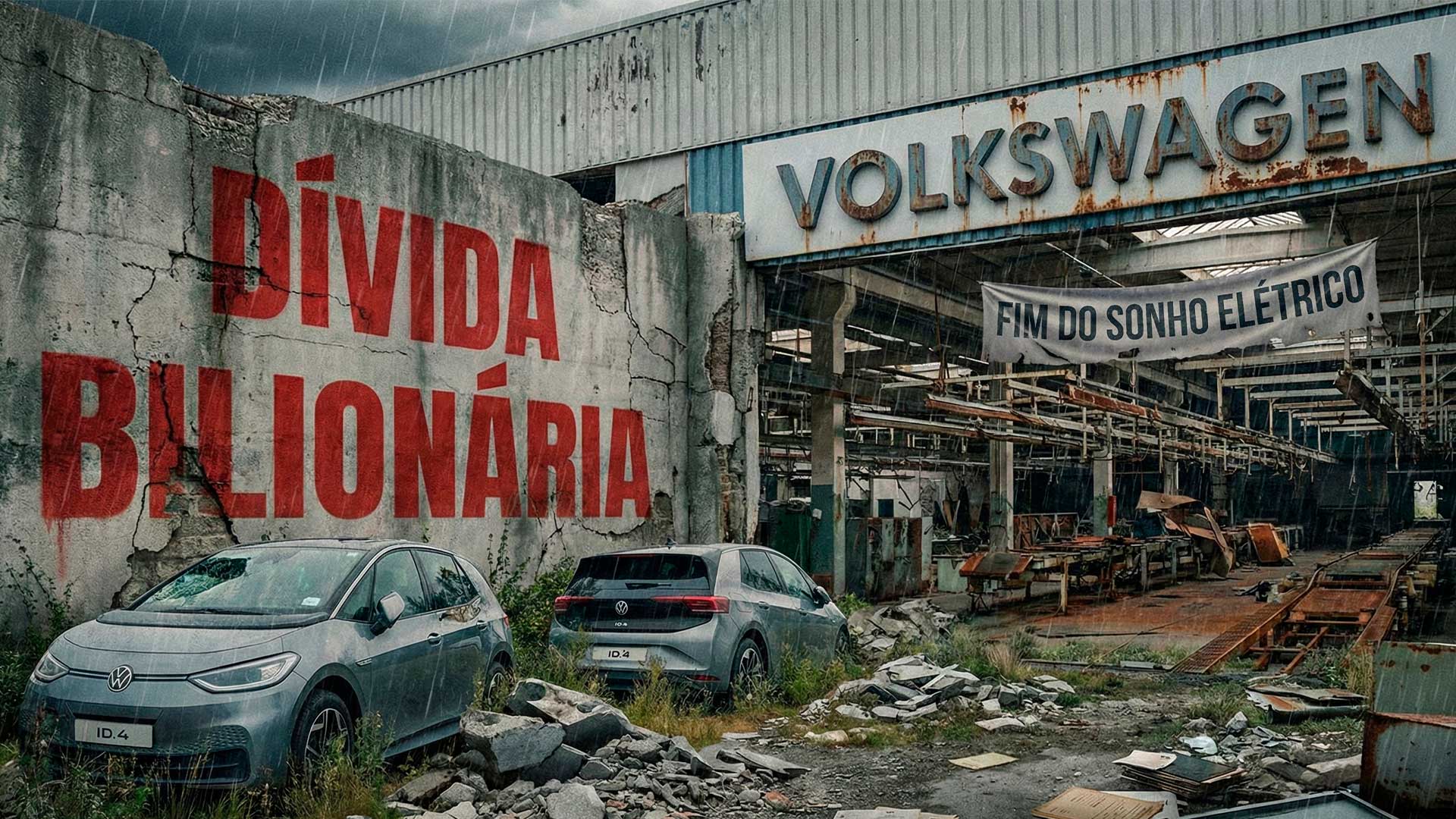


A Billion-Dollar Personal Debt In The Family That Controls VW, Just When The Manufacturer Tightens Its Budget And Cuts Costs. The Sum Of Pressures Puts The Controlling Family, Unions, And Shareholders On A Collision Course. And The Dispute Happens At The Worst Possible Time: The Transition To Electric Cars Requires Rapid And Expensive Changes.
Volkswagen AG Has Entered A Phase Where Cash, Governance, And Strategy Are Becoming The Same Problem. The Porsche-Piëch Family, Which Controls The Group, Sees Dividend Income Losing Steam. At The Same Time, The Company Needs To Finance Electrification, Software, And Restructuring.
The Most Sensitive Trigger Is The Situation Of Patriarch Hans Michel Piëch, An Influential Figure In The Clan. He Took On A Large Debt To Recompose Internal Positions And Maintain Concentrated Control. Now, With Margins Pressured And Profits Under Stress, The Gears That Were Paying This Bill Are Starting To Fail.
Volkswagen Is A Global Player With A Strong Presence In Several Markets, And Investment And Cost-Cutting Decisions Tend To Impact Products, Employment, And The Pace Of Innovation.
-
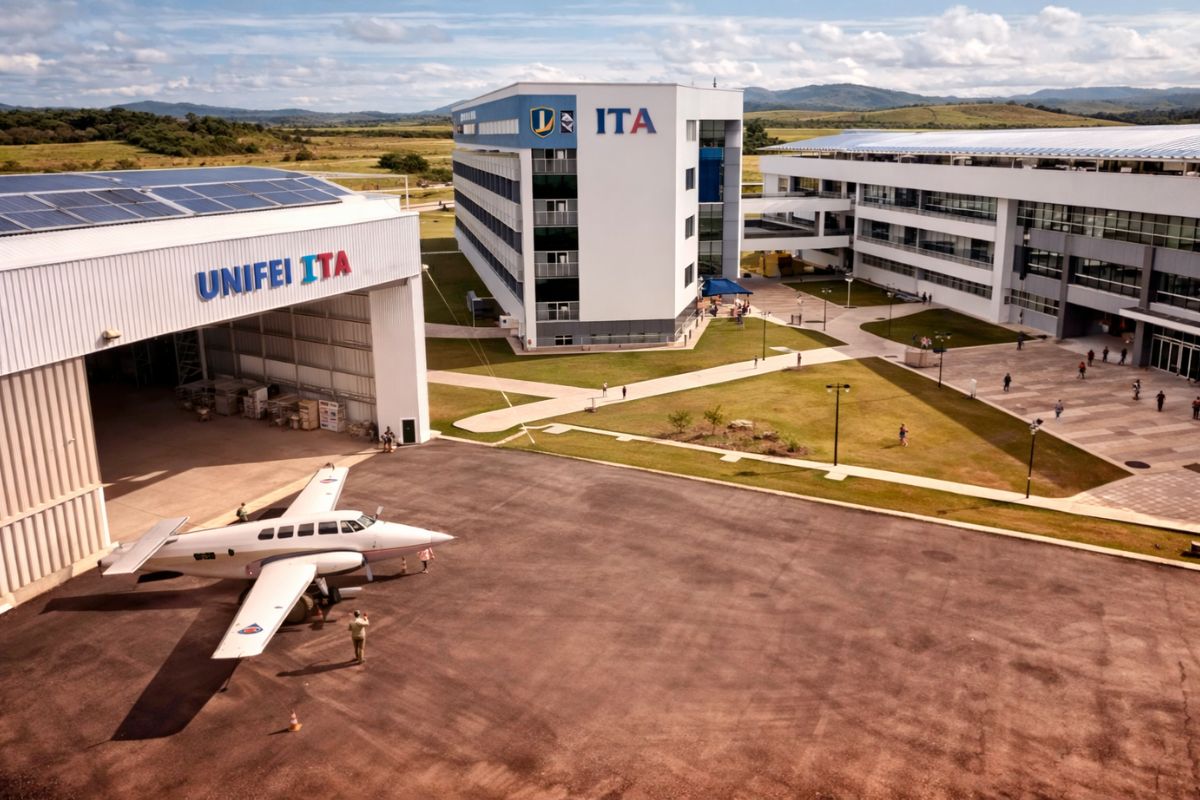
The institute that trained the greatest aerospace engineers in Brazil has just opened its first campus outside São Paulo after 75 years: ITA Ceará will have R$ 445 million, new courses in energy and systems, and classes are expected to start in 2027.
-
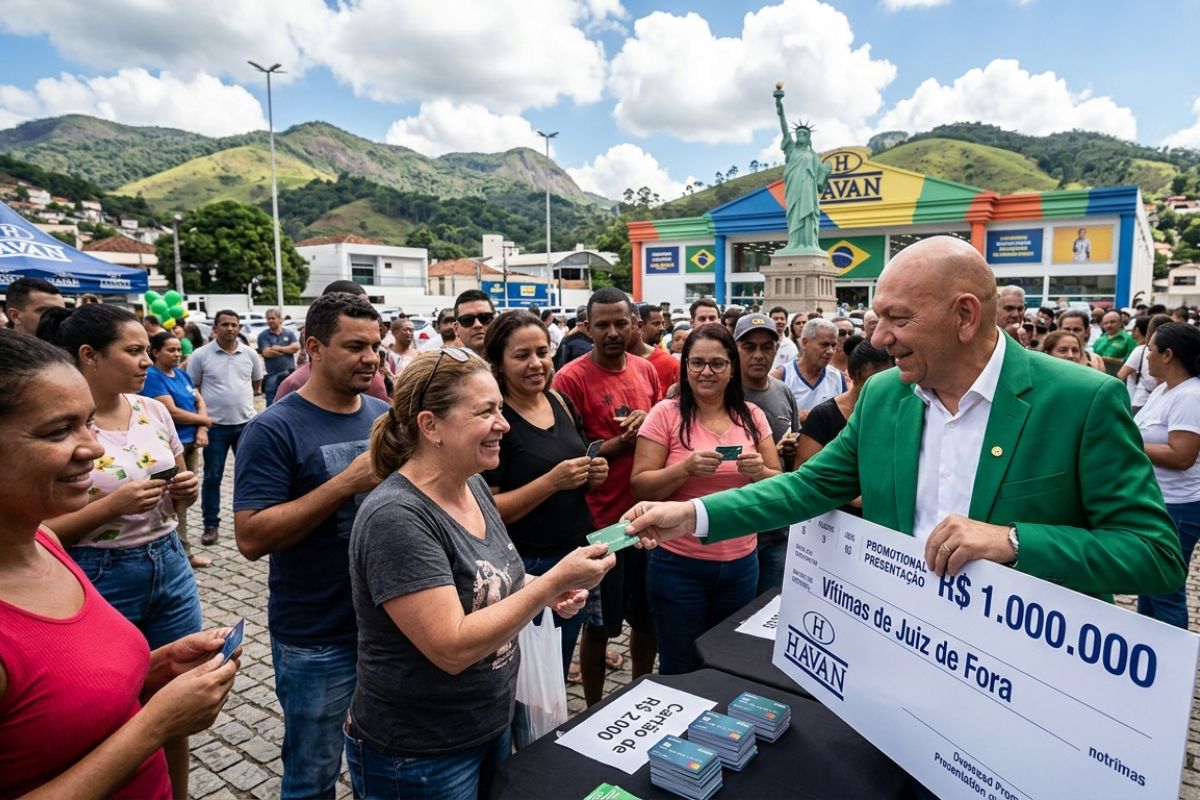
Luciano Hang, owner of Havan, goes to Juiz de Fora after the tragedy in February, brings R$ 1 million, hands out R$ 2,000 cards, and donates up to R$ 15,000 to victims in the region.
-
The Brazilian passport allows legal residence in dozens of countries without the need for a prior visa, and most Brazilians are unaware that they can apply for residency directly upon arriving in nations in South America, Africa, and even Europe.
-
Petrobras sends a message to Brazilian truck drivers after fuel collapse and reveals plan to have 100% domestic diesel.


Billion-Dollar Debt And Dependence On Dividends Become A Tension Point Within Volkswagen Control
In 2017, Hans Michel Piëch Took Out About €1.1 Billion In Loans To Buy His Brother’s Stake And Prevent Shares Of The Family Block From Ending Up On The Market. The Move Helped End An Internal Conflict, But Left The Patriarch More Dependent On Dividend Flows.
In Practice, Part Of The Clan’s Voting Power Came To Coexist With Short-Term Cash Pressure. When The Controlling Entity Wants Predictability In Dividends And The Company Needs To Retain Resources To Invest, The Clash Becomes Inevitable.
Documents Cited By Financial Media Indicate That The Structure Linked To Hans Michel Even Used Shares And Accounts As Guarantees In Banking Operations. This Reinforces The Reading That The Tension Is Not Just “Political,” But Financial.
Tight Cash Flow At Volkswagen Accelerates Cuts, Investment Revisions, And Priority Disputes
Volkswagen Has Been Signaling A Tougher Scenario For The Cash Of The Automotive Business. In A Earnings Statement, The Group Projected Net Cash Flow Around €0 In 2025, Citing Investments And Restructuring Costs.
This Tightening Appears Alongside Difficult Decisions Within Germany. The Company Has Moved Forward With Cost-Cutting Plans And Industrial Reconfiguration, In An Environment Of Weaker Sales And Intense Competition, Especially In Electric Vehicles.
In The Board, The Discussion Also Passes Through Capex. Recent Reports Point To An Investment Budget Of Approximately €160 Billion For The Next Five Years, A Number That Defines How Much Goes To Electrification, Software, Factories, And Efficiency.
The Problem Is That Every Euro Committed To Investment Today Is A Euro Less In Dividends In The Short Term. And It Is Precisely This Short Term That Has Become A Sensitive Topic For Part Of The Controlling Family.
Fortune Concentrated In VW And Porsche Amplifies The Impact Of Value Decline And Market Malaise
The Clan’s Dependence Is Not Only On Volkswagen Dividends. It Is Also In The Shareholding Structure That Concentrates Wealth In A Few Assets.
According To Public Data From Porsche SE Itself, The Holding Is The Largest Shareholder Of Volkswagen, With 53.3% Of Common Shares And 31.9% Of Subscribed Capital. In Addition, The Structure Involves A Significant Stake In Porsche AG Since Its IPO.
When The Market Reprices Volkswagen And Porsche, The Asset Effect Is Direct. Porsche SE Itself Has Already Acknowledged Significant Accounting Losses Due To Impairment In Its Main Holdings, Reflecting A Deterioration Of Expectations And Sector Volatility.
Governance Under Stress: Family, Unions, And State Divide Power And Hinder Deep Changes
Volkswagen Is Not A “Normal” Company In Terms Of Governance. Control Involves The Family Via Porsche SE, The State Of Lower Saxony, And A Historical Weight Of Unions On The Board, Which Makes Any Reform Slower And Negotiated.
Investors Have Been Criticizing This Complexity. In Assemblies And Public Statements, Governance Analysts Have Claimed That There Is A Growing Perception That Internal Power Weighs More Than Market Logic In Key Decisions.
In This Setting, Measures Such As Asset Sales, Brand Divisions, Or Generational Changes Become Explosive Topics. Even When Financial Logic Suggests Simplification, Internal Politics Often Pulls Towards The Preservation Of The Model.
The Situation Worsens When The Company Needs To Act Quickly. The Transition To Electric Cars Requires Portfolio, Technology, And Supply Chain Decisions That Do Not Combine With Paralysis.
And There Is Another Noise: When The Controlling Shareholder Needs Dividends, This Can Clash With The Need To Reinvest To Compete. The Risk Here Is To Turn Volkswagen Into A Company That Cuts The Future To Sustain The Present.
Crisis Also Hits Porsche And Reopens The Debate On Leadership And Renewal
Porsche, Central To The Family’s Fortune, Is Also Facing Turbulence. In 2025, The Company Made Significant Changes In Its Leadership, With Exits Of Executives And Reorganization Of The Finance And Sales Command.
The Pressure For Governance Reached The Top. Investors Demanded That Oliver Blume Separate His Roles Between Porsche And Volkswagen, Advocating For Full Dedication In The Face Of Simultaneous Restructuring.
In October 2025, Porsche Announced That Dr. Michael Leiters Will Take Over As CEO Starting January 1, 2026, While Blume Will Continue As CEO Of The Volkswagen Group. The Change Is Seen As An Attempt To Unlock Execution And Respond To A More Adverse Cycle, With Weak Demand And Strategy Revisions In Electrification.
If You Think Volkswagen Is Right To “Hold” Dividends To Heavily Invest In Electric Vehicles, Or If The Family And Unions Are Blocking The Future For Their Own Interests, Comment. Who Has Too Much Power In A Company This Size: The Market, The State, The Workers, Or The Family? Your Opinion Helps To Heat Up This Debate.









Enquanto isso, as empresas chinesas estão avançando a passos largos. O Trump tá tentando de tudo para frear isso, mas não vai adiantar. No prazo de 5 a 10 anos veremos grandes mudanças no mercado, e não duvidemos que grandes e tradicionais empresas ocidentais sejam compradas por chinesas, como último recurso antes para evitar a falência.