





 Portuguese
  English
  Spanish
  3 min of reading
  0 comments


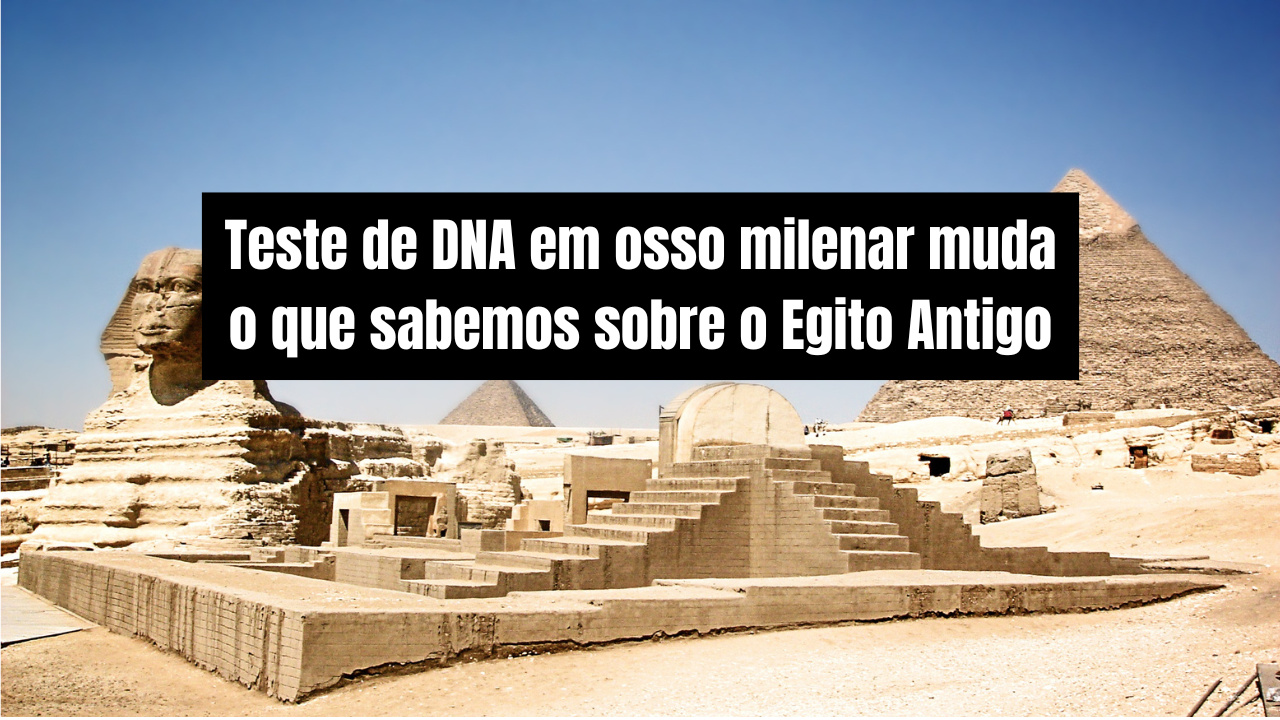
DNA Test on 4,500-Year-Old Bone Reveals Genetic Connection Between Ancient Egypt and Mesopotamia, Rewriting the History of Ancient Civilizations.
A new genetic discovery could rewrite part of the history of the world’s oldest civilizations. A DNA test conducted on a 4,500-year-old bone found in Egypt revealed a surprising biological connection between Ancient Egypt and the ancient Mesopotamia, now part of modern Iraq.
This is the first direct genetic evidence of migration between the two ancient civilizational powers, shedding light on how ideas and technologies may have circulated in the Fertile Crescent.
The analysis was performed on the inner ear bone of a male skeleton buried in the village of Nuwayrat, about 265 km south of Cairo.
-
Airbus and Mercedes take the G-Class to the skies: the ACH145 helicopter priced at R$ 78 million debuts in São Paulo, unit goes to Brazilian, AMG cabin, 5-blade rotor, and a 2-year wait.

-
New material could change everything: it is the thickness of an atom, 200 times stronger than steel, and 100,000 times thinner than a human hair.

-
A new study published in Nature reveals that the SLIT3 protein can increase calorie burning by activating brown fat in the body, functioning as a kind of “biological switch.”

-
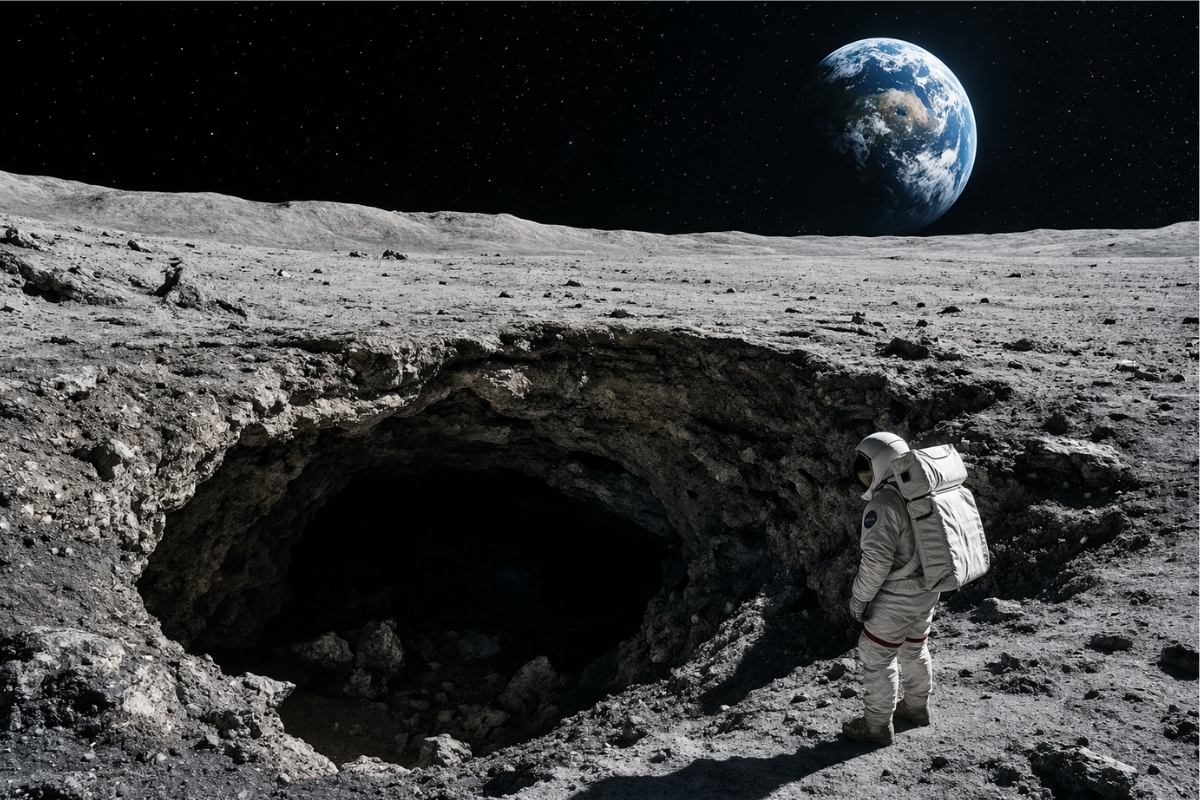
New signals detected by NASA suggest that the Moon may hide accessible underground cavities, after data from Mini-RF indicated a conduit over 60 meters beneath a lunar pit.

The man, who lived between 4,500 and 4,800 years ago, was likely a potter, according to the analysis of his bones. He was buried in a ceramic urn, during a period prior to the practice of artificial mummification, which allowed for the partial preservation of his genetic material.
Scientists found that approximately 20% of this man’s DNA originates from Mesopotamian populations. This is an unprecedented revelation that confirms, for the first time, the existence of direct migratory flow between the regions.
The discovery reinforces the thesis that the development of the earliest civilizations did not occur in isolation, but rather through cultural and technological exchanges.
Knowledge Exchange and Agricultural Revolution
Mesopotamia is recognized as the cradle of agriculture and writing. So far, indications that these innovations directly influenced Ancient Egypt were only archaeological, lacking concrete evidence of contact between the peoples. This gap was filled with the analysis led by Pontus Skoglund from the Francis Crick Institute in London.
According to Skoglund, the genetic study offers a new way to view the past, allowing scientists to understand history not only from written records—often centered on elites—but also from the evidence left by common people.
Adeline Morez Jacobs, a doctoral student at John Moores University in Liverpool, emphasizes, “This is the first clear evidence of significant migration and information exchange between the two civilizational centers of antiquity.”
The Common Man Who Became a Historical Protagonist
At around 1.57m tall, the analyzed man exhibited marks on his skeleton indicating a life of intensive labor. Joel Irish, a professor at John Moores University, studied the bones and identified signs that he spent long periods seated on hard surfaces and moved his arms repeatedly—characteristics associated with the pottery trade.
Moreover, the analysis of the teeth revealed his diet, typical of Egypt, confirming that he grew up in the Nile Valley region. In other words, despite having Mesopotamian ancestors, the individual lived and worked as an Egyptian, reinforcing the thesis of integration and miscegenation between cultures.
An Almost Lost Relic of Ancient Egypt
The analyzed skeleton was discovered in 1902 and donated to the World Museum in Liverpool. By a stroke of luck, it survived the bombings of World War II that destroyed most of the museum’s human collection. Now, more than a century later, it becomes a key piece in reconstructing the ancient history of Egypt.
Linus Girdland Flink, also involved in the study, highlights, “We have shown that some of this man’s ancestors came from the Fertile Crescent, which emphasizes the complexity and mixing of peoples even at that time.”
Scientists expect that new DNA analyses of bones from Ancient Egypt will reveal more accurately when this migration began, what its scale was, and how it influenced the flourishing of one of the most fascinating civilizations in history.









Seja o primeiro a reagir!