





 Portuguese
  English
  Spanish
 5 min of reading
  0 comments


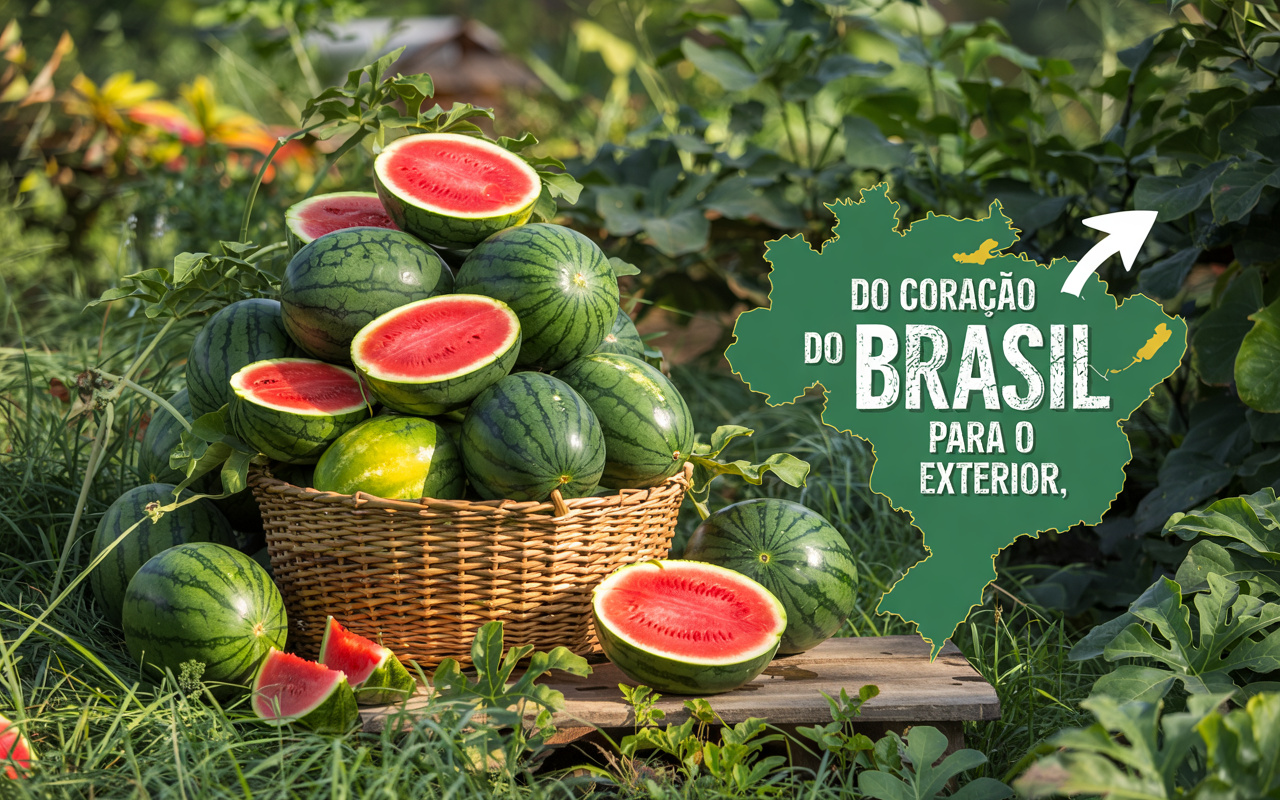
Tocantins Sets Record for Watermelon Production in 2025, Moving Thousands of Tons and Starting Exports to African Countries, Opening a New Global Route and Establishing Itself as the Second Largest Brazilian State in Production.
In the heart of Brazil, Tocantins has transformed from an emerging state in livestock and grain production to one of the country’s major fruit hubs. And among all fruits, watermelon is the shining star. In 2025, production hit historic records with thousands of tons harvested and distributed to various markets both inside and outside Brazil.
This is no longer just a subsistence crop or small family producers: Tocantins has taken the lead as the national watermelon supplier, with irrigated areas supporting large-scale harvests. The fruit, which previously dominated the markets in the Northeast and Southeast, is now gaining traction in African markets, opening a new route for Brazilian fruit cultivation.
Record Production in the Cerrado
The watermelon harvest in Tocantins surprises even the most experienced producers. According to the Secretary of Agriculture and Livestock, the state has already surpassed thousands of hectares cultivated, with productivity exceeding the national average.
-
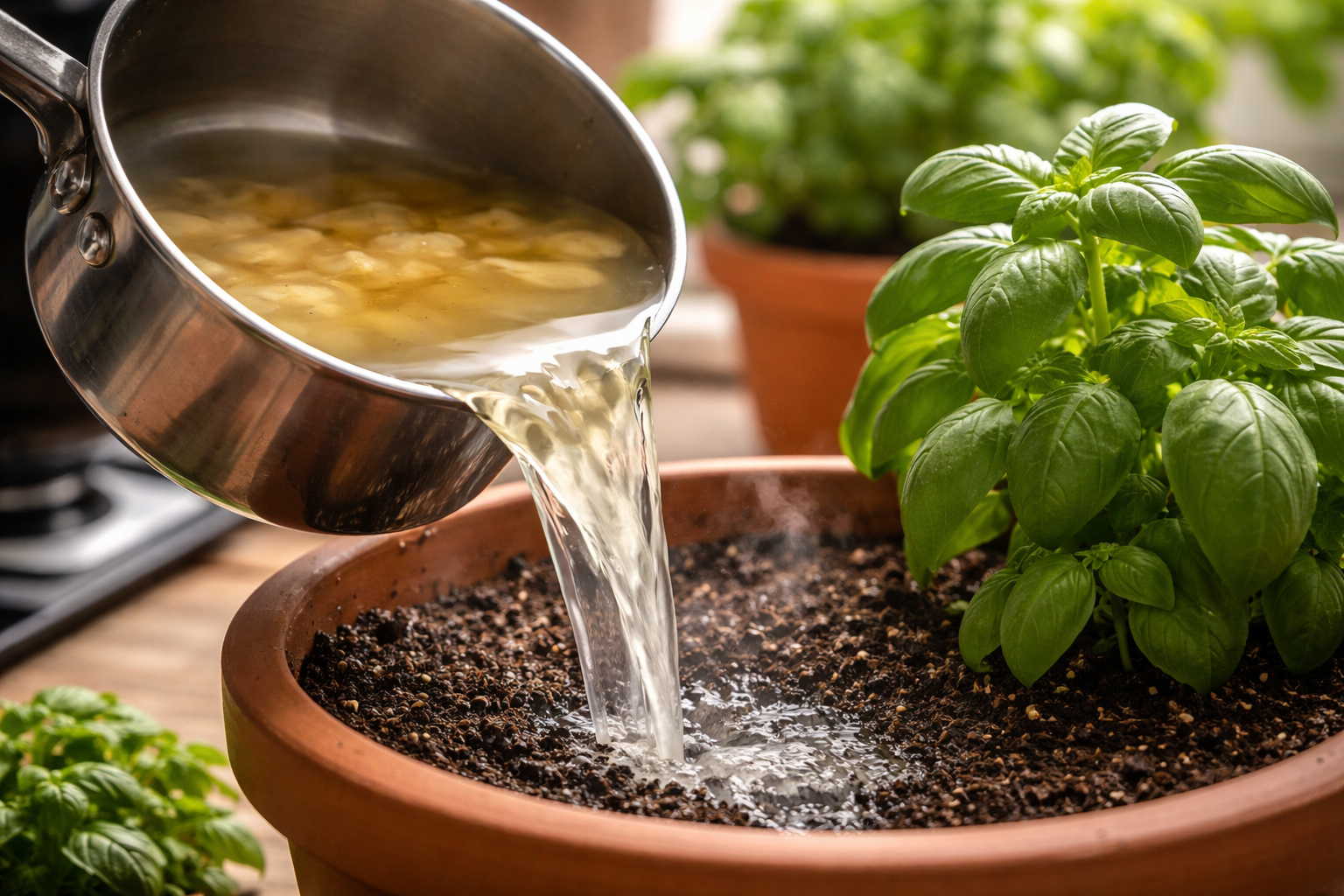
The water that almost everyone throws away after cooking potatoes carries nutrients released during the preparation and can be reused to help in the development of plants when used correctly at the base of gardens and pots, at no additional cost and without changing the routine.
-
The sea water temperature rose from 28 to 34 degrees in Santa Catarina and killed up to 90% of the oysters: producers who planted over 1 million seeds lost practically everything and say that if it happens again, production is doomed to end.

-
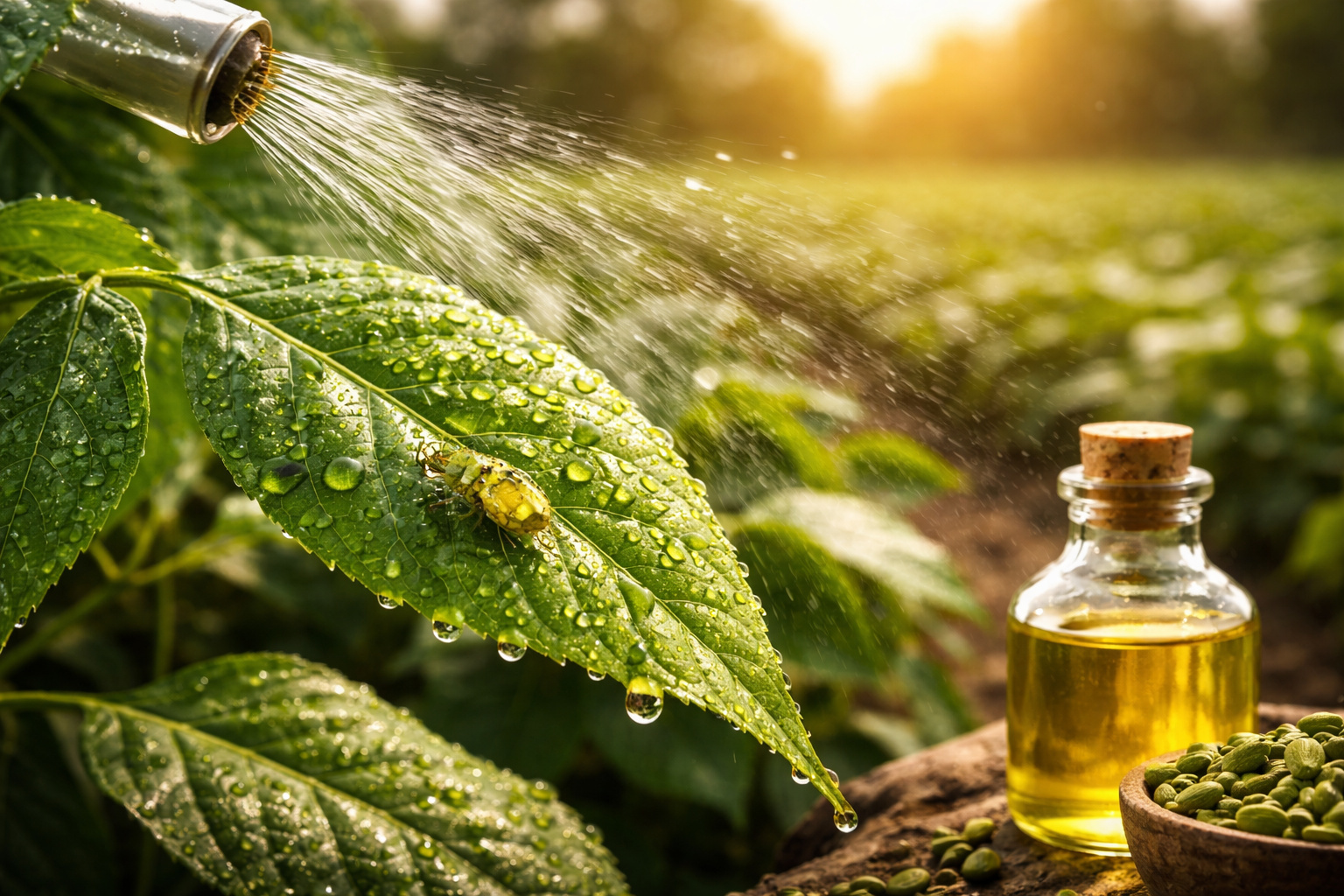
An Indian tree that grows in the Brazilian Northeast produces an oil capable of acting against more than 200 species of pests and interrupting the insect cycle, gaining ground as a natural alternative in soybean, cotton, and vegetable crops.
-
The rise in oil prices in the Middle East is already affecting Brazilian sugar: mills in the Central-South are seeing their margins shrink just as ethanol gains strength.


The climate, once seen as an obstacle, has become an ally. The combination of intense heat, water availability through irrigation, and fertile Cerrado soil has allowed Tocantins to achieve yields of up to 40 tons per hectare, figures that place the state at the top of national rankings.
Trucks loaded with watermelon depart daily from cities like Formoso do Araguaia, Lagoa da Confusão, and Gurupi, heading to consumer centers such as São Paulo, Minas Gerais, and Rio de Janeiro. In 2024 alone, over thousand trucks were exported to different states and also to neighboring countries.
The International Route and Conquering Africa
The most impressive leap happened in 2025: part of Tocantins’ production began to be directed to African countries, especially in the North and West of the continent.
Exports to the African market are still small in volume, but they have enormous symbolic value — proof that Tocantins fruit cultivation is no longer restricted to the domestic market or neighboring South American countries.
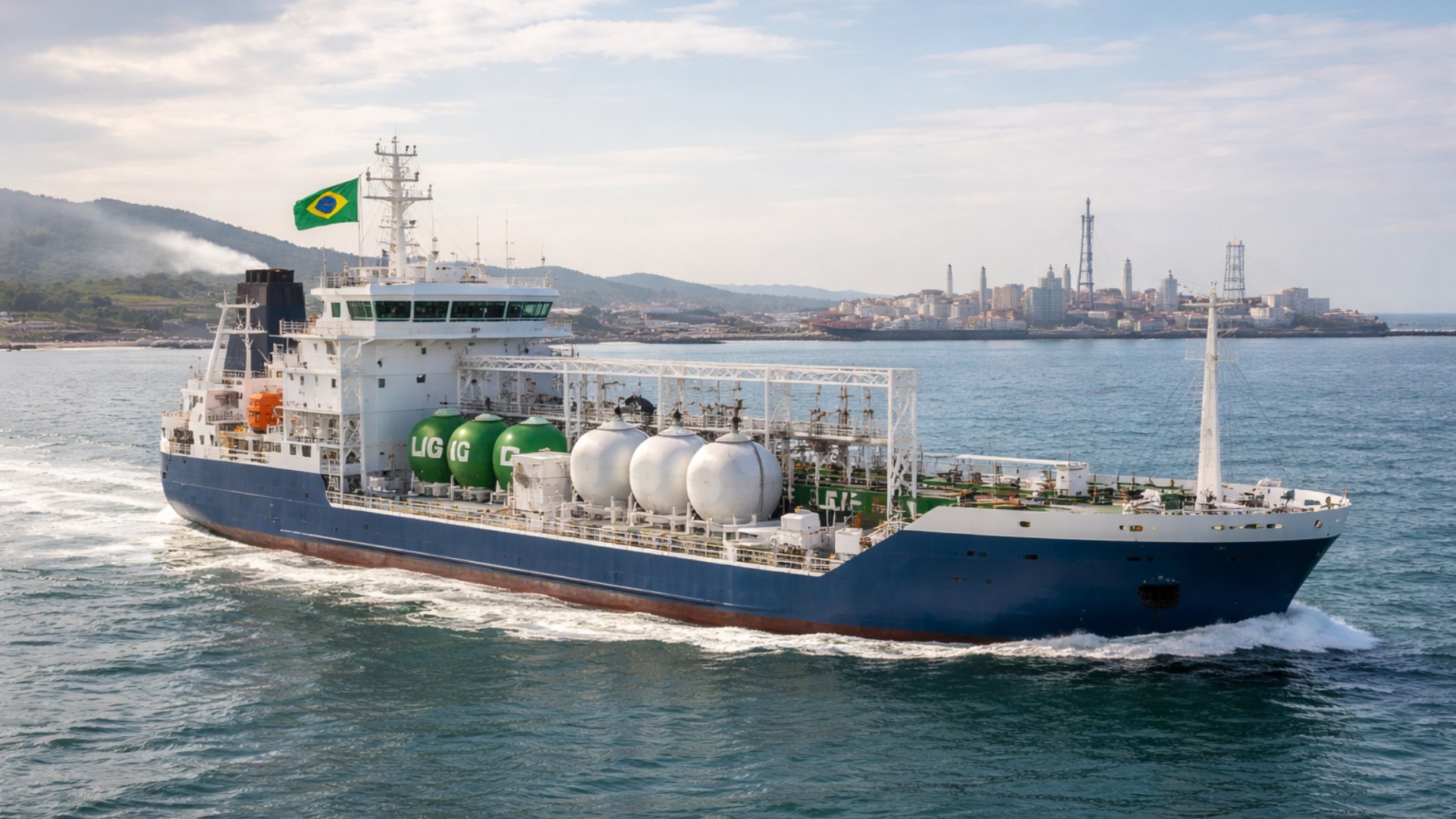
According to the Secretary of Foreign Trade, the first shipments of watermelon to Africa were sent via the Port of Itaqui (MA), taking advantage of logistical proximity. The new route solidifies Tocantins as a strategic supplier in a continent that is expected to double its population by 2050 and increase its demand for food.
Economic and Social Impact
The growth of the watermelon chain in Tocantins is also a story of social transformation. The crop employs thousands of seasonal workers in each harvest, boosting the local economy and generating income in municipalities that were previously solely dependent on extensive livestock farming.
Small and medium producers also benefit: many participate in cooperative and association programs, which help with joint sales, purchasing inputs, and access to larger markets. Additionally, the National School Feeding Program (PNAE) has already incorporated Tocantins’ watermelon into school meals, securing a destination for part of the production and improving the nutrition of children in public schools.
The Technology That Drives the Field
The expansion was only possible thanks to the incorporation of modern technologies. Watermelon cultivation in Tocantins now involves drip irrigation, drones for crop monitoring, soil sensors, and the use of high-yield hybrid seeds.
Producers claim that initial investment is high, but the return is worth it: on average, each hectare of watermelon can yield net profits of up to R$ 15 thousand per harvest, depending on productivity and market conditions. With short cycles — about 90 days from planting to harvest — it is possible to conduct two or even three harvests per year, further increasing profitability.
Comparison with Other States
Traditionally, states like Rio Grande do Norte, Bahia, and Goiás have led the production of irrigated fruits for export. But in 2025, Tocantins emerges as the new agricultural frontier of Brazilian fruit cultivation.
While RN focuses on cantaloupe, exporting 350 thousand tons annually to Europe, Tocantins bets on watermelon as its flagship. The state already stands out in national supply and is now starting to position itself internationally, in a move that could make it a global reference by the end of the decade.
Despite the impressive growth, there are still hurdles. The biggest of these is logistics: poor roads and high transportation costs limit the competitiveness of Tocantins watermelon. Additionally, the lack of cold storage and storage centers close to production areas increases costs for distribution.
Another challenge is the price fluctuation in the domestic market. In years of abundant harvests, watermelon can be sold at very low prices, reducing producers’ profit margins. Thus, exporting is more than an opportunity: it is essential to balance the market and ensure stability in the production chain.
The Future: Consolidating the External Market
The next step is to consolidate the presence of Tocantins watermelon in the African market and expand to Europe and Asia. There are already negotiations underway for sending refrigerated containers directly to the Port of Rotterdam in the Netherlands, the main entry point for fruit in the European continent.
If successful, the initiative could place Tocantins on par with other Brazilian fruit-growing hubs such as the São Francisco Valley. The sector’s expectation is that, by 2030, the state will export over 50 thousand tons of watermelon per year, consolidating its position in global trade.
From the Cerrado to the World
The case of watermelon in Tocantins is an example of the transformative potential of Brazilian agribusiness when allied with technology and productive organization. From a crop seen as secondary, the state has built a hub that now supplies the country and is already gaining ground overseas.
The challenge now is to improve infrastructure, expand markets, and ensure that growth is sustainable and inclusive. What is already clear is that, in 2025, Tocantins has moved from being just an emerging state to becoming a protagonist in a story that connects the heart of Brazil to the world, with watermelon as the green and sweet ambassador of its productive strength.







-

-

-

-

21 pessoas reagiram a isso.