





 Portuguese
  English
  Spanish
  4 min of reading
  0 comments


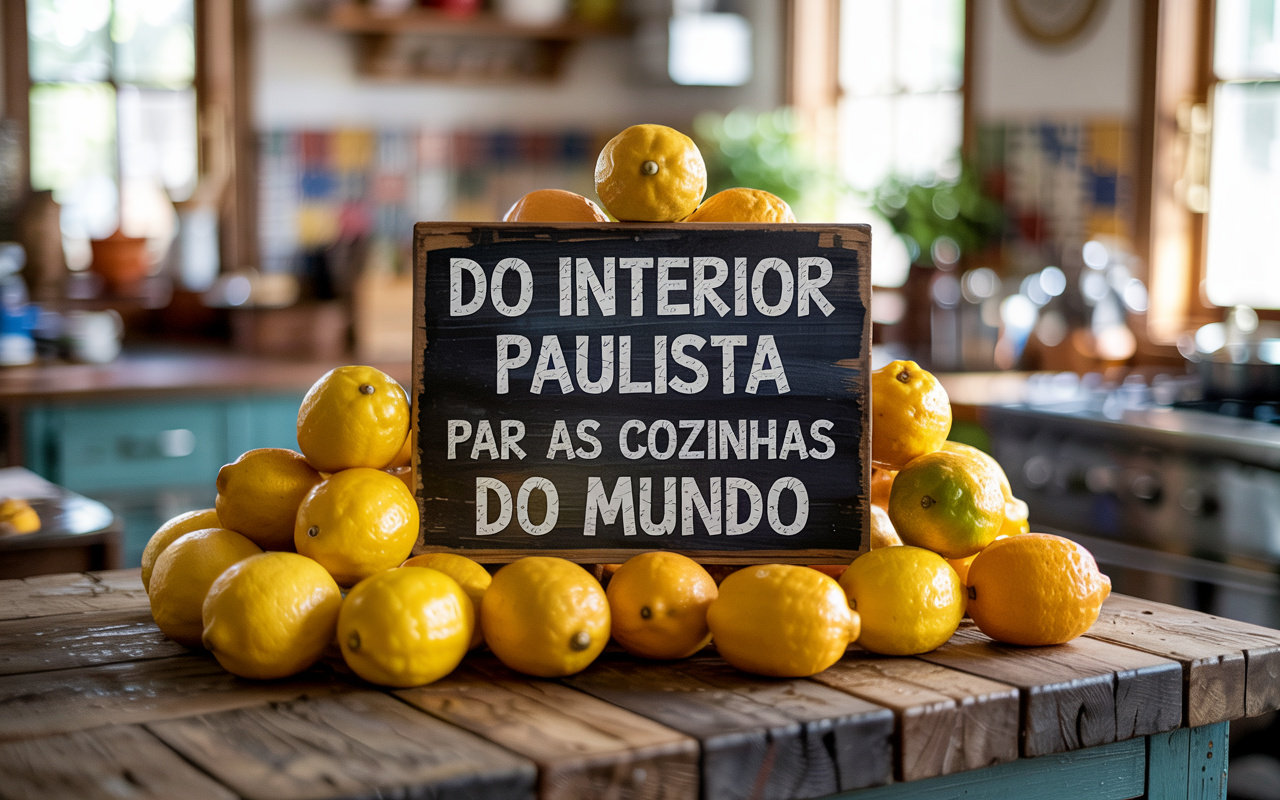
Brazil Exports More Than 80 Thousand Tonnes of Lime in the 1st Semester of 2025, with São Paulo Leading Shipments to Europe and Conquering New Billion-Dollar Markets.
The Tahiti lime, an essential fruit on Brazilian tables and increasingly valued abroad, has become the protagonist of a success story in the national agribusiness. In 2025, Brazil reached a historic milestone: more than 80 thousand tonnes of lime were exported in the first semester alone, according to data from the Secretariat of Foreign Trade (Secex). The highlight is the state of São Paulo, responsible for more than 90% of exports, solidifying its position as the global epicenter of production.
These numbers represent not only the strength of the agribusiness but also a shift in levels: Brazilian lime is now present in the kitchens and supermarkets of dozens of countries, with Europe as the main destination. This progress establishes the fruit as a potential billion-dollar product, alongside mangoes, grapes, melons, and other stars of fruit cultivation.
São Paulo: The Hub of Lime
Today, São Paulo is the largest lime-producing region on the planet. With favorable climate, fertile soil, and investment in agricultural technology, the state accounts for the majority of the 80 thousand hectares cultivated in Brazil.
-
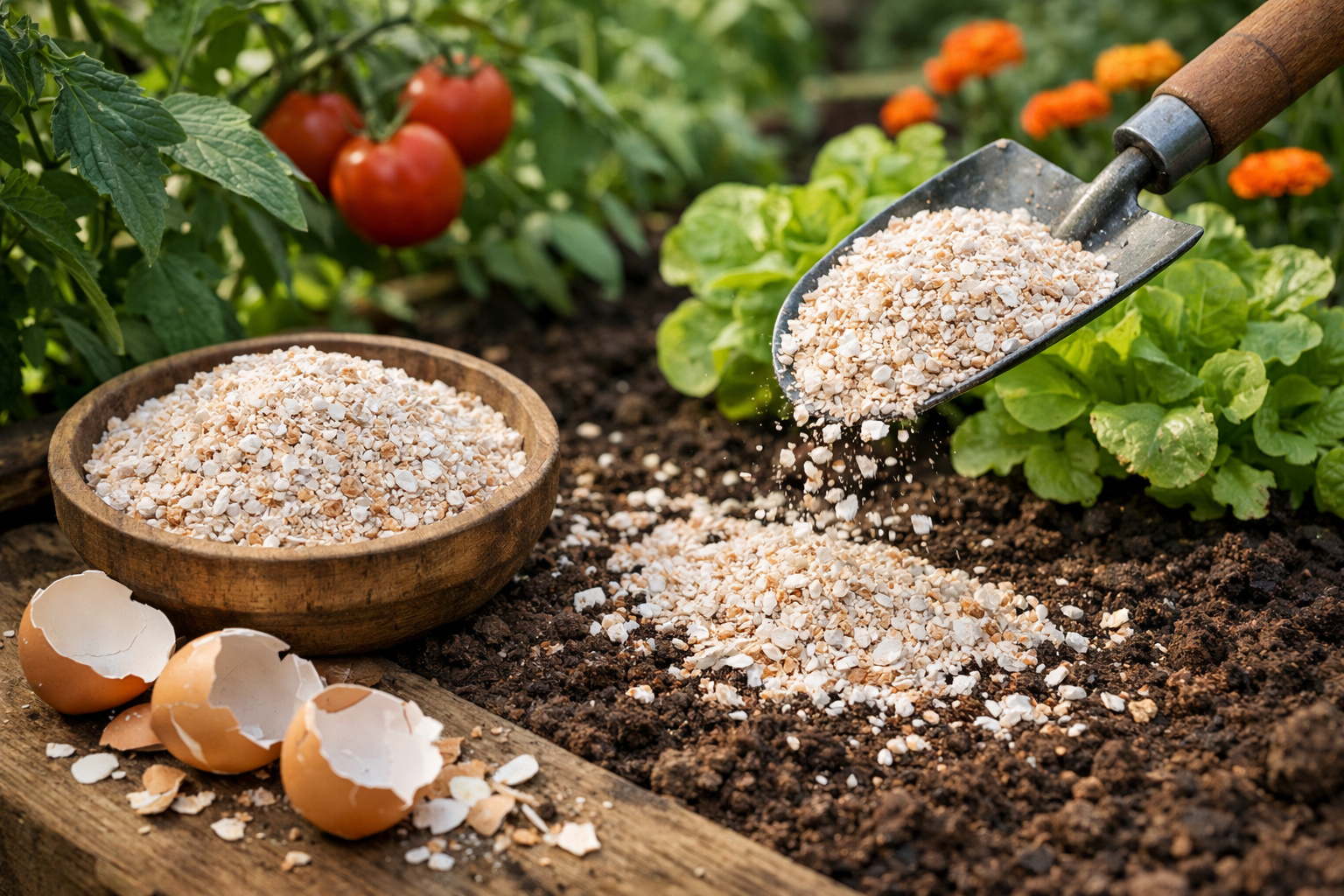
The eggshell that almost everyone throws away is made up of about 95% calcium carbonate and can help enrich the soil when crushed, slowly releasing nutrients and being reused in home gardens and vegetable patches.
-
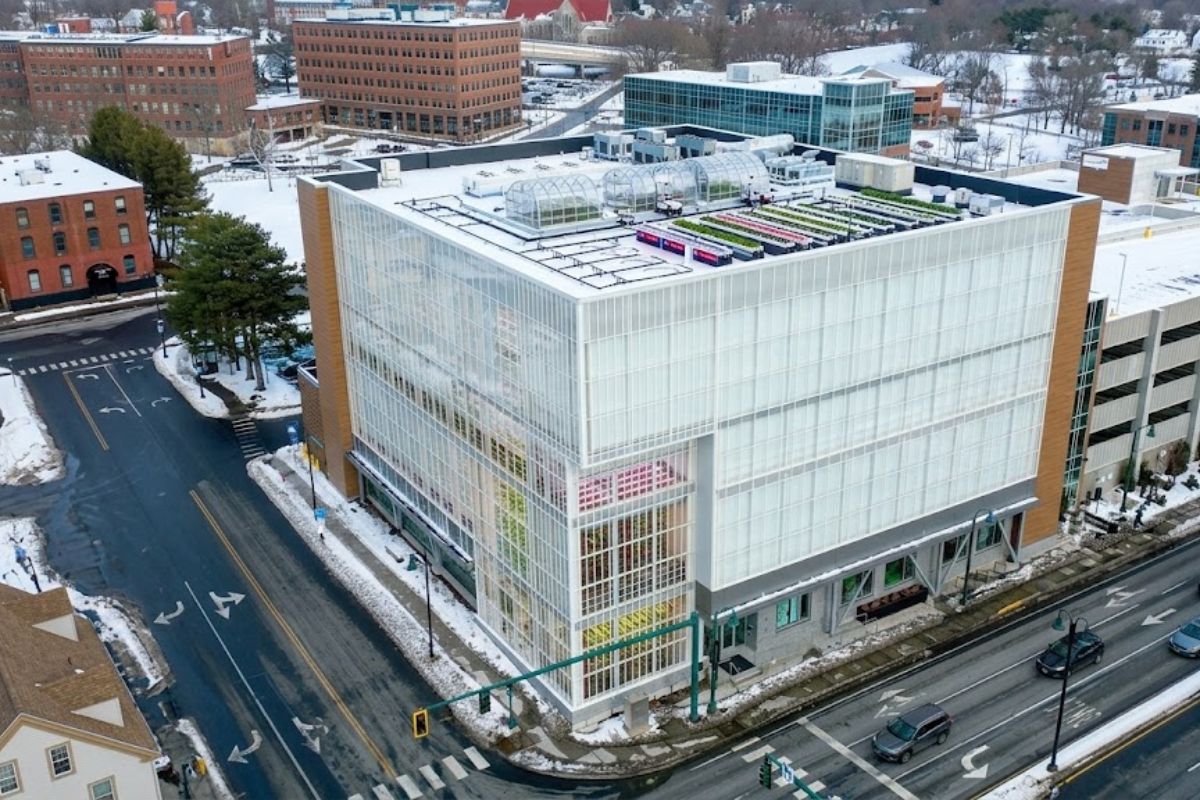
This farm in the United States does not use sunlight, does not use soil, and produces 500 times more food per square meter than traditional agriculture: the secret lies in 42,000 LEDs, hydroponics, and a system that recycles even the heat from the lamps.
-
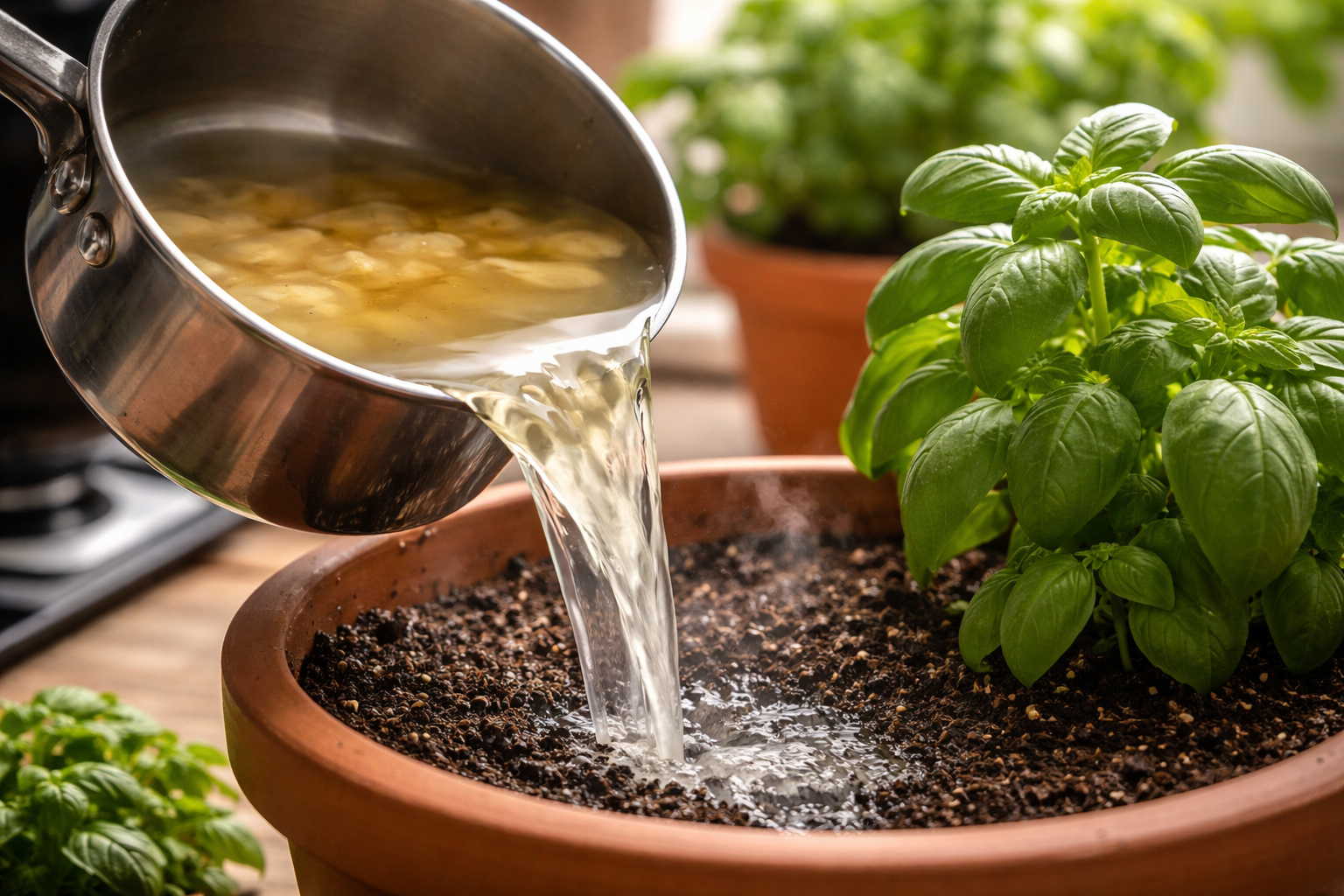
The water that almost everyone throws away after cooking potatoes carries nutrients released during the preparation and can be reused to help in the development of plants when used correctly at the base of gardens and pots, at no additional cost and without changing the routine.
-
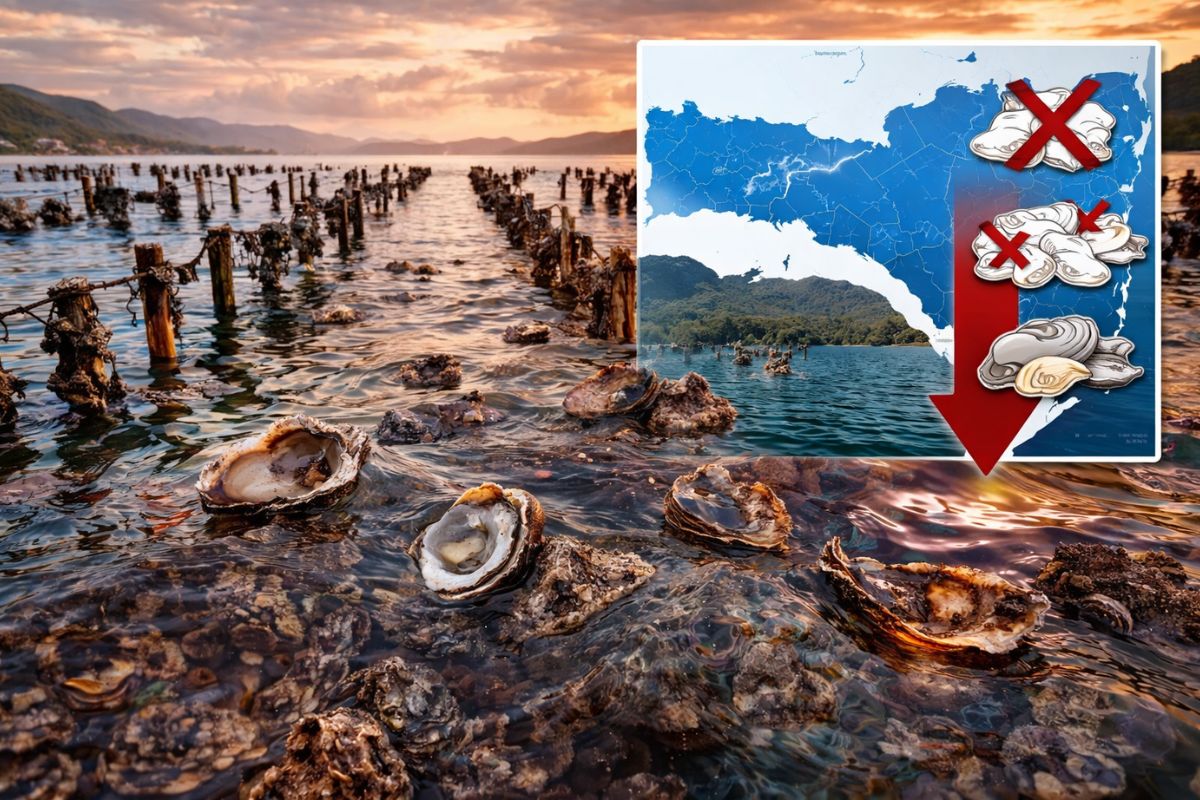
The sea water temperature rose from 28 to 34 degrees in Santa Catarina and killed up to 90% of the oysters: producers who planted over 1 million seeds lost practically everything and say that if it happens again, production is doomed to end.

Regions such as Itajobi, Catanduva, and Limeira have become exporting hubs, with highly mechanized crops integrated into cooperatives and large companies.
In 2025, São Paulo’s lime exports totaled US$ 72 million in the first semester alone. Europe leads consumption, particularly Germany, the Netherlands, and the United Kingdom, where Brazilian lime has become a reference for quality, size, and flavor.
The Economic Impact
The lime sector is not just agricultural: it is a production chain that generates thousands of direct and indirect jobs. From planting to export, the fruit generates income for rural workers, transport companies, ports, and even restaurants.
According to the National Association of Fruit Exporters (Abrafrutas), Brazil has the potential to double its revenue from lime by 2030, reaching US$ 500 million annually, if it expands trade agreements with Asia and North America.
Brazilian Lime in Europe
If it is essential in caipirinhas, in Europe the Tahiti lime has turned into a luxury ingredient. Michelin-starred restaurants utilize the fruit in gourmet dishes, cocktails, and desserts, while supermarkets sell it as a premium product.
The less acidic flavor and uniform size, resulting from genetic selection work and agricultural management, have made Brazilian lime highly competitive compared to countries like Mexico and Argentina. By 2025, Brazil already dominates about 30% of European imports of green lime.
Technology and Sustainability in the Field
The success of São Paulo lime would not be possible without technology. Producers have adopted drip irrigation, soil sensors, and mechanized harvesting, increasing productivity and reducing costs. Additionally, there is strong investment in international sustainability certifications, required by major European retail chains.
Traceability programs allow monitoring each batch of fruit from the field to the shelf of supermarkets in Berlin or Amsterdam. This transparency gives Brazilian lime a competitive edge in an increasingly demanding market.
The Logistics Challenge
Despite the impressive numbers, there are still bottlenecks. The cost of transportation to the ports, combined with a lack of refrigerated storage infrastructure, drives up the final price of lime abroad.
Producers advocate for investments in logistical corridors and greater efficiency in ports to ensure competitiveness against rival countries.
Another challenge is seasonality: Brazilian production still faces price and supply fluctuations, which could be smoothed out with an expansion of irrigated areas and long-term export contracts.
The Expansion into New Markets
While Europe is already a consolidated reality, the focus is now on Asia and the Middle East. China and the United Arab Emirates are seen as strategic markets for the coming years, especially given the growth of the middle class in these countries.
Brazil is already negotiating new phytosanitary agreements to expand the list of destinations, and experts project that by 2030, Tahiti lime may be present in more than 60 countries, elevating the fruit to the same global status as Brazilian orange.
The Symbol of the Strength of Brazilian Fruit Cultivation
The story of São Paulo lime is a portrait of the transformation of Brazilian agribusiness. From a simple fruit consumed in the everyday lives of families, it has become a billion-dollar export product, showcasing Brazil’s name in kitchens, bars, and restaurants around the world.
More than just figures, lime represents innovation, job creation, and strengthening the country’s image as a global agricultural power. In 2025, it became clear that the green that comes from São Paulo farms is not just from the fruit, but also from the hope of new businesses and opportunities for Brazil.









-

-

3 pessoas reagiram a isso.