





 Portuguese
  English
  Spanish
  4 min of reading
  0 comments


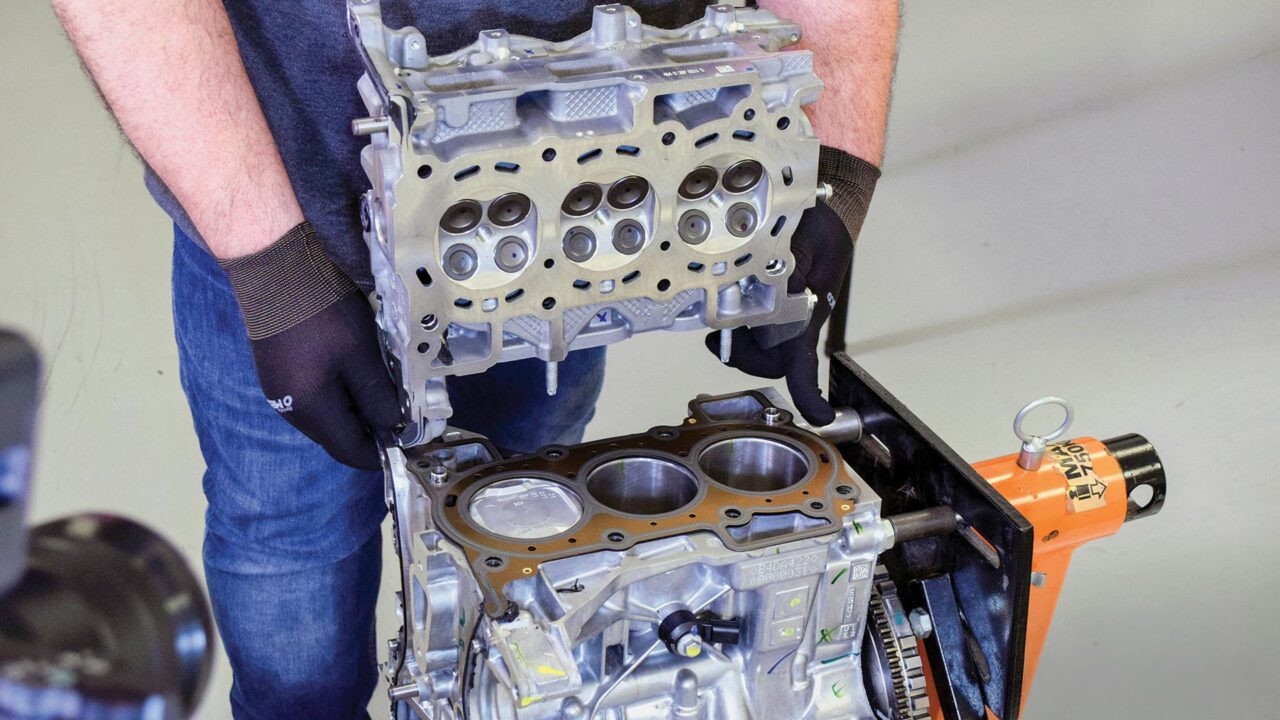
Oil-Bathed Belt, Burnt Coils, and Blown Bushings: See the 3 Cylinder Engines That Cause the Most Damage in Brazil
In recent years, 3 cylinder engines have become a craze in Brazil. Marketed as the perfect solution for fuel economy and efficiency, they quickly dominated the streets.
However, reality has shown that the promise of low consumption and modernity doesn’t always come with durability. Many of these engines have begun to incur high maintenance costs and serious problems, even in cars with less than 50,000 km on the odometer.
At first, everything seemed ideal: compact engines, attractive specifications, and reduced consumption. However, time revealed recurring defects such as excessive vibration, electrical failures, premature wear of parts, and even heavy engine repairs. The result has been frustration for owners and crowded workshops.
-
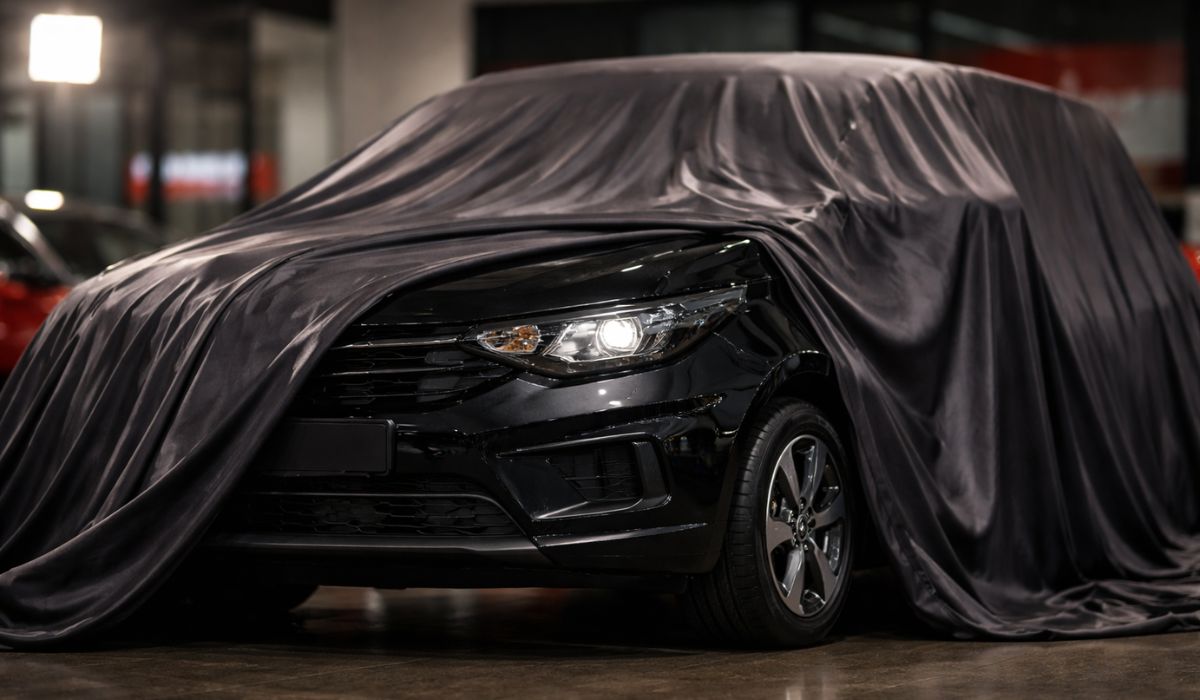
The car stored for 38 years: when opening the barn door, what appears is breathtaking and looks like a scene from a movie!

-
Fiat works miracles in the Brazilian market, lowers the price of its 0 km hatch to R$ 69,990, reestablishes the model as the cheapest car in the country, and reignites the battle against Kwid and C3.
-
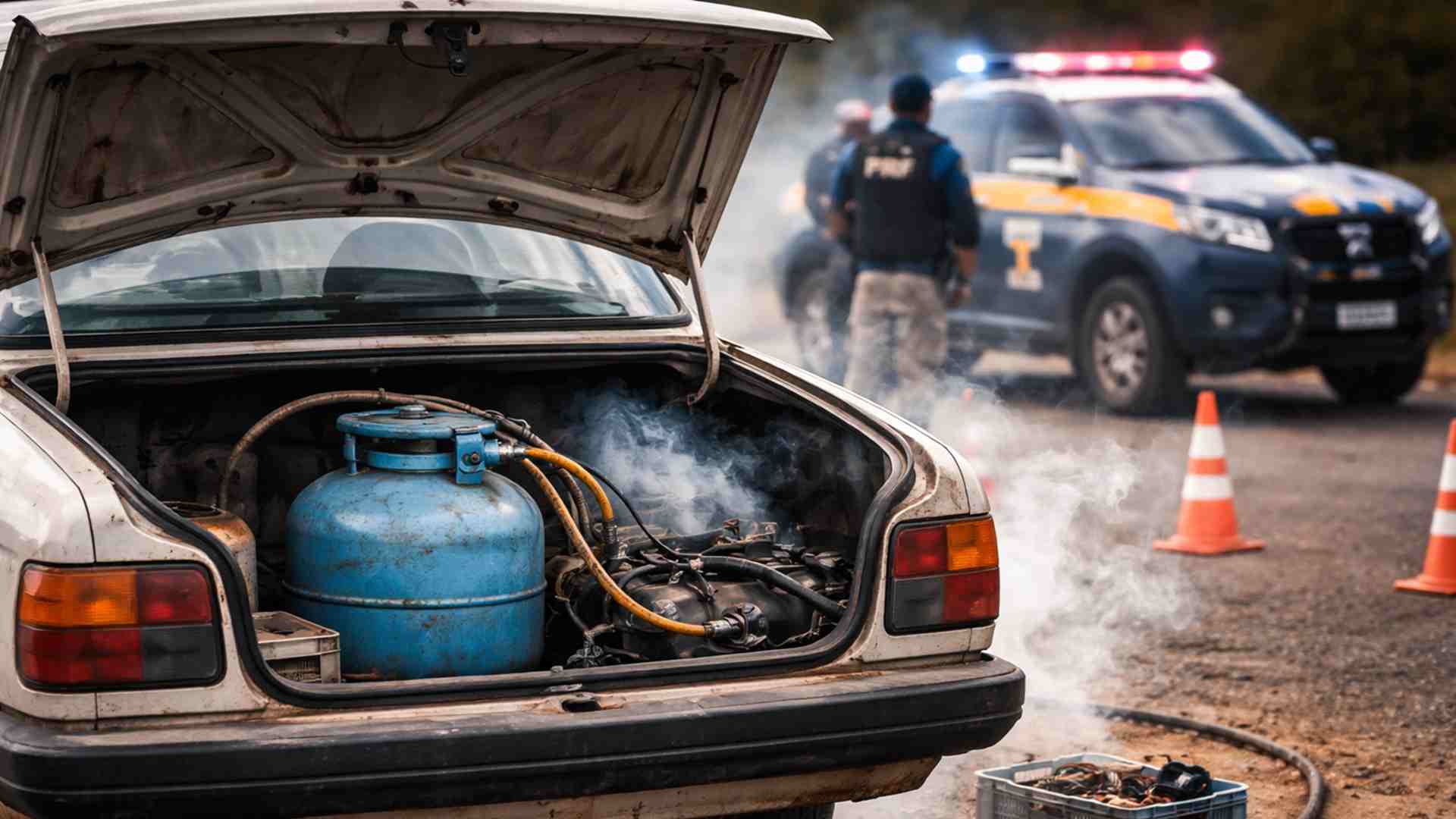
Chevette with cooking gas: How the gas cylinder ends up being used in cars clandestinely and why this makeshift solution can result in leaks, explosions, damaged engines, and seized vehicles.
-
Fiat launches the new 2027 Toro hybrid with 48V, 176 hp, an electric motor of 15.5 hp, a 0.85 kWh battery, up to 7% fuel savings, 8% fewer emissions, and possible exemption from IPVA.


If you are considering buying a used car with this type of engine, it’s good to know which models accumulate the most complaints and why mechanics recommend caution.
GM 1.0: From Sales Success to the Nightmare of the Oil-Bathed Belt

The 1.0 engine from GM, used in Onix, Prisma, and Tracker, is one of the most criticized. Both in its naturally aspirated and turbo versions, it has brought an unexpected problem: the oil-bathed timing belt.
In theory, it would be more durable and quieter. In practice, it falls apart prematurely and releases debris that clogs the oil pump’s pickup.
The lubrication pressure drops, and if the driver doesn’t notice in time, the engine can simply seize. There are reports of owners who followed all the maintenance schedules and still suffered the same loss.
Another weak point is the vacuum pump, made of bakelite, which can’t withstand high temperatures and compromises the brake system. The result: a popular engine that requires extreme vigilance.
Ford 1.0 Ti-VCT: The “Trimilique” of Workshops
In the Ford Ka, the 1.0 Ti-VCT engine became famous for its excessive vibration. The nickname “trimilique” caught on because the car shakes so much that it seems to be falling apart.
This vibration is not just annoying: it causes failures in the wiring harness, wear on the coils, problems in the throttle body, and even disconnects battery terminals. All of this can happen even in cars with low mileage.
The engine is also sensitive to the type of oil used. If it’s not the specific one recommended by the manufacturer, some parts start to wear out prematurely. For many owners, the unexpected costs have made the Ka an unfeasible option.
Fiat Firefly 1.0: Reliable on Paper, Expensive in Practice
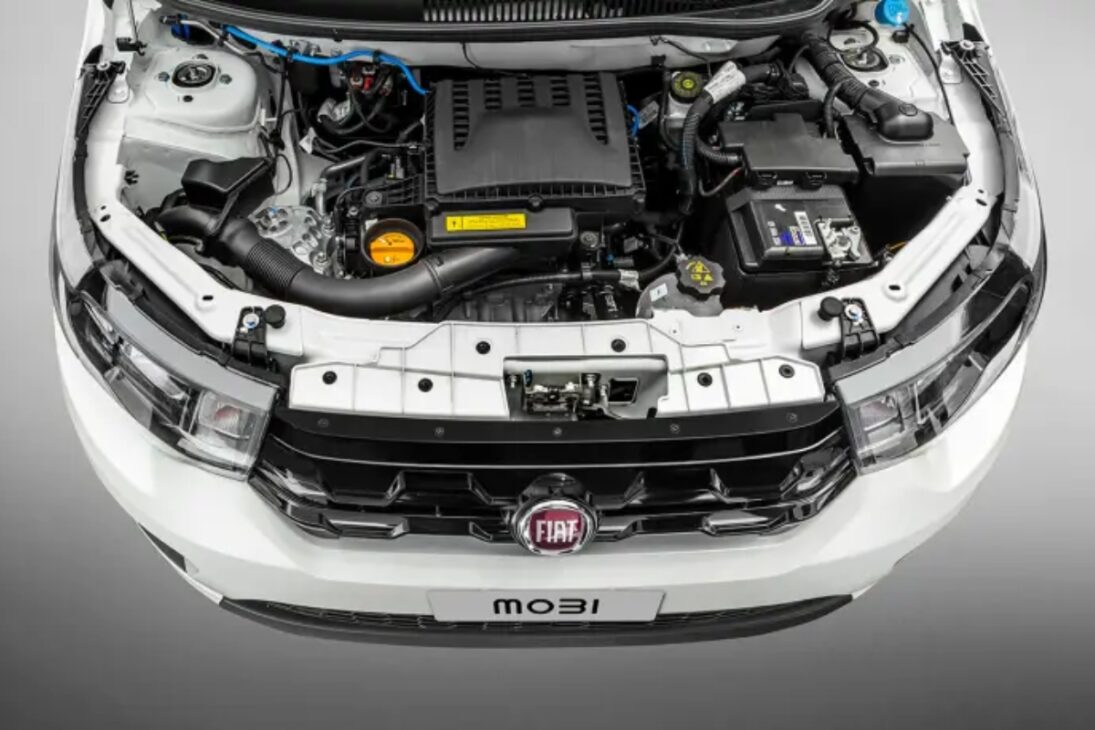
The Firefly 1.0 equips models such as Mobi, Argo, and Uno. It introduced the timing chain as a differential, but has proven to be less reliable than it seemed.
During maintenance, if the engine is turned in the opposite direction, the chain can skip timing, requiring complete disassembly to correct.
In addition, the water pump frequently fails, which can mix oil and water, complicating diagnostics and leading workshops to remove the cylinder head unnecessarily.
The engine mounts also break easily and are expensive. There are reports of owners spending over R$ 3,000 just to resolve this set of problems.
Renault SCe 1.0: Noise, Oil, and Burnt Coils
In the Kwid, Logan, and Sandero, the SCe 1.0 engine quickly accumulated criticism. The wear on the camshaft causes a noticeable metallic noise even in cars with just 30,000 km, giving the impression of a much older vehicle.
In addition to the noise, there are oil leaks from the valve cover and excessive consumption, forcing owners to carry extra liters in the trunk. The frequent burning of coils, caused by excess heat in the area, adds to the headaches.
What should be a simple and economical engine has turned into a constant source of unpleasant surprises.
PureTech 1.2: The Modern Bet That Became a Problem
In Peugeot and Citroën, the PureTech 1.2 engine seemed to be the most advanced among the 3 cylinders. Equipping models like 208, C3, and 2008, it offered lightness and efficiency, but the technology of the oil-bathed timing belt became its biggest trap.
Just like in the case of GM, the belt disintegrates ahead of schedule, releasing debris that clogs the lubrication system. This causes accelerated wear and can even seize the engine. The risk is high even for those who strictly follow preventive maintenance.
Another detail is that replacing this belt requires specific skills: the variable pulleys must be manually unloaded. If the procedure is poorly executed, the car leaves the workshop out of alignment. A mistake that can be costly.


Buying a Used 3 Cylinder: Exercise Extra Caution
Bringing home a used car with a 3 cylinder engine requires caution. It’s important to talk to those who have owned the model, research reports in forums, watch videos from mechanics, and not be swayed solely by low consumption.
True savings are those that preserve your peace of mind. After all, an engine that is cheap to fuel but expensive to maintain may end up costing you much more than you imagined.










-

Uma pessoa reagiu a isso.