





 Portuguese
  English
  Spanish
 4 min of reading
  0 comments


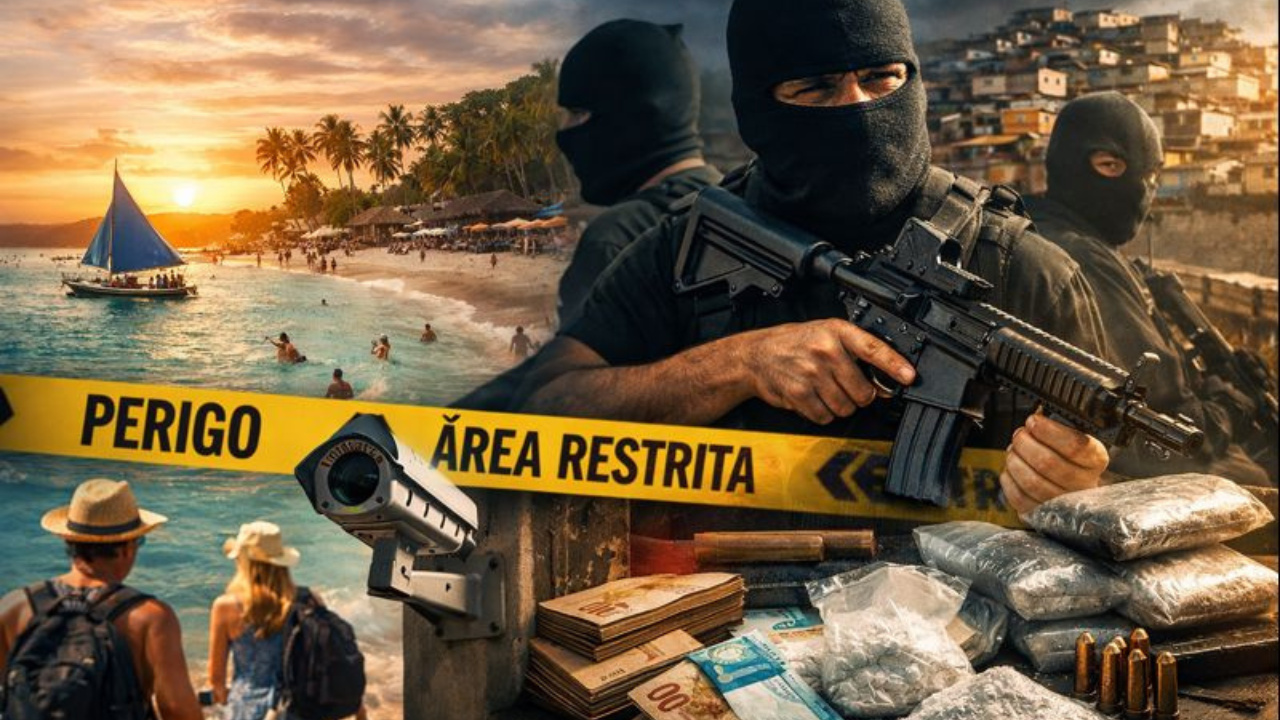
Paradisiacal Beaches Hide Parallel Power, Criminal Factions, and Drug Trafficking Affect Tourism in the Northeast.
The expansion of criminal factions to some of the most sought-after beaches for tourism in the Northeast has raised alarms in Porto de Galinhas (PE), Pipa (RN), and Jericoacoara (CE).
Residents report visible drug trafficking, “lookouts” on the streets, episodes of urban violence, and informal rules from parallel power to maintain “order.”
While tourists often perceive a calm atmosphere, those who live in these destinations describe a routine marked by fear, silencing, and obedience to orders that, in practice, replace the presence of the State.
-
YouTuber creates an excavator equipped with a giant 4.5-meter sword to challenge his brother to a rematch, and the invention quickly goes viral on social media.

-
The U.S. Army surprises the world by presenting the UH-60MX Black Hawk helicopter capable of flying without pilots, controlled by a tablet, featuring the MATRIX system, smart sensors, and full autonomy in real combat and rescue missions.

-
Heineken’s factory in Brazil produces 300 million beer cans in just 4 months, reaches 1 million hectoliters, received R$ 2.5 billion, and is already projecting an annual capacity of 5 million with sustainable technology.

-
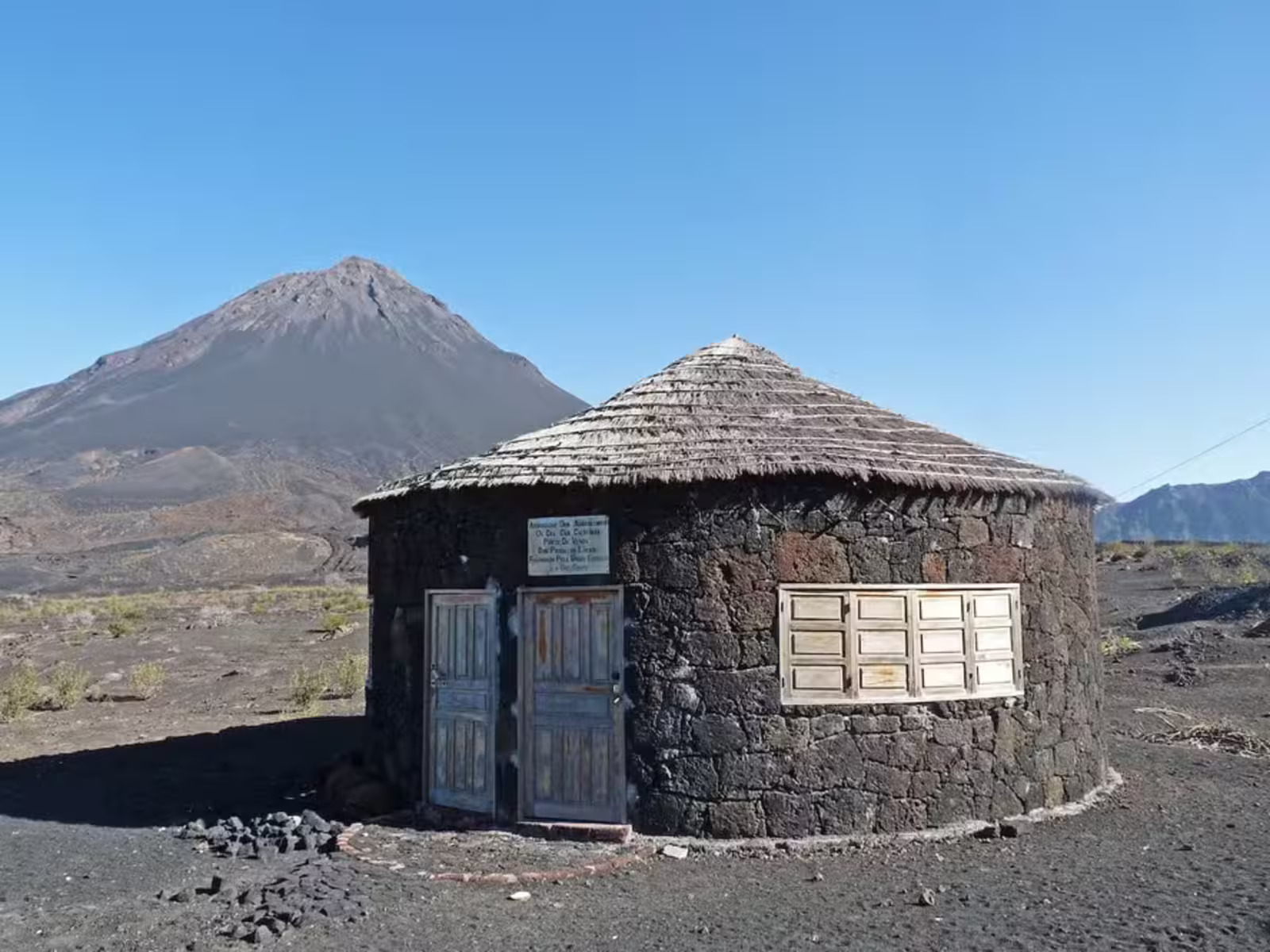
Inside an active volcano in Africa, residents use volcanic rocks to build houses in an impressive setting.

“The State sells this place as paradise, but doesn’t guarantee the minimum for the population.
The subject is still hushed in the city, because you can’t speak poorly or risk losing tourists,” says Carla.
Why Criminal Factions Target Tourism in the Northeast
According to authorities and researchers interviewed in the original report, the advance of criminal factions accompanies two movements: the interiorization of organized crime, which was once more concentrated in major centers and borders.
“They are like branches of the drug business.
The uncontrolled situation from the border, passing through the groups in Rio and São Paulo, flows here,” says district attorney Eduardo Leal dos Santos.
He adds that organizations have found a favorable environment: “And they have found in these Northeast destinations a high concentration of wealth.
They are also cities with a lot of movement, but with the structure of a small town, with few police officers and little public authority presence,” Santos completes.
Furthermore, investigations point to the financial volume of drug trafficking.
An example cited in the source text is of a notebook seized in Porto de Galinhas, which would indicate a movement of nearly R$ 10 million per year.
“Tranquility” for Tourists, Control for Residents
In the three beaches, reports indicate that parallel power tries to curb thefts and disturbances against visitors, in a logic of protecting the “business” of tourism and illegal commerce itself.
For residents, however, the price is high: imposed rules, constant surveillance, and fear of reporting.
“It’s normalized. You always know who the lookout, the hitman, or the deal manager is, and you interact with them every day, at the market, on the street, in the bars,” sums up Ricardo, a resident of Porto de Galinhas.
Porto de Galinhas: Surveillance and Orders in the Communities
In Porto de Galinhas, the actions attributed to the local faction — referred to as Trem Bala, more recently called Comando do Litoral Sul — are particularly evident in areas where part of the tourism workforce lives.
Residents report monitoring of entries and exits and informal restrictions on alerting authorities.
The text also recalls a significant episode from 2022 when blockades and closure of businesses occurred following the group’s orders.
More recently, the report mentions a case from July 18, when a young man reportedly died following a shootout with police.
Pipa: Division of Functions and “Lookouts” on the Corners
In Pipa, a tourist district of Tibau do Sul (RN), the text describes a more “organized” structure of drug trafficking, with specific functions — from transporting drugs to monitoring streets.
“They might as well sign contracts; they are too organized,” says a source from the State Civil Police to BBC News Brasil.
The report associates local dominance with the Sindicato do Crime, a faction that emerged in Rio Grande do Norte. The routine of surveillance affects residents.
“You feel watched by them all the time,” says Cláudia, a local resident.
In December (year mentioned in the source text), a triple homicide on the main tourist street of the village, near the police station, was attributed to a dispute between criminal factions.
“A new criminal group wanted to enter Pipa, but their attempt was short-lived,” said a police source to BBC News Brasil.
Jericoacoara: National Repercussion and Pressure for “Silence”
In Jericoacoara, Ceará, the death of a 16-year-old tourist in December 2024 gained national attention and became a symbol of local fear.
“He was with his father in the square and decided to return to the inn by himself.
On the way, he was approached by this group of people who attributed to him, no one knows for what reason, involvement in this criminal organization,” said at the time the director of the Civil Police, Marcos Aurélio França.
After the repercussions, the overt presence is said to have decreased to avoid damage to the destination’s image — a direct effect of the economic weight of tourism in the Northeast.
Even so, the feeling described is of coexisting with a “law of crime,” in which stability depends on agreements and territorial control.
Other Mentioned Destinations and the Challenge of Public Response
In addition to Porto de Galinhas, Pipa, and Jericoacoara, the text mentions news about criminal groups in other destinations.
Meanwhile, state authorities cited in the text claim monitoring and operations to contain the expansion.







-

-

4 pessoas reagiram a isso.