





 Portuguese
  English
  Spanish
  3 min of reading
  3 comments


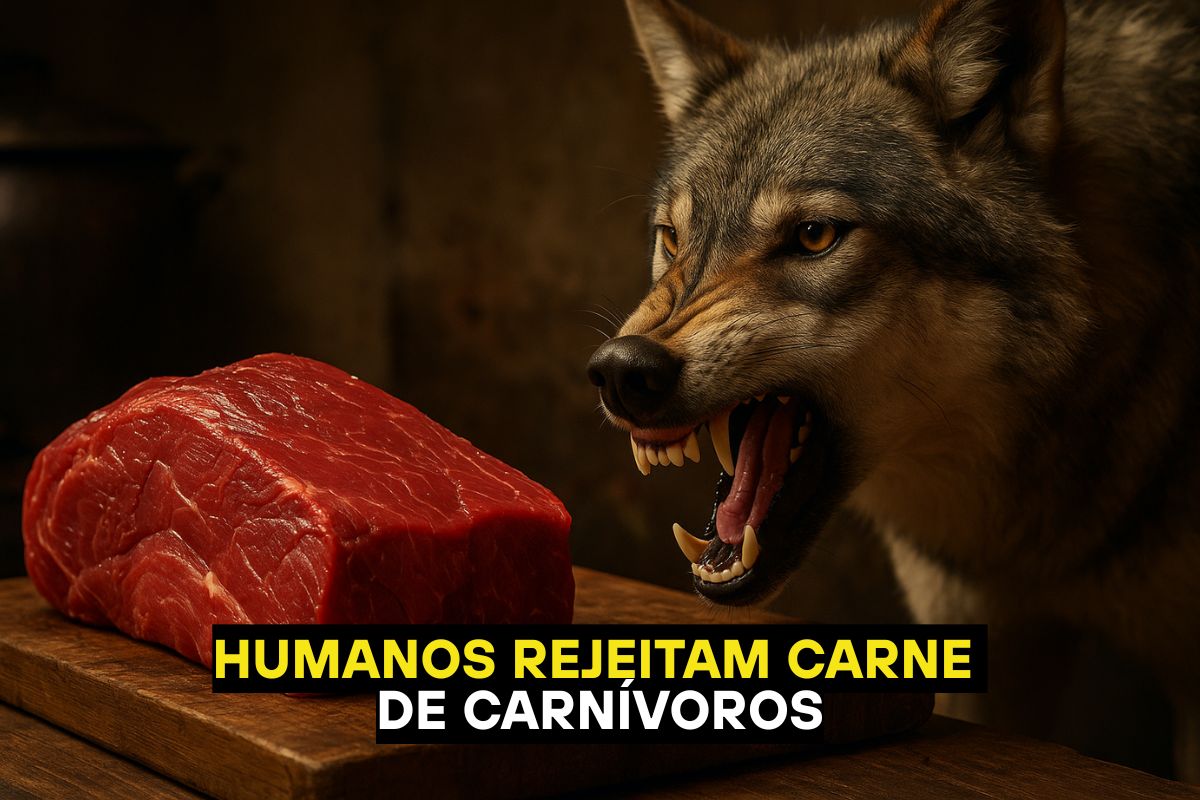


From Disease Risk to Unusual Taste, Historical and Cultural Hypotheses Help Explain the Rejection of Carnivorous Animals in Human Diets.
Throughout history, humans have built a diet based on herbivores and omnivores, such as cows, pigs, chickens, and rabbits. Carnivorous animals, on the other hand, almost never appear on the plate, even in societies where hunting plays a central role.
According to Minuto da Terra, different scientific factors, cultural and religious aspects help explain this rejection.
From health risks to taste and food efficiency issues, predator meat has become a rare choice on the human table.
-
Inside an active volcano in Africa, residents use volcanic rocks to build houses in an impressive setting.

-
After 14 years of waiting, a rammed earth mansion built in 1702 in the North Zone of São Paulo will become a park with leisure facilities and green areas, with a million-dollar investment.

-
With 2 unfinished nuclear reactors, up to 25 billion in costs, and proven fraud, the Nukegate case has left 800,000 consumers still paying today for energy that will never be produced.

-
The household appliance that consumes the most energy in Brazilian homes is not the air conditioner; it is located in the smallest room of the house, is used daily, and can account for up to 25% of the electricity bill, while an alternative in the same outlet can reduce this cost by up to 75%.


Disease Risk and Toxin Accumulation
One of the main arguments made by experts is food safety. Carnivores accumulate parasites, heavy metals, and microorganisms throughout the food chain.
When one animal feeds on another, it also absorbs harmful substances present in its prey. This cascading effect increases the chance of contamination and makes the meat potentially riskier for human consumption.
According to Minuto da Terra, there are records of species with elevated toxin levels, reinforcing the perception that consuming carnivores may be dangerous.
Although there is no conclusive scientific evidence about risks in all cases, the historical association with diseases may have shaped dietary habits.
Taste and Texture Issues
Another highlighted point is the flavor. Carnivorous animals tend to have tougher muscle fibers and less fat, resulting in firmer and less juicy meats.
Moreover, the diet based on other animals can alter the flavor, making it less appealing.
There are reports that reinforce this perception. People who have tasted bear meat, for instance, say it varies greatly depending on the season: when the animal feeds on fruits, it is tastier, but when its diet is fish-based, the taste is considered unpleasant.
Inefficiency in Food Production
Raising carnivorous animals for human consumption also doesn’t make sense from an energy standpoint. The food chain loses energy at each step, making the process inefficient.
If a cow transforms 10,000 calories of grass into only 1,000 calories of meat, a tiger that feeds on that cow would result in even less food available for humans.
This logic explains why the farming of carnivores for food has never been established on a large scale.
The exception is predatory fish, like tuna and salmon, as their capture has historically been done opportunistically, without such high production costs.
Cultural and Religious Influence
Cultural and religious rules also play a central role. Judaism and Islam, for example, prohibit the consumption of predators or animals with fangs and claws.
These norms may have originally arisen for food safety reasons, but have solidified as social and spiritual practices.
Over time, these restrictions have helped reinforce the rejection of carnivorous meats, shaping traditions that have spread beyond religious communities.
The habit of avoiding predators has been incorporated by various cultures, even without formal imposition of rules.
Among scientific explanations, cultural issues, and religious practices, the reasons for not eating carnivorous animals seem to overlap, creating a historical consensus.
The meat of these animals can be riskier, less tasty, and less efficient to produce, and therefore, it has been left off the human table.
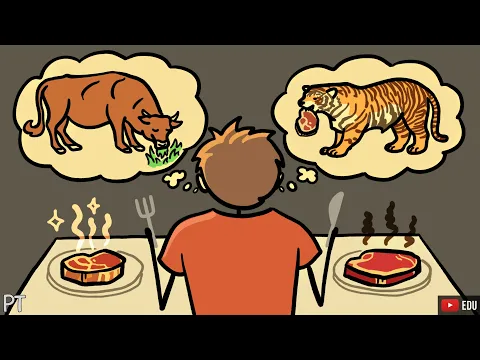

And you, do you believe that the rejection of carnivores is more a matter of health, taste, or tradition? If you had to try, which animal would you face?
Share your opinion in the comments and join the debate!







Ué? Mas os caçadores comem que tipo de animais? Peca é carnívora como tds as outras caças. Tem gente q come cobras q tbm é carnívora…
Os indígenas comem macacos. Os chineses, então? Comem gatos, ****…
Quis dizer, pacas…
Quis dizer, “pacas”