





 Portuguese
  English
  Spanish
  3 min of reading
  0 comments


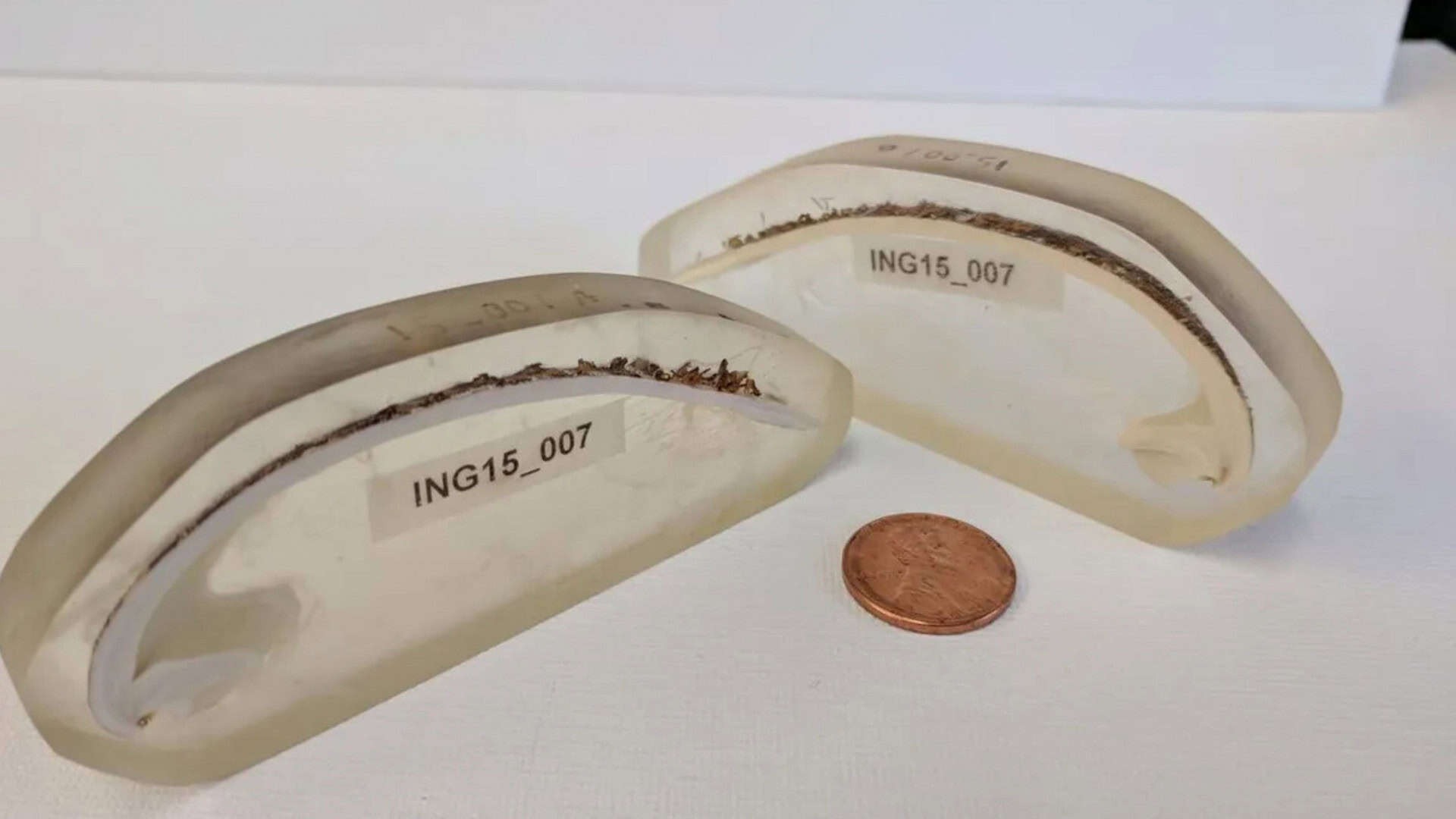
Arctica Islandica Mollusk Identified in 2006 Off the Coast of Iceland Lived About 507 Years, Born in 1499 and Became the Oldest Non-Clonal Animal Ever Documented by Science
In 2006, researchers identified an Arctica islandica specimen off the coast of Iceland, nicknamed Ming, that lived approximately 507 years and died after accidental freezing, becoming the oldest non-clonal animal ever documented by science.
The giant mollusk was named in reference to the Chinese dynasty that ruled in 1499, the estimated year of its birth, according to subsequent analyses performed by the researchers involved in the study.
The discovery occurred during ocean floor research, when the animal was removed from its natural environment and ended up dying, most likely due to the freezing it suffered outside its marine refuge.
-
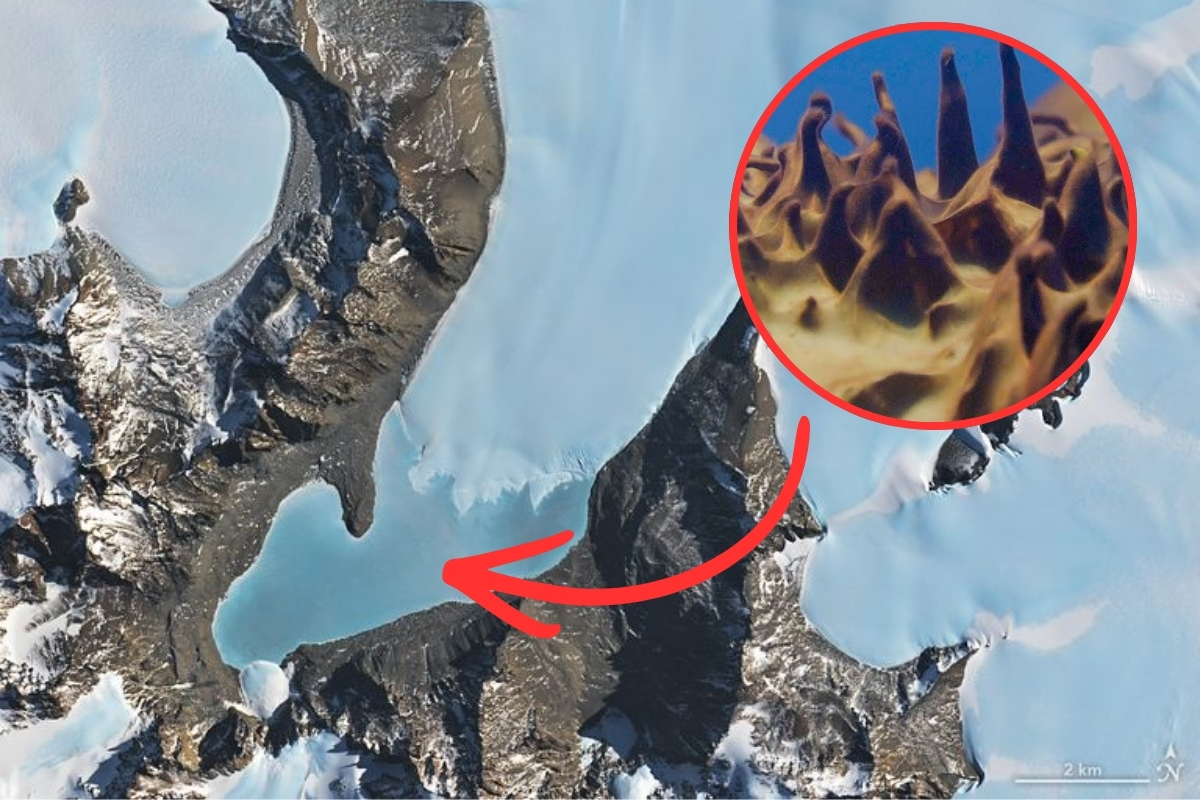
A lake in Antarctica hides water with rare chemistry, a depth of nearly 170 meters, and microbial structures that help scientists search for signs of life on Mars.
-
Elon Musk is trying to transform Starlink into the new standard for in-flight Wi-Fi, and the orbital war between giants is changing the sky of commercial aviation.

-
Collapse in sight in Iraq: satellite images captured by NASA show the country’s largest reservoir dramatically drying up.

-
Archaeologists open a tomb in Luxor and find 3,000-year-old papyri still sealed in a ceramic vessel, alongside colorful coffins stacked in 10 rows and linked to the mysterious singers of Amon.


How Scientists Determined the Age of the Mollusk
Ming’s age was determined by counting the growth rings present in its shell, a method similar to that used to estimate the age of trees by their annual rings.
These growth lines indicate annual periods of calcium carbonate deposition, allowing for an accurate estimate of how long the animal had lived in the marine environment.
Initially, researchers estimated that the mollusk was over 405 years old based solely on a visual count of the growth lines on the shell.
However, additional analyses using radiocarbon dating indicated that the specimen had reached approximately 507 years of age, significantly adjusting the initial estimate.
This method is viable because mollusks deposit shell layers in alternating phases of fast and slow growth, microscopically visible in specific cross-sections.
Biological Record Preserved in the Shell
An article on the species describes that the valves of bivalve mollusks contain a detailed record of their ontogeny, preserved in annual growth lines and daily bands.
These structures can be observed microscopically in acetate replicas of the shell or in thin sections, allowing for high-resolution analyses of the life cycle.
According to the same article, the shell of A. islandica is deposited as annual increments of fast growth, separated by narrow lines associated with slow growth or cessation.
The annual nature of these increments has been demonstrated based on seasonal profiles of stable oxygen isotopes and marking and recapture experiments conducted with the species.

Human Consumption and Subsequent Observations
In an interview with the BBC in 2013, researchers observed that the meat of these mollusks is consumed in some regions.
They highlighted that people who have eaten clam chowder in New England likely consumed meat from this species, which can often live more than a century.
Another interesting point mentioned was the wide historical distribution of the mollusk and its presence in human food chains for generations.
Biological Factors Associated with Extreme Longevity
According to marine biologist Doris Abele, in a statement to Science Nordic, the extraordinary longevity of these mollusks is linked to an extremely slow metabolism.
Studies indicate that the low rate of oxygen consumption and efficient cellular mechanisms slow aging, preserving cellular molecules over the centuries.
These biological factors help explain how the species can maintain organism integrity for over a hundred years under stable environmental conditions.
The discovery of Ming solidified Arctica islandica as a scientific reference in studies on aging, longevity, and long-term biological processes in marine environments.
With information from Olhar Digital.






Seja o primeiro a reagir!