





 Portuguese
  English
  Spanish
  3 min of reading
  1 comment


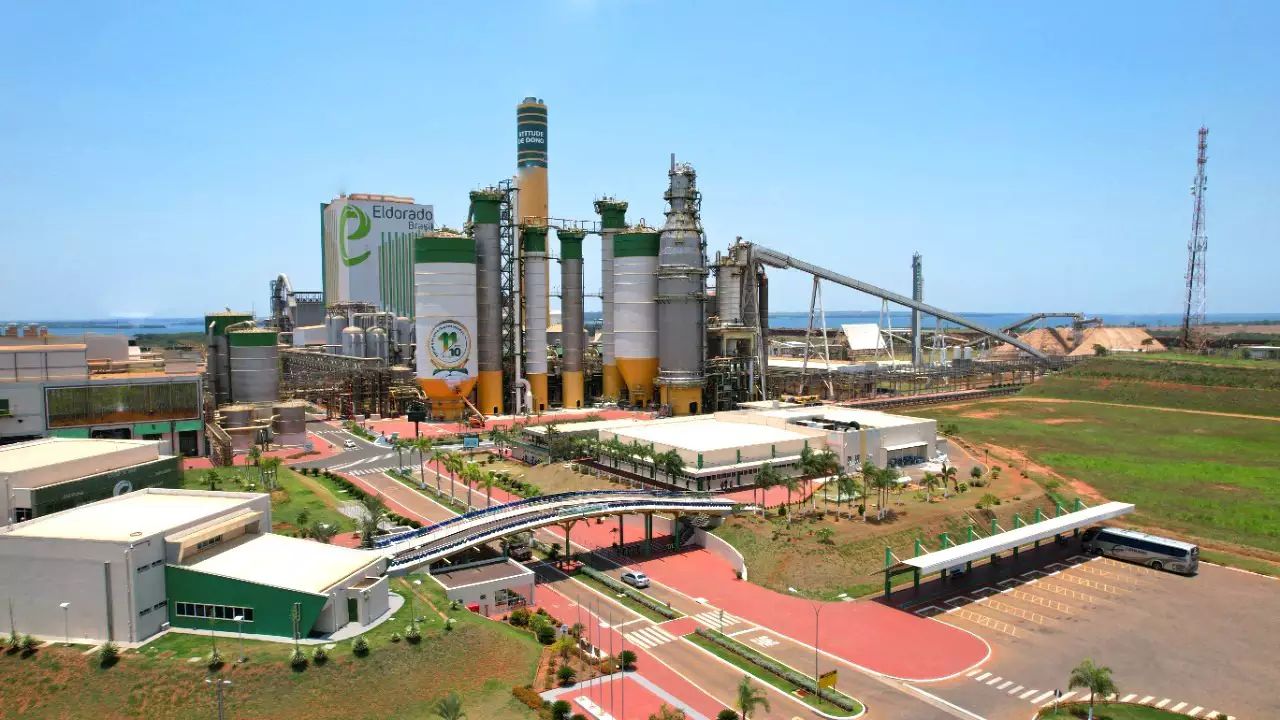


US Withdraws Tariffs After Acknowledging Dependence on Two Brazilian Strategic Inputs. Decision Exposes Washington’s Fragility and Provides Partial Relief to Brazilian Exports
The United States took an unexpected step regarding trade relations with Brazil.
After just a month of imposing tariffs of up to 40%, the White House announced the removal of the 10% tariff on most Brazilian exports of cellulose and nickel-iron.
The decision surprised many due to its speed, but it reveals the American dependence on these two strategic inputs and the pressure from industrial sectors that could not bear the increased costs.
-
The largest food company on the planet, JBS, has just opened a 4,000 square meter laboratory in Florianópolis to develop customized proteins that modulate muscle mass gain, immune response, and metabolic performance.

-
After nearly 30 bids and competition among industry giants, a Spanish company purchases one of the largest airports in Brazil for almost R$ 3 billion and takes over the management of Galeão in a concession that will last until 2039.

-
The Federal Revenue Service now automatically cross-references everything you declare with data from banks, credit cards, brokerage firms, and insurance companies, and any discrepancy between your income and your expenses triggers an alert in seconds.

-
Amid global tensions, Brazil blocks the United States’ proposal at the WTO and paves the way for a trade crisis and possible retaliations.
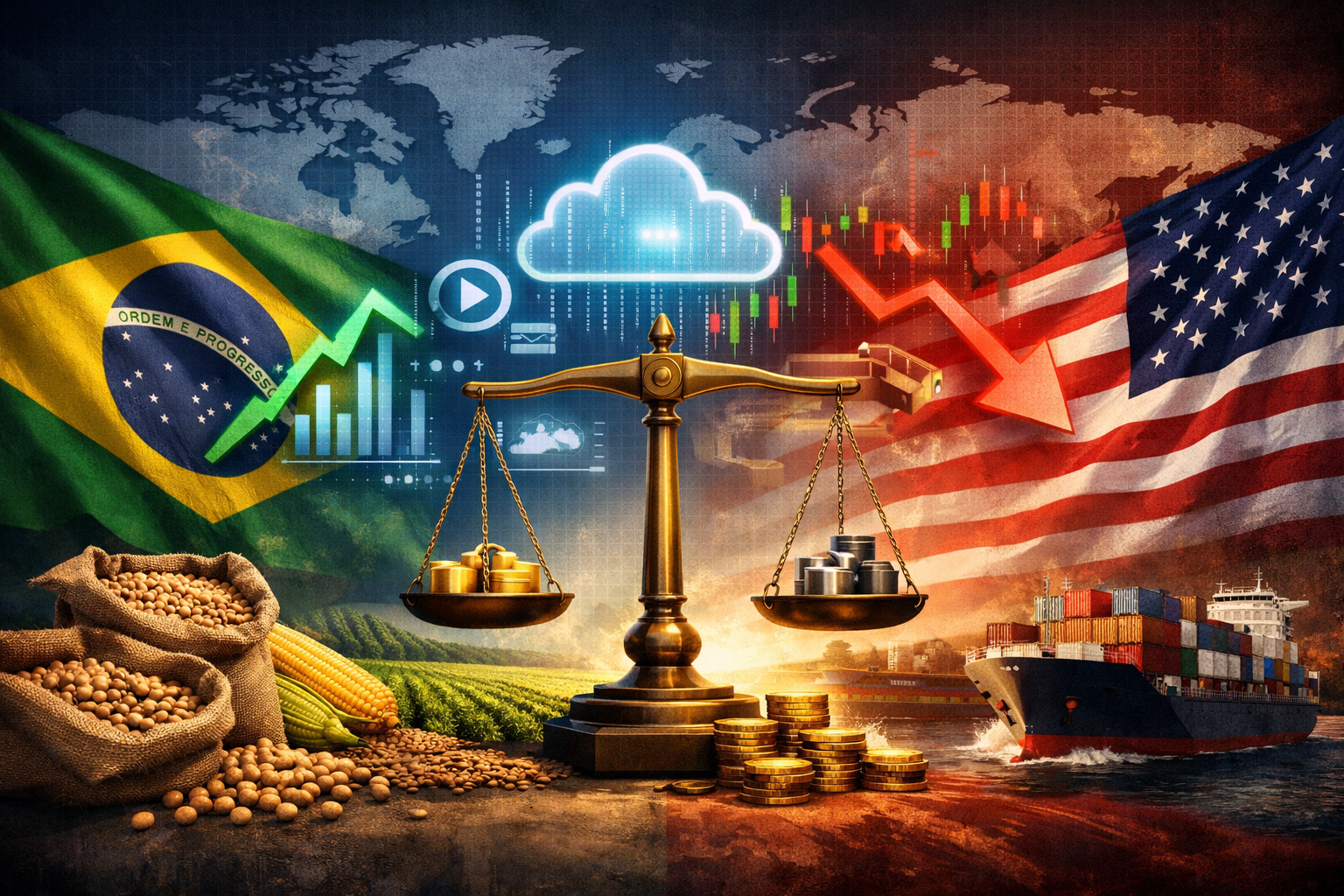

The Weight of Brazilian Cellulose for the US
Brazil is the world leader in exporting short-fiber cellulose, widely used by the paper and packaging industry.
To put it into perspective, about 78% of Brazilian cellulose exports are destined for the US market, a figure that highlights the difficulty for the US to replace this supply in the short term.
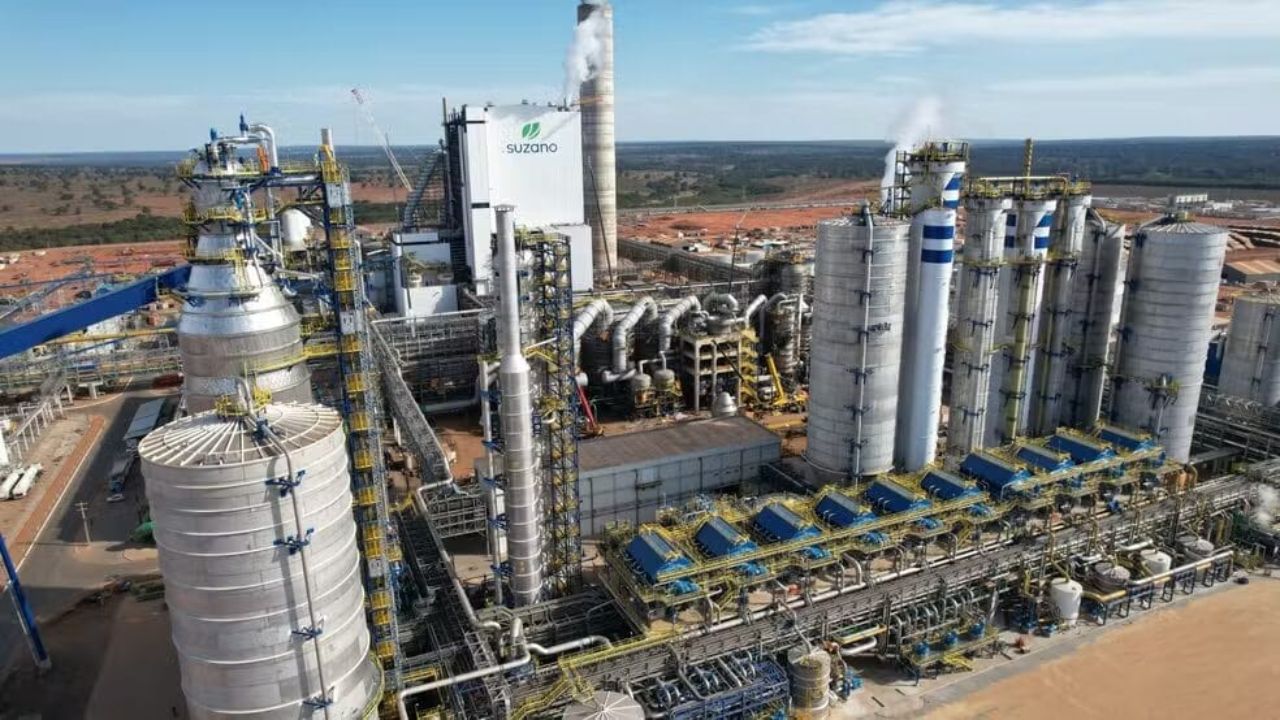
With the tariff, costs for local industries would rise significantly, affecting everything from printing houses and publishers to large manufacturers of packaging for e-commerce and food.
It was precisely the pressure from these companies that led Washington to reconsider the measure, fearing a direct impact on the domestic production chain.
Nickel-Iron: A Critical Input for Stainless Steel
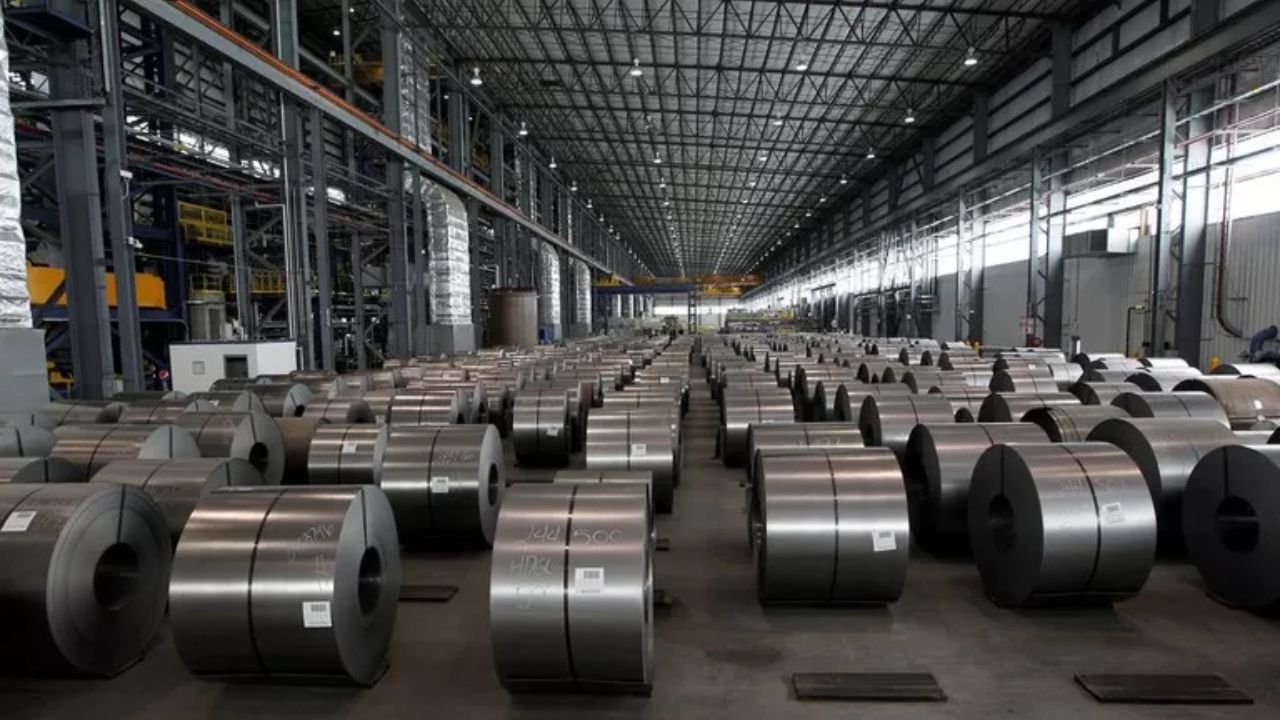
Another product benefiting from the decision was nickel-iron, essential for making stainless steel. The material is strategic for sectors such as construction, automotive, and appliances.
Brazil ranks among the largest global producers, and at a time of high demand for quality steel, the United States could not risk increasing costs for its production chain.
Maintaining Brazilian supply at competitive prices ensures stability for industries already facing challenges with logistical costs and competition for inputs in Asian and European markets.
The Political Logic Behind the Decision
Although it may seem like a Brazilian victory, the withdrawal of the tariffs does not signify a complete truce in trade tensions.
In practice, it was a targeted concession from the White House to avoid harming its own industry.
The 10% and 40% tariffs, initially imposed as a political response to diplomatic disagreements, remain in place for other agricultural and manufactured products.
The Vice President and Minister of Development, Industry, Commerce, and Services (MDIC), Geraldo Alckmin, celebrated the announcement as a step forward but stressed that much work remains to reduce tariffs in other sectors and enhance the competitiveness of Brazilian exports.
What to Expect Going Forward
The exemption for cellulose and nickel-iron shows that, even in scenarios of political friction, economic interests can prevail.
However, it also reinforces the vulnerability of Brazilian exports to sudden changes in US foreign policy.
As negotiations continue, Brazilian companies in the benefiting sectors breathe a sigh of relief. Meanwhile, other segments continue to press the government for new concessions that could ensure competitiveness in a market that remains strategic for Brazil.







Não podemos ficar dependentes de um único cliente, além de desenvolvermos outros compradores, temos que solidificar a indústria para manufaturar comodities e agregarmos valor e tecnologias!