





 Português
  Inglês
  Espanhol
  3 min de leitura
  0 comentários


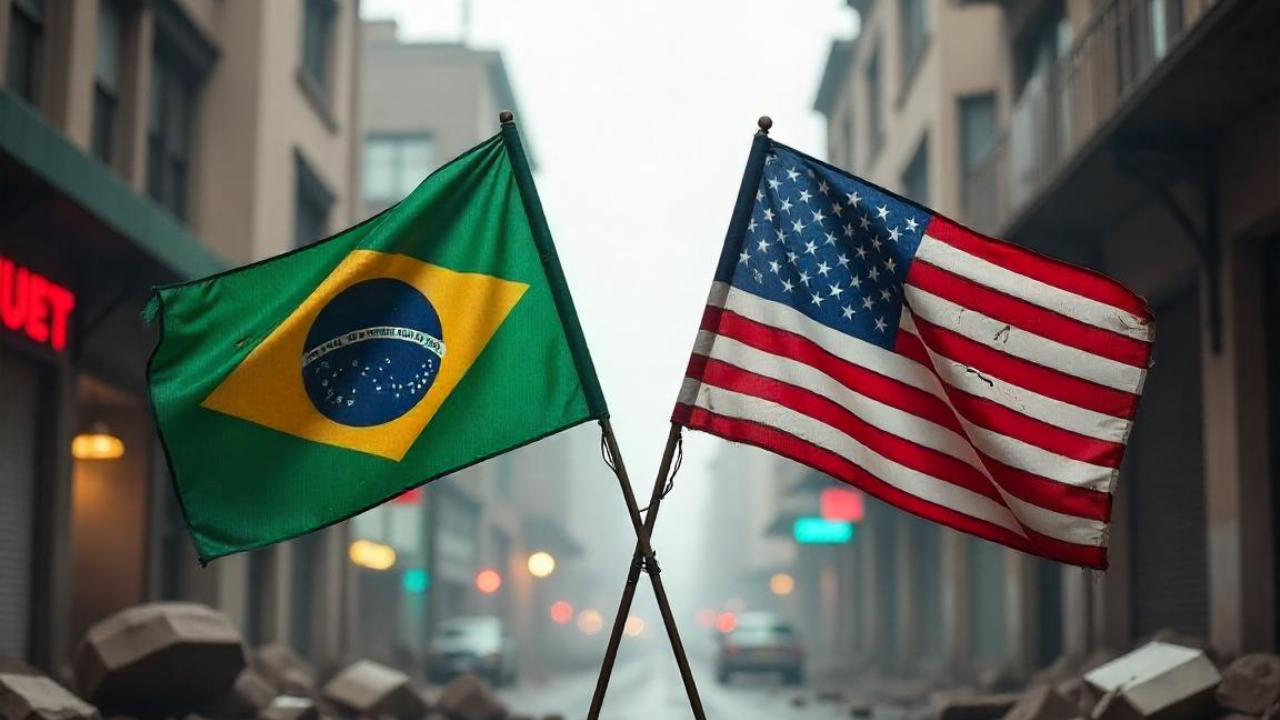
Trump’s Decision on Brazilian Ethanol Should Come With Retaliation, Which Should Worsen the Crisis Between the US and Brazil.
According to Folha de São Paulo, Trump, the newly elected president of the United States, may be preparing to adopt new trade measures against Brazilian ethanol, which could intensify the already complex dispute between the US and Brazil in the sugarcane sector.
Folha obtained access to a document from Itamaraty revealing an alert made by an executive from the energy company Raízen to the Brazilian embassy in the United States.
The possible measure joins a long history of trade tensions involving ethanol and other agricultural products, with economic and political implications for both countries.
-
Middle East War Hits Fertilizers and Transportation and May Strain Brazilian Wallets
-
Russia Considers Suspending Gas to Europe After Surge in Energy Prices
-
How A War Thousands of Miles From Brazil Started Disrupting Global Shipping Routes, Raising Container Costs, and Putting Up to 40% of Brazilian Beef Exports at Risk
-
Iran-U.S. War Drives Up Oil Prices and Pressures Global Financial Markets

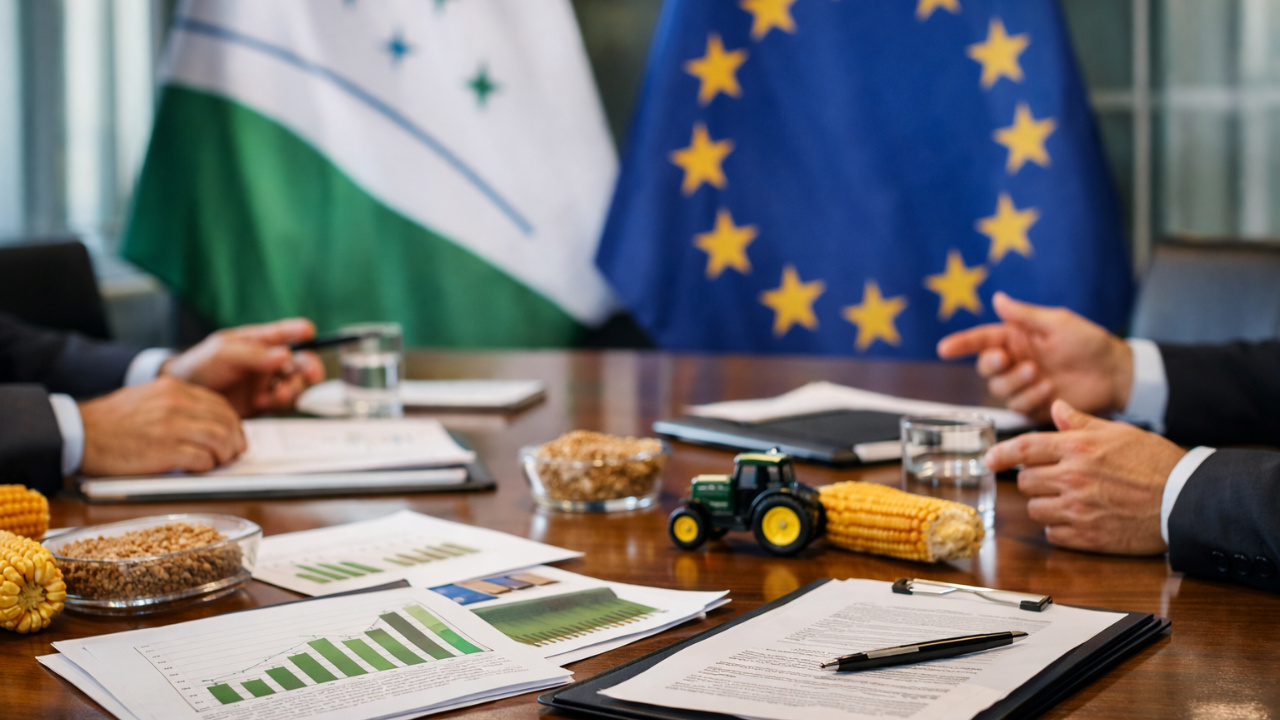
Paulo Macedo’s Alert and the Possible Impact of New Tariffs
Paulo Macedo, Global Director of International Relations at Raízen, a giant in the sugarcane sector, informed Brazilian diplomats that the White House is discussing the implementation of tariffs or restrictions on ethanol produced in Brazil.
“The issue [tariffs on ethanol] is already being addressed at the White House, according to information received from the company’s consultants,” the official report states, revealing that the US government may be planning new barriers for Brazilian ethanol.
This move represents a new chapter in a long-standing trade dispute between Brazil and the United States, particularly regarding the bioenergy sector.
Currently, Brazilian ethanol, derived from sugarcane, enters the US without significant tariffs, while American ethanol, produced from corn, is subject to an 18% tariff in Brazil.
The tension between the two countries over these tariffs reflects a broader dispute over trade practices in the agricultural sector.
The Political and Economic Context Behind the Dispute
The ethanol issue carries significant political weight in the US, especially in the Midwest, where the main corn ethanol producers are located.
This is an important electoral stronghold for Trump, and many of his allies believe that Brazilian trade policy favors sugarcane ethanol over the American product, characterizing it as an unfair trade practice.
The accusation against Brazil is frequently used by Trump in his critiques of international trade, especially regarding tariffs on agricultural products.
On the Brazilian side, government sources counter this accusation and argue that Brazil faces even greater barriers to exporting sugar to the US, an issue raised many times without success.
Moreover, an increase in US ethanol imports would directly affect producers in Brazil’s Northeast region, a politically and economically sensitive area.
For producers, this dispute could result in significant losses, as cheaper American ethanol could enter the national market in larger volumes.
Trump’s Retaliations and Threats of Trade Sanctions
Although new trade barriers have not yet been confirmed, the Brazilian government is already preparing for possible retaliations.
The situation gained more concrete contours after the Senate confirmation hearing in the US of Jamieson Greer, nominated for the position of Trade Representative.
During his hearing on February 6, Greer described the trade relationship regarding ethanol as “unfair” and made it clear that the US government may take aggressive measures to pressure Brazil.
“You could certainly seek out the Brazilians and say: ‘You need to fix this.’ But this needs to come with a caveat. That’s a bit harsh, but we need to have leverage. And if it’s necessary to gain leverage through investigative actions or other actions, we will do that. We much prefer to do it based on negotiations, but we will do whatever is necessary to try to resolve this situation,” Greer stated, leaving the possibility of sanctions open.
With information from Brasil 247 and Folha de São Paulo.







Seja o primeiro a reagir!