





 Portuguese
  English
  Spanish
  5 min of reading
  1 comment


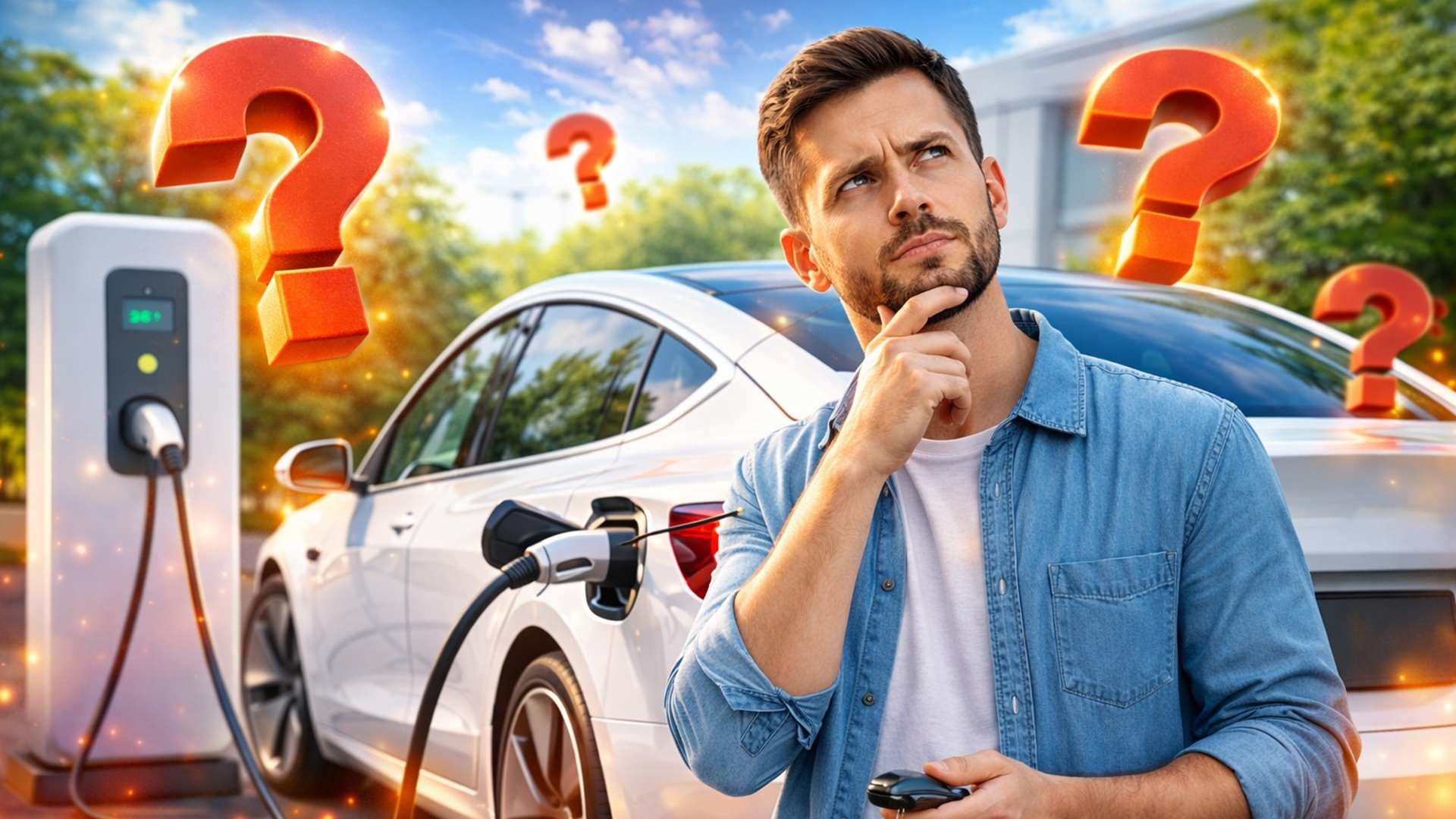


Report Details Infrastructure and Maintenance Challenges Faced by Philip Berne with His Kia EV6, Addressing Everything from Cost Parity in Fast Charging to the Critical Influence of Low Temperatures on Range and the Accelerated Wear of Tires in Electric Vehicles.
Analyst Philip Berne reports nine technical and operational challenges faced after switching from an internal combustion vehicle to an electric car model Kia EV6, highlighting impacts on routine, variability in charging costs, and the need for preventive battery maintenance.
Charging Infrastructure and Variability of Operating Costs
The transition from gasoline vehicles to electric models requires a deep technical understanding of the available charging levels. This change radically alters the driver’s routine, as the time needed to reach a full battery charge directly depends on the voltage of the power source used.
Owners who do not have the option to park in front of their homes face difficulties installing Level Two outlets. This equipment is considered essential for daily routine, as it allows for a full battery charge overnight in an approximate timeframe of eight hours.
-
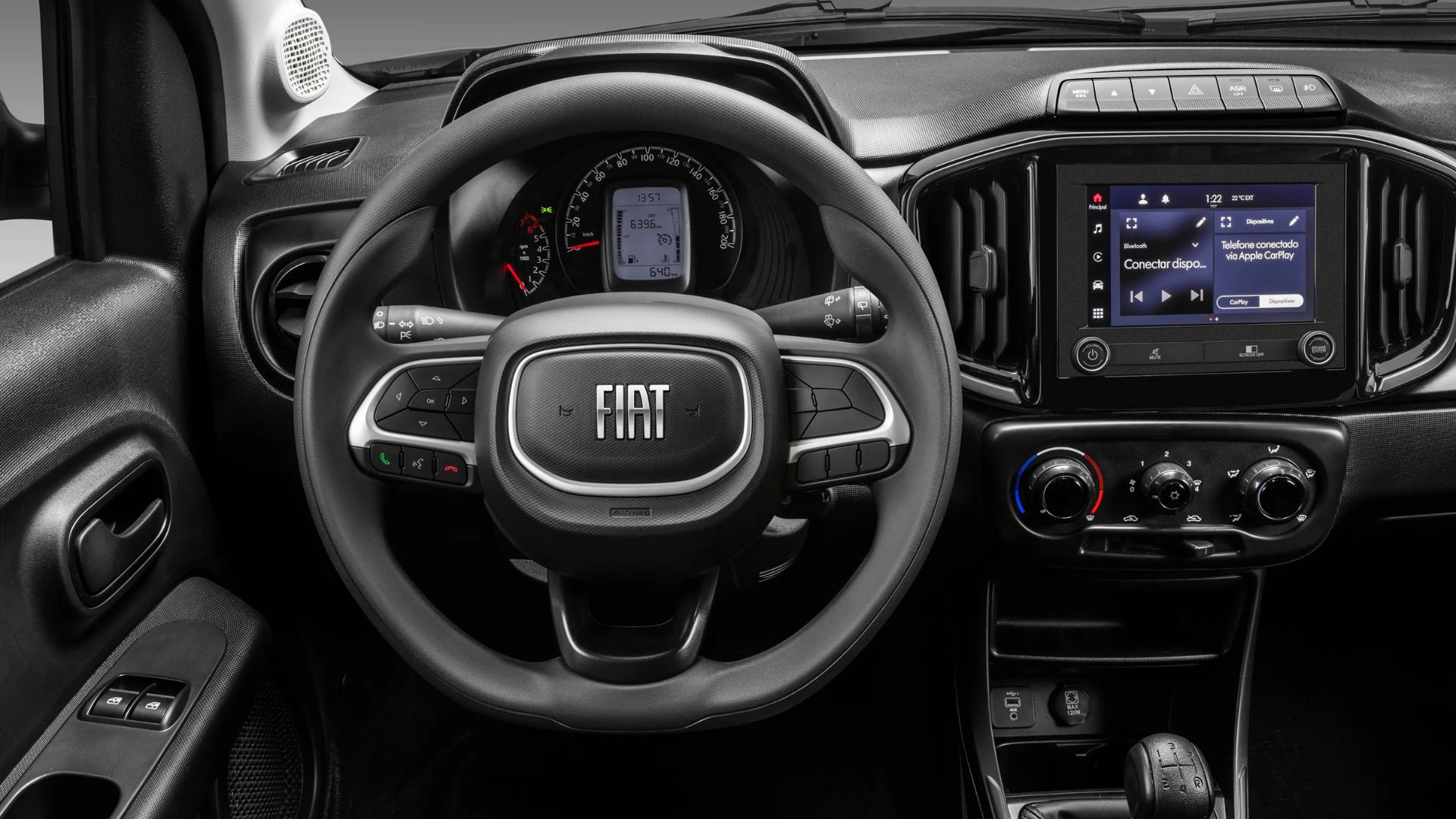
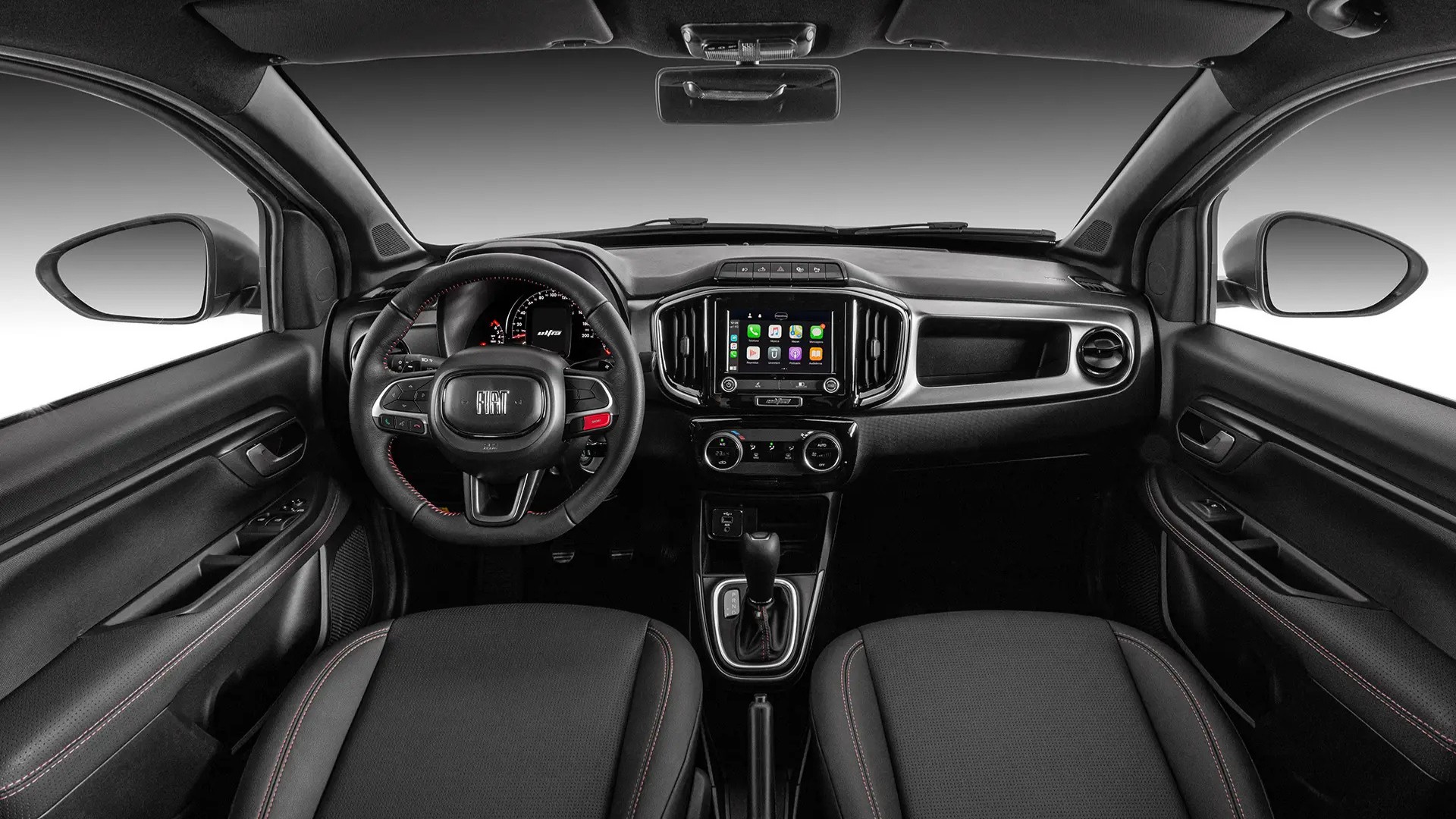
With a 1.0 engine producing 75 hp and costing less than R$ 70,000, Fiat’s car returns to the podium as the cheapest in the country; a temporary promotion for the 2026 Like version reduces the price of the Fiat Mobi.
-
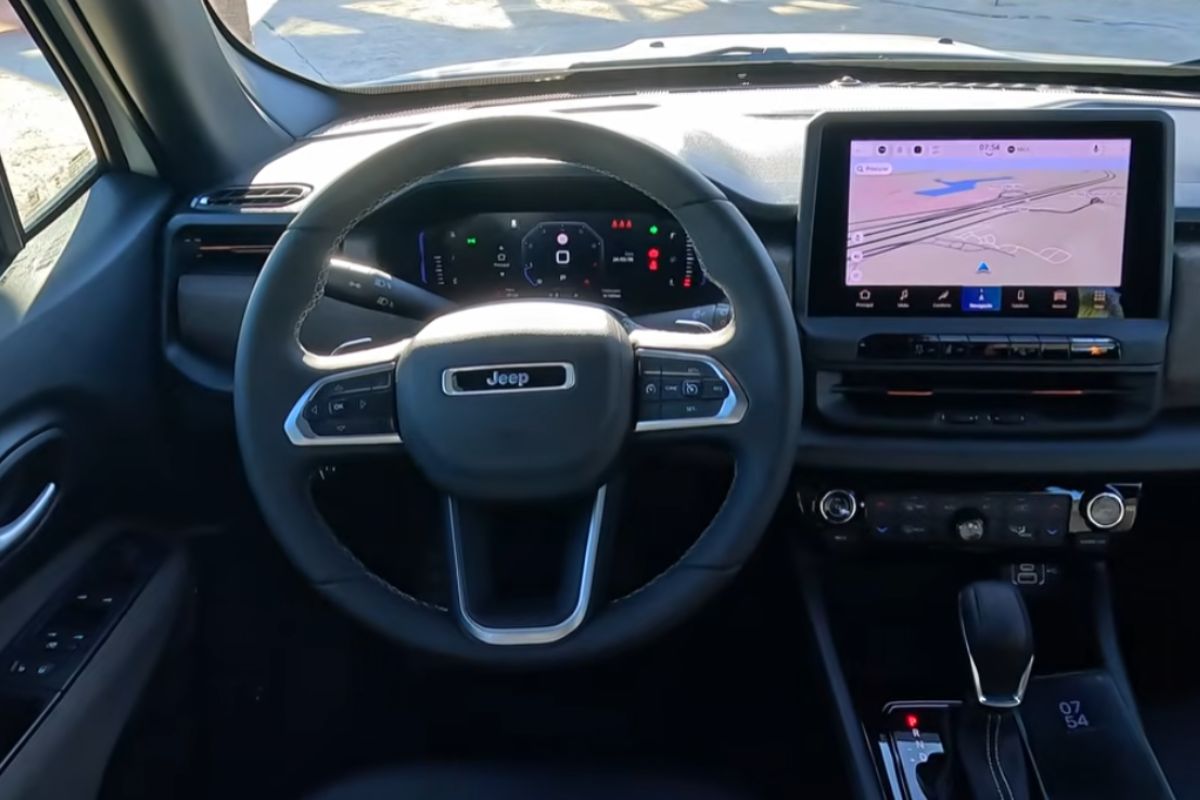
With a mild hybrid system of 48 V, 176 hp and a price of R$ 175,990 in the Sahara version, the new Jeep Renegade changes mostly on the inside, improves slightly in fuel consumption, and remains almost the same car.
-
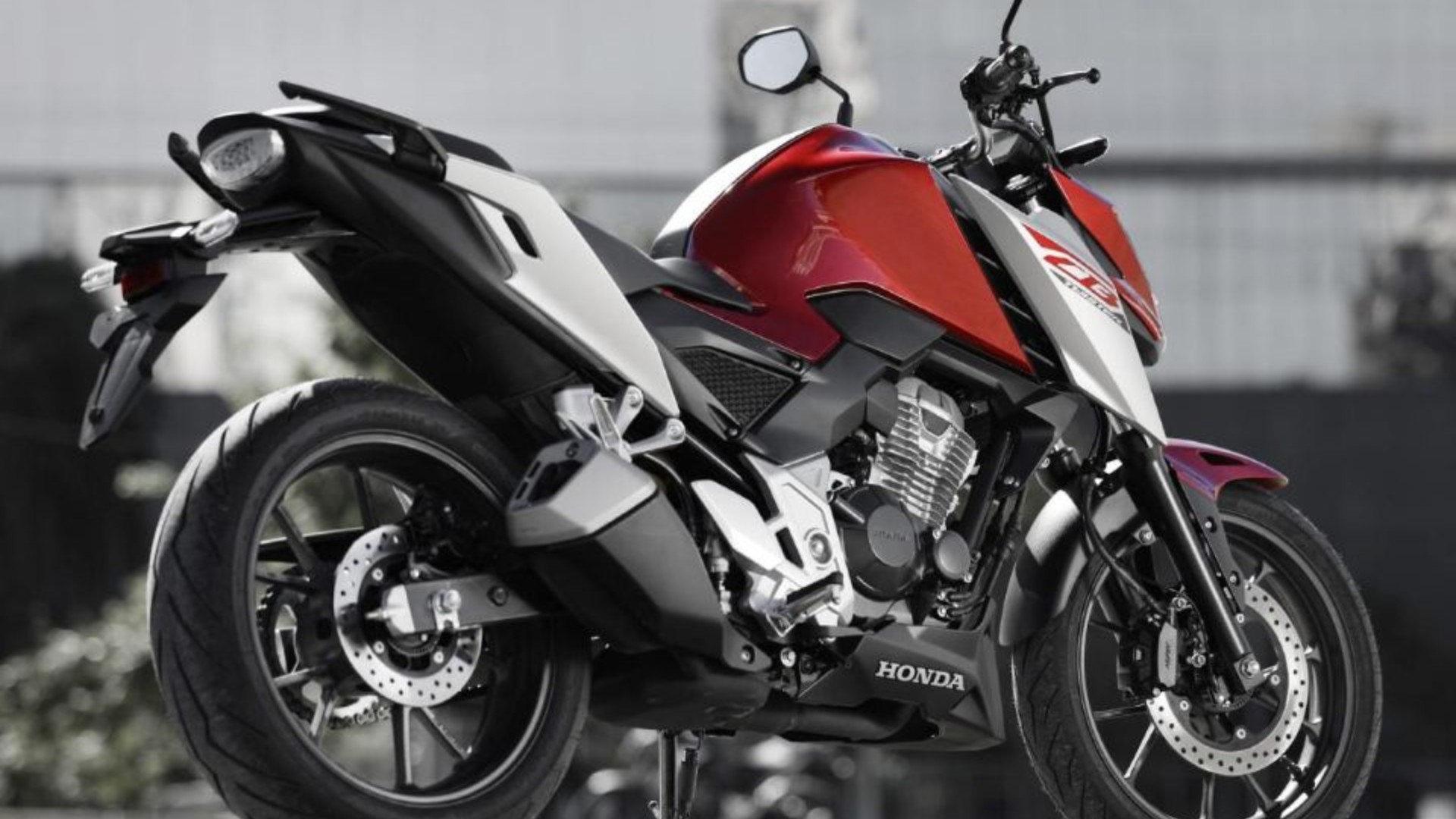
With a 293.5 cm³ engine and a range of up to 400 km with a 14.1-liter tank, the Honda CB 300F Twister 2026 has up to 24.7 hp, an initial price of R$ 25,150, and already exceeds R$ 29,000 in the Fipe Table.
-
With a 1.3 engine, nearly 700 km of range, and Turbo 200, the Fiat model surpasses Polo, Tera HB20, and Onix, becoming the best-selling car in March; see the numbers for the Fiat Strada and others.
In the absence of this dedicated infrastructure, the driver becomes dependent on Level One charging cables. This equipment uses standard three-prong household outlets. The technical disadvantage is significant, as the process to reach a full battery charge can take days, making continuous use of the vehicle impractical.
The alternative for fast charges lies in public Level Three chargers, found in rest areas. These high-power machines can raise the battery level to 80% in just 20 minutes. However, the convenience comes with a substantial increase in the operational cost per kilometer driven.
Pricing at these points is based on the kilowatt-hour consumed. Berne reports that his vehicle has a 77.4 kWh battery. By paying US$ 0.50 per energy unit, the total cost reaches US$ 38.70 for covering an estimated distance of 480 kilometers.
This amount matches the gasoline expenditure at US$ 4 per gallon, nullifying the expected savings. The actual cost reduction only occurs with home charging, where the rate is US$ 0.13 per kWh. Therefore, exclusive reliance on fast chargers eliminates the financial advantage of the electric car.
In addition to costs, the physical compatibility of the equipment requires attention. The automotive industry uses different connection standards. The 2022 Kia EV6 model uses the J1772 port, but the sector is transitioning to Tesla’s NACS standard. Newer models already adopt this new universal entry.
Range Management and Climate Influence on Batteries
The efficiency of using an electric vehicle depends on charging strategies that differ from fossil fuel refueling logic. Insisting on charging to 100% at public stops constitutes a waste of operational time, due to the charging curve slowdown.
Battery management systems are programmed to receive energy quickly until they reach 80% of capacity. After this threshold, the charging speed is drastically reduced to protect the chemical integrity of the components and prolong the vehicle’s battery life.
On long trips, the most efficient strategy is to charge up to 80% and get back on the road immediately. Berne notes that his Kia reaches this mark in 20 minutes. Waiting for the remaining 20% would require another 20 minutes stopped, enough time to cover hundreds of additional kilometers.
The accuracy of the range estimated by the vehicle’s dashboard varies according to environmental conditions. On sunny, hot days, the mileage projection is reliable. Intense urban traffic does not harm the range, as the regenerative braking system recovers energy during stops.
However, intense use of internal electronic systems and air conditioning increases energy consumption. The situation becomes critical in cold climate regions. Low temperatures affect the internal chemical reactions of the battery, resulting in a noticeable drop in performance and available range.
To mitigate the effects of the cold, it is recommended to park the vehicle in heated garages. Some models offer battery pre-conditioning functionality. This feature allows for warming the system before starting the trip, ensuring that the vehicle operates under ideal thermal conditions from the outset.
Mechanical Components and Preventive Maintenance
The absence of a traditional internal combustion engine frees up physical space in the vehicle, creating extra cargo compartments, known as “frunks”. Despite this additional volume, most modern electric vehicles eliminate the spare tire to reduce overall weight and accommodate the battery pack.
This engineering decision implies that, in the case of a flat tire, the driver will not be able to perform an immediate change. The solution boils down to calling a towing service. For drivers accustomed to performing basic tire maintenance, this feature requires a new cautious approach.
Another critical point is the maintenance of rolling tires. The instant torque provided by the electric motor allows for accelerations greater than those of gasoline vehicles. This force, combined with the high weight of the batteries, significantly accelerates the wear of the rubber in contact with the road.
Berne warns that high-speed driving drains the battery quickly and destroys tires. Without a spare in the trunk, constant monitoring of tire integrity is vital. Regular rotation should be conducted frequently to ensure even wear and avoid premature and costly replacements.
Despite having fewer moving parts than a traditional car, the electric vehicle still maintains essential legacy components. The system includes two batteries: the main high-voltage one for traction and a smaller 12V battery located in the front, responsible for electronic components.
The 12V battery powers vital systems, including the starter motor and charging management. If this battery discharges, the car will not start and will not accept a charge in the main battery. Therefore, discarding the jump cables is a serious mistake that could leave the driver stranded.
Digital Ecosystem and Route Planning
The dependence on public charging infrastructure forces the driver to manage a complex ecosystem of mobile applications. In the United States, charging points are administered by various independent organizations, each requiring its own software for access and payment.
The user must be prepared to keep multiple applications installed on their phone, managing different logins and fees. The service fragmentation requires prior planning to avoid the inability to charge at critical moments during travel.
To overcome uncertainty about the availability of points, it is recommended to use information aggregators, such as PlugShare. This application serves as a collaborative database where users report the real operational status of charging stations.
Through this tool, it is possible to verify in advance whether an outlet is operational, what charging speed is offered, and the exact cost of energy. This verification prevents unnecessary trips to faulty points or those incompatible with the vehicle.









Carro elétrico é para aribó.