





 Portuguese
  English
  Spanish
  4 min of reading
  7 comments


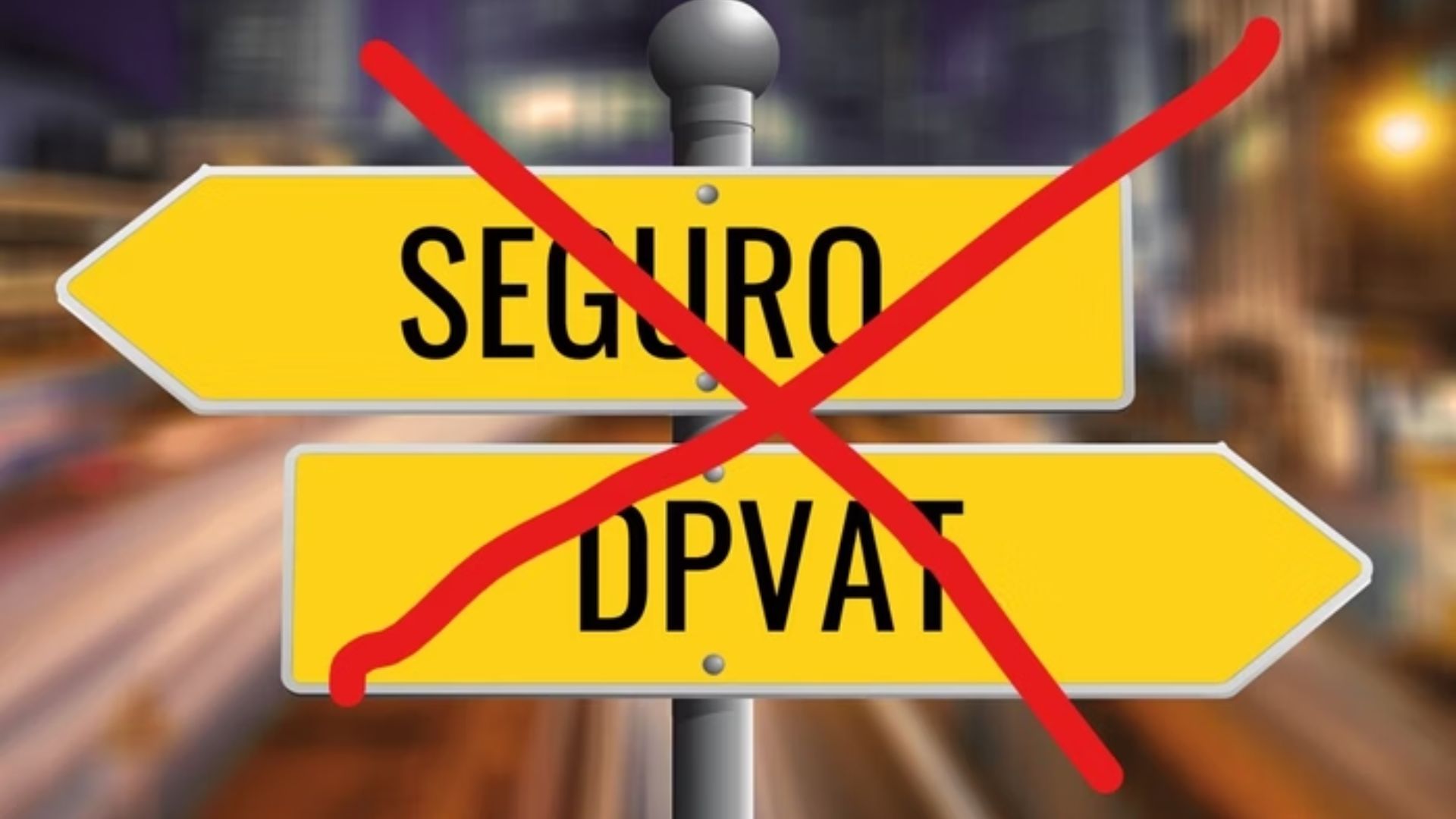


The Abolishment of Mandatory Insurance Pressures the SUS Budget, Removes Compensation for Thousands of Victims, and Rekindles Debate in Congress About the Return of a Model That Guarantees Resources for Health and Financial Protection in Accidents.
One year after the repeal that prevented the resumption of mandatory insurance, representatives from the Ministry of Health went to Congress to report impacts on assistance to traffic accident victims.
According to the ministry, the abolishment of the previous model, combined with the veto on its reinstatement in 2025, removes approximately R$ 580 million per year from the SUS and leaves, especially motorcyclists, without access to compensation of up to R$ 13.5 thousand.
What Changed with the End of Mandatory Insurance
Created in 1974, the insurance compensated victims of accidents, regardless of fault, and a portion of the collected revenue was allocated to public hospital funding.
-
Amateur archaeologists were searching a forest in Poland with metal detectors when they found a ceramic pot buried for over 1,500 years. Inside was a pure gold necklace weighing 222 grams, folded to fit in the vessel, and when experts examined the piece, they discovered it was the first Gothic torque ever found in Polish territory.

-
Millions of people have been eating pomegranates for centuries without knowing that this ancient fruit contains punicalagins, which scientists are studying for their possible effects on memory and vascular health.

-
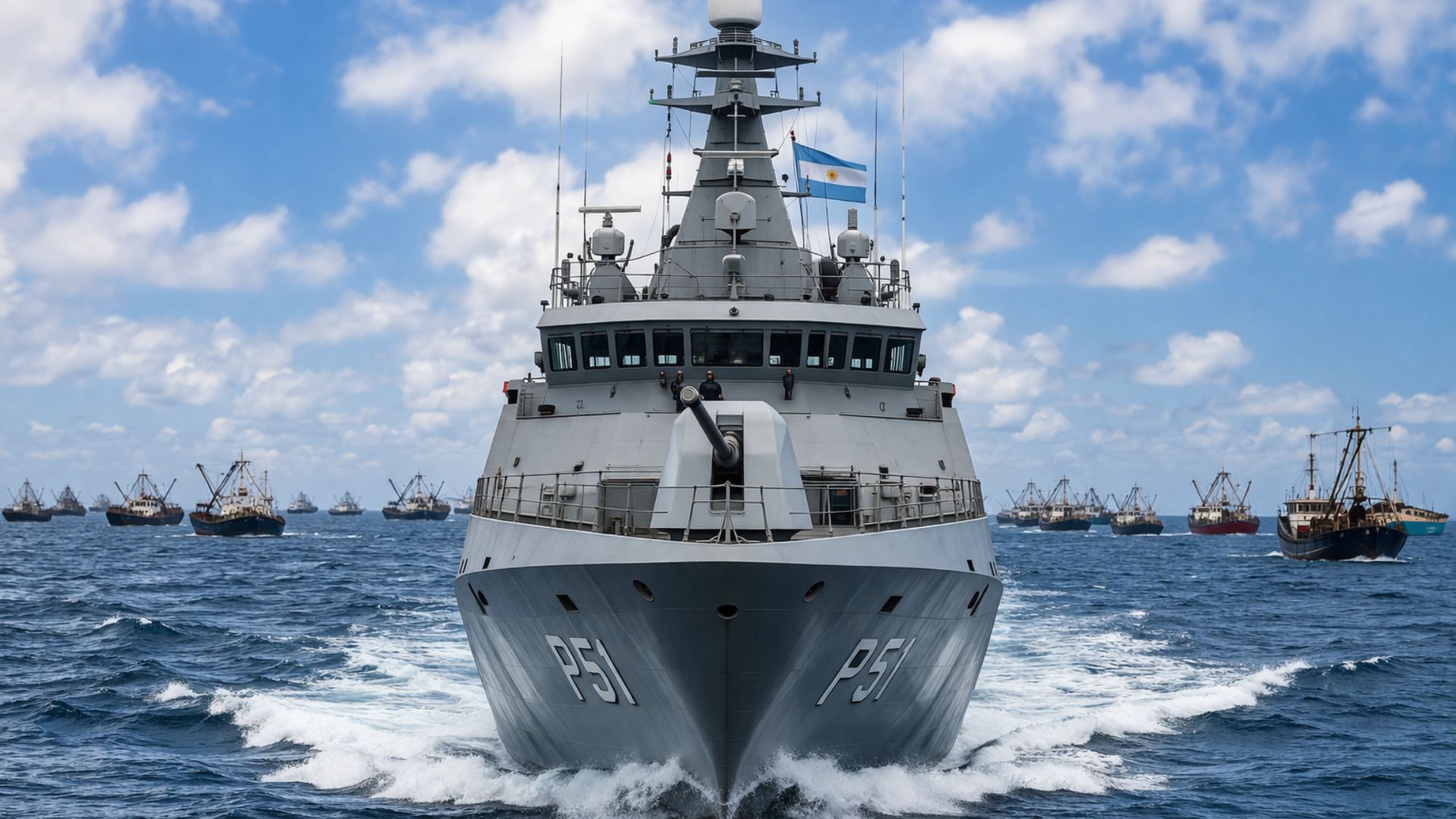
Argentina patrols the South Atlantic with ships built in France and monitors over 1.1 million km² with 87 m OPVs, a range of 7,500 miles, 360° radar, and a 30 mm cannon against illegal fishing in the 200-mile zone.
-
U.S. gardeners are starting to replace a historic item with a lighter, quieter battery model that doesn’t require fuel mixing.

The annual fee was eliminated starting in 2021.
In May 2024, Congress approved and the government sanctioned a law to reintroduce the fee under the name SPVAT, with a return scheduled for 2025.
However, in December of the same year, a new complementary law revoked the resumption, keeping the mandatory payment suspended in 2025.
As a result, those without private insurance continue to lack specific indemnity coverage.
Loss of Resources and Pressure on the Public Network
The director of the Ministry of Health Letícia de Oliveira Cardoso stated in a hearing at the Chamber that the end of annual transfers to the SUS created a continuous gap in financing care for accident victims.
According to her, 45% of everything collected from the old insurance went directly to the National Health Fund.
Since the fee was eliminated, the network has stopped receiving an average of R$ 580 million per year, an amount now fully covered by the General Budget of the Union.
The manager also mentioned that in some municipalities, up to 60% of emergency and ICU beds are occupied by victims of traffic accidents.
Additionally, the discussants noted that the country records about 33 thousand deaths annually in traffic and 310 thousand people with lasting consequences.
The numbers reinforce the burden on hospital and rehabilitation care, directly impacting public spending.
Who Becomes More Vulnerable
Motorcyclists account for a large portion of victims and, consequently, of costs.
In practice, lower-income individuals who rely on motorcycles for work or transportation are the most exposed to the lack of standardized indemnity coverage.
Without mandatory insurance, families report difficulties in coping with emergency expenses after collisions, while public hospitals absorb procedures of high complexity.
How DPVAT Worked
In its original design, the insurance covered indemnity for death and permanent disability, each up to R$ 13,500, in addition to reimbursement of medical expenses in the private network up to R$ 2,700.
Payments were made without the need for a lawyer and regardless of who caused the accident.
Of the total collected:
- 50% funded compensations.
- 45% reinforced the SUS.
- 5% was allocated to traffic education initiatives.
In 2019, gross revenue was close to R$ 2.1 billion, of which approximately R$ 929.7 million was transferred to the Unified Health System.
In the last year with reduced fees, 2020, the annual amount paid by vehicle owners was R$ 5.23 for automobiles and R$ 12.30 for motorcycles, paid together with licensing.
The Debate on Prevention and Compensation
At the hearing, the president of the Center for Traffic Victim Defense, Lúcio Almeida, characterized the abolishment of insurance as “negligence,” arguing that the instrument was a safety net for families who cannot afford private insurance.
In a different line, the president of the deliberative board of the National Road Safety Observatory, José Aurélio Ramalho, argued that prevention must be a priority in the design of any policy:
“Should we allocate DPVAT funds for victim assistance or preventing accidents? Prevention can stem from vehicle factors, road conditions, and human behavior,” he declared.
The contrast in positions is not about the importance of supporting victims but about the best use of resources: compensating for damages after the incident or investing more heavily to prevent it from happening.
Political Pressure for a New Model
Parliamentarians are assessing ways to reintroduce a mandatory insurance with improved governance and rules.
Hugo Leal (PSD-RJ), who requested the hearing, stated that abolishing the insurance was “a mistake” and stressed the need to educate the population about the social function of the fee.
The discussion perspective includes calibrating the fee by vehicle category, strengthening controls against fraud, and ensuring that transfers to the SUS and compensations have predictability.
While a new consensus is not formed, the SUS continues to absorb high and medium complexity care for accident victims, and motorcyclists remain without the standardized coverage that was in place for decades.
In this scenario, the central question of the debate reemerges: Should mandatory insurance be redesigned to exist again, or should public policy focus exclusively on reducing accidents?





O SUS perde dinheiro para os ****, e não para falta de impostos.
Quando se descobriu que só existia uma UNICA seguradora (Lider seguradora) pertencente a um deputado federal , a gestão a época paralisou essa cobrança .
Assim não dá , os políticos infiltrados até na sopa da vizinha …
Se o dinheiro do DPVAT fosse usado corretamente, todos os proprietários de veículos concordariam em pagar
O problema é a roubalheira,os desvios de finalidade.
Então acaba com o INSS, SUS, a empresa que você trabalha… Pois tudas elas envolve corrupção, sonegação de impostos, etc.